 Wenda Electronics
Wenda Electronics
Wenda Electronics
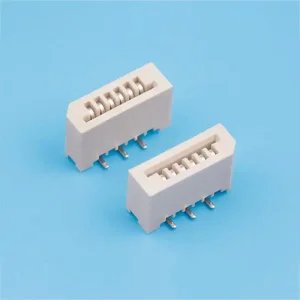
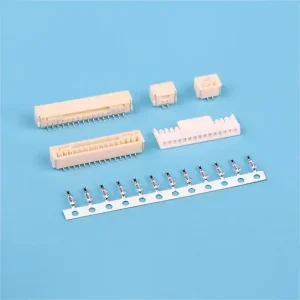
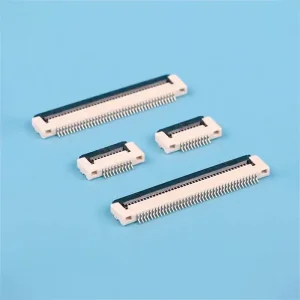
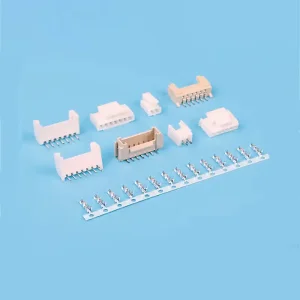
Explore our industrial-grade, precision-manufactured board-to-board, wire-to-board, and FPC/FFC connectors designed for seamless performance.
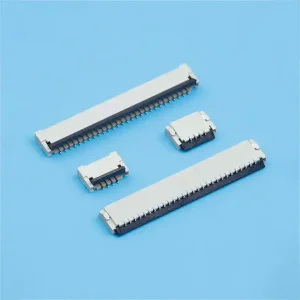
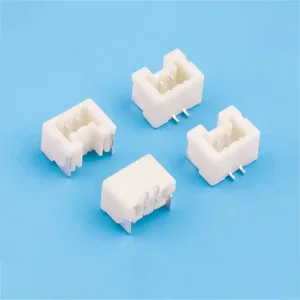
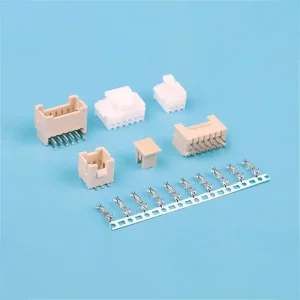
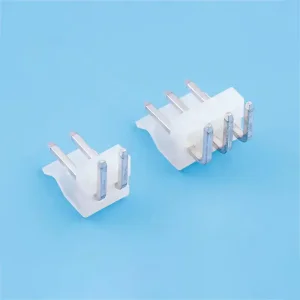
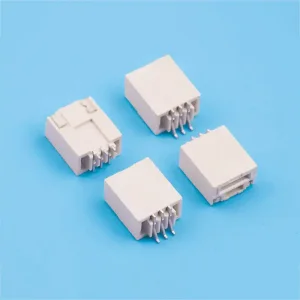
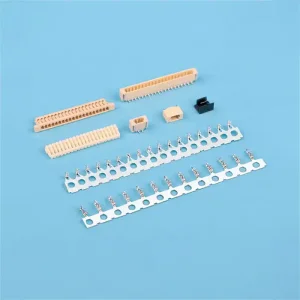
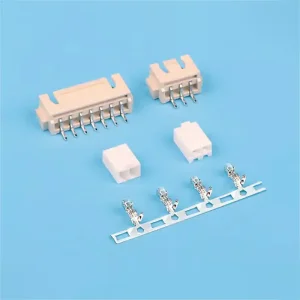
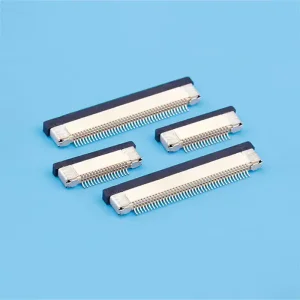
In modern electrical systems, electronics manufacturing, and automotive networks, the terminal connector is a fundamental component ensuring absolute signal integrity, current conduction, and system safety. A terminal connector acts as the reusable interface that mechanically couples and electrically links conductor paths. Whether managing high-power current distribution in energy storage systems or high-density, low-voltage control signals on consumer electronics PCBs, selecting the appropriate terminal structure is a critical design step.
Connectors are categorized based on installation layout, contact density, current-carrying limits, and raw mechanical characteristics:
A trusted global partner specializing in advanced precision electronic connectors, automotive wire harnesses, and new energy system components.
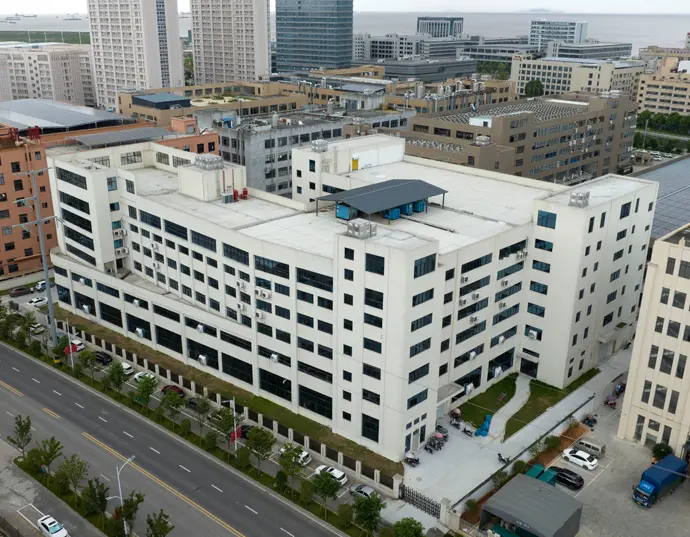
Established in March 2007, Zhejiang Wenda Electronics Co., Ltd. is located in the Yueqing Bay Lingang Economic Development Zone, Zhejiang Province, at the southern foot of the scenic Yandang Mountain. Our strategic location offers convenient logistics, situated near Highway 104 and the Ningbo-Taiwan-Wenzhou Expressway, just 50 kilometers from Wenzhou Airport and railway hubs, and close to Wenzhou Light Rail Line S2.
As a private joint-stock enterprise with over 500 skilled professionals, our facilities span a 10,000 square meter footprint with over 25,000 square meters of modern construction area. We integrate product R&D, advanced manufacturing, and global marketing to design and manufacture precision connectors, FFC cables, and new energy interfaces for international clients.
Guided by our corporate spirit of "hard work, tolerance, efficiency, and character," our mission is to deliver high-quality, high-performance connectors at competitive price points, building a highly efficient and executive enterprise.
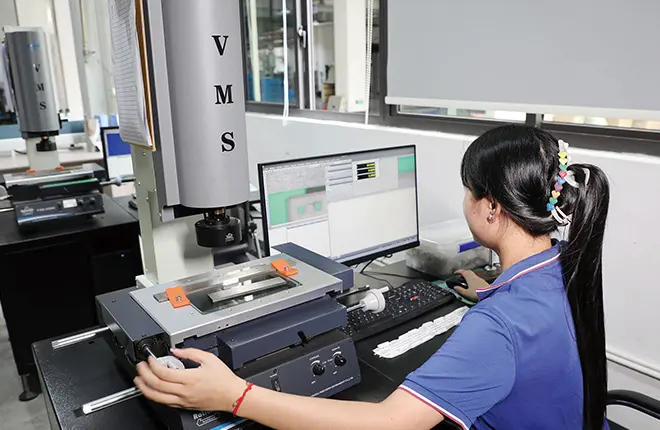
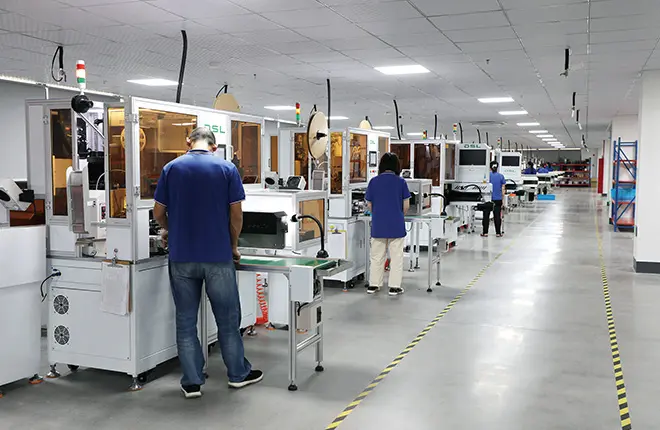
Wenda Electronics operates a complete set of over 500 advanced production and testing machines. Our workshop features high-speed precision stamping machines, precision plastic injection molding systems, and automated packaging lines. Our engineering test center is equipped with advanced analysis tools, including 2D optical measurement systems, RoHS composition testers, plating film thickness detectors, reflow solder simulators, and tensile testers. This infrastructure ensures that every batch meets rigorous mechanical and electrical performance metrics.
Our manufacturing operations conform to global environmental and quality benchmarks, certified under ISO9001-2015, ISO14001-2015, ISO45001-2018, IATF16949-2016, and QC080000-2017 standards. Our products carry UL, CQC, and CE certifications.
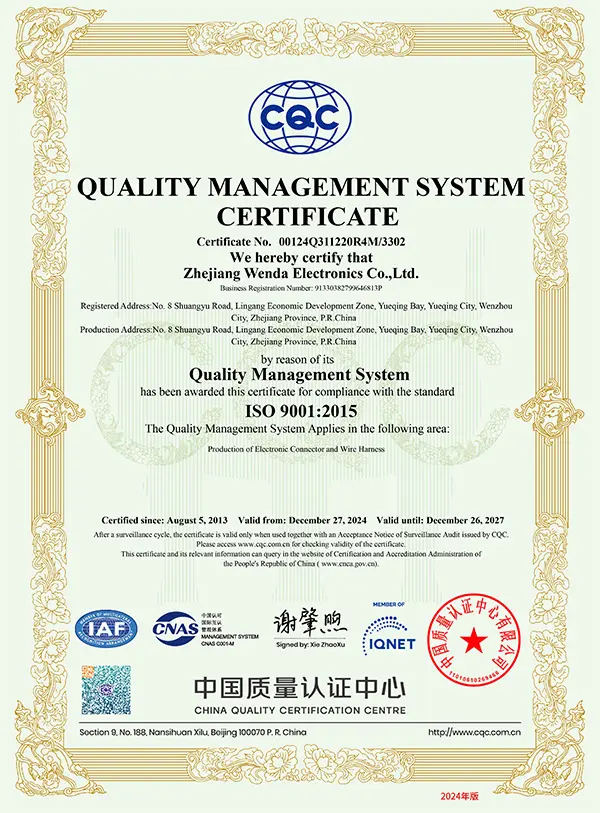
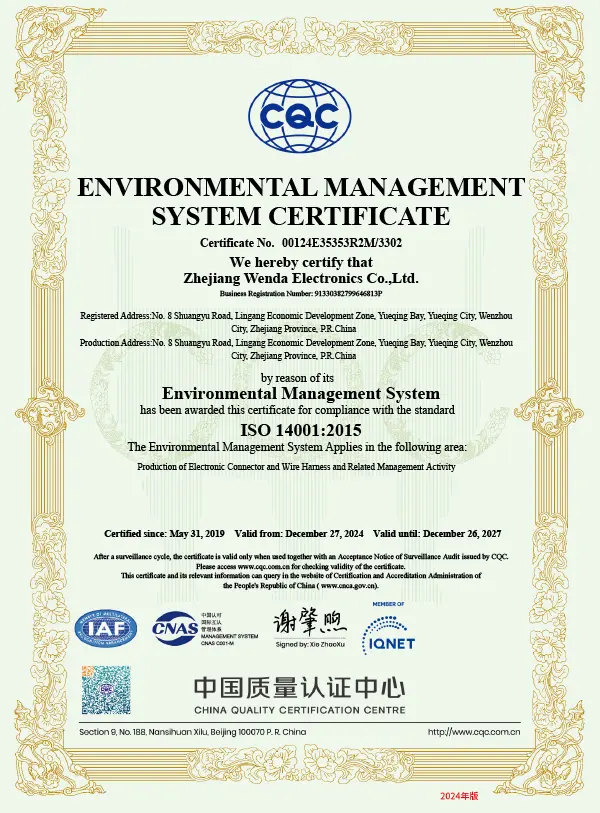
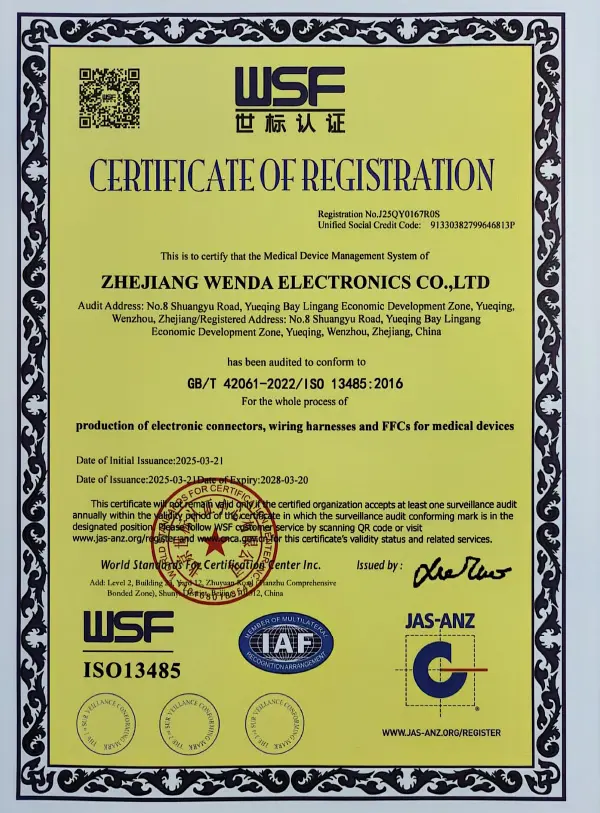
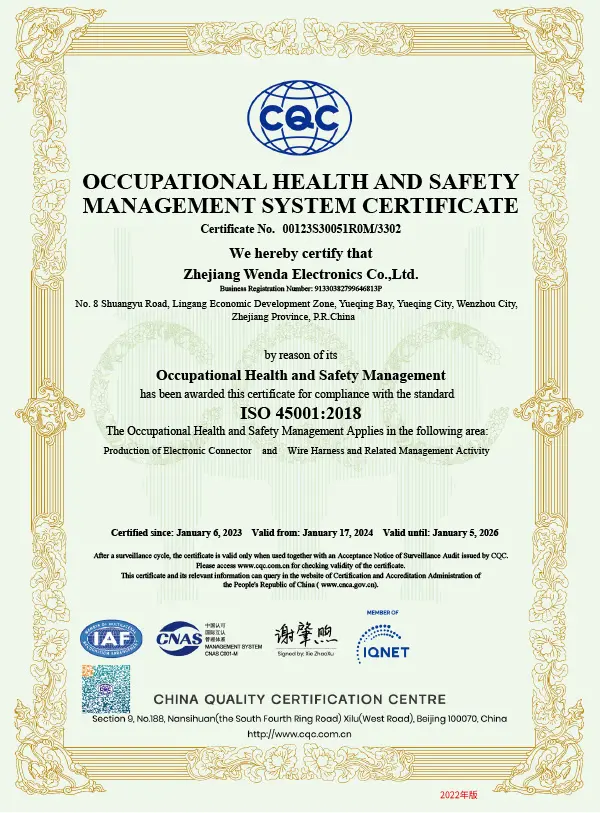
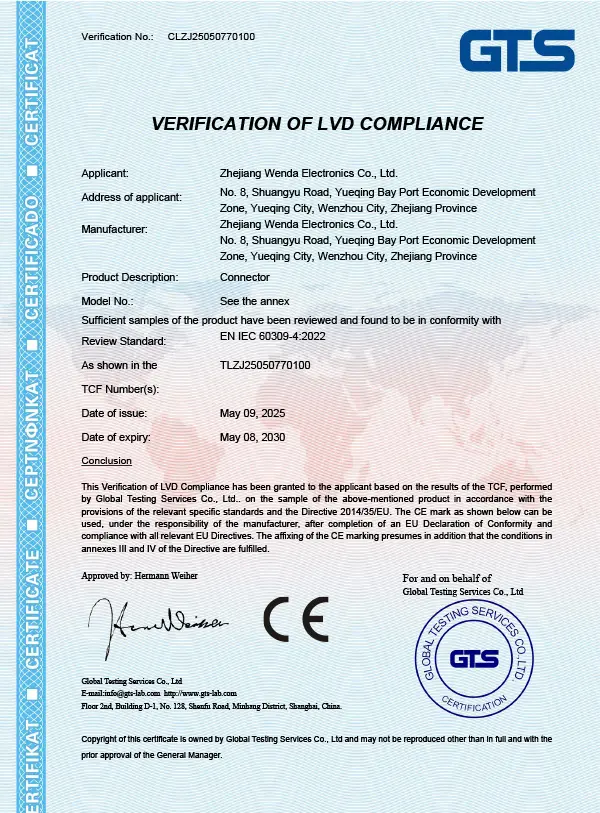
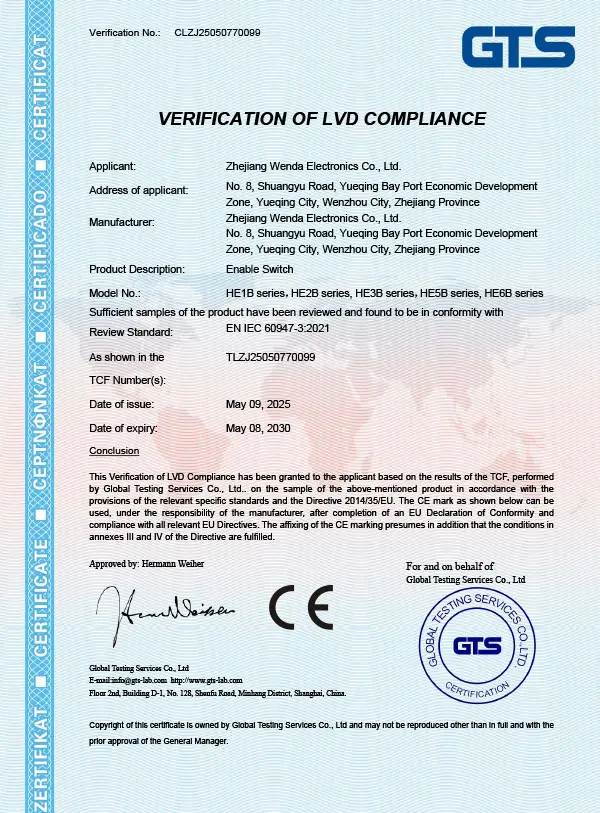
A connector's operational lifespan and performance are determined by its base materials and surface finishes. The contact elements must balance electrical conductivity with mechanical elasticity, resisting oxidation and stress relaxation under thermal loads.
We select distinct copper formulations based on application requirements:
Plating serves as a protective barrier against corrosion and helps reduce contact resistance:
| Plating Type | Typical Thickness | Primary Application | Key Advantage |
|---|---|---|---|
| Gold Plating (Au over Ni) | 1u" - 30u" Gold / 50u" Nickel | Fine-pitch FPC/FFC, BTB signal pins | Excellent corrosion resistance, low contact resistance, stable signal transmission |
| Tin Plating (Sn over Ni) | 80u" - 120u" Tin | Power wire-to-board terminals, crimp lugs | Cost-effective, good solderability, ideal for static connections |
| Selective Plating | Dual Zone (Gold/Tin) | SMT Solder-tail connectors | Optimized solder performance at tail, low contact wear at interface |
The plastic housing provides mechanical support and electrical insulation between contacts. For SMT and reflow soldering operations, the housing must withstand temperatures exceeding 260°C. We utilize LCP (Liquid Crystal Polymer), PA9T, and PA46 engineering resins to ensure low moisture absorption, high dimensional stability, and excellent electrical insulation.
Our connectors are integrated across multiple demanding industries, delivering reliable power and signal distribution.

Connectors act as critical pathways for power and signal transmission in battery management systems and charging units. As EV architectures shift toward 800V platforms, components must handle higher current capacities, high-temperature cycles, and constant vibration while maintaining a compact footprint.
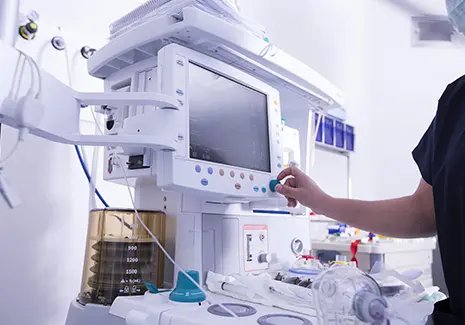
Medical systems demand precise, low-loss signal transmission. With the growth of portable diagnostic equipment and patient monitoring monitors, connectors must offer high contact density, reliable insulation, and clean signal paths to ensure diagnostic accuracy and patient safety.

Smartphones require ultra-slim components to optimize internal space. Our fine-pitch FPC/FFC and Board-to-Board connectors support high-speed data transmission and fast-charging currents while fitting into low-profile, high-density layouts.
Global procurement teams face the ongoing challenge of balancing manufacturing costs, lead times, and quality standards. Sourcing from our Yueqing Bay facility provides distinct strategic advantages:
Yueqing is a global hub for electrical and electronic component manufacturing. This localized industrial cluster brings together raw material vendors, plating services, mold designers, and logistics providers. This dense network allows us to source high-grade materials quickly, streamline tooling development, and scale production rapidly in response to shifting market demands.
Wenda Electronics manages the entire production cycle in-house—from custom product design and precision mold fabrication to automated stamping, plastic injection, and final assembly. This vertical integration provides direct control over production schedules and quality gates at every step, minimizing reliance on third-party suppliers.
Our 25,000 square meter facility and team of over 500 professionals provide the capacity to handle high-volume OEM/ODM contracts. Located close to major transportation hubs, including the Ningbo-Taiwan-Wenzhou Expressway, Wenzhou Light Rail Line S2, Wenzhou Railway Station, and Wenzhou Airport, we offer efficient shipping routes to key domestic and international ports.
A closer look at the advanced machinery and manufacturing workflows that drive our connector production.
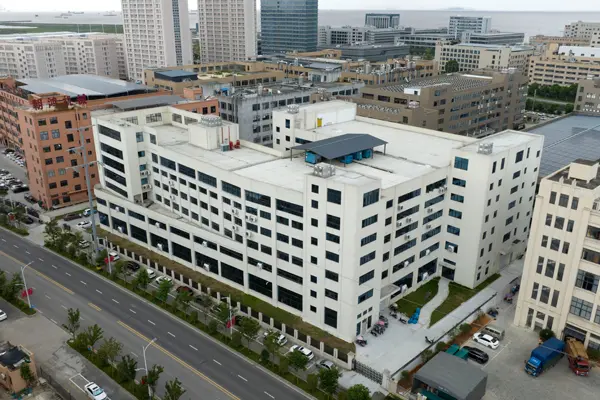
Headquarters & Production Facility
Our modern manufacturing complex located in Wenzhou, Yueqing, Zhejiang.
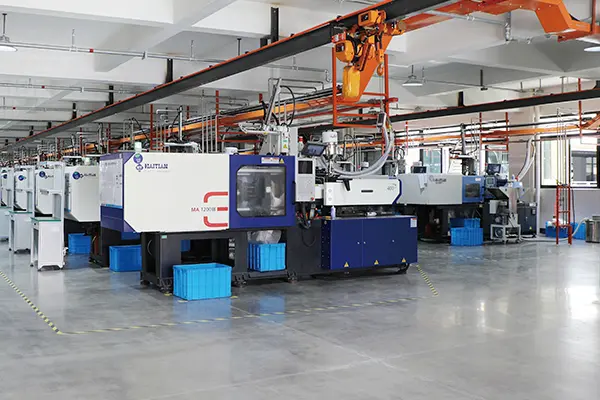
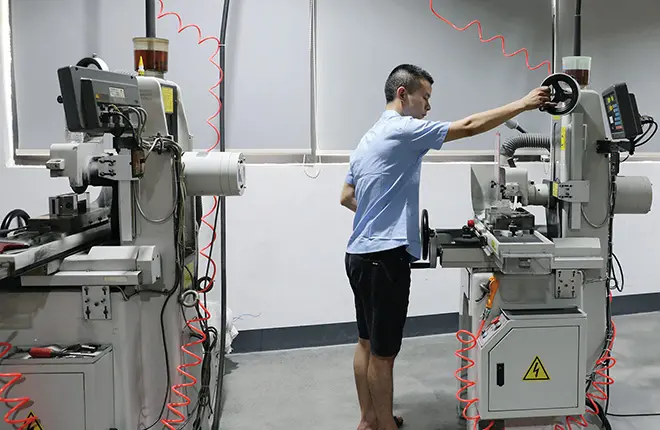
Precision Stamping Workshop
High-speed presses producing terminal contacts with micron-level tolerances.
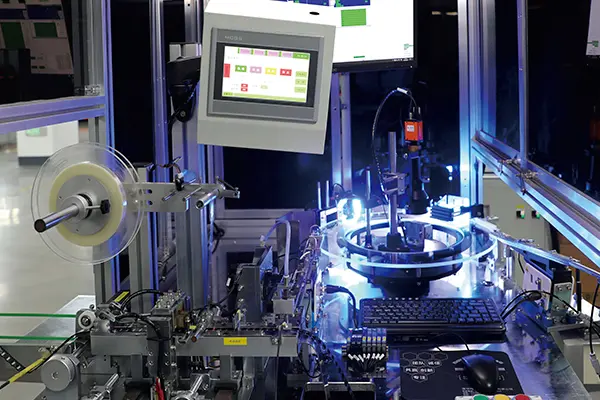
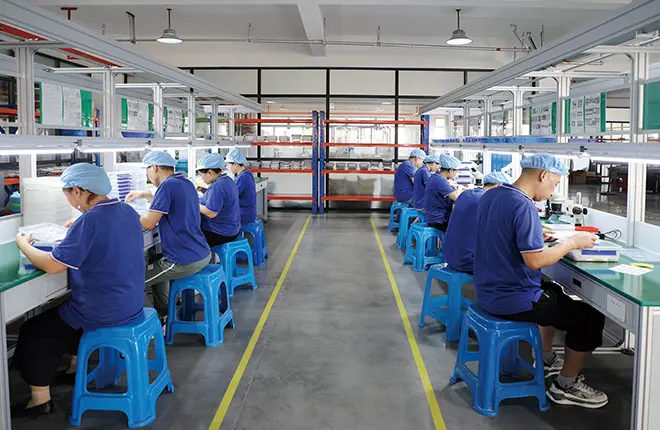
Automated Assembly Lines
Integrated assembly lines equipped with automated sensors and inspection stations.
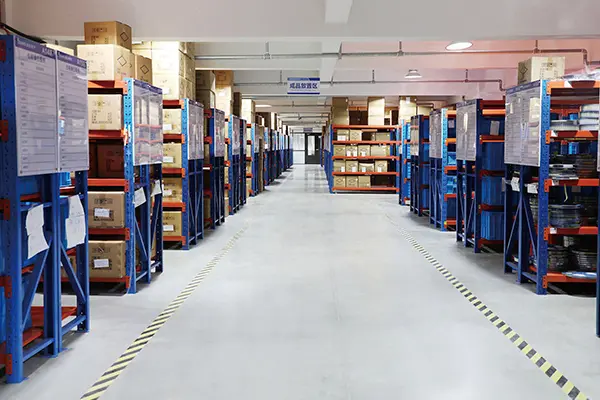
Finished Product Area
Organized inventory warehousing managed for rapid shipping and distribution.
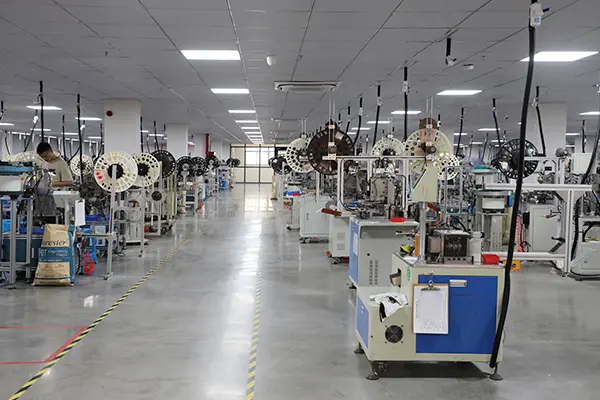
Engineering Test Center
Equipped for comprehensive environmental, mechanical, and electrical validation.
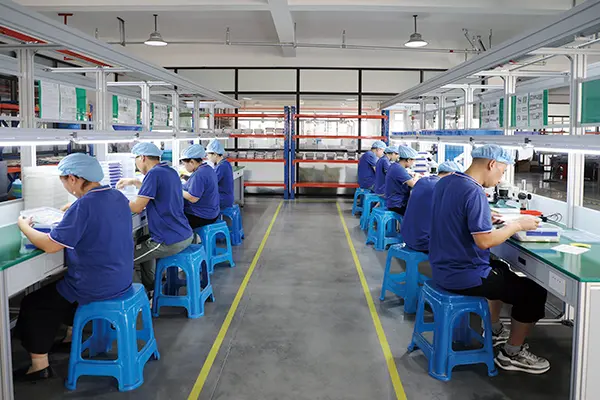
Skilled Operations
Experienced technicians managing automated systems and performing quality audits.
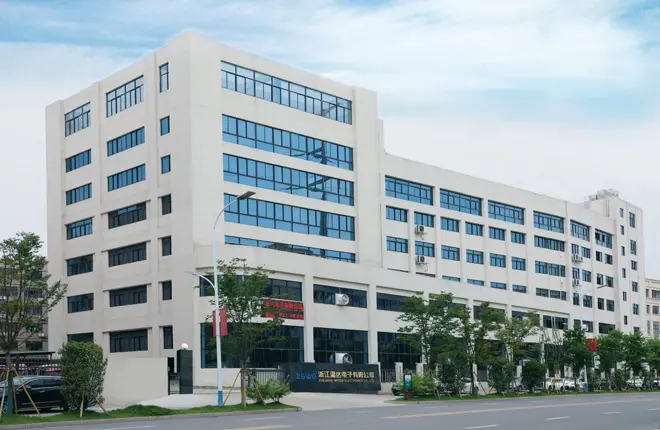
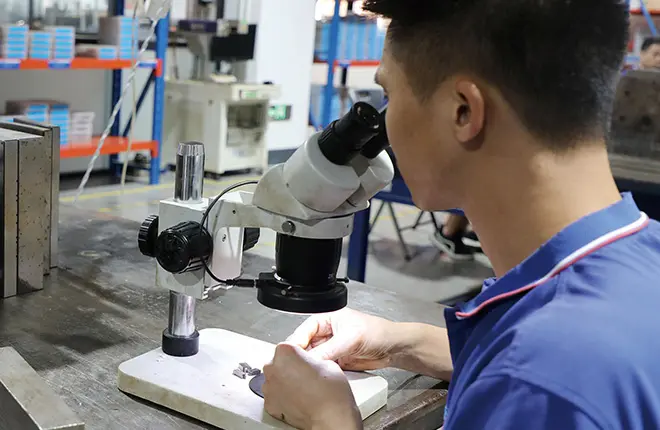
Precision Assembly QC
Injection Molding Cell
Precision Tooling & Design
Automated Harness Prep
Component Classification
Optical Quality Audits
The global electronics sector continues to drive requirements for higher speeds, smaller footprints, and improved power efficiency. We track several key engineering trends shaping the industry:
As microelectronics pack more processing power into smaller spaces, connectors are shifting from standard 2.0mm and 2.5mm pitches to 0.85mm, 0.8mm, and 0.5mm configurations. Achieving reliable performance at these scales requires high-speed precision stamping tools and specialized engineering plastics with excellent flow properties to completely fill thin-walled connector housings.
With the rise of fast-charging EV systems, high-power server racks, and industrial robots, connectors must handle elevated currents without excessive heat generation. This demand is met through optimized contact geometry, improved thermal dissipation paths, and high-performance base metals like phosphor bronze and beryllium copper.
High-frequency data interfaces require careful impedance control to prevent signal reflection and crosstalk. FPC/FFC and board-to-board connectors are designed with specific grounding layouts and shielding configurations to support fast data protocols like PCIe 5.0/6.0 and high-speed USB standards.
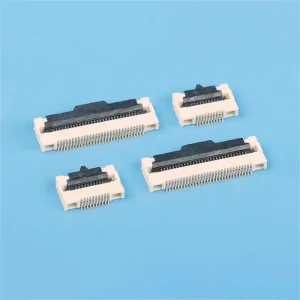
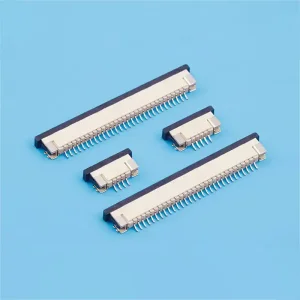
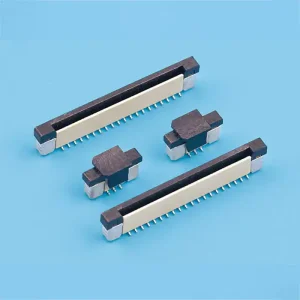
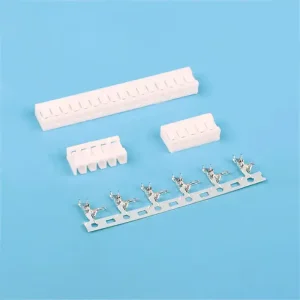
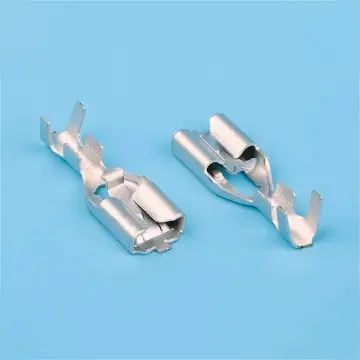
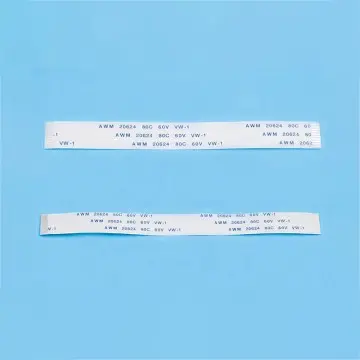
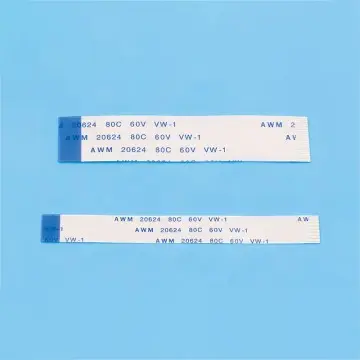
Explore our specialized range of crimp terminals, flat ribbon jumpers, and multi-pin headers manufactured for high-reliability systems.
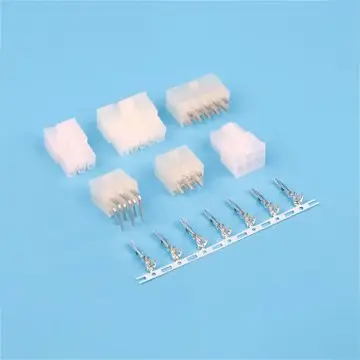
Technical answers to common questions about materials selection, mechanical tolerances, and supply chain management.
Gold plating offers high corrosion resistance and low, stable contact resistance, making it ideal for low-voltage, low-current signal lines (such as FPC/FFC interfaces) that experience frequent mating cycles. Tin plating is a cost-effective alternative with good solderability, best suited for static, high-pressure wire-to-board applications with fewer mating cycles, where fretting corrosion can be managed.
Our IATF 16949-2016 management framework controls quality at every stage—from design validation (DFMEA) and process risk analysis (PFMEA) to material traceability and automated production monitoring. We use automated visual inspection systems (CCD) on our lines to verify contact co-planarity and terminal alignment before packaging.
We use high-temperature engineering thermoplastics, including LCP (Liquid Crystal Polymer), PA9T, and PA46. These materials maintain their dimensional stability and mechanical properties at temperatures exceeding 260°C, helping prevent housing deformation or contact displacement during automated SMT reflow cycles.
Yes. Our internal engineering department provides comprehensive OEM/ODM custom development. Utilizing high-precision tooling design and fabrication processes, we develop connectors with non-standard pitches, custom heights, modified locking mechanisms, and specialized contact layouts tailored to your board design.
Standard product configurations are typically dispatched within 7 to 15 days, depending on inventory levels and order volume. Custom tool development and first-article approval cycles generally add 3 to 4 weeks to the initial timeline. We maintain safety stock programs for key accounts to support short-notice delivery schedules.
Browse our catalog of micro-pitch SMT headers, locking connectors, and flexible cable interfaces for compact PCB layouts.