 Wenda Electronics
Wenda Electronics
Wenda Electronics
Explore our top-tier SMT, DIP, and locking pin connectors engineered for flawless electrical performance and mechanical durability.
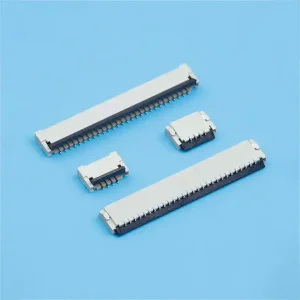
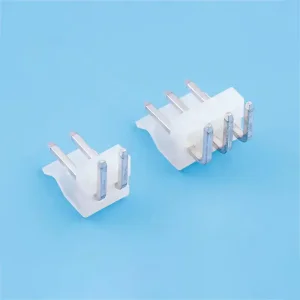
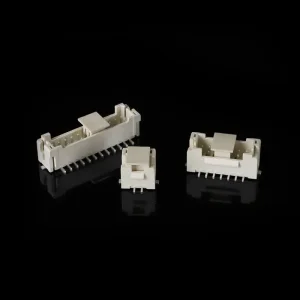
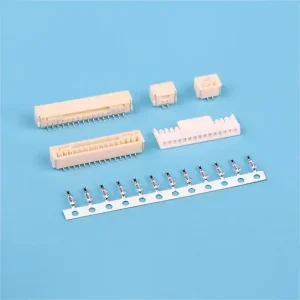
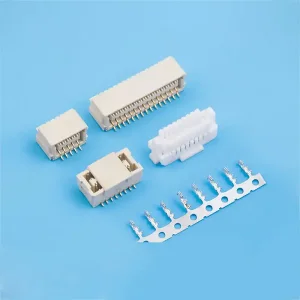
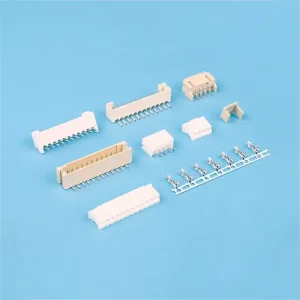
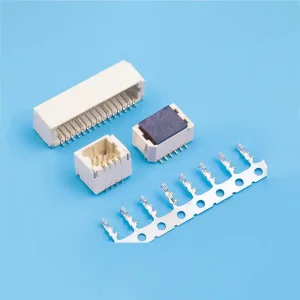
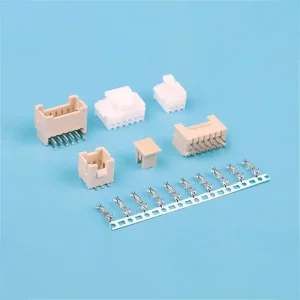
In the rapidly transforming landscape of modern electronics, pin connectors have evolved from basic conductive interfaces into highly sophisticated, engineered solutions designed to preserve signal integrity, support ultra-high-density board layouts, and endure extreme environmental stresses. The demand for reliable micro-pitch interconnects has surged, driven by advancements in smart automotive cockpits, high-frequency medical diagnostics, consumer electronics miniaturization, and industrial automation control loops. Sourcing departments and system engineers are faced with the continuous challenge of locating high-performance components that offer the optimal combination of electrical safety, mechanical robustness, and cost efficiency.
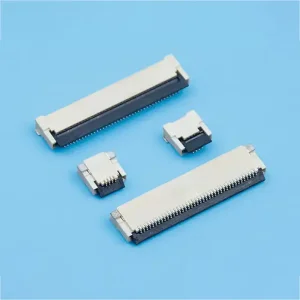
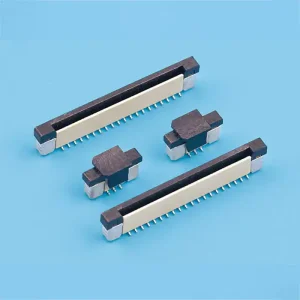
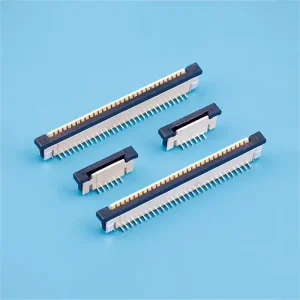
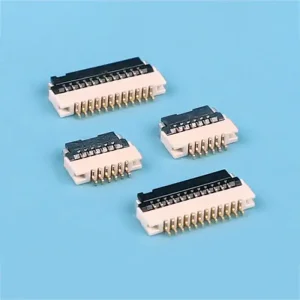
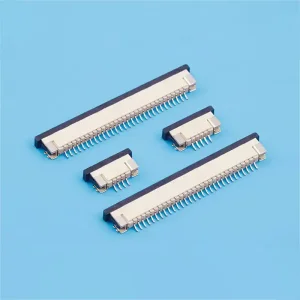
At the center of high-speed transmission technology is the FPC (Flexible Printed Circuit) and FFC (Flat Flexible Cable) connection. When dealing with spacing configurations as tight as 0.5mm or 1.0mm, engineering parameters such as insulator coplanarity, terminal normal force, and contact resistance become vital. Standard connectors often fail due to intermittent signal degradation caused by micro-vibrations or thermal expansion mismatches. Premium pin connector systems mitigate these failures by utilizing Liquid Crystal Polymer (LCP) housings that withstand lead-free reflow soldering profiles reaching up to 260°C, combined with high-grade Phosphor Bronze terminals coated with selective gold plating (gold flash up to 15u"). This engineering approach ensures minimized contact resistance (≤20mΩ) and an extended operating lifespan exceeding hundreds of mating cycles.
Signal attenuation, electromagnetic interference (EMI), and galvanic corrosion represent significant risk factors in wire-to-board and board-to-board links. To maintain reliable connectivity in critical high-frequency circuits, terminal base metals such as Phosphor Bronze or Brass must undergo structured electroplating. Underplating with Nickel (typically 50-100u") serves as an essential diffusion barrier, preventing the migration of copper atoms into the outer gold or tin plating layer. This layer prevents whisker growth and structural oxidization over extended exposure periods.
For applications where cost-efficiency is paramount but high reliability must be maintained, selective gold plating is applied only at the contact interface point, while the soldering tail utilizes a tin-lead or pure matte tin finish to optimize solderability. Additionally, specialized active locking mechanisms—including dual-row SMT lock systems and flip-lock hinged designs—provide positive retention forces, securing the mated connection against severe shocks and continuous mechanical stress. This mechanical reinforcement is a fundamental requirement in automotive and aviation electronics.
From new energy powertrains to medical diagnostic devices, our custom interconnect solutions deliver consistent performance across diverse operating environments.

Connectors are comprehensive carriers of "power transmission + safety protection + intelligent interaction + mechanical adaptation" in new energy chargers, and their performance directly affects charging efficiency, safety, compatibility and user experience. As new energy vehicles develop towards higher voltages (such as 800V platforms) and higher power (such as 480kW ultra-fast charging), connectors are upgrading towards high current carrying capacity, high temperature resistance, miniaturization and intelligence, becoming one of the key links in the breakthrough of new energy charging technology.
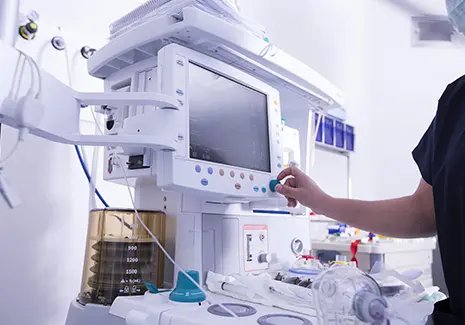
Connectors in medical equipment are "precise carriers for signal transmission", "reliable interfaces for power supply", and "safety valves for fluid control". Their performance directly affects diagnostic accuracy, treatment safety, and the efficiency of medical processes. With the development of medical technology towards minimally invasive and intelligent (such as telemedicine devices and wearable monitoring devices), connectors are upgrading towards miniaturization, high integration, asepsis and intelligence (such as built-in chips for accessory identity recognition), becoming an important support for the innovation of medical equipment.

Connectors in mobile phones serve as the "collaborative link for internal components" and the "functional interface for external interaction". Their design directly affects the phone's battery life (charging efficiency), data transmission speed, functional expandability and durability. With the development of mobile phone technology, connectors are also upgrading towards miniaturization (saving internal space), high integration (such as USB-C unified charging/data/video interfaces), and high reliability (withstanding high temperatures during fast charging and mechanical stress of foldable screens), becoming an important support for the improvement of mobile phone performance.
The concentration of raw material supply chains, localized metal plating operations, and advanced mold manufacturing expertise has positioned Zhejiang Province as a key production hub for pin connectors worldwide. Located within the Yueqing Bay Lingang Economic Development Zone, our manufacturing facility benefits from direct access to premium logistics systems and high-grade copper alloys, enabling rapid engineering iterations from initial prototype to mass production.
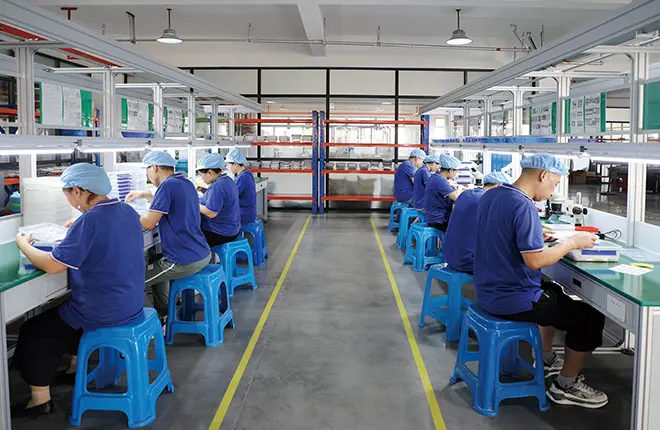
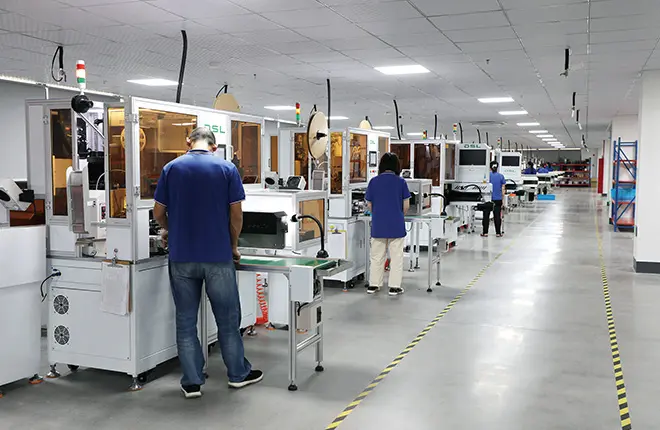
Chinese connector manufacturing has shifted from high-volume manual assembly to fully automated precision production. Operating high-speed mechanical stampers and complex multi-cavity injection mold tools, modern facilities run integrated production lines where terminals are stamped, housings are molded, and components are assembled in a single continuous process. This level of automation reduces human error, manages coplanarity deviations, and lowers production costs—offering a clear cost and quality advantage for global procurement groups.

A premier private joint-stock enterprise combining product research, development, precision manufacturing, and international marketing.
Established in March 2007, Zhejiang Wenda Electronics Co., Ltd. is situated at the southern base of Yandang Mountain, within the Yueqing Bay Lingang Economic Development Zone. The facility is located close to the 104 National Highway and the Ningbo-Taiwan-Wenzhou Expressway, 50 kilometers from Wenzhou Airport and Railway Station, and near the Wenzhou Light Rail Line S2, providing convenient transit options for logistics and plant visits. The company maintains a staff of over 500 personnel across a factory area exceeding 10,000 square meters, with a total construction footprint of 25,000 square meters.
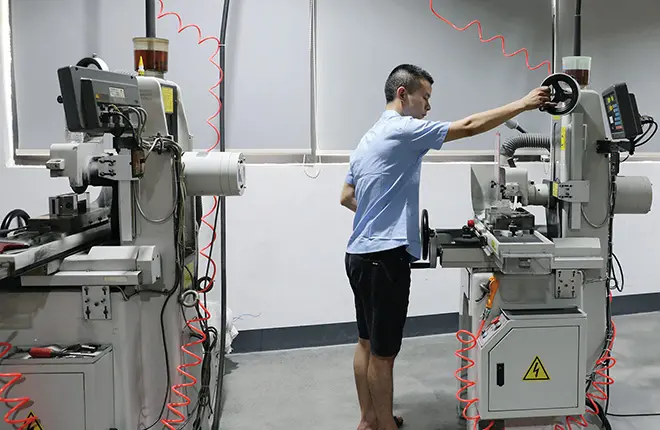
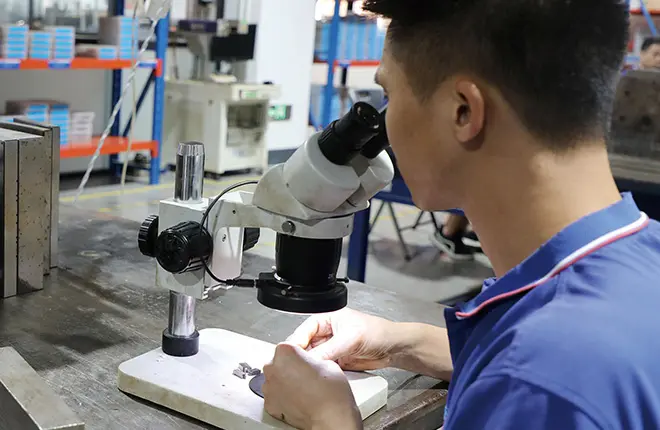
Wenda Electronics operates a fully integrated design-to-delivery model, developing custom electronic connectors, automotive and new energy wire harnesses, and flat flex cables. The plant is equipped with over 500 sets of production and analytical equipment, including high-speed precision stamping presses, high-resolution plastic injection molding systems, automated assembly lines, wire stripping machines, FFC laminating presses, and inline CCD automatic visual inspection units. Analytical capabilities feature 2D projectors, RoHS spectrometers, plating thickness testers, reflow simulators, and circuit continuity wire harness analyzers.
Our component systems are utilized across various industries, including consumer electronics (tablets, mobile phones, printers), automotive systems, new energy equipment, medical devices, security networks, and drones. To align with international quality standards, Wenda Electronics holds certifications for ISO9001-2015 (Quality Management), ISO14001-2015 (Environmental Management), ISO45001-2018 (Occupational Health & Safety), IATF16949-2016 (Automotive Quality Management), and QC080000-2017 (Hazardous Substances Process Management). Key product lines carry UL, CQC, and CE marks, verifying compliance with safety and environmental regulations.
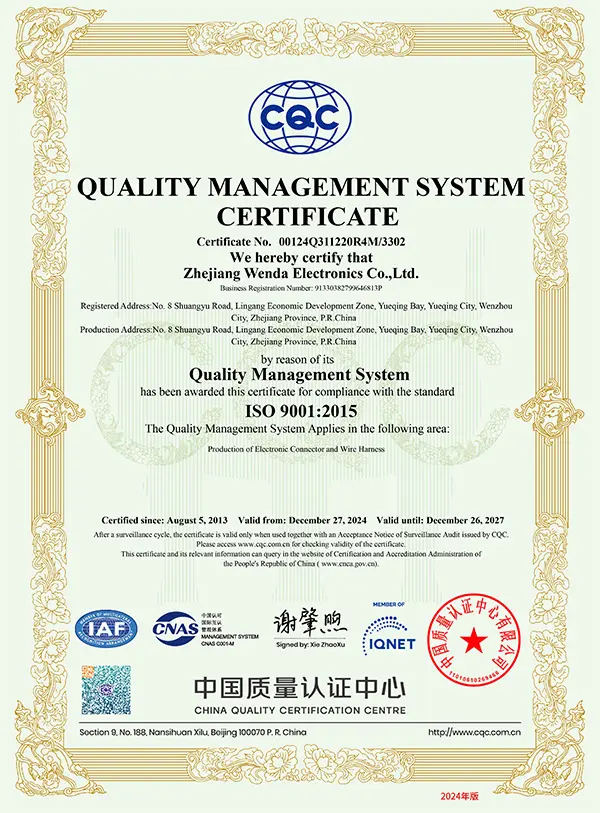
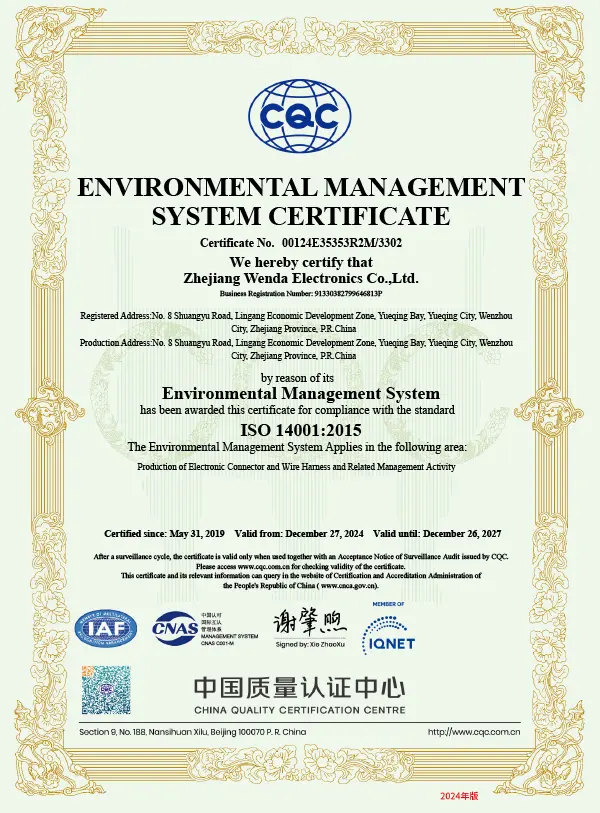
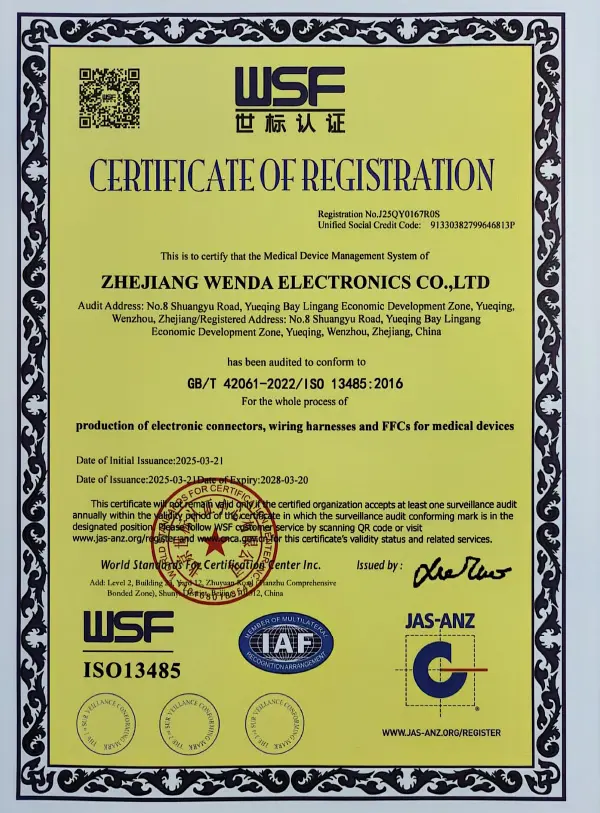
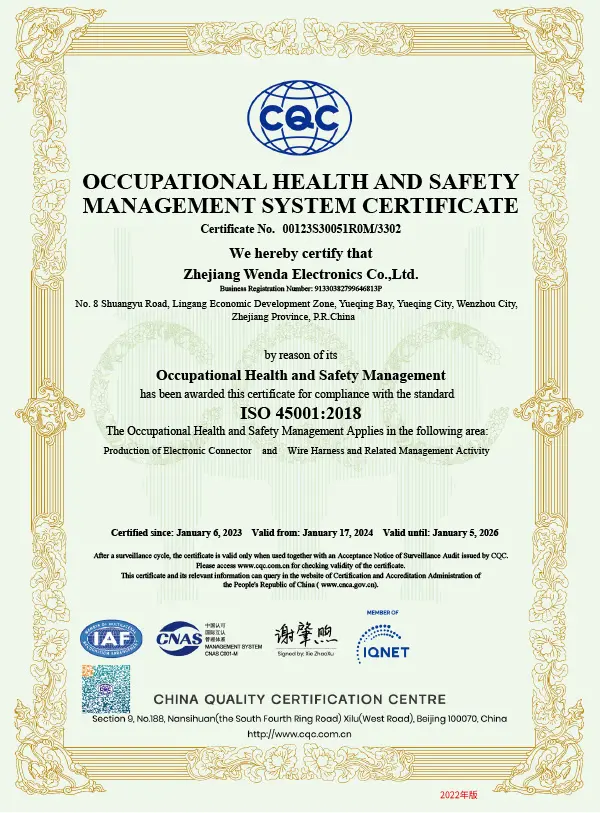
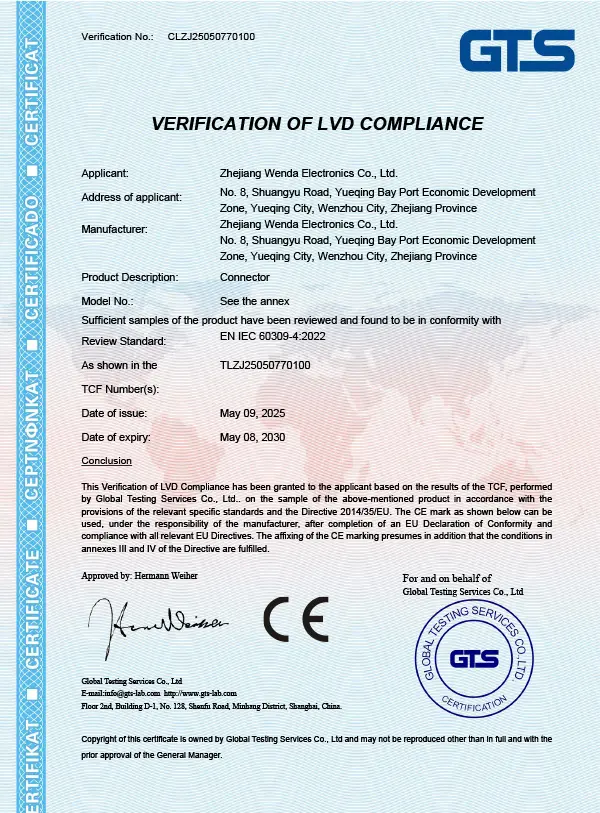
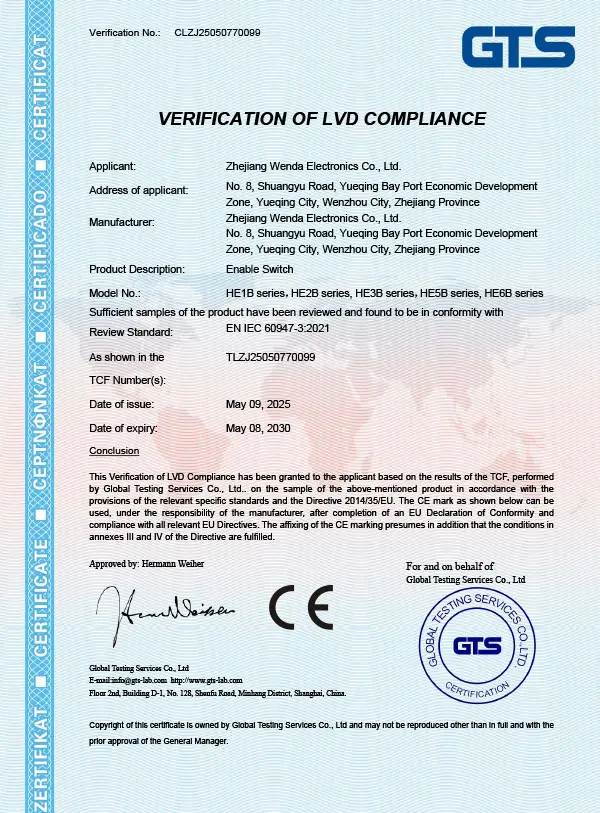
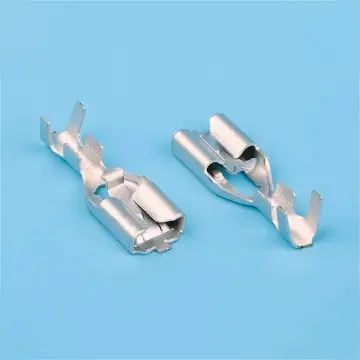
Engineered for higher current carrying capacities, ultra-flexible layouts, and high vibration thresholds.


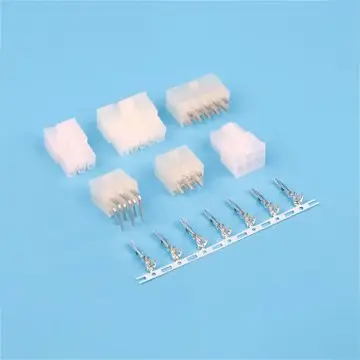
Equipped with over 500 sets of specialized production and testing machinery to support precision output and quality control.
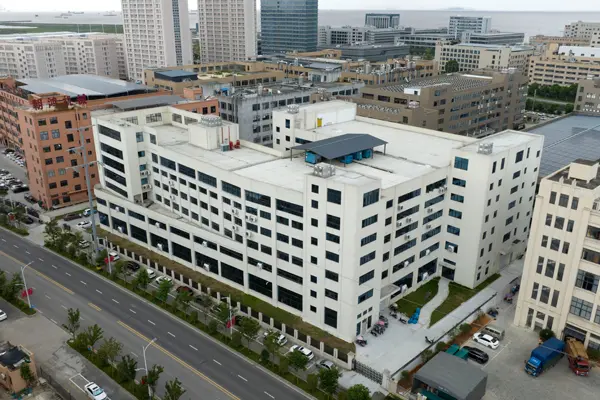
Our manufacturing facility features a modern architectural layout, optimized production flows, and structured logistical zones to handle high-volume export shipping.
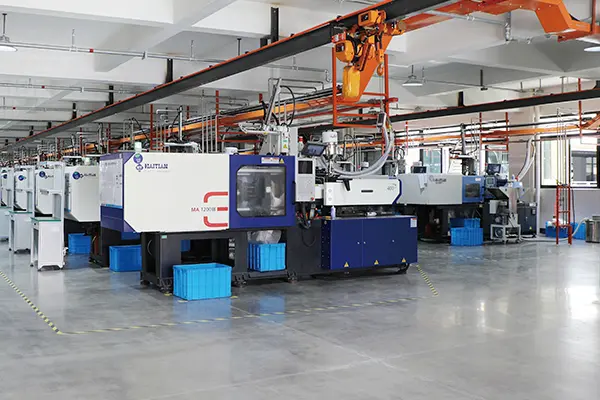
Automated injection machines process engineering plastics like LCP, PPS, and NYLON6T at tight tolerances, preventing structural flashing or terminal pin deflection.
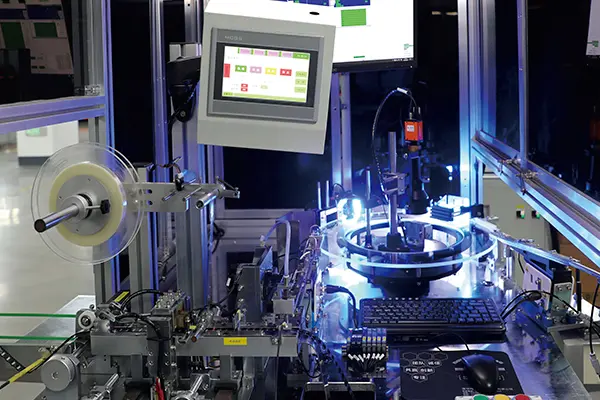
High-speed progressive presses form micro-pitch contact pins from phosphor bronze strips, maintaining dimensional accuracy across production batches.
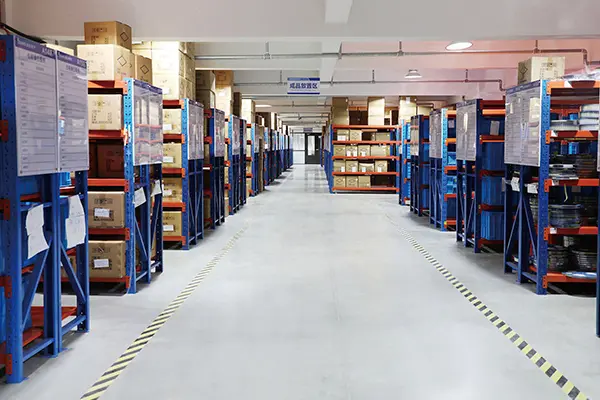
Temperature-controlled storage maintains inventory integrity, protecting contact surfaces from oxidation before shipment.
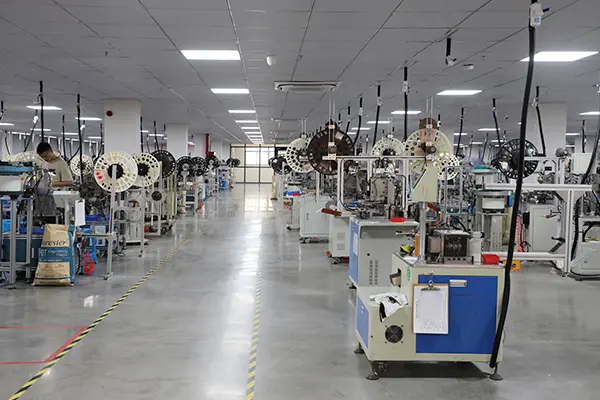
Our engineering laboratory performs lifecycle testing, including insertion force profiles, contact resistance monitoring, and thermal aging evaluations.
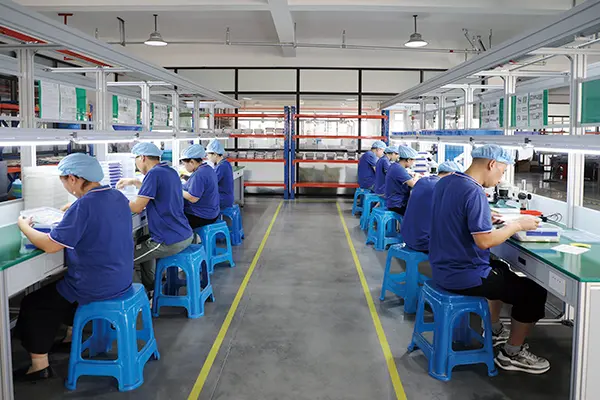
Our quality control team performs multi-stage testing on every batch, verifying compliance with customer specifications before dispatch.
A look at our plant floor, precision equipment, and testing processes.

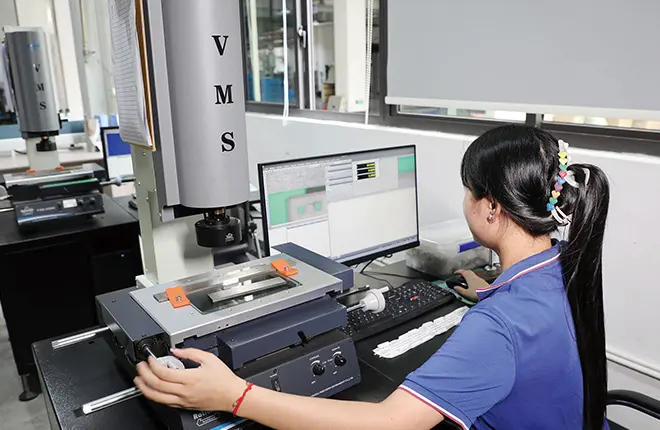
Answers to common engineering questions regarding pin connectors, certifications, materials, and custom manufacturing processes.
From ultra-slim profiles to high-temp configurations, find the exact connector model for your board design.