 Wenda Electronics
Industrial Whitepaper: The Strategic Role of Battery Connectors in Nagoya's Manufacturing Ecosystem
Nagoya, the capital of Aichi Prefecture, stands as the epicenter of Japan’s automotive and aerospace industries. As the global transition toward electrification accelerates, the demand for high-performance battery components has transformed Nagoya into a critical hub for Battery Category Manufacturers and Suppliers. This region, often referred to as the "Chukyo Industrial Zone," is no longer just about internal combustion; it is the frontline of the EV revolution and smart energy storage.
1. The Nagoya Industrial Advantage: A Legacy of Precision
Supplying battery connectors in Nagoya requires more than just high-volume production; it demands a deep integration into the "Monozukuri" (craftsmanship) philosophy. Local manufacturers focus on miniaturization, heat dissipation, and vibration resistance—three pillars essential for the rugged environments of Nagoya’s primary exports.

Automotive Powerhouses
Proximity to the world's leading car manufacturers allows for rapid prototyping and JIT (Just-In-Time) supply chain synchronization.

Advanced R&D Centers
Nagoya hosts collaborative research between universities and private sector giants focusing on solid-state battery technology and high-pitch connectors.
2. Global Procurement Trends: Why International Buyers Turn to This Region
Global procurement officers are increasingly looking for suppliers who offer Information Gain—those who don't just sell a part, but provide a comprehensive solution to thermal runaway and signal integrity. In the battery category, this translates to connectors that can handle high current density while maintaining a footprint small enough for the next generation of thin-profile electronics.
- E-E-A-T Compliance: Suppliers must demonstrate a proven track record (Experience), specialized engineering teams (Expertise), industry-standard certifications (Authority), and transparent quality control (Trustworthiness).
- Sustainability: Manufacturers in the Nagoya corridor are pioneering eco-friendly plating processes, reducing the environmental footprint of lithium-ion battery assemblies.
3. Technical Roadmap: 1.0mm to 3.0mm Pitch Innovations
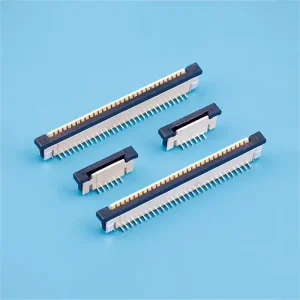
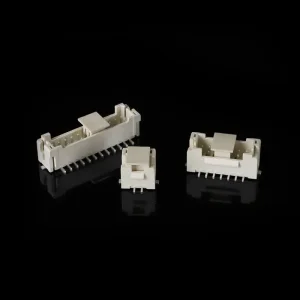
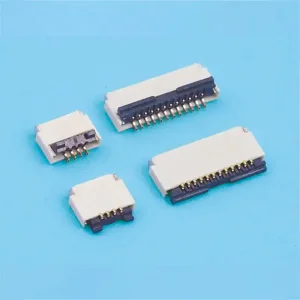
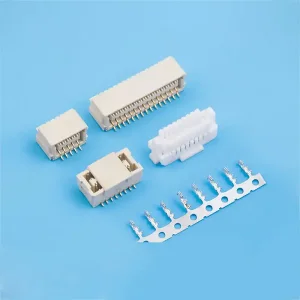
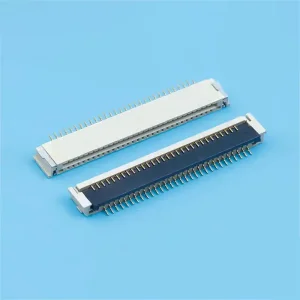
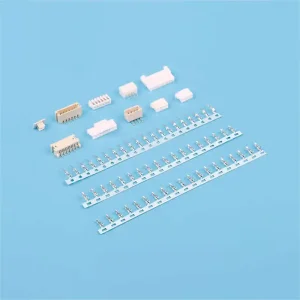
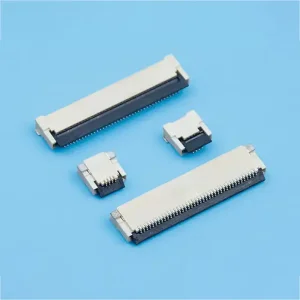
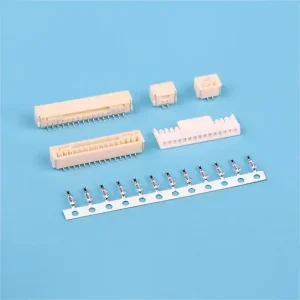
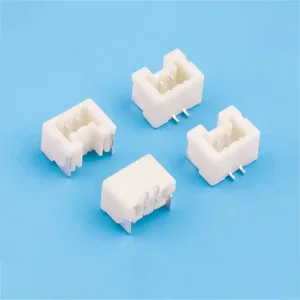
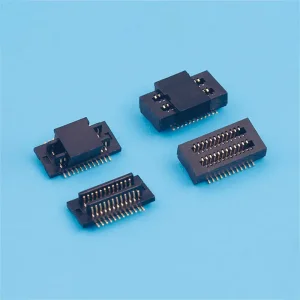
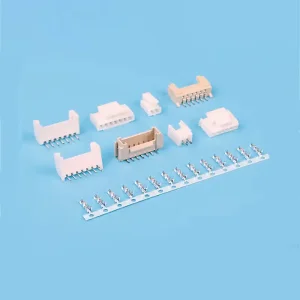
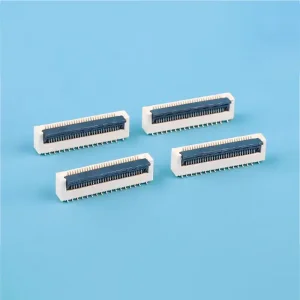
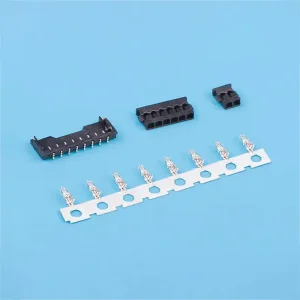
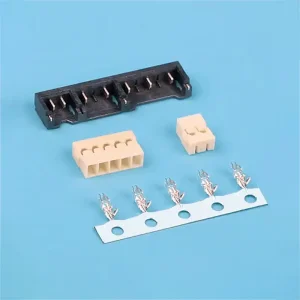
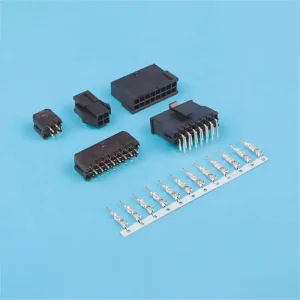
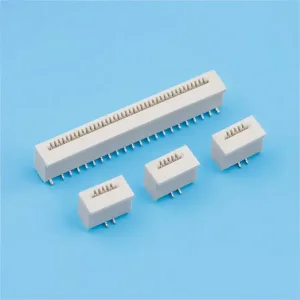
The technical requirements for battery connectors have evolved. While 3.0mm pitch connectors remain the standard for heavy-duty power supplies, the rise of wearable medical tech and foldable mobile devices has pushed the demand for 1.2mm and 1.5mm horizontal SMT (Surface Mount Technology) connectors. These components must withstand high mating cycles without degradation of the gold plating, which is why Zhejiang Wenda Electronics integrates precision injection molding and high-speed punching into its core workflow to meet these stringent Nagoya-level standards.