 Wenda Electronics
Wenda Electronics
Wenda Electronics
Explore Wenda’s flagship surface-mount flexible printed circuit connectors engineered for signal integrity, minimal board-space utilization, and automated placement efficiency.
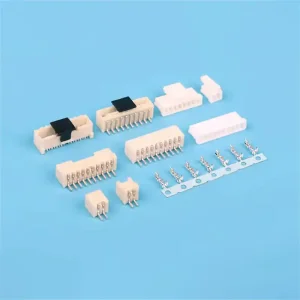
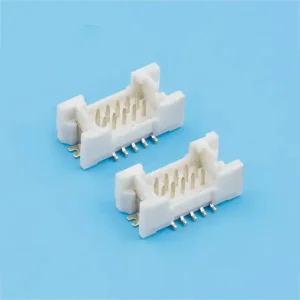
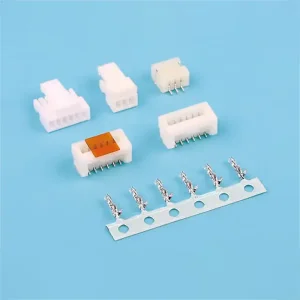
An authoritative analysis of flexible circuit interconnects, market expansion vectors, and architectural scaling challenges.
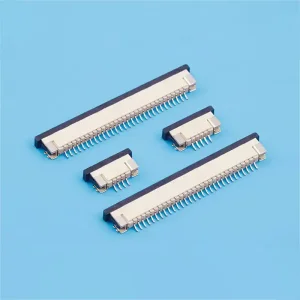
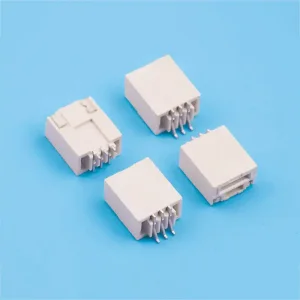
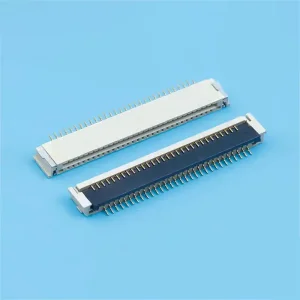
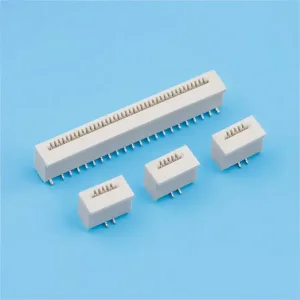
Modern micro-electronics demand high signal density in shrinking form factors. Flexible Printed Circuits (FPC) combined with advanced Surface Mount Technology (SMT) serve as the backbone for high-frequency transmission in thin devices. Engineering pitches down to 0.5mm and 0.3mm with low-profile heights (1.0H to 2.7mm) enables spatial configuration flexibility that rigid wire-to-board systems cannot support.
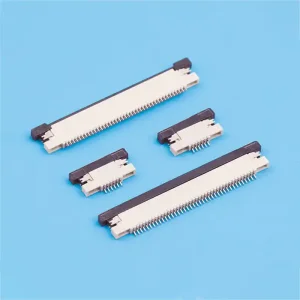
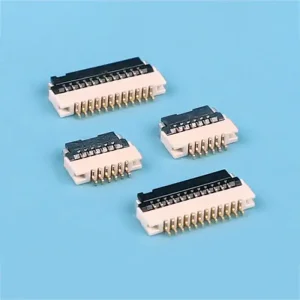
Zero Insertion Force (ZIF) and Low Insertion Force (LIF) locks guarantee consistent normal force connection. Mechanisms such as flip-locks, back-flip levers, slide-locks, and push-pull drawer variants isolate the flat flexible cable (FFC) from physical extraction. By engineering contact points with double-sided, top, or bottom contact interfaces, we secure electrical continuity against thermal cycle expansion.
Operating in environments crowded with EMI emissions (e.g., ADAS systems, industrial robots, medical scanners), FPC connectors must deliver lossless signal transmissions. Precision selective gold-plating shields the contacts against oxidation, maintaining low insertion loss and high impedance control. Wenda connectors exhibit minimal contact resistance and maximum return loss parameters.
Established in March 2007, Zhejiang Wenda Electronics Co., Ltd. has developed into a leading high-density precision joint-stock electronic connector manufacturer. Our facilities are located at the southern foot of the beautiful Yandang Mountain within the Yueqing Bay Lingang Economic Development Zone, Yueqing City, Zhejiang Province.
Positioned seamlessly next to the 104 National Highway and the Ningbo-Taiwan-Wenzhou Expressway, our factory sits just 50 kilometers from Wenzhou Airport and Railway Station, and is only 50 meters away from the Wenzhou Light Rail Line S2. Our prime logistics hub ensures efficient domestic and global supply chain execution.
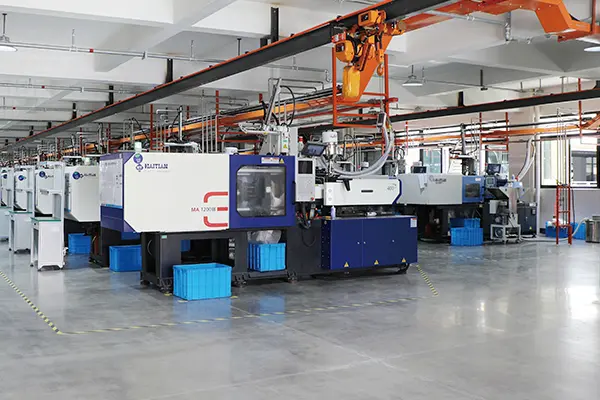
With more than 500 highly trained employees, a factory floor area exceeding 10,000 square meters, and a total construction area of over 25,000 square meters, Wenda seamlessly integrates the complete lifecycle of product research, advanced structural development, precision tool manufacturing, high-speed stamping, injection molding, and comprehensive market deployment.
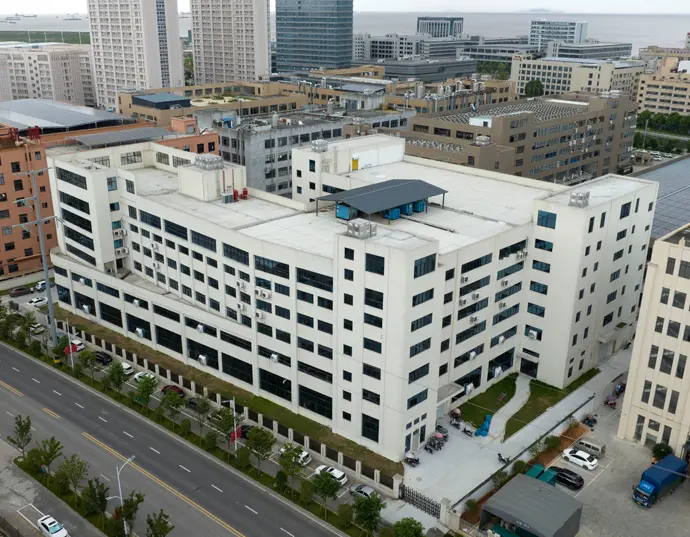
Our commitment to defect-free component manufacturing is backed by deep capital investments in Japanese, German, and domestic high-speed automated equipment.
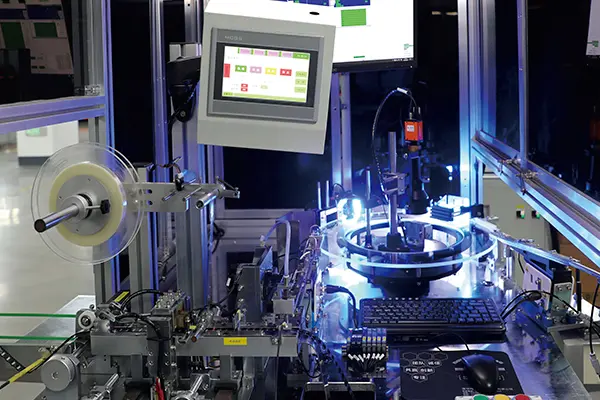
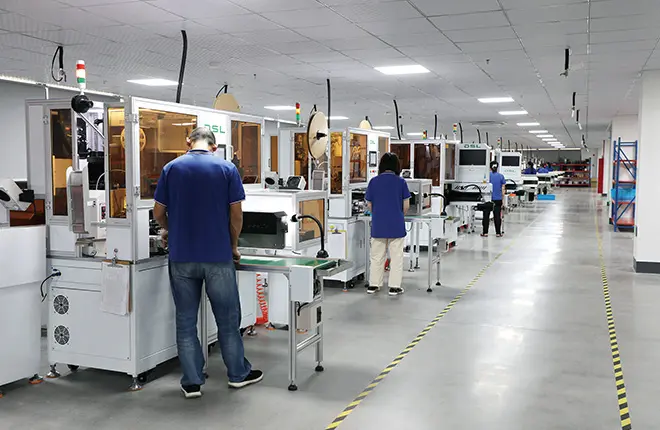
To ensure consistent physical coplanarity and plating tolerances, Wenda runs high-speed precision punching machines, state-of-the-art precision injection molding machinery, and fully automatic integrated assembly lines. Additionally, we operate automated multi-functional computer wire stripping systems, wire harness terminal engines, FFC-automatic laminating production lines, and high-resolution CCD automated detection and packaging devices.
Our Quality Assurance testing suite features over 500 equipment installations, including:
Aligning with rigorous aerospace, automotive, and industrial environmental frameworks.
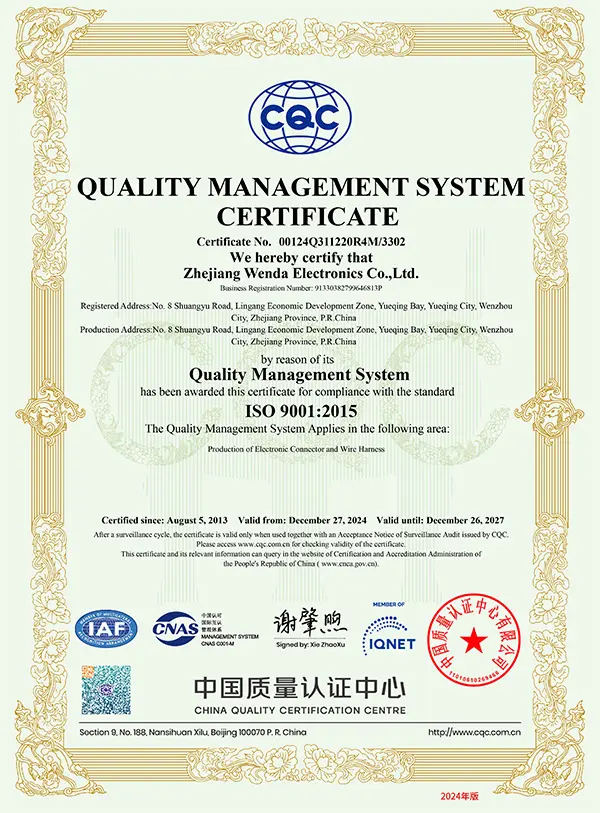
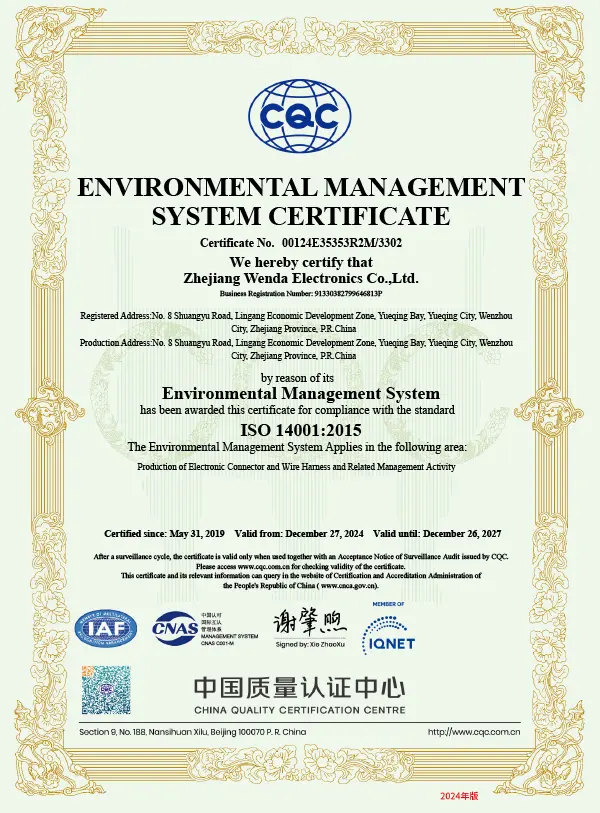
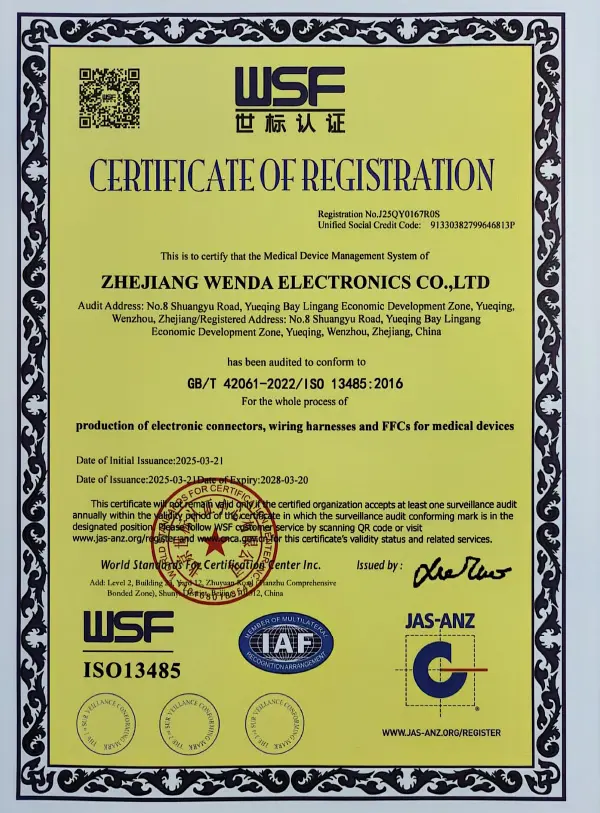
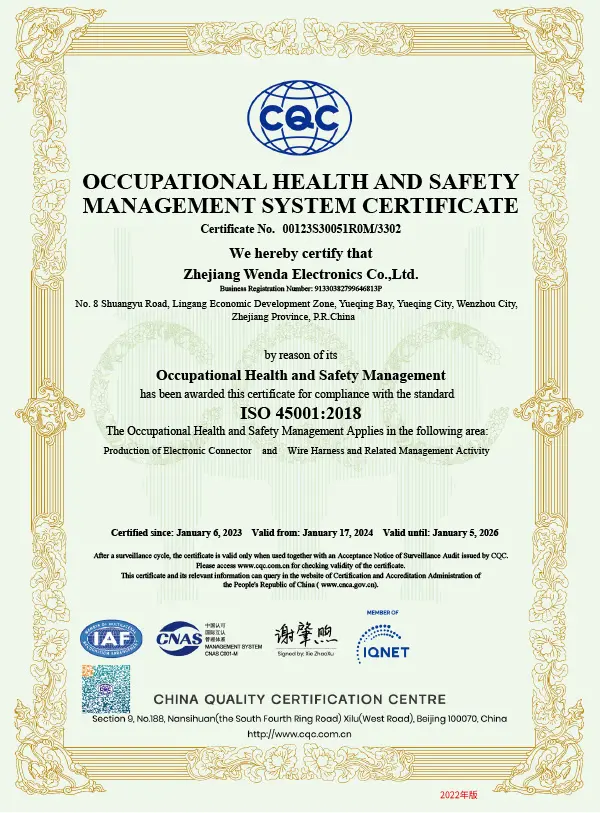
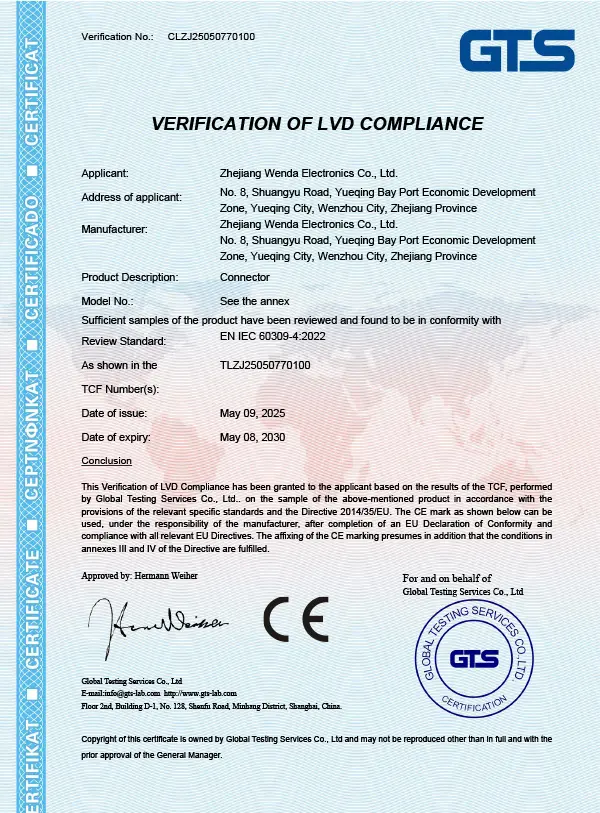
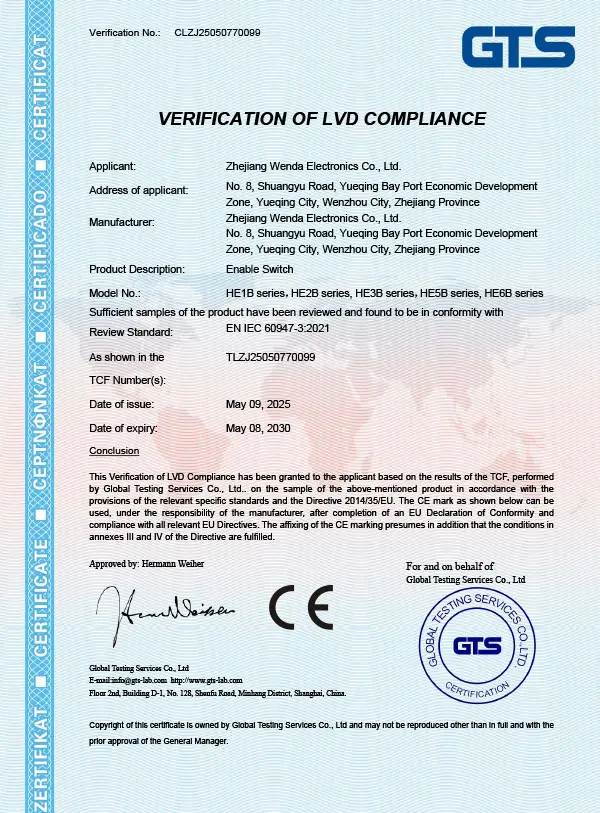
To guarantee stable supply partnerships with multinational tier-1 purchasing teams, Wenda Electronics operates strictly within verified international systems: ISO9001:2015 (Quality Management), ISO14001:2015 (Environmental Management), ISO45001:2018 (Occupational Health and Safety), IATF16949:2016 (Automotive Quality Management Standard), and QC080000:2017 (Hazardous Substances Process Management System). Our components hold UL, CQC, and CE approvals.
Wenda’s high-precision FPC SMT connectors act as central transmission carriers in mission-critical applications.
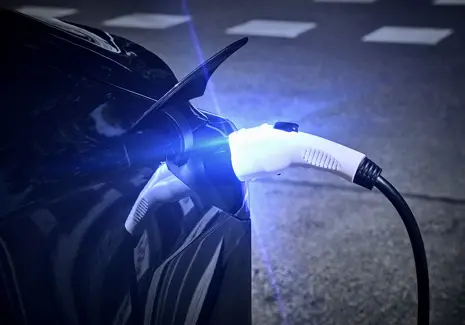
Connectors are comprehensive carriers of "power transmission + safety protection + intelligent interaction + mechanical adaptation" in new energy chargers, and their performance directly affects charging efficiency, safety, compatibility and user experience. As new energy vehicles develop towards higher voltages (such as 800V platforms) and higher power (such as 480kW ultra-fast charging), connectors are upgrading towards high current carrying capacity, high temperature resistance, miniaturization and intelligence, becoming one of the key links in the breakthrough of new energy charging technology.
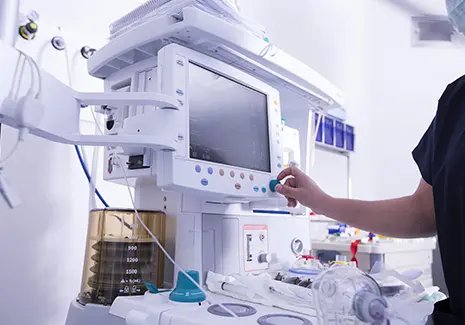
Connectors in medical equipment are "precise carriers for signal transmission", "reliable interfaces for power supply", and "safety valves for fluid control". Their performance directly affects diagnostic accuracy, treatment safety, and the efficiency of medical processes. With the development of medical technology towards minimally invasive and intelligent (such as telemedicine devices and wearable monitoring devices), connectors are upgrading towards miniaturization, high integration, asepsis and intelligence (such as built-in chips for accessory identity recognition), becoming an important support for the innovation of medical equipment.

Connectors in mobile phones serve as the "collaborative link for internal components" and the "functional interface for external interaction". Their design directly affects the phone's battery life (charging efficiency), data transmission speed, functional expandability and durability. With the development of mobile phone technology, connectors are also upgrading towards miniaturization (saving internal space), high integration (such as USB-C unified charging/data/video interfaces), and high reliability (withstanding high temperatures during fast charging and mechanical stress of foldable screens), becoming an important support for the improvement of mobile phone performance.
Why Tier-1 global procurement departments choose Zhejiang’s electronics cluster for high-volume SMT manufacturing.
Yueqing City in Zhejiang Province is recognized worldwide as the absolute epicenter of precision connector manufacturing. This close clustering provides an integrated manufacturing loop encompassing raw copper suppliers, plastic compound chemical plants, tool-and-die heat treatment units, and logistics networks. At Wenda Electronics, this allows us to drastically reduce material transportation delays and intermediate margins, passing these direct savings back to global buyers.
Furthermore, our factory features highly automated production workflows. Utilizing advanced mechanical automation for high-speed stamping and precise plastic injection molding ensures that tool changes are executed in hours rather than days. This translates to incredibly agile customization cycles, allowing custom pin arrays, specific heights, and tailored lock mechanics to transition from CAD designs to working samples within 7-10 days.
By leveraging local supply chains, Wenda delivers high-density FPC connectors with up to 30% cost savings compared to North American or European manufacturing hubs, without compromising on materials, certifications, or dimensional stability.
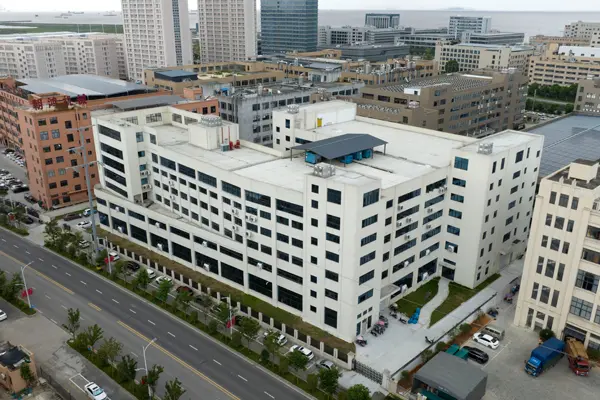
Precision execution at every step, managed by experienced engineers and certified operators.
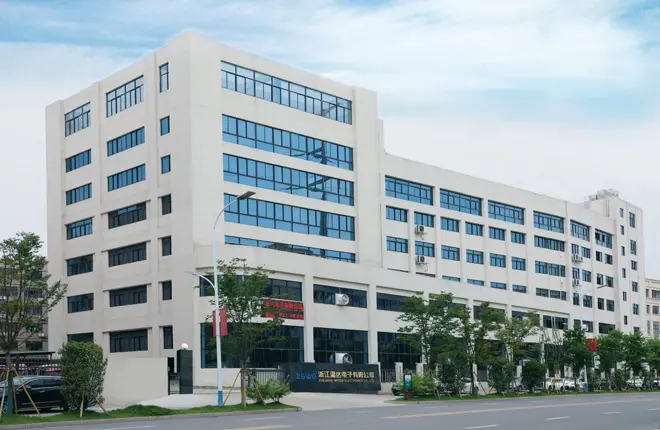
Skilled assembly personnel undergo strict standard operating procedure (SOP) training to verify perfect component fit.
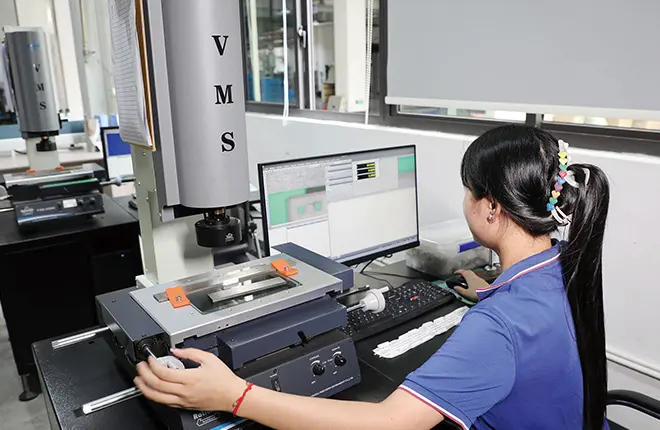
Fully integrated production assets reduce human error tolerances to near zero, maintaining perfect physical coplanarity.
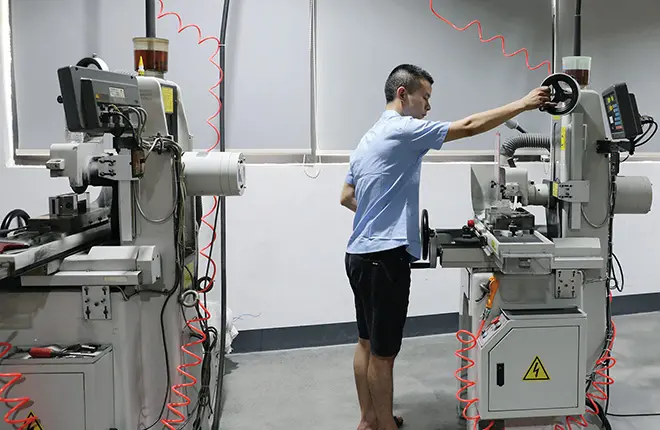
Our technical design laboratory consistently pushes pitch limits and locks to serve next-generation client hardware.
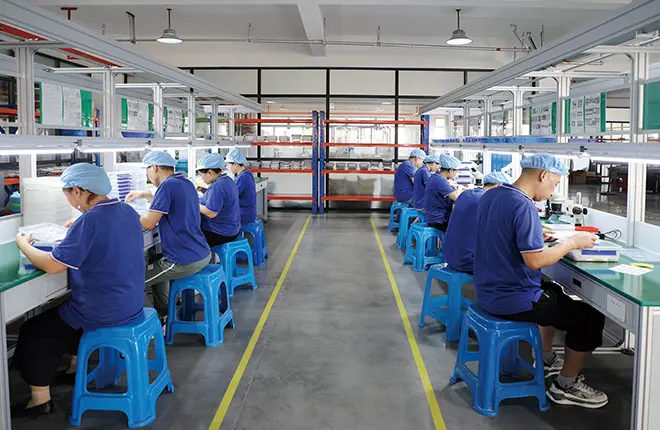
High-speed insertion lines rapidly populate FPC terminals, keeping pace with substantial global volume demands.
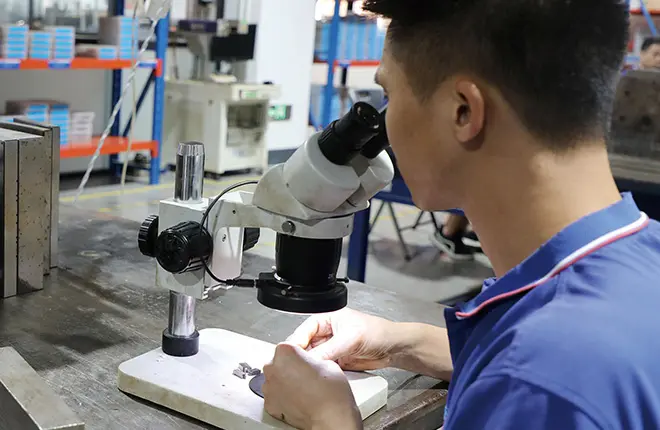
Every connector series is subjected to environmental stress testing prior to bulk logistics authorization.
Strategically structured protective packaging ensures products arrive with absolutely flat pins, ready for direct SMT lines.
Essential implementation advice for electronics manufacturing services (EMS) engineering teams.
Wenda’s FPC connectors use high-temperature Liquid Crystal Polymer (LCP) housings. For lead-free SAC305 reflow profiles, we advise a peak temperature of 260°C for a max duration of 10 seconds. Preheating should hover between 150°C and 200°C for 60 to 120 seconds to prevent localized thermal warping of the thin plastic housings.
Pin coplanarity is maintained at a strict limit of 0.08mm. Stencil apertures should be calculated carefully to ensure proper solder volume without bridging. Laser-cut stencils with a thickness of 0.1mm to 0.12mm are recommended, featuring slightly reduced aperture widths (approx 10-15%) compared to the actual PCB pad geometries.
Low-profile horizontal SMT connectors feature pre-applied high-temperature polyimide Mylar tabs. This flat target surface is engineered for pick-and-place vacuum nozzles. This eliminates specialized mechanical tooling requirements and keeps standard tape-and-reel automation feeding continuously.
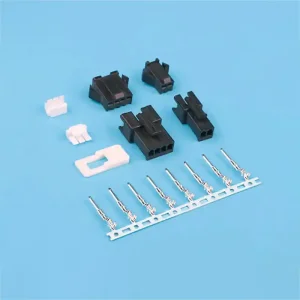
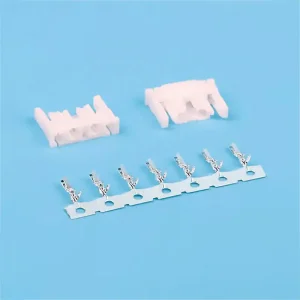
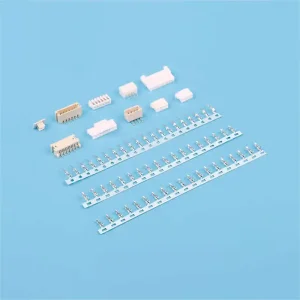
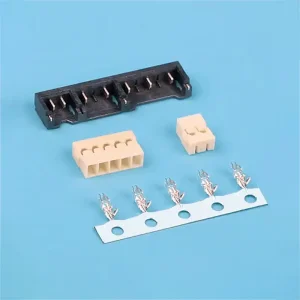
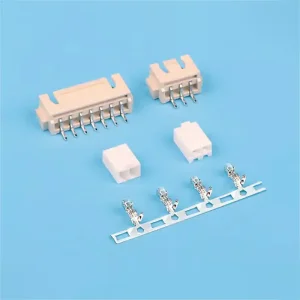
Integrating high-current crimps, high-durability flat cables, and standardized board interfaces.
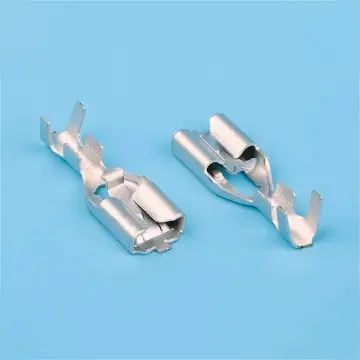

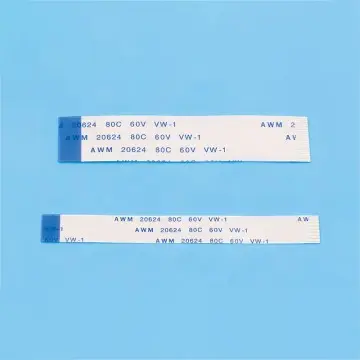
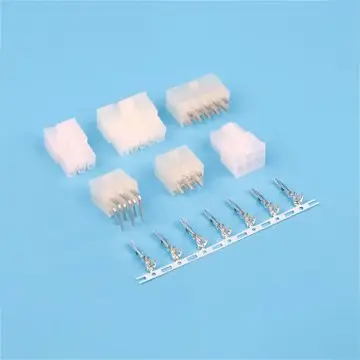
A closer look at Wenda's production floor and precision QC environment.
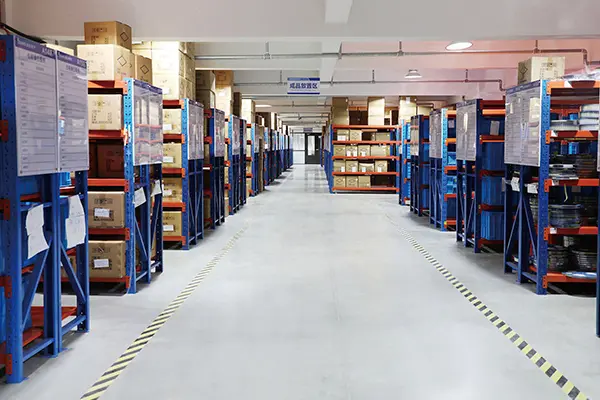
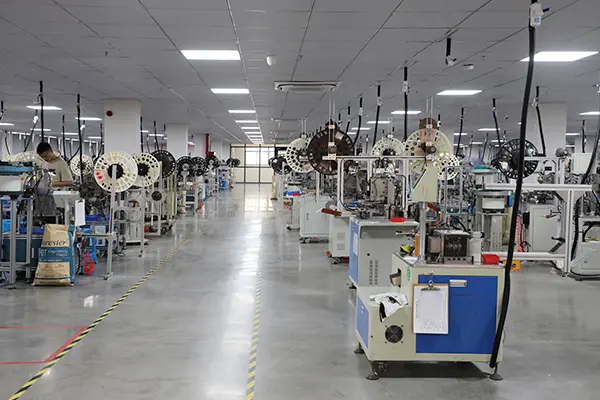
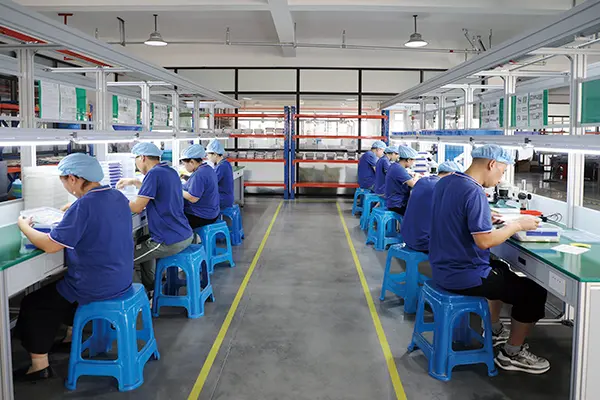
Get professional answers from Wenda's chief application engineers to optimize your SMT designs and procurement workflows.
Zero Insertion Force (ZIF) connectors feature a movable cover or locking slide (such as a flip-lock, back-flip, or slider mechanism) that holds the flat cable in place. When the locking slider is open, the flexible printed circuit is inserted with absolutely no friction on the contact plating, eliminating structural wear during installation. Conversely, Low Insertion Force (LIF) connectors do not include an active mechanical actuator; they rely on physical friction and contact normal force to hold the flat cable. ZIF configurations are highly recommended for applications subject to high-vibration stresses (like automotive dashboard modules or EV charging arrays) as they prevent contact pull-outs.
Coplanarity refers to the maximum vertical height deviation between the lowest contact pin and the highest contact pin when resting on a flat plane. Maintaining a coplanarity threshold under 0.08mm is essential to prevent dry solder joints and ensure high yields during SMT reflow. Wenda Electronics guarantees this through in-line high-resolution CCD vision systems and precision contact styling in our tooling dies. Additionally, we use protective thermoformed tape-and-reel packaging (embossed carrier tape conforming to EIA-481 standards) to protect the pins from physical deformation during international transport.
Base metals like Phosphor Bronze are prone to rapid oxidation when exposed to humidity and high temperatures. Gold plating offers excellent conductivity and oxidation resistance. Selective gold plating ensures that the contact mating interfaces feature a durable gold layer (typically ranging from flash gold up to 15u" depending on custom requirements) to endure multiple insertion cycles without wearing down, while the SMT solder tails are plated with tin to ensure optimal solder wetting on the PCB.
We exclusively employ highly advanced engineering thermoplastics, primarily Liquid Crystal Polymer (LCP) and high-temperature Nylon (PA9T / PA6T), reinforced with glass fiber fill. These materials maintain structural rigidity, exhibit very low moisture absorption, and have a high heat deflection temperature exceeding 280°C. This ensures that the connector housing maintains its dimensions during lead-free SMT reflow soldering without warping, swelling, or cracking.
Wenda operates a certified IATF16949:2016 management framework. For automotive applications, we perform a strict Failure Mode and Effects Analysis (FMEA), maintain full raw material traceability, and provide comprehensive Production Part Approval Process (PPAP) Level 3 documentation. Our automotive SMT connectors are designed to meet demanding temperature profiles and physical pull-out limits, ensuring long-term reliability in vehicle light bars, instrument clusters, and battery management systems.
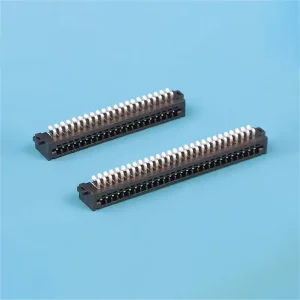
Browse our selection of versatile board-to-board interfaces, heavy-duty headers, and locking housings to round out your system architecture.