 Wenda Electronics
Wenda Electronics
Wenda Electronics
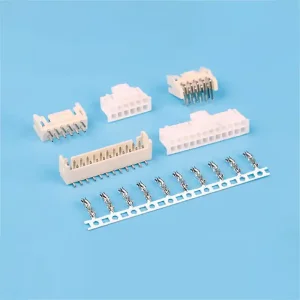
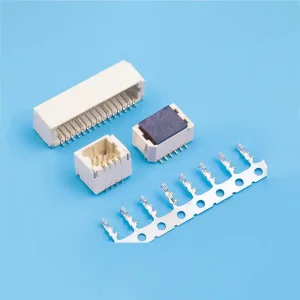
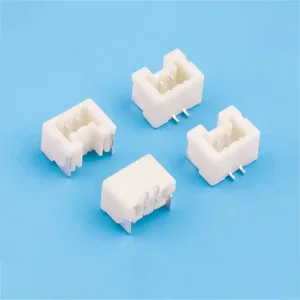
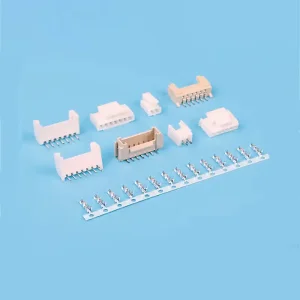
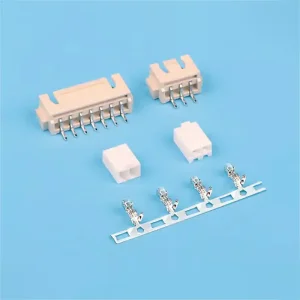
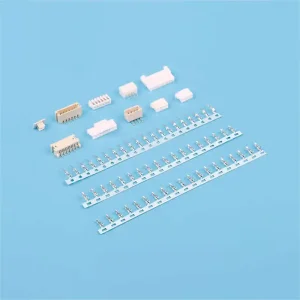
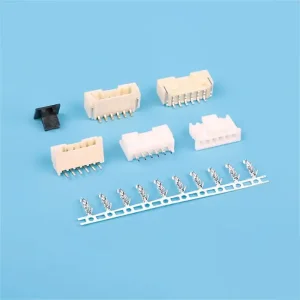
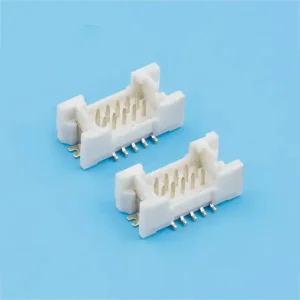
In the era of 5G, AI-driven hardware, and electric vehicle (EV) evolution, the demand for high-density interconnect systems has reached an all-time high. Dual-row Surface Mount Technology (SMT) connector housings are the cornerstone of modern PCB design, offering a unique balance between space-saving footprints and high pin-count reliability. This white paper explores the technical nuances, market drivers, and manufacturing excellence behind these critical components.
As devices become thinner and more integrated, the move from through-hole to SMT is non-negotiable. Dual-row configurations double the signal density compared to single-row equivalents without increasing the PCB's X-Y dimensions significantly. This is vital for smartphones, wearables, and medical diagnostics.
Modern dual-row SMT housings are designed with controlled impedance and crosstalk mitigation in mind. By optimizing the pitch (ranging from 0.5mm to 2.0mm), manufacturers ensure that high-speed data streams remain clean, a requirement for 4K video processing and real-time sensor data.
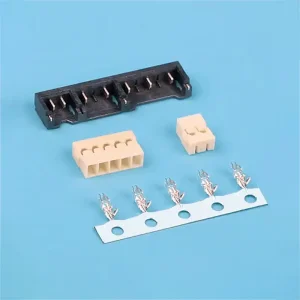
The automotive industry requires connectors that withstand extreme vibration and temperature cycles. SMT housings with integrated locking clips and high-temp LCP (Liquid Crystal Polymer) materials ensure connectivity remains stable in EV battery management systems (BMS) and ADAS modules.
Founded in March 2007, Zhejiang Wenda Electronics Co., Ltd. is a leading private joint-stock enterprise specializing in precision electronic connectors. Located in the Yueqing Bay Lingang Economic Development Zone, our facility spans 25,000 square meters and employs over 500 professionals.
Our capabilities integrate R&D, manufacturing, and global marketing. We specialize in precision injection molding, high-speed punching, and fully automated assembly lines, delivering high-performance solutions to industries ranging from consumer electronics to new energy vehicles.

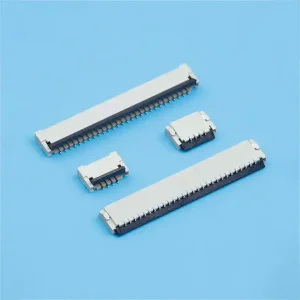
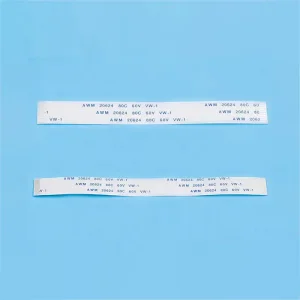
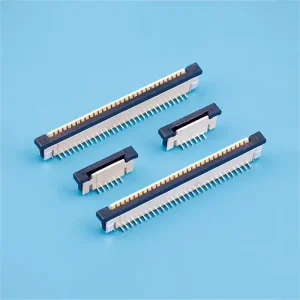
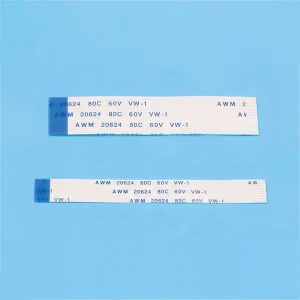
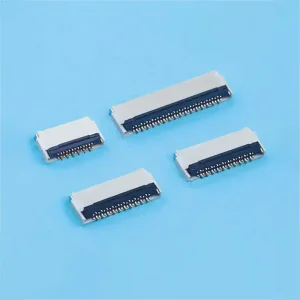
While 1.0mm and 2.0mm are current standards, the roadmap is shifting toward 0.3mm and ultra-slim 1.0H profiles. This requires advanced "Double-Row Bottom-Contact" designs and flip-lock mechanisms to ensure secure FPC/FFC mating in restricted spaces.
The transition to lead-free reflow soldering requires connector housings that can withstand 260°C+ temperatures. We are pioneering the use of Halogen-free, high-flow resins that provide superior structural integrity and flame retardancy (UL94V-0).
Future manufacturing relies on CCD fully automatic detection. Every dual-row SMT housing we produce undergoes automated optical inspection to ensure 100% coplanarity of pins, preventing "open joints" during the customer's SMT process.
Connectors are the "nervous system" of EVs. Our dual-row SMT solutions support high-voltage platforms (800V) and ultra-fast charging modules, ensuring efficiency and safety in harsh automotive environments.
From telemedicine devices to wearable monitors, our connectors provide the high-reliability signal transmission required for life-critical diagnostics. We focus on asepsis-compatible materials and miniaturized footprints.
Industry 4.0 demands robust board-to-board connectivity. Our locking-clip designs prevent accidental disconnection caused by industrial machinery vibration, supporting long-term operational uptime.
Wenda Electronics is committed to the highest global standards. Our certifications are not just badges; they are a promise of quality and safety.
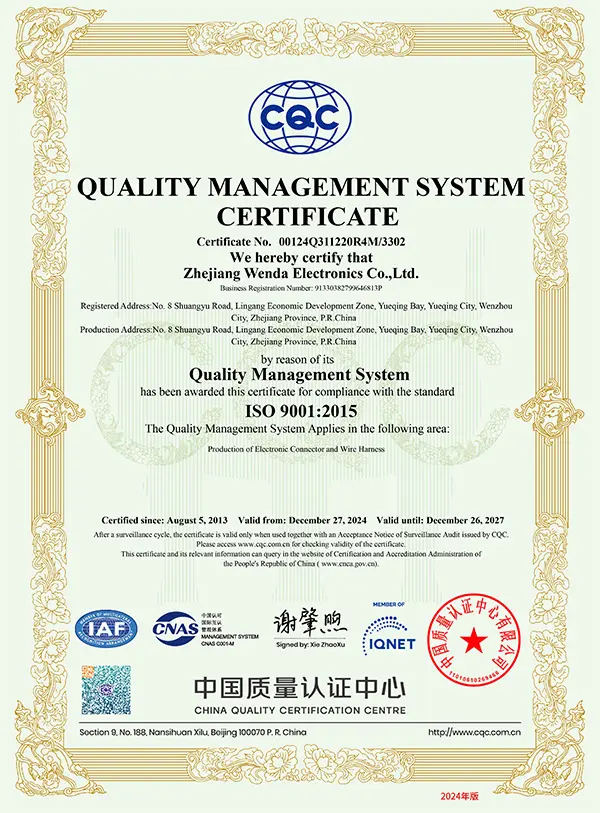
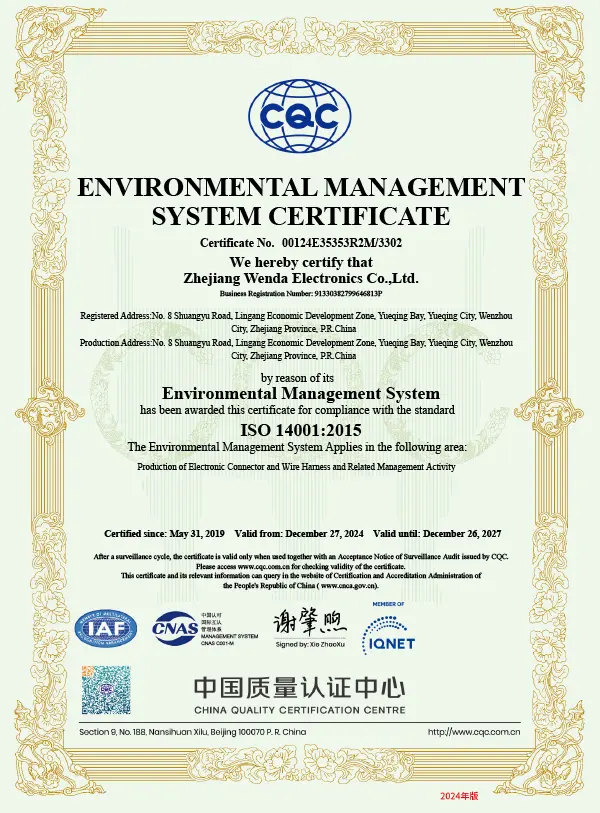
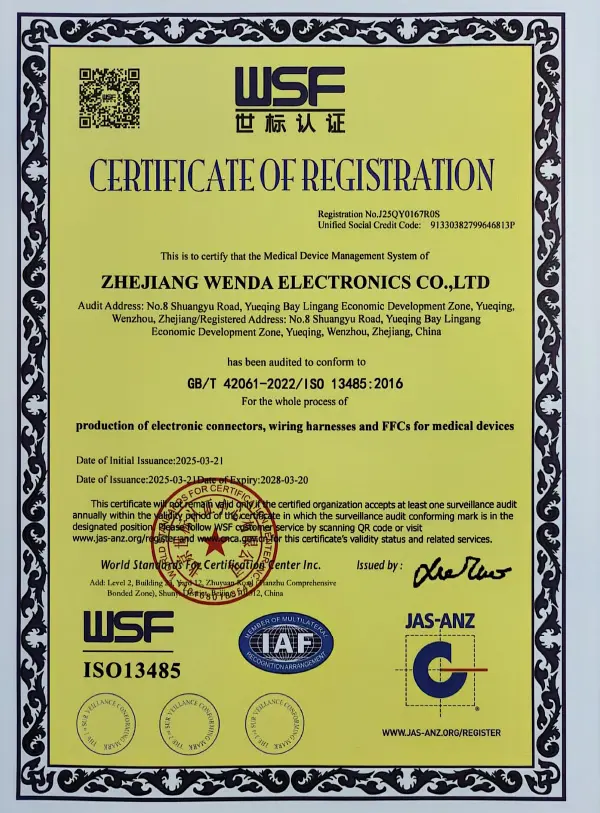
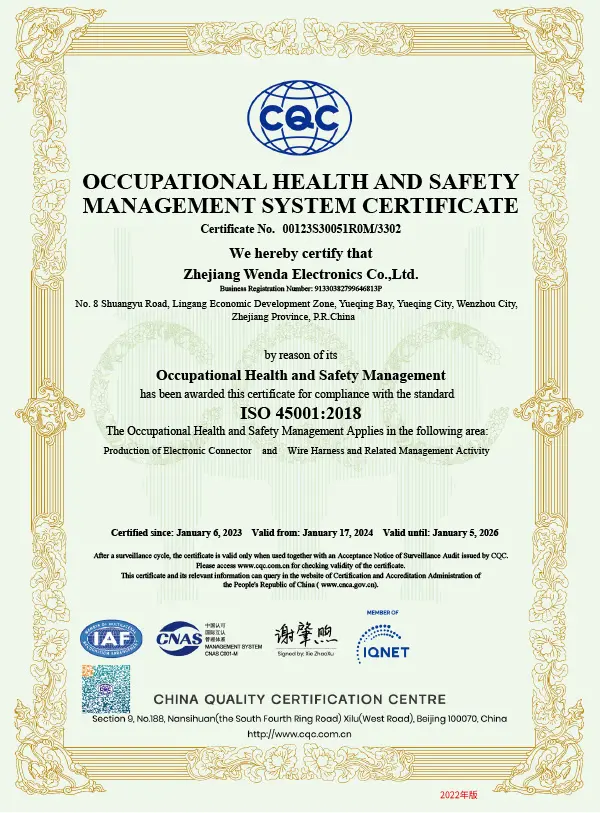
Certifications include: UL, CQC, CE, ISO9001:2015, IATF16949:2016, and RoHS Compliance.
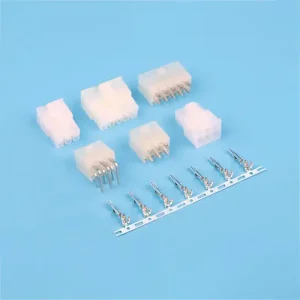
Dual-row connectors provide higher pin density (more I/Os) within a similar PCB footprint. This is essential for complex routing in high-performance electronics where space is at a premium.
We utilize high-precision CCD automated inspection systems that measure the height of every pin. This ensures that all pins touch the solder paste simultaneously during reflow, preventing weak or open solder joints.
Yes. We use high-performance engineering plastics like LCP and PA9T, which have heat deflection temperatures exceeding 260°C, making them ideal for modern lead-free SMT processes.
Absolutely. We provide comprehensive technical documentation, 3D CAD models, and rapid sampling. Our logistics network ensures efficient delivery to Europe, North America, and Southeast Asia with full compliance documentation.
The locking clip (or friction lock) provides tactile feedback during mating and significantly increases the retention force, preventing disconnection due to mechanical shock or high-vibration environments.