 Wenda Electronics
Wenda Electronics
Wenda Electronics
Explore our top-tier catalog of surface mount connectors and precision switches designed for robust signal transmission and physical feedback integration.
An authoritative breakdown of electromechanical specifications, material science, and performance dynamics for design engineers specifying tactile input interfaces.
Tactile button switches rely on a carefully engineered internal snap-action dome to deliver clear physical feedback (a mechanical "click") to the user. The click ratio, typically ranging between 40% to 60%, is calculated from the difference between the actuation force and contact force. Operating with minimal travel distances (commonly 0.25mm to 0.5mm), these micro-switches prevent accidental presses while optimizing response speed for precision user controls.
The durability of a tactile switch is directly linked to its material composition. The metal dome—the heart of the switch—is manufactured using premium stainless steel or copper alloys, often plated with gold or silver. Plating minimizes contact resistance (typically less than 100mΩ) and prevents oxidation over millions of cycles. High-temperature Liquid Crystal Polymer (LCP) or Nylon bases are used to withstand rigorous reflow soldering processes up to 260°C.
Standard tactile switches are rated for low currents, typically 50mA at 12V DC, making them perfect for digital logic circuits. To prevent electrical noise (chatter) during physical contact, bounce times are minimized to less than 10 milliseconds. Additionally, our dustproof and waterproof models feature integrated silicone seals, meeting IP67 and IP68 standards to ensure reliability in challenging environments.
How Zhejiang Wenda Electronics leverages regional supply chains, automated production systems, and strict cost controls to deliver high-performance electronic components globally.
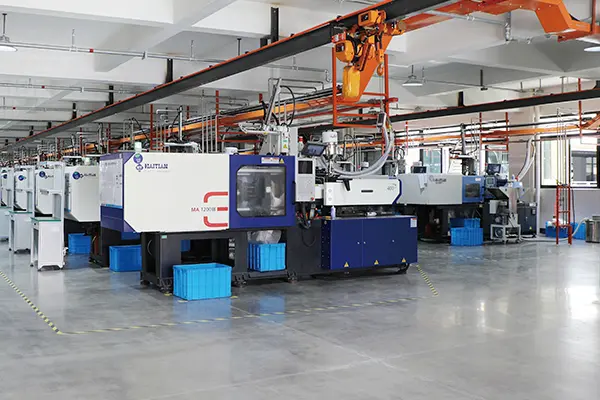
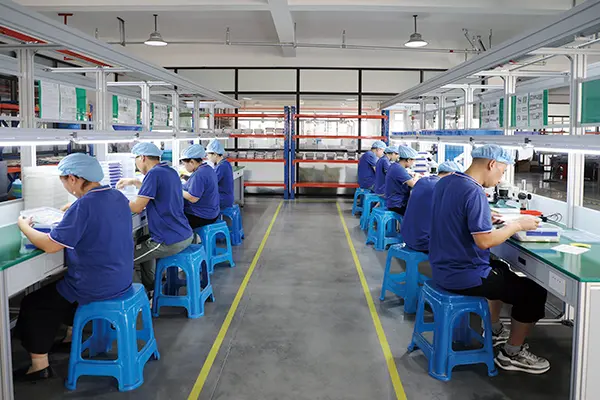
By using automated high-speed stamping presses and precision injection molding lines, we maintain dimensional tolerances within ±0.02mm. Automated production prevents the variability common with manual assembly, ensuring consistent actuation feel and electrical continuity across large wholesale runs.
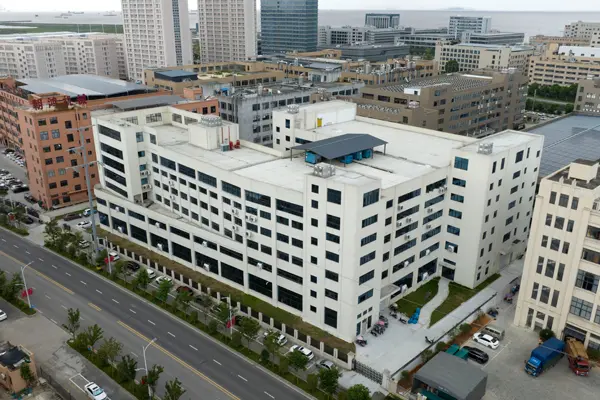
Located in the Lingang Economic Development Zone of Yueqing, Zhejiang—the electronics manufacturing capital of China—our factory has immediate access to certified copper alloys, specialty plastics, and high-purity plating chemicals. This direct access shortens production lead times and insulates clients from global supply chain volatility.
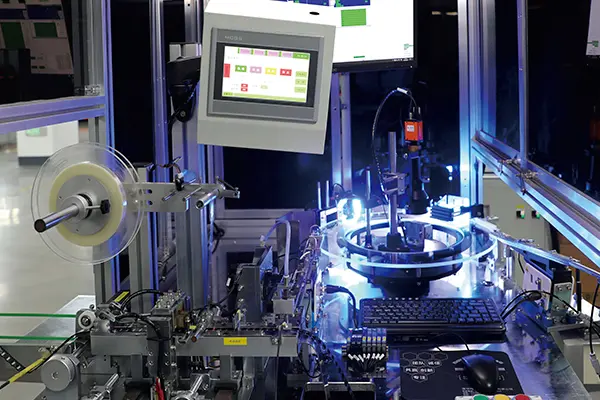
Every production batch undergoes automated optical inspection (AOI) alongside physical performance testing. We use micro-force curve testers to verify click feedback, contact resistance meters to confirm electrical integrity, and thermal chambers to simulate reflow conditions, ensuring all shipped parts are defect-free.
Zhejiang Wenda Electronics Co., Ltd. is a vertically integrated manufacturer of precision electronic connectors, new energy interfaces, and custom wiring harnesses.
Founded in March 2007, Zhejiang Wenda Electronics Co., Ltd. is located in the Lingang Economic Development Zone of Yueqing City, Zhejiang Province. Our facility spans over 10,000 square meters, with a total construction area exceeding 25,000 square meters. Positioned near key transportation hubs, including the Ningbo-Taiwan-Wenzhou Expressway, Wenzhou Airport, and Wenzhou Light Rail Line S2, we ensure efficient global shipping logistics.
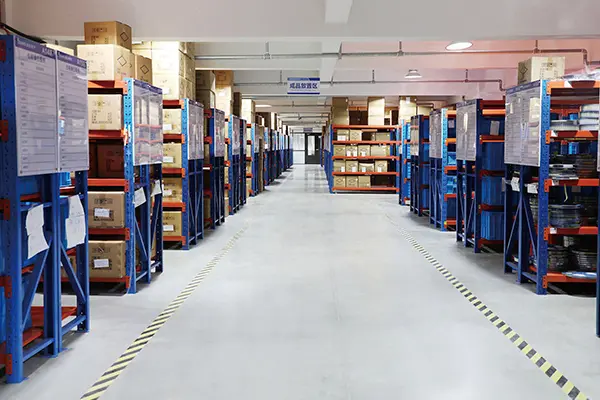
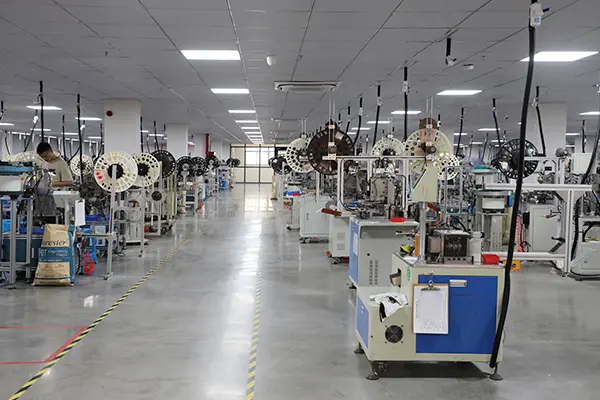
We operate a vertically integrated production ecosystem, managing everything from initial product R&D and precision tooling design to high-speed progressive metal stamping, plastic injection molding, and final automated assembly. Our advanced testing and production fleet features over 500 equipment sets, including computer-controlled wire strippers, FFC laminating lines, reflow ovens, and dedicated QA equipment like RoHS analyzers and two-dimensional optical measuring instruments.

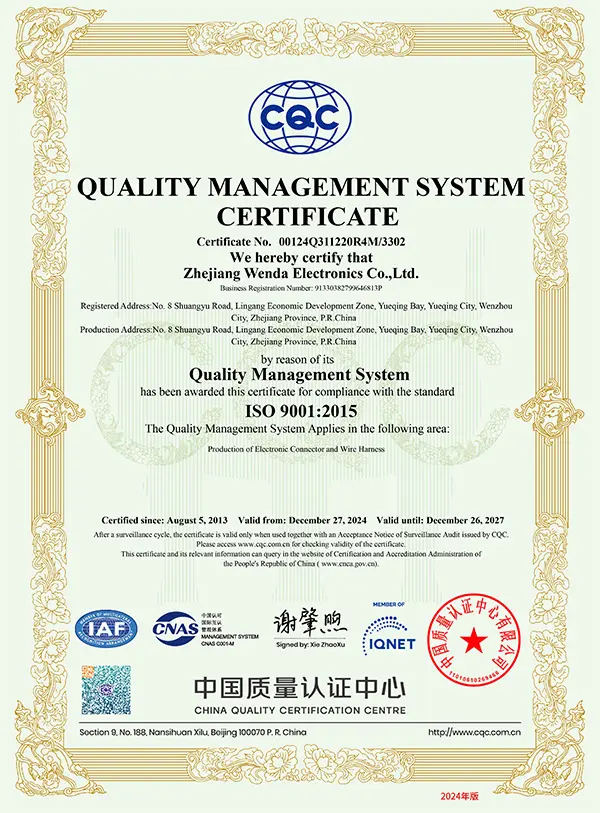
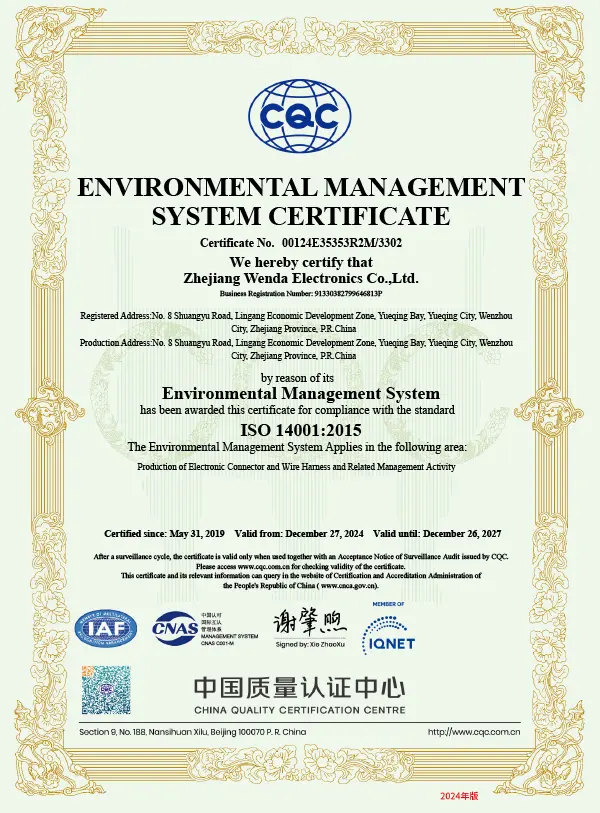
We hold key industry credentials to meet international safety and performance standards for automotive, medical, and consumer electronics applications.
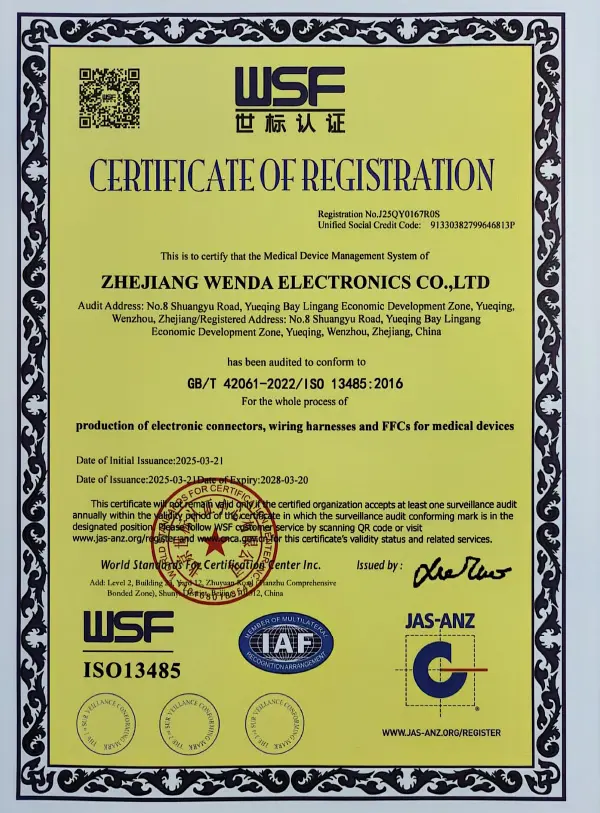
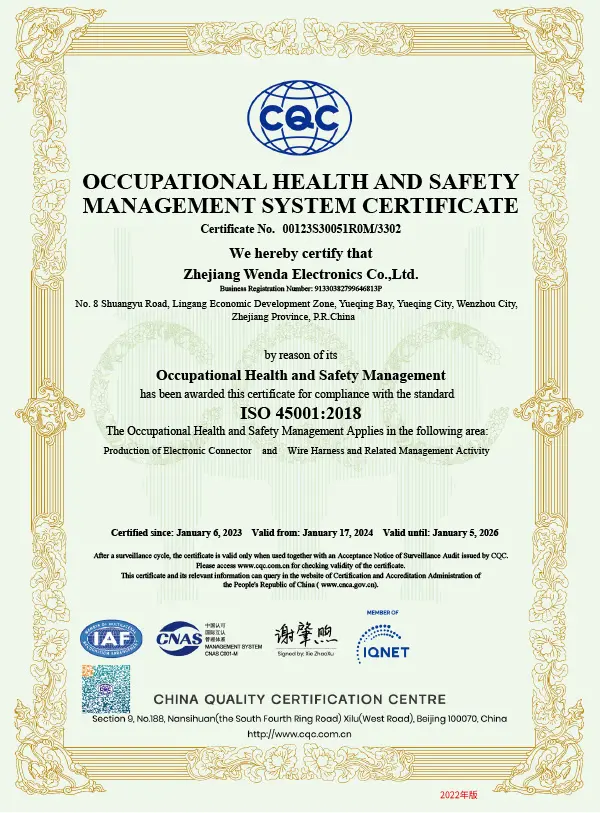
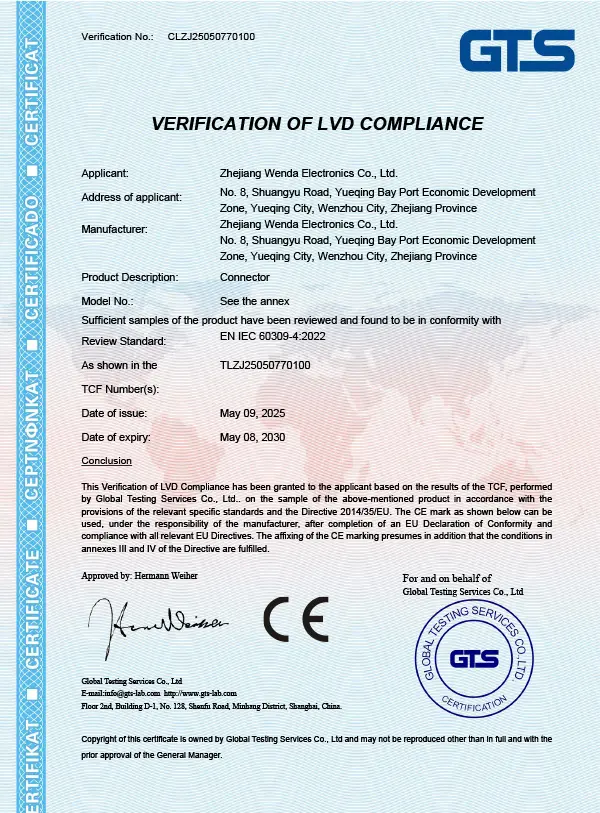
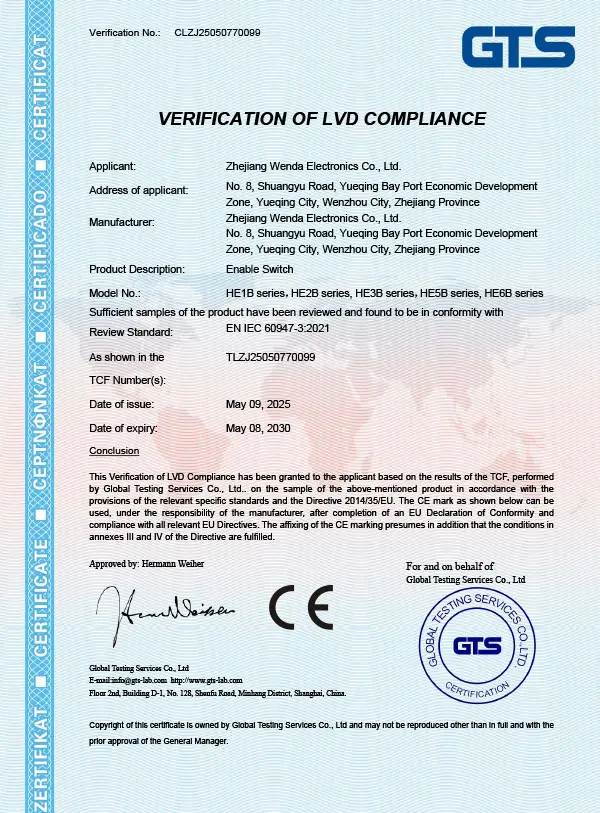
Our precision tactile buttons, board-to-board connectors, and custom wiring harness systems are used in diverse markets worldwide.
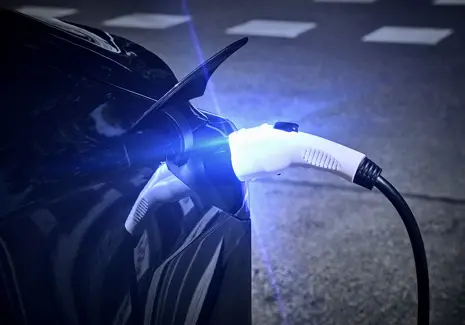
Connectors manage power transmission, safety protection, intelligent interaction, and mechanical routing in EV chargers and control boards. As new energy vehicles transition to high-voltage architectures (such as 800V platforms) and rapid charging, components must offer increased current handling, high temperature resistance, compact dimensions, and reliable vibration resistance.
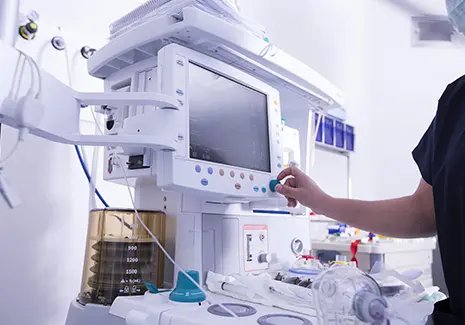
Medical connectors must deliver highly reliable signal transmission and robust power connections. With the growth of portable diagnostic equipment and wearable patient monitors, connectors and switches are moving toward ultra-miniature, sterilized, and high-density designs that resist chemical wipe-downs and mechanical wear.

Tactile inputs and FFC connectors link internal displays, battery modules, and button controls. High-performance smartphones, tablets, and smart home appliances require slim profile interfaces that withstand repetitive high-speed charging thermal cycles and daily physical wear.
A guide for sourcing directors and component engineers evaluating high-volume B2B suppliers.
Determine the proper operating force (e.g., 160gf for consumer electronics, 250gf or 320gf for rugged industrial interfaces) to match the specific ergonomics required for the product's interface.
Ensure tactile housings are molded from high-temperature polymers (such as LCP) that can withstand peak lead-free reflow temperatures of 260°C without warp or deformation.
Select nickel-under-gold or nickel-under-silver plating to prevent oxidation and maintain low contact resistance under high-humidity conditions over the component's operating life.
Verify that your manufacturing partner holds certified quality systems, such as IATF 16949 for automotive electronics, to ensure traceablity and consistent performance.
Industry experts answer common questions about design considerations, materials, and manufacturing processes.
Service life depends primarily on the fatigue limits of the metal dome and mechanical design tolerances. Standard tactile button switches use SUS301 stainless steel domes to achieve 100,000 to over 1,000,000 cycles. Travel distance and operating force also affect durability; shorter travel configurations reduce fatigue, extending long-term switch reliability.
Silver plating provides excellent electrical and thermal conductivity at a competitive cost, but it can tarnish in sulfurous or high-humidity environments. Gold plating offers superior oxidation and chemical resistance, maintaining low contact resistance in sensitive, low-current micro-circuits. We offer custom plating options to meet varying performance requirements.
IATF 16949 certification establishes strict process control protocols, reducing product defects through continuous quality testing. For consumer electronics, medical devices, and telecom hardware, sourcing from an IATF-certified factory ensures consistent component performance, clear manufacturing traceability, and reliable production across large orders.
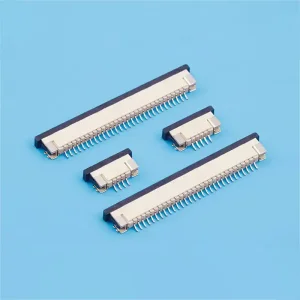
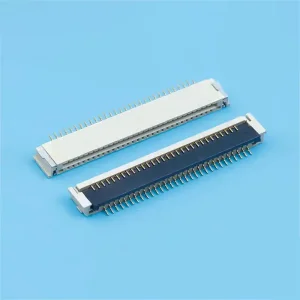
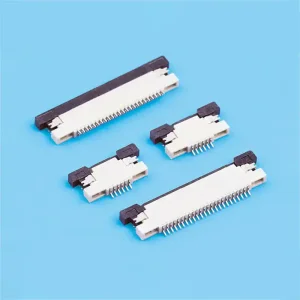
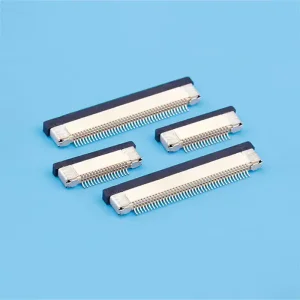
Key parameters include trace pitch (commonly 0.5mm, 1.0mm, or 1.25mm), mounting profile height, connector orientation (horizontal or vertical), locking mechanism type (ZIF/NON-ZIF drawer, push-pull, or flip locks), and pin contact plating. Matching these specs preserves signal speed and prevents cable slip or disconnection under stress.
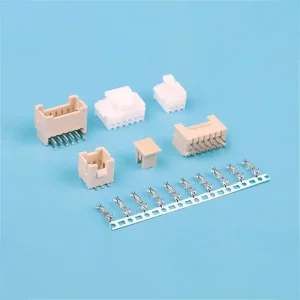
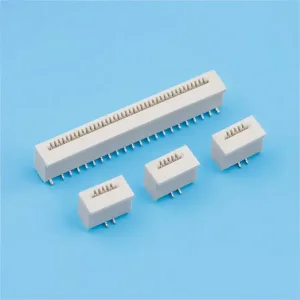
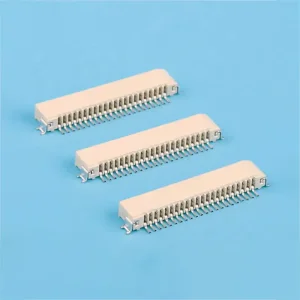
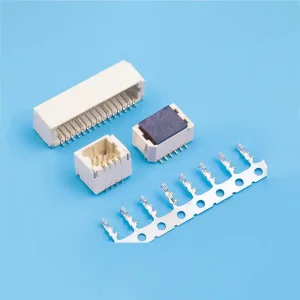
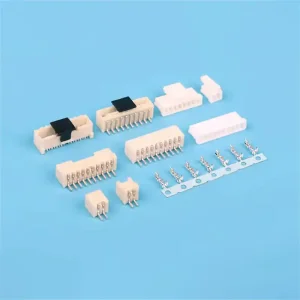
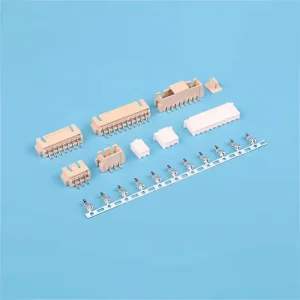
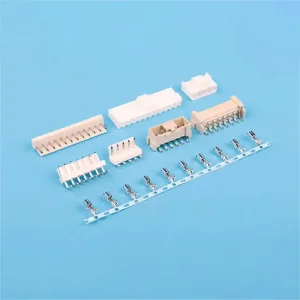
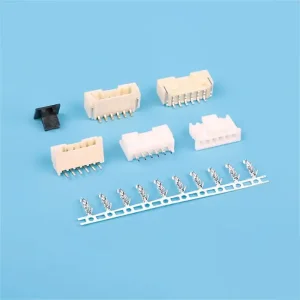
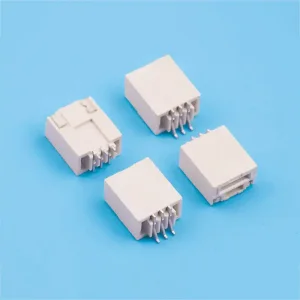
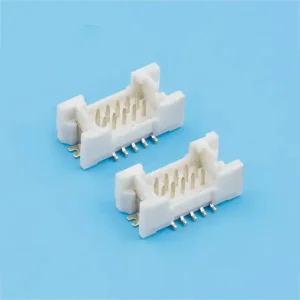
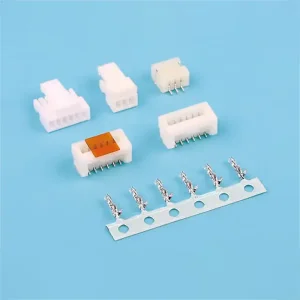
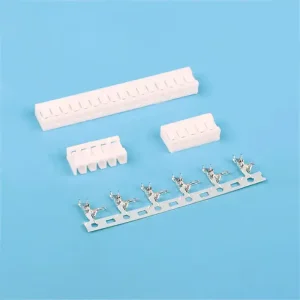
Complete list of our board-to-board SMT headers, high-density ribbon connectors, and wire terminals designed for demanding hardware systems.