 Wenda Electronics
Wenda Electronics
Wenda Electronics
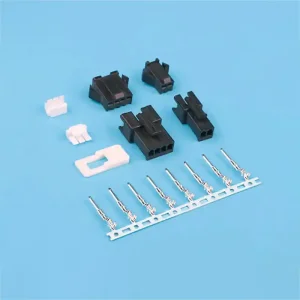
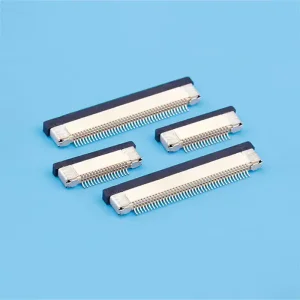
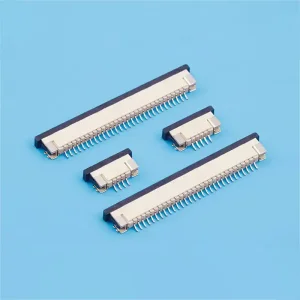
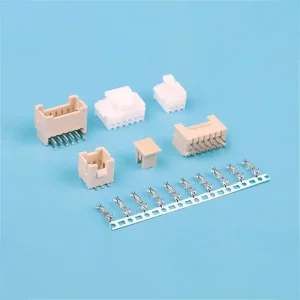
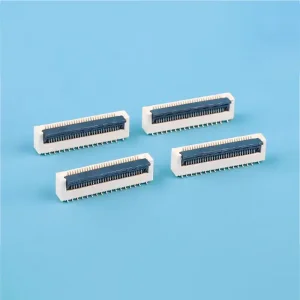
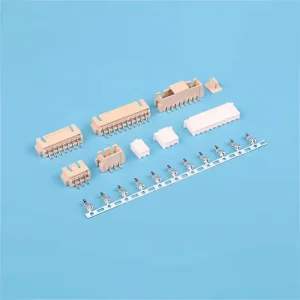
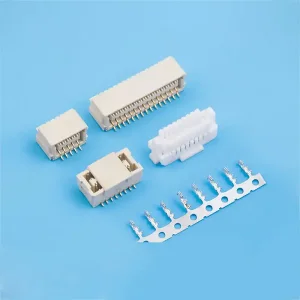
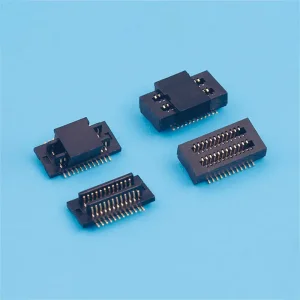
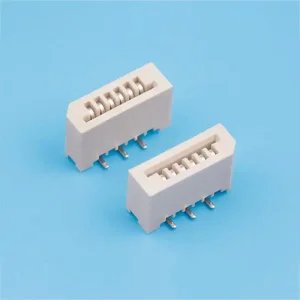
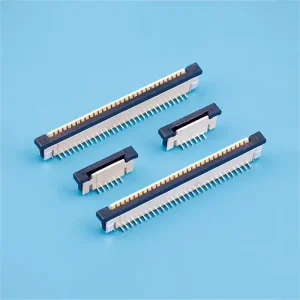
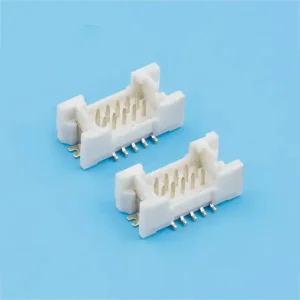
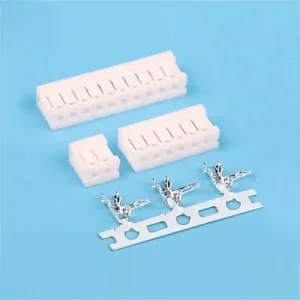
In the rapidly evolving landscape of electronic manufacturing, the Molex 78172 series (Pico-EZmate™) has long been a benchmark for ultra-low profile, 1.20mm pitch wire-to-board connections. However, as global supply chains face unprecedented volatility, Tier-1 and Tier-2 manufacturers are increasingly seeking high-quality alternatives that offer identical electrical performance, improved lead times, and localized technical support.
Zhejiang Wenda Electronics Co., Ltd. provides a sophisticated alternative ecosystem that matches the rigorous standards of the original 78172 series while introducing "Information Gain" through enhanced material science and automated quality control. Our 1.2mm pitch solutions are engineered for height-restricted applications, such as mobile handsets, LED modules, and wearable medical diagnostic tools.
Reduce dependency on single-source components. Our alternatives provide a dual-sourcing strategy that mitigates risks associated with geopolitical shifts or logistics bottlenecks.
With a 1.20mm pitch and ultra-low mated height, these connectors allow for extreme miniaturization in high-density PCB designs without sacrificing current-carrying capacity.
By optimizing manufacturing processes and leveraging large-scale production in Zhejiang, we offer a competitive TCO (Total Cost of Ownership) compared to traditional brands.
Connectors are comprehensive carriers of "power transmission + safety protection + intelligent interaction" in new energy platforms. Our Molex 78172 alternatives are utilized in battery management systems (BMS) and sensor arrays where space is a premium and vibration resistance is critical.
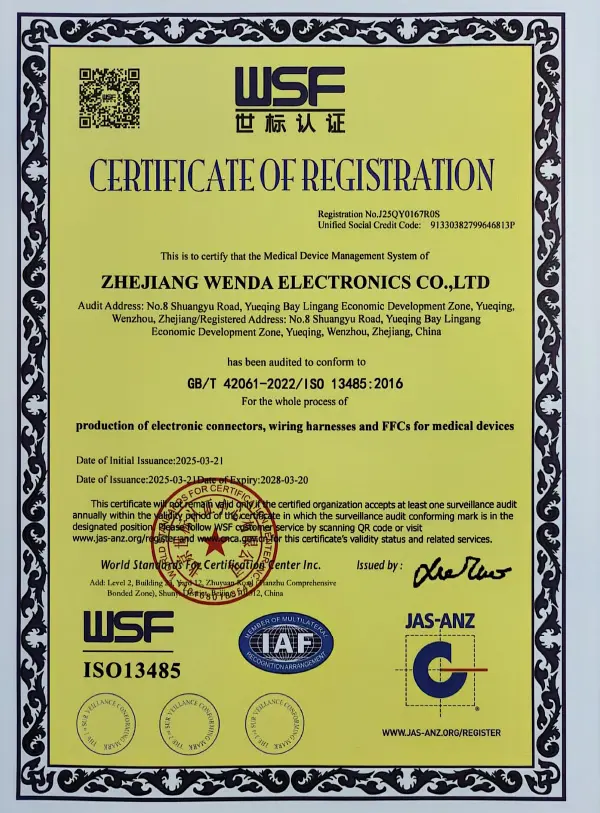
In medical equipment, connectors act as precise carriers for signal transmission. Our high-reliability interfaces are found in portable ultrasound machines and wearable monitoring devices, ensuring diagnostic accuracy through low contact resistance.
Mobile phones and tablets require internal components to be "collaborative links." Our 1.2mm pitch connectors support high-speed data and efficient power delivery within the shrinking internal volume of 5G-enabled devices.
Located at the southern foot of Yandang Mountain, Zhejiang Wenda Electronics Co., Ltd. has been at the forefront of precision connector engineering since 2007. Occupying a 25,000 square meter facility with over 500 skilled employees, we integrate R&D, manufacturing, and global marketing into a unified growth engine.
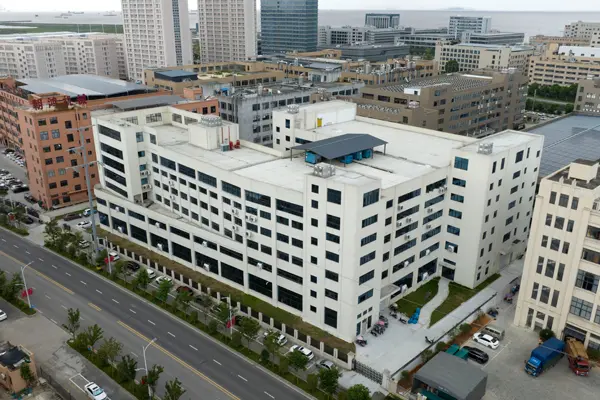
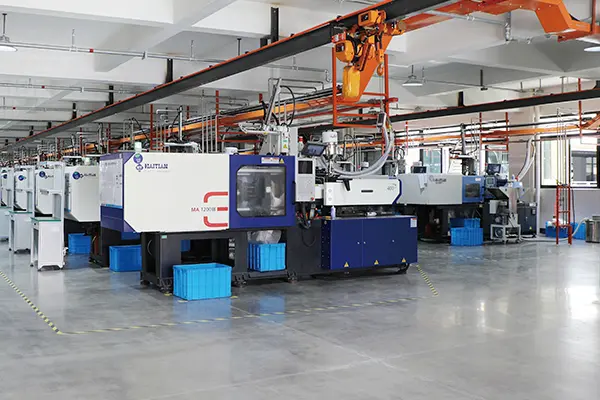
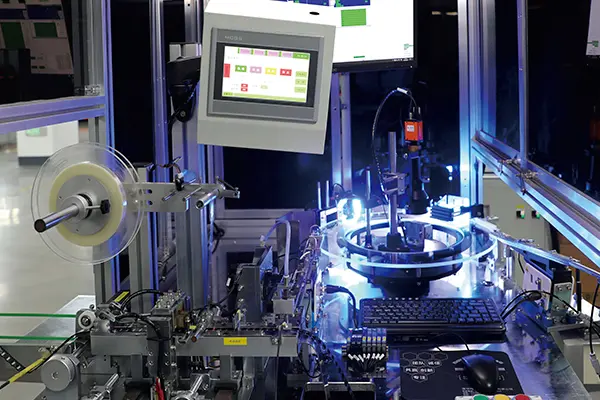
Quality is not just a goal; it's a verifiable standard. Our Molex 78172 alternatives undergo rigorous testing protocols including CCD fully automatic detection, ROHS testing, and film thickness analysis for gold/tin plating. To ensure zero-defect delivery, our factory utilizes high-speed precision punching machines and reflow soldering simulation.
We utilize high-temperature LCP (Liquid Crystal Polymer) for housings to withstand lead-free reflow soldering processes up to 260°C. Contacts are precision-stamped from phosphor bronze with customizable gold-flash or selective gold plating to ensure signal integrity over 30+ mating cycles.
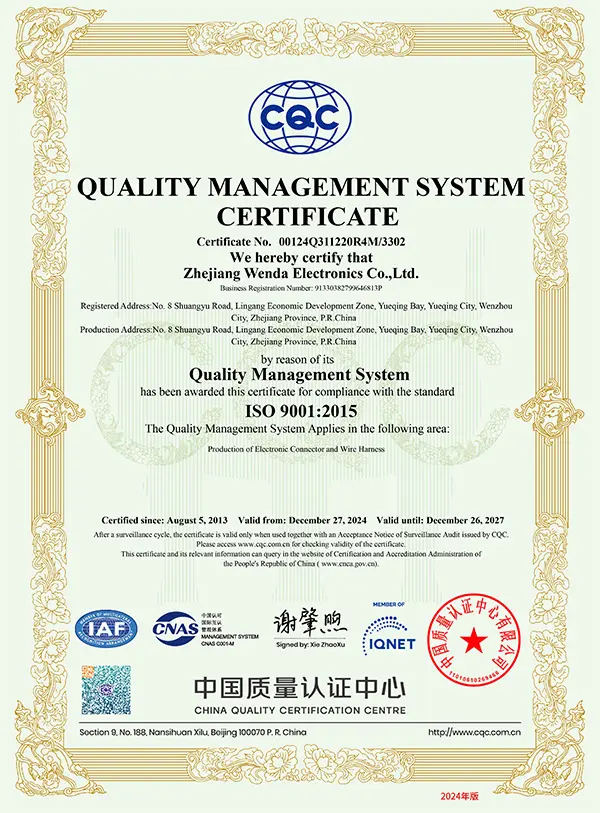
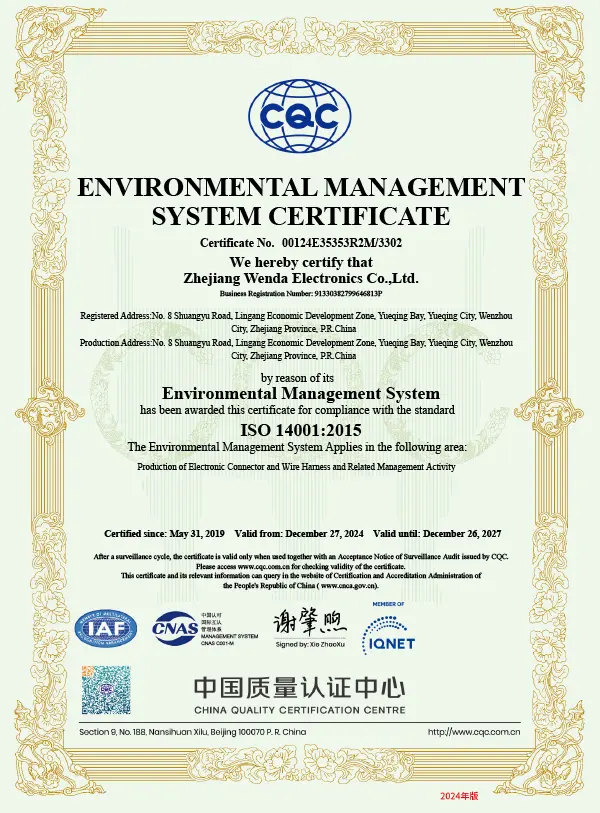
Our commitment to reliability is backed by ISO9001:2015, ISO14001:2015, and ISO45001:2018 certifications. Furthermore, our products carry UL, CQC, and CE marks, meeting the strict entry requirements of North American and European markets.
The roadmap for 1.2mm pitch systems involves integrating "Smart Interconnect" features—connectors with built-in EMI shielding and enhanced locking mechanisms for high-vibration industrial IoT environments.
Yes, our alternative series is designed with the same footprint, electrical specifications, and mating interface, allowing for a seamless "drop-in" replacement on existing PCB designs.
Typically, our lead times range from 2 to 4 weeks depending on the configuration and volume, which is significantly faster than the 16-24 week lead times often seen with major global brands during peak demand.
Absolutely. We provide comprehensive technical documentation, STEP files for CAD integration, and dedicated account managers to handle localized compliance requirements and logistics.
We use state-of-the-art film thickness detectors and salt spray testing to ensure that every terminal meets the specified plating thickness, preventing oxidation and maintaining low contact resistance over time.