 Wenda Electronics

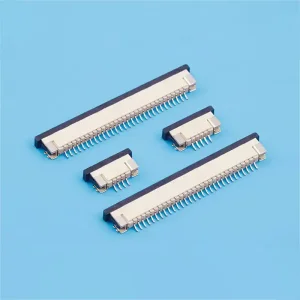
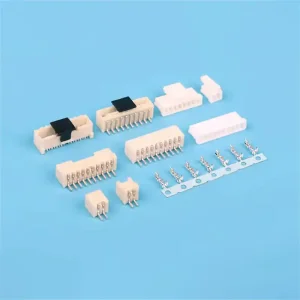
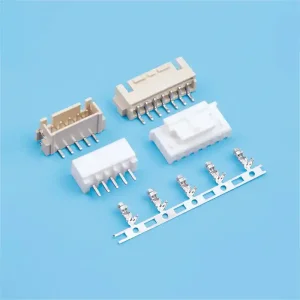
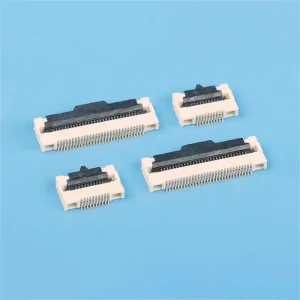
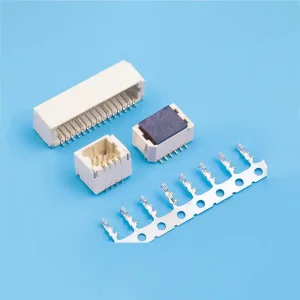
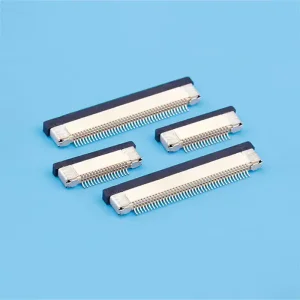
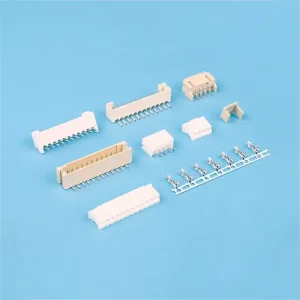
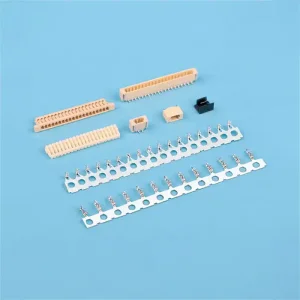
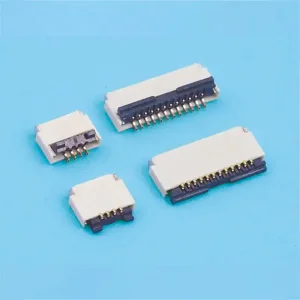
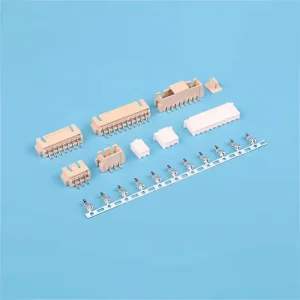
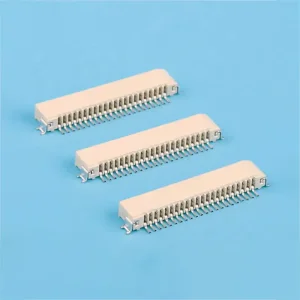
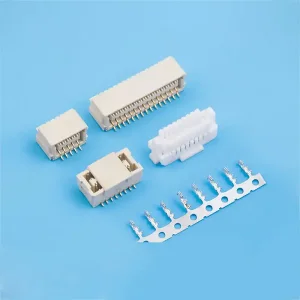
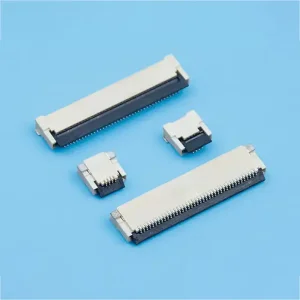
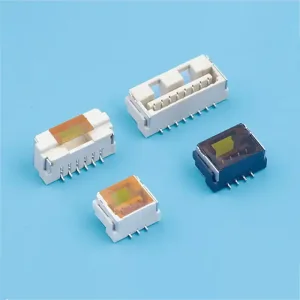
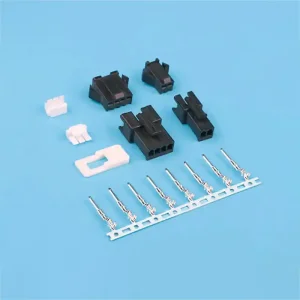
In the rapidly evolving landscape of electronic miniaturization, the 1.25mm SMT connector horizontal has emerged as a cornerstone for compact, high-performance designs. As global manufacturers shift toward "Thinner, Lighter, and Smarter" devices, the demand for precision-engineered interconnects has surged. This white paper explores the technical nuances, market trends, and supply chain dynamics driving the 1.25mm pitch standard.
1. The Evolution of Miniaturization: Why 1.25mm Pitch?
The transition from the traditional 2.54mm (0.1") pitch to the 1.25mm pitch represents a significant leap in circuit density. Horizontal SMT (Surface Mount Technology) versions are particularly critical because they allow for a low-profile PCB footprint, saving vertical space in slim devices like OLED displays, drone flight controllers, and medical diagnostic handhelds. The 1.25mm standard provides the ideal balance between mechanical robustness and space efficiency, offering higher contact density without the extreme fragility often associated with 0.5mm or 0.8mm pitches.
Global Trends
Automation and IoT are driving the need for reliable signal transmission in vibrating environments. Gold-plated 1.25mm connectors ensure long-term oxidation resistance.
Automotive Shift
With EV electronics requiring more internal sensors, the 1.25mm pitch horizontal mount is becoming the standard for internal cabin lighting and sensor arrays.
Medical Precision
Portable medical devices utilize these connectors for their high mating cycle reliability and compatibility with automated SMT assembly lines.
2. China Factory 4.0: Supply Chain Resilience
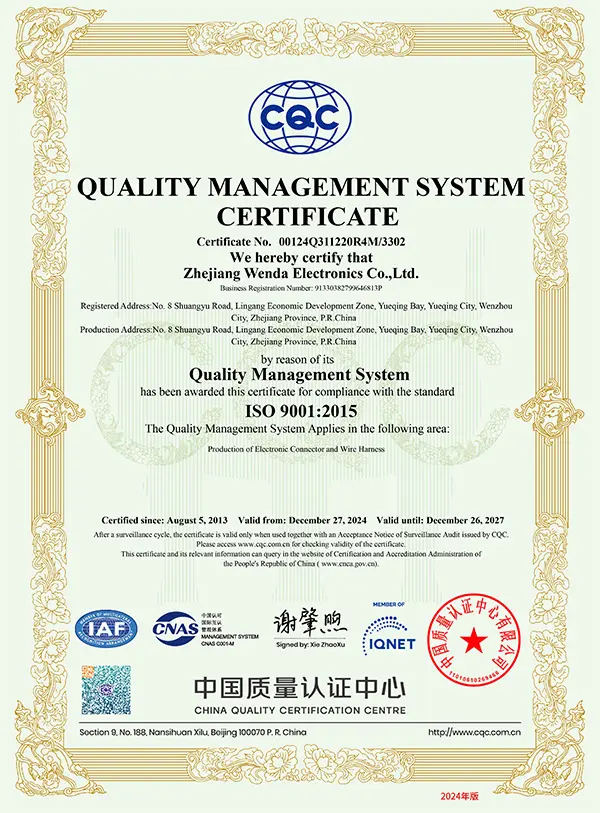
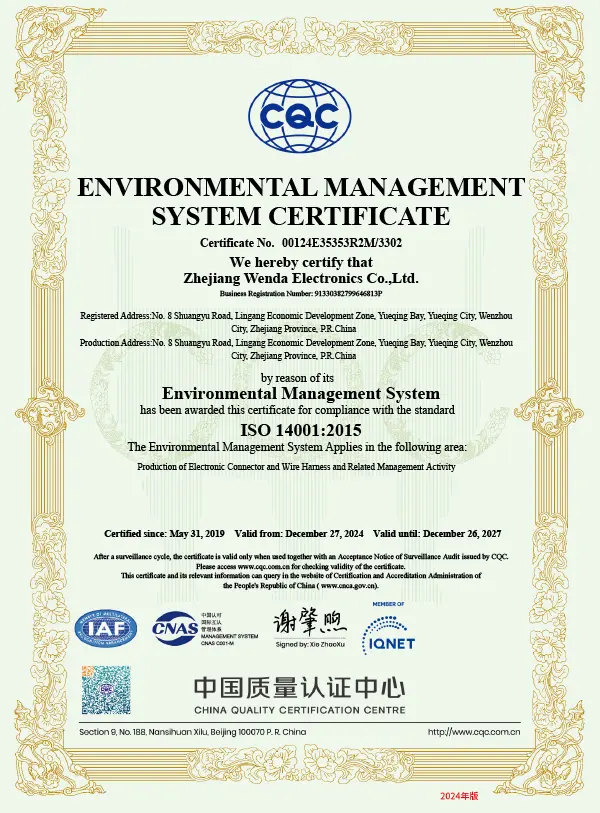
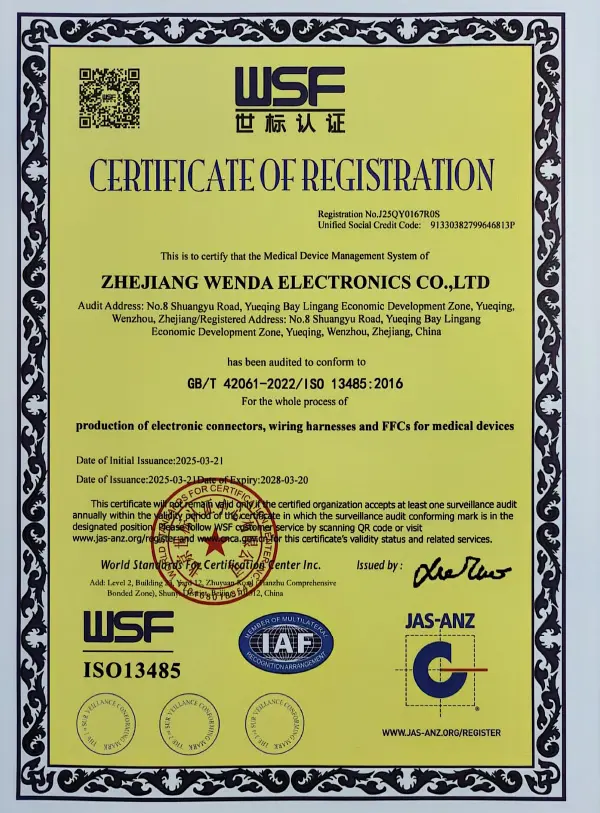
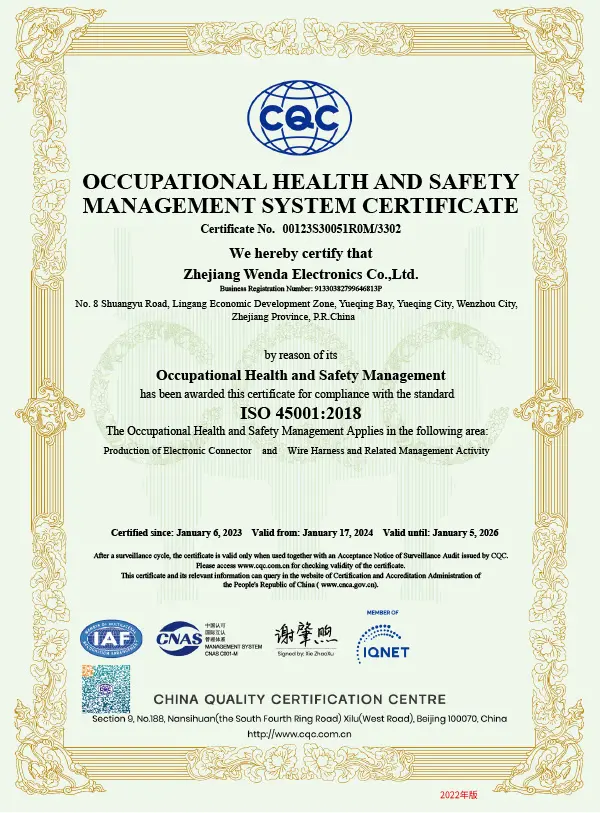
The role of Chinese manufacturers, specifically in regions like Zhejiang, has transformed from simple assembly to High-Tech Innovation Hubs. At Zhejiang Wenda Electronics Co., Ltd., the integration of Industry 4.0 principles means more than just speed. Our facility utilizes CCD fully automatic detection, high-speed precision punching, and ROHS-compliant testing to ensure that every 1.25mm connector meets international IATF16949 standards.
The efficiency advantage of a Chinese factory lies in the "Vertical Integration" of the supply chain. From raw material sourcing (Liquid Crystal Polymer - LCP) to the final gold plating process, everything is optimized for Just-In-Time (JIT) delivery, crucial for global electronics OEMs facing fluctuating market demands.