 Wenda Electronics
Wenda Electronics
Wenda Electronics
Explore our leading FPC/FFC technology and high-pitch wire-to-board solutions designed for automotive and industrial electronics.
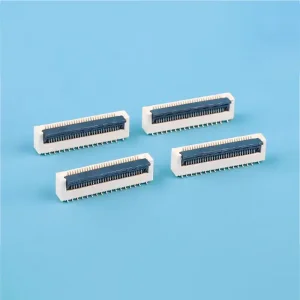
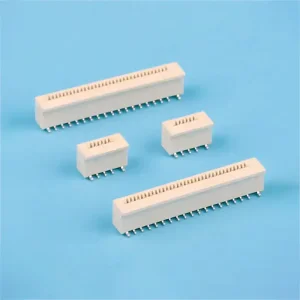
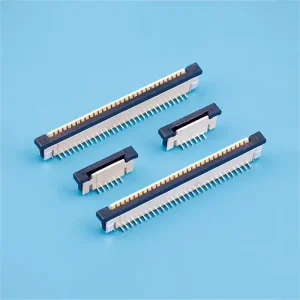
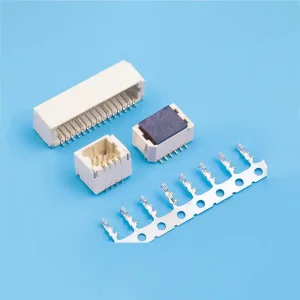
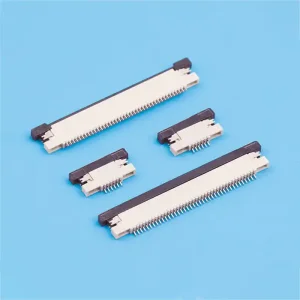
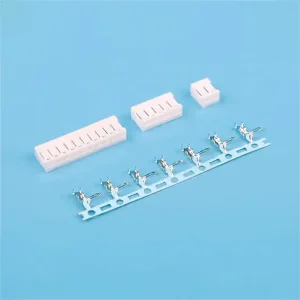
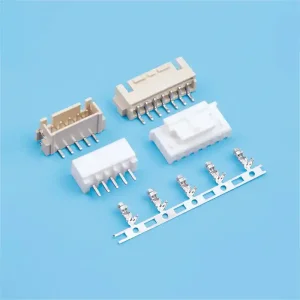
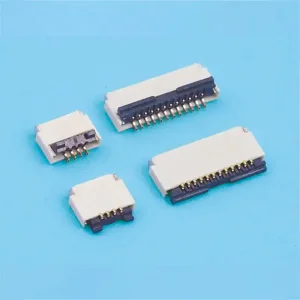
Decentralized Zonal Controls and High-Frequency Signal Demands in Next-Generation Vehicles
The contemporary automotive industry is undergoing an unprecedented transformation, characterized by the convergence of electrification, autonomous driving, and vehicle-to-everything (V2X) connectivity. At the absolute core of this structural evolution lies the automotive wiring harness system—the circulatory system and neural network of the modern passenger vehicle. As vehicles transition from legacy combustion engines to high-voltage battery systems, the requirements imposed on car electrical harnesses have advanced far beyond traditional power transmission. Today’s automotive electrical systems must simultaneously handle high-voltage traction currents (reaching up to 800V or 1000V) and ultra-high-speed data protocols with zero margin for signal degradation or electromagnetic interference (EMI).
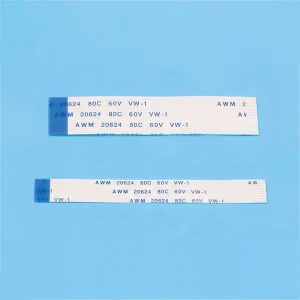
Historically, automotive architectures utilized decentralized electronic control unit (ECU) topologies, where each vehicle function maintained its own dedicated wiring routing. This legacy approach resulted in immensely heavy, bulky, and assembly-intensive harnesses. In the modern engineering era, Tier-1 system developers and OEMs are rapidly transitioning to domain-centralized and zonal architectures. By partitioning the vehicle into designated geographical zones controlled by local gateways, the physical length and complexity of wire bundles are drastically reduced. However, this configuration exponentially increases the performance density requirement at the connector interfaces. Zonal controllers demand high-density board-to-board connections and space-saving Flat Flexible Cables (FFC) or Flexible Printed Circuits (FPC) that can manage high pin-counts while enduring severe vibrational stresses and thermal extremes.
Modern electrical harnesses must mitigate two primary physics-based failures: thermal overload and signal crosstalk. When high currents pass through conductor terminals, localized Joule heating occurs. If a connector's contact resistance is not strictly managed, thermal runaway can lead to structural failure of the housing or localized insulation breakdown. Simultaneously, the deployment of ADAS (Advanced Driver Assistance Systems) radar, LiDAR, and high-resolution optical cameras demands the transmission of multi-gigabit data streams. Standard unshielded harnesses are highly susceptible to high-frequency attenuation and EMI, necessitating specialized flat ribbon cables, precise pitch engineering, and gold-plated kontakts (such as 0.5mm and 1.0mm pitch FPC connectors) to guarantee reliable, uninterrupted signal integrity.
A Pioneer in Precision Connectors & Custom Cable Harnesses
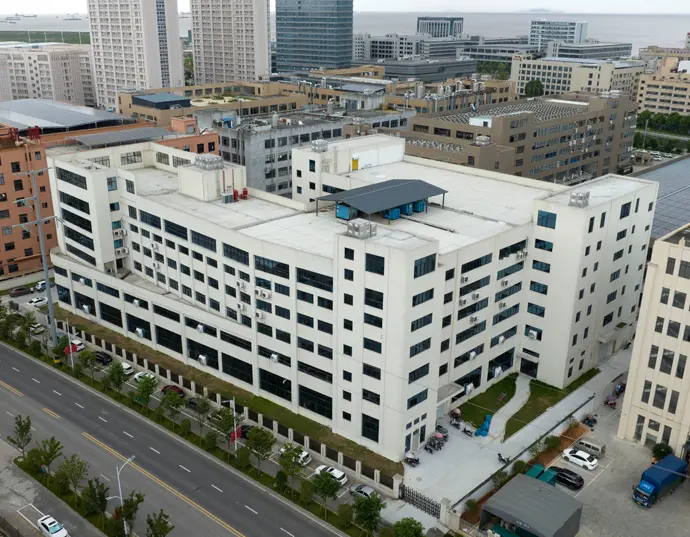
Founded in March 2007, Zhejiang Wenda Electronics Co., Ltd. has established itself as a premier, state-of-the-art manufacturer specializing in the development, manufacturing, and distribution of precision electronic connectors, new energy connectors, and high-performance automotive wiring harnesses. Nestled at the southern foot of the scenic Yandang Mountain within the Yueqing Bay Lingang Economic Development Zone (Yueqing City, Zhejiang Province), our strategic geographic positioning offers unmatched logistical advantages. Located adjacent to the 104 National Highway, the Ningbo-Taiwan-Wenzhou Expressway, and Wenzhou Airport/Railway Station, we facilitate efficient national and global distribution networks.
With an operational workforce exceeding 500 highly skilled engineering and production professionals, our physical infrastructure covers a modern factory footprint of over 10,000 square meters, translating to a total construction footprint exceeding 25,000 square meters. Through continuous investment in advanced technology, Wenda Electronics has consolidated its position as a high-density vertical producer capable of managing the entire lifecycle of custom automotive connection systems—from concept CAD rendering and polymer injection molding to automated final testing.
Our state-of-the-art machinery lineup ensures zero-defect delivery for critical global supply chains.
To meet the strict technical standards of the automotive, medical, and consumer electronics industries, Zhejiang Wenda Electronics maintains a highly automated, vertically integrated factory floor. Our internal tooling shop is equipped with high-speed precision punching machines and high-injection pressure molding machinery capable of maintaining micro-level tolerances. Through computerized multi-functional wire stripping and automated terminal crimping machines, we ensure that every wire harness assembly possesses perfect mechanical tension, pull-off force stability, and uniform electrical conductivity.
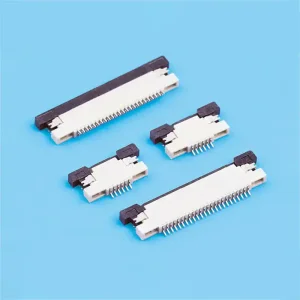
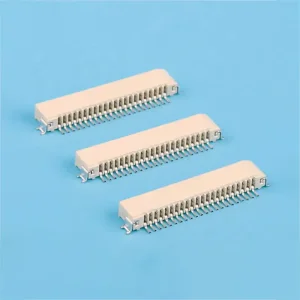
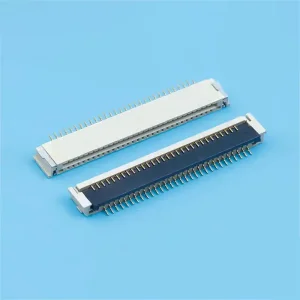
In-house CAD/CAM tooling facilities enable us to design custom molds for low-profile connectors (FFC/FPC) and high-density male/female housings, ensuring high dimensional consistency and fast prototyping speeds.
Equipped with over 500 machinery sets, including fully automatic integrated assembly lines, automatic FFC laminating machines, and CCD visual inspection/packaging lines, we minimize manual errors.
Our testing equipment includes 2D optical measuring systems, RoHS scanners, reflow soldering simulators, terminal cross-section analyzers, and complete cable harness continuity testers.
In high-speed production environments, minute terminal misalignments or contact plating defects can compromise a vehicle's electrical integrity. To mitigate this risk, Zhejiang Wenda Electronics integrates CCD high-speed visual detection systems directly into our final assembly lines. These cameras analyze connector geometries, latch configurations, and spacing parameters in real-time, automatically ejecting components that deviate from nominal configurations. Following assembly, all wiring harnesses undergo 100% electrical continuity and insulation resistance testing, ensuring that they conform to target resistance values before shipping.
Visualizing our precision manufacturing floors, modern research units, and automated testing hubs.
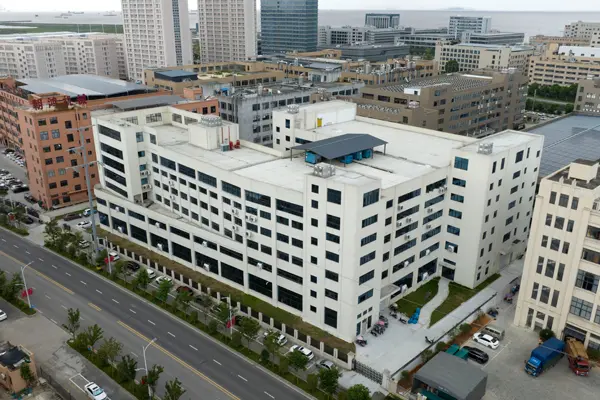
Our large-scale manufacturing base in Zhejiang covers over 25,000 square meters of production, R&D, and QA space.
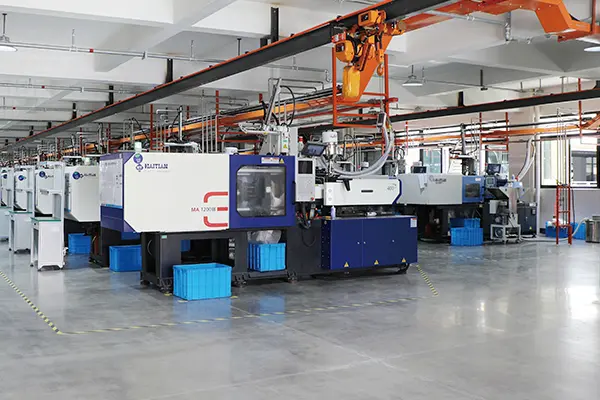
Automated precision injection machines and tooling systems ensure connector housings hold tight tolerances.
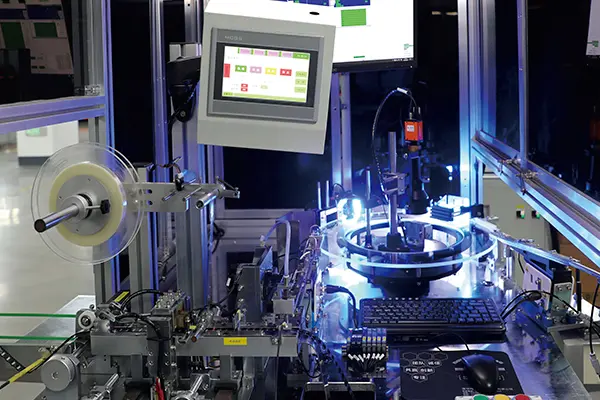
Our testing equipment includes coordinate measuring machines and RoHS analysis stations to verify chemical compliance.
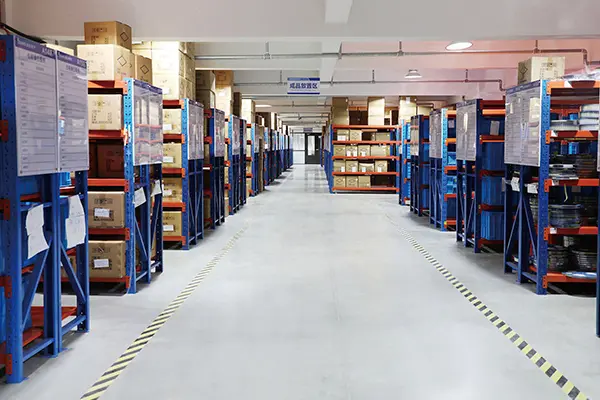
Standardized packaging and moisture-controlled warehousing preserve terminal surfaces for solderability.
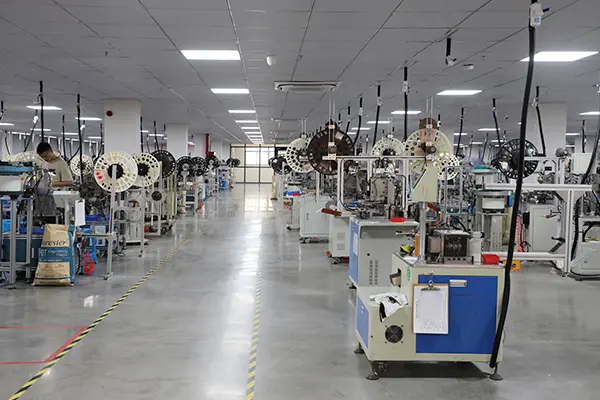
Our engineering department specializes in designing low-insertion-force terminals and robust lock configurations.
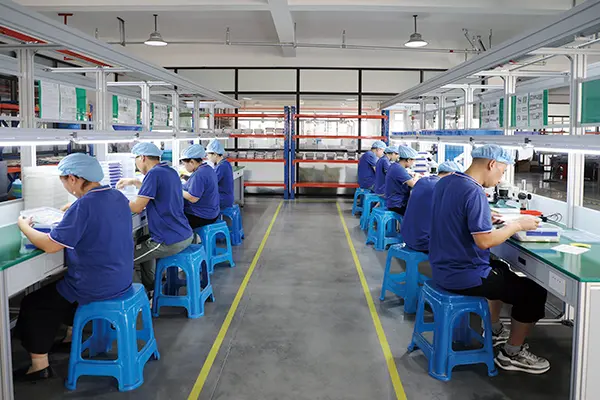
Strict operator compliance guidelines ensure manual wire routing and termination processes meet IATF 16949 standards.
Understanding the electrical characteristics of micro-pitch interfaces in vehicular electronics.
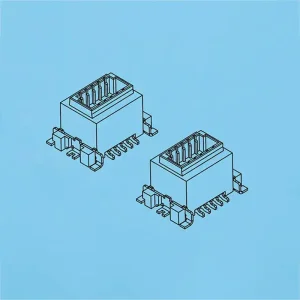
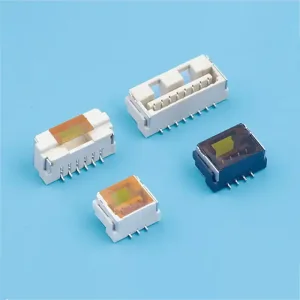
When selecting connectors for automotive or industrial wiring harnesses, pitch size is a key design criteria. Pitch—the center-to-center distance between adjacent conductor pins—determines both the physical footprint and the electrical limitations of the connection. For instance, 0.5mm pitch FFC/FPC connectors represent the current standard for high-density, space-constrained assemblies, such as vehicle head units, LCD instrument clusters, and camera modules. These micro-pitch connectors utilize thin-film insulation and micro-plated copper traces, allowing them to route dozens of individual signals within a narrow envelope. However, because spacing is minimal, these layouts must incorporate high-resistance polymers and optimal geometry configurations to prevent dielectric breakdown and signal crosstalk at higher frequencies.
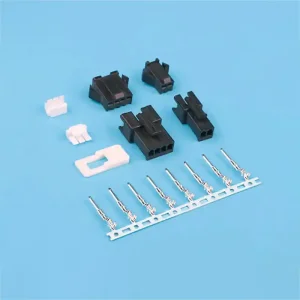
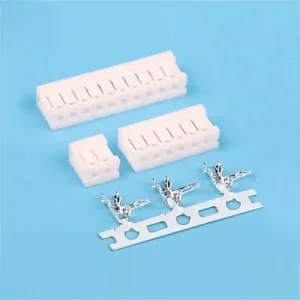
In contrast, 1.0mm, 2.0mm (SAN series), and 2.54mm (XHB/HA/SM series) pitch systems are selected for power delivery and high-vibration applications. A wider pitch allows for thicker metal terminals and increased contact surface area, which lowers contact resistance and permits higher current densities. Our 2.54mm pitch wire-to-board connectors are commonly utilized in LED headlight modules, ambient light harnesses, and power supply links where current levels can exceed 3A per pin, and mechanical retention must be secured with secondary lock structures.
The choice of terminal plating directly affects contact resistance and corrosion resistance over a component's lifecycle. While tin plating is cost-effective and suitable for low-cycle, low-vibration environments, it is susceptible to fretting corrosion under thermal cycling and mechanical vibration. When tin-plated terminals rub together, microscopic particles of tin oxide build up, increasing contact resistance and potentially causing intermittent signal drops in communication buses. To prevent this, Wenda Electronics offers selective gold plating (typically 1u" to 15u" gold over nickel barrier layers) for critical signal channels, such as safety systems, ADAS, and engine control units. Gold's chemical stability ensures low contact resistance and reliable connection performance even in humid and high-temperature automotive environments.
Our precision connections support critical electrical paths in electric vehicles, medical devices, and mobile electronics.
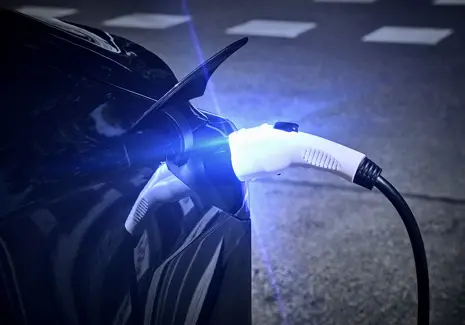
Connectors in electric vehicles manage power transmission, safety protection, and signal interfaces. As platforms transition to higher voltages (such as 800V architectures) and higher charging outputs, our connector systems are engineered to handle high current capacities, elevated operating temperatures, and robust electromagnetic shielding.
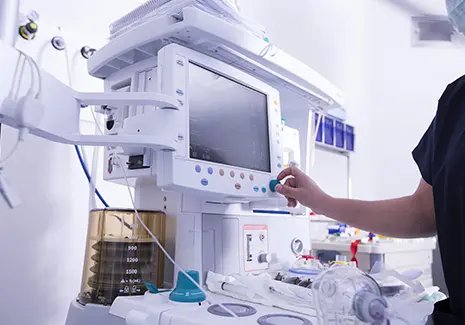
Medical equipment connectors serve as critical pathways for sensor signals, system power, and fluid controls. Designed to meet strict safety standards, our medical-grade connectors maintain signal integrity in diagnostic monitors, imaging devices, and wearable sensors while resisting chemical degradation from sterilization.

Consumer electronics demand low-profile, highly integrated connections. Our sub-1.0mm ultra-thin FPC/FFC connectors enable compact internal routing for high-speed data and display connections in smartphones, tablets, and smartwatches, while surviving mechanical drop stresses.
An overview of our global automotive certifications and material compliance policies.
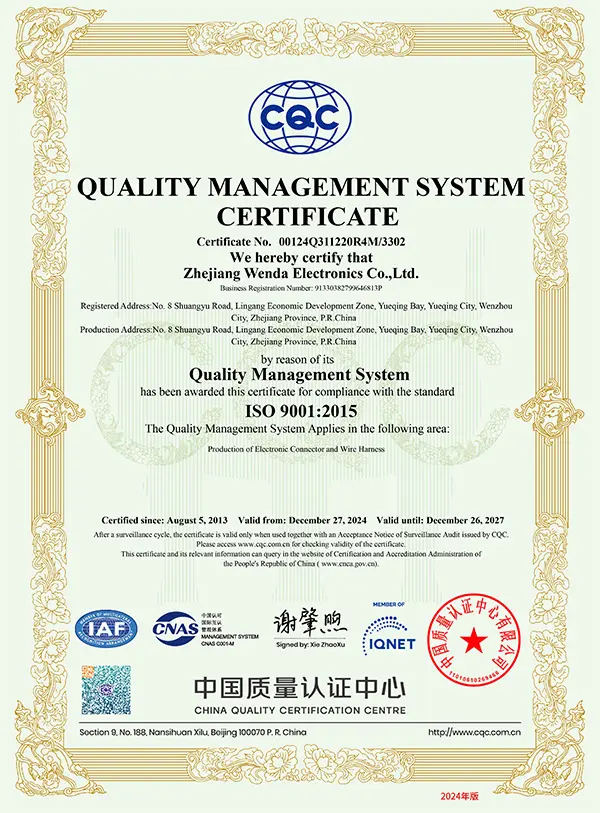
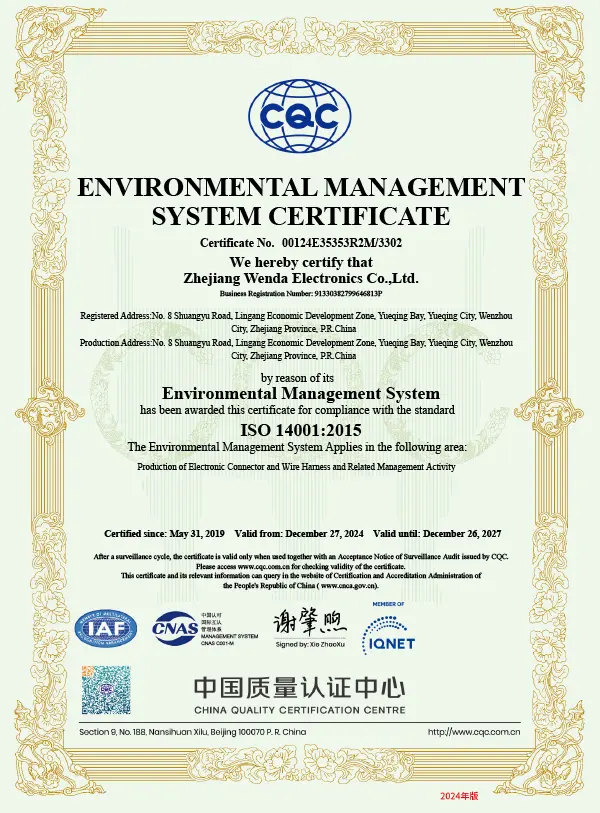
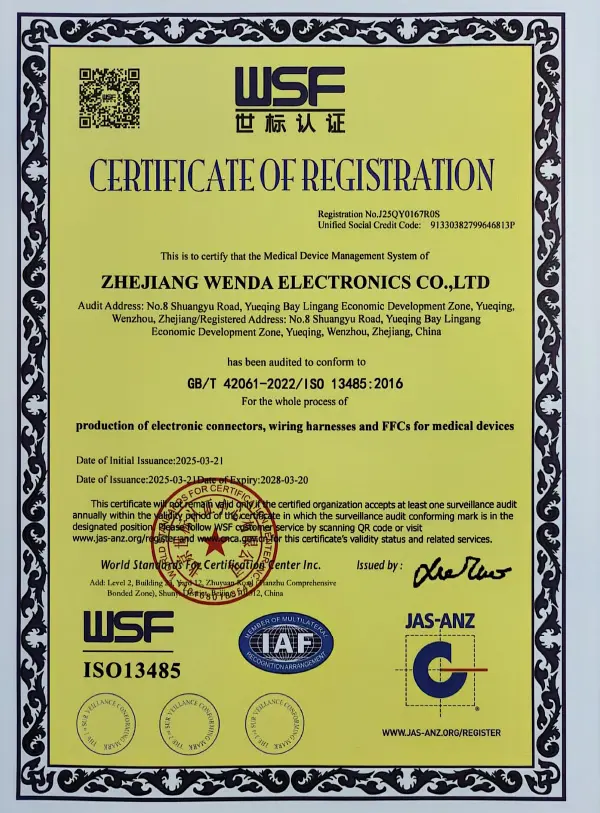
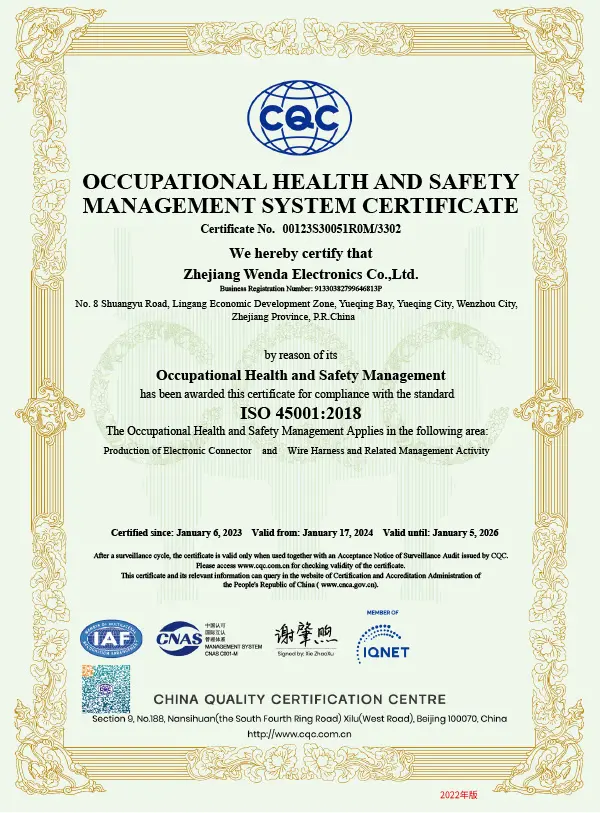
To maintain high levels of product safety and quality across global markets, Zhejiang Wenda Electronics has implemented a comprehensive quality management system that aligns with international automotive, environmental, and occupational safety frameworks. We have obtained certifications for ISO9001-2015 (Quality Management), ISO14001-2015 (Environmental Management), and ISO45001-2018 (Occupational Health and Safety). For our automotive-grade operations, we adhere to the IATF 16949-2016 quality management standard, which defines strict criteria for continuous improvement, defect prevention, and supply chain risk reduction.
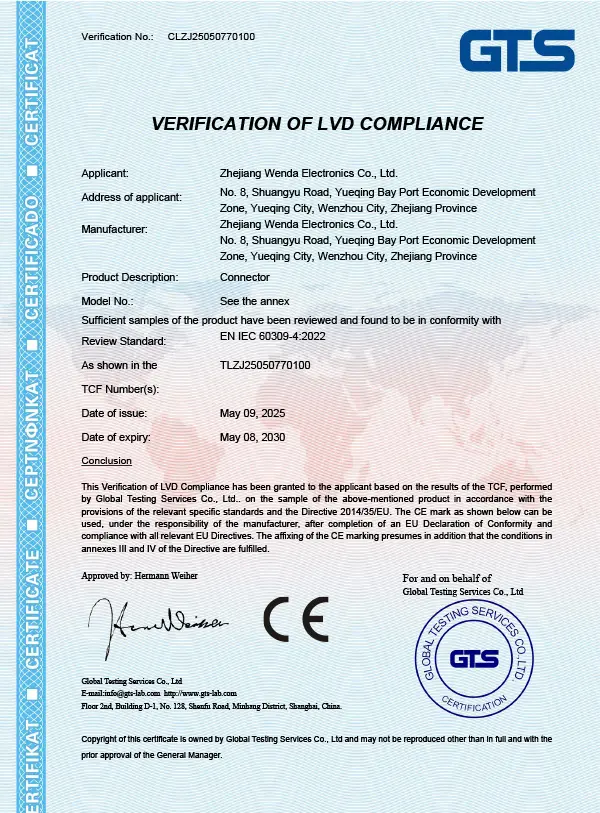
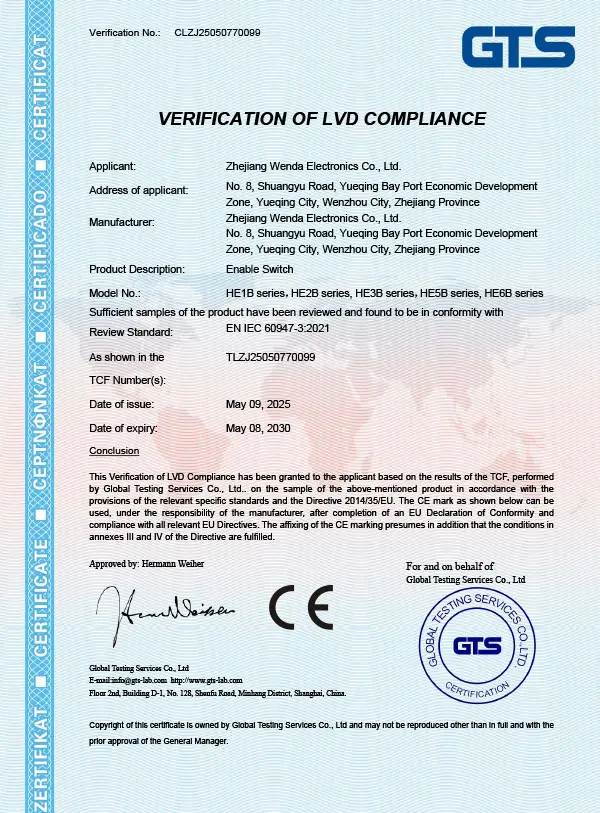
Furthermore, because hazardous substances pose challenges for recycling and component safety, we operate under the QC080000-2017 Hazardous Substances Process Management System. This structure ensures that all raw polymer resins, copper alloys, plating chemistry, and packaging materials comply with the European Union's RoHS directive and REACH regulations. Our products carry international safety marks, including UL (Underwriters Laboratories) certification, CE compliance, and China's national CQC certification, facilitating integration into North American, European, and Asian supply chains.
Our products are tested and certified to comply with safety and performance regulations worldwide.
How micro-miniaturization, material upgrades, and automation shape the future of connection systems.
As the automotive sector targets Level 3 and Level 4 autonomous driving, the volume of sensor data processed within vehicles is expected to increase significantly. Consequently, the industry requires high-density, low-latency connector architectures. In response, Wenda Electronics' engineering roadmap focuses on three main technological goals: micro-miniaturization, high-performance base materials, and advanced manufacturing automation.
Our micro-miniaturization initiatives aim to reduce connector heights below 1.0mm while maintaining high mechanical latch reliability. This development is crucial for integrating cameras and radar sensors into tight aerodynamic spaces, such as side-view mirror assemblies and front grille arrays. Material-wise, we are transitioning from standard phosphor bronze alloys to high-conductivity copper-nickel-silicon (CuNiSi) alloys. These materials feature lower electrical resistance and better stress relaxation properties, allowing our terminals to operate at continuous temperatures up to 125°C without losing contact force. On the production side, we are integrating automated optical inspection (AOI) systems and predictive maintenance algorithms into our high-speed stamping presses. These technologies help monitor and prevent tooling wear in real-time, maintaining tight tolerances over long production runs.
Our engineers address common questions regarding FPC/FFC selection, terminal design, and quality standards.
Browse our additional catalog of wire-to-board, board-to-board, and flat ribbon connector models.