 Wenda Electronics
Wenda Electronics
Wenda Electronics
High-frequency, ultra-low profile interconnect systems built to satisfy demanding telecommunication, industrial, and automotive specifications.
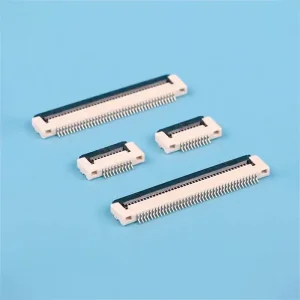
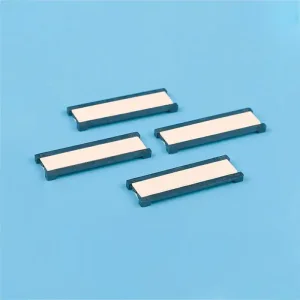
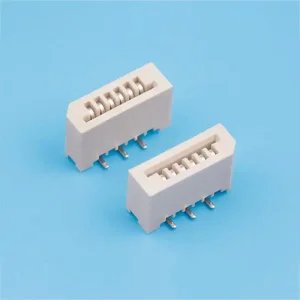
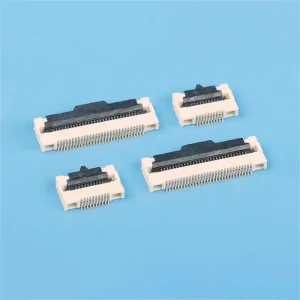
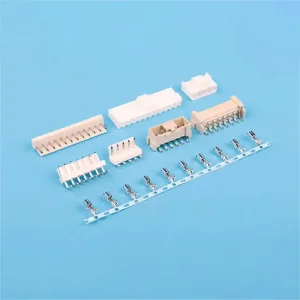
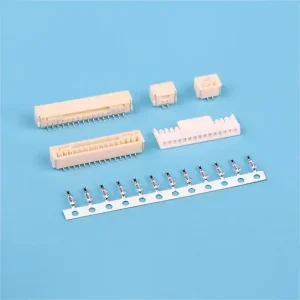
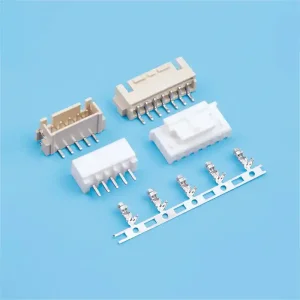
An authoritative analysis of high-density interconnect technologies, material sciences, and precision engineering in smart electronics manufacturing.
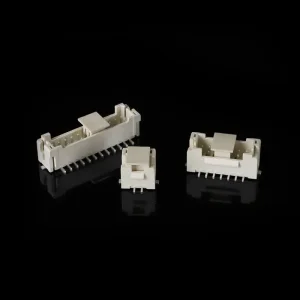
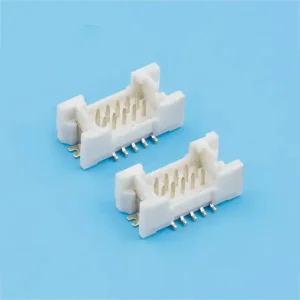
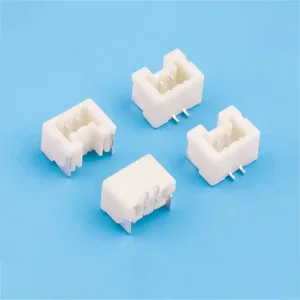
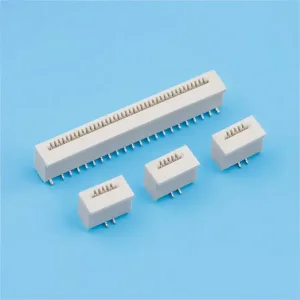
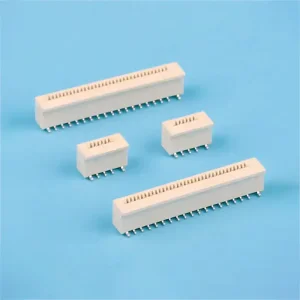
The contemporary microelectronics sector is undergoing a rapid convergence towards high-density signal distribution, mechanical structural miniaturization, and unparalleled thermo-mechanical reliability. Central to this transition is the adoption of Surface Mount Technology (SMT) connectors, specifically the SMT flip cover or flip-lock Zero Insertion Force (ZIF) FPC/FFC (Flexible Printed Circuit / Flat Flexible Cable) connector. Traditionally, older generation PCB designers relied on standard through-hole mechanisms or lockless drawer-type components, which suffered from high insertion wear, structural bulk, and vulnerability to solder heat displacement during multi-stage reflow runs.
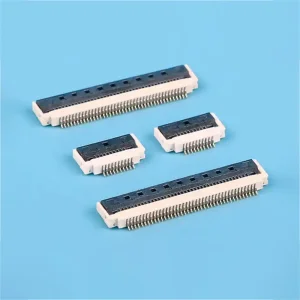
The integration of SMT flip covers addresses these challenges directly. Featuring a mechanical actuator (or "butterfly latch") that rotates on an integrated fulcrum, flip-lock designs create a high-integrity, uniform contact force across high-density contact layouts, such as 0.5mm and 1.0mm pitches. Because the flexible flat cable can be inserted with virtually zero resistance before the lock is engaged, contact wear is reduced to near-zero, enabling superior durability across many mating cycles. This is particularly crucial in applications where signal paths cannot tolerate the capacitive variations caused by uneven terminal mating or surface degradation.
Achieving long-term mechanical reliability in SMT packaging requires meticulous material selection. The plastic housing must withstand extreme temperatures during lead-free convection reflow processes, where peak temperatures routinely reach up to 260°C. To ensure dimensional stability and prevent warpage (coplanarity variations of ≤0.08mm across the entire terminal row), we employ high-performance engineering plastics:
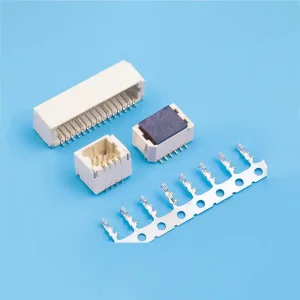
Metallurgical design is equally rigorous. The contact terminals are fabricated from phosphor bronze alloys (such as C5191 or C5210) which offer a superior balance of electrical conductivity, high tensile elasticity, and fatigue resistance. Terminals are finished with precise electroplated nickel barriers followed by gold plating (ranging from flash gold to 3u" minimum depending on specifications). This prevents copper-tin intermetallic growth and guarantees an oxidation-resistant interface capable of enduring corrosive environments, vital for outdoor electronics and automotive control modules.
Global electronics procurement networks demand more than just low per-unit pricing; they require structural agility, consistent yield rates, and unyielding supply chain resilience. Operating from our state-of-the-art facilities in Zhejiang, China, we integrate the full spectrum of development cycles: from in-house high-speed progressive die-stamping to high-speed micro-injection molding and automated CCD visual inspection.
Modern automotive, aerospace, and medical system developers cannot afford lead-time volatility. Through vertical integration, Zhejiang Wenda Electronics ensures complete control over raw material sourcing, mold fabrication, and product verification. Our strategic proximity to logistics hubs like Wenzhou Airport, Wenzhou Light Rail Line S2, and major deep-water ports means that we can transition from design sign-off to bulk air-freight or sea-freight packaging within exceptionally tight windows, mitigating risks associated with global supply chain disruptions.
A premier Chinese manufacturing enterprise dedicated to high-precision electronic connectors and integrated wiring harness systems since 2007.
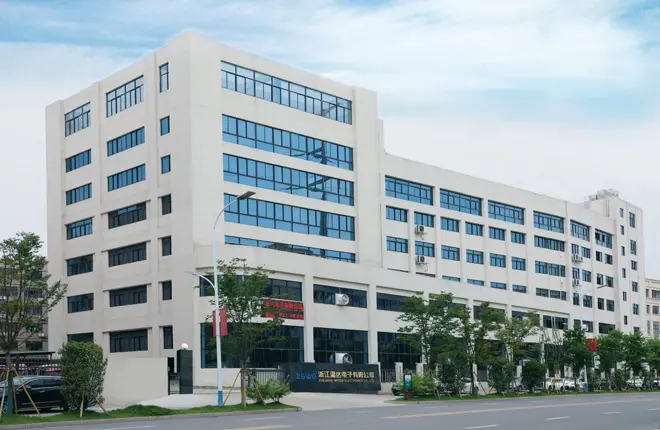
Established in March 2007, Zhejiang Wenda Electronics Co., Ltd. is situated at the southern foot of the scenic Yandang Mountain in the prestigious **Yueqing Bay Lingang Economic Development Zone, Yueqing City, Zhejiang Province**. The company operates a sprawling manufacturing footprint spanning a factory land area of over 10,000 square meters and a total construction area exceeding 25,000 square meters. Guided by an elite team of more than 500 electronics professionals, we are perfectly positioned to service high-volume international commercial and OEM programs.
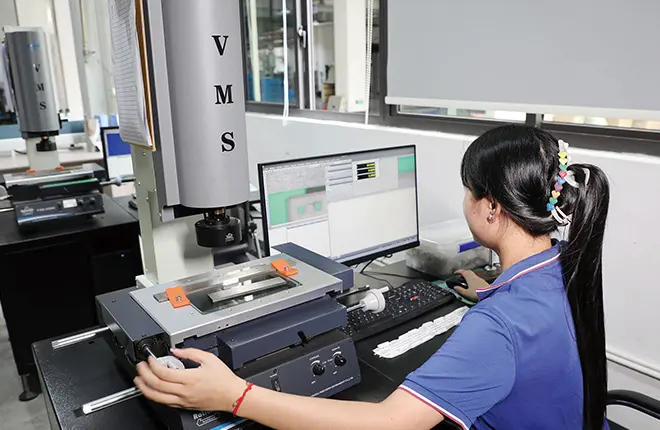
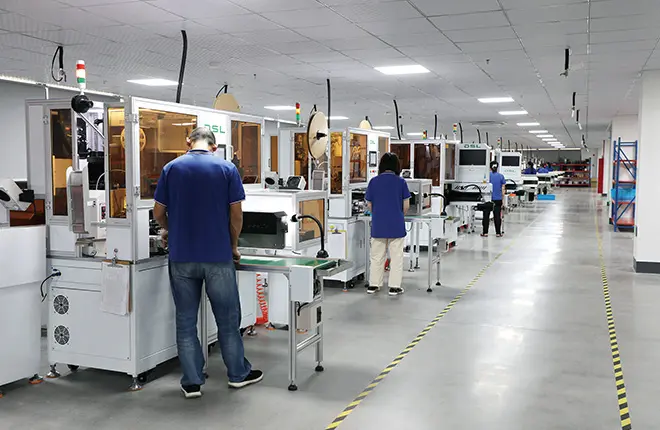
Wenda Electronics represents a fully integrated engineering system encompassing research and development, custom mold fabrication, automated assembly, and international marketing. Our manufacturing workshops house a comprehensive lineup of advanced tooling: from high-speed precision punching machines and precision injection molding machines to fully automatic integrated assembly lines, FFC-automatic laminating machines, and CCD fully automatic visual detection systems.
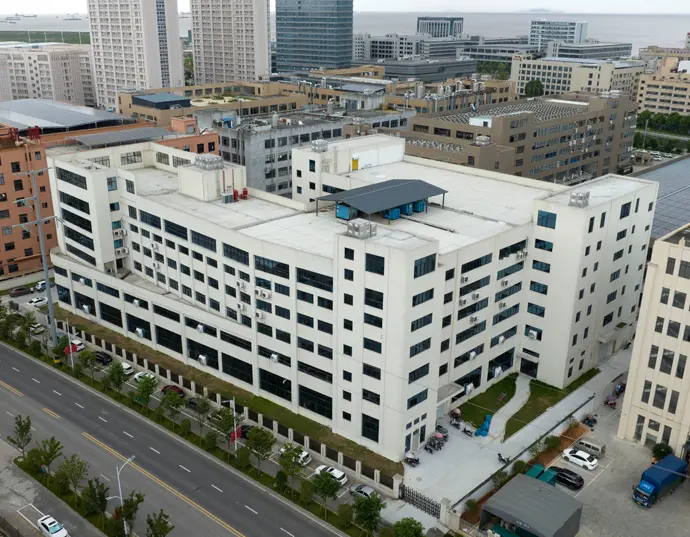
In strict accordance with the Google Search Quality Rater Guidelines for trust and reliability (E-E-A-T), our engineering and operational procedures undergo external auditing. Our compliance matrix guarantees that our products and procedures meet the highest standards of safety, quality, and environmental stewardship:
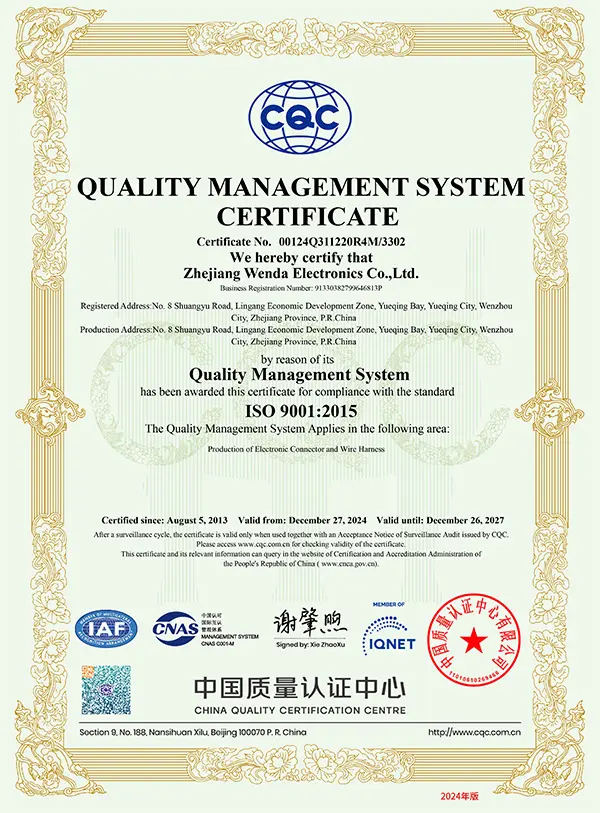
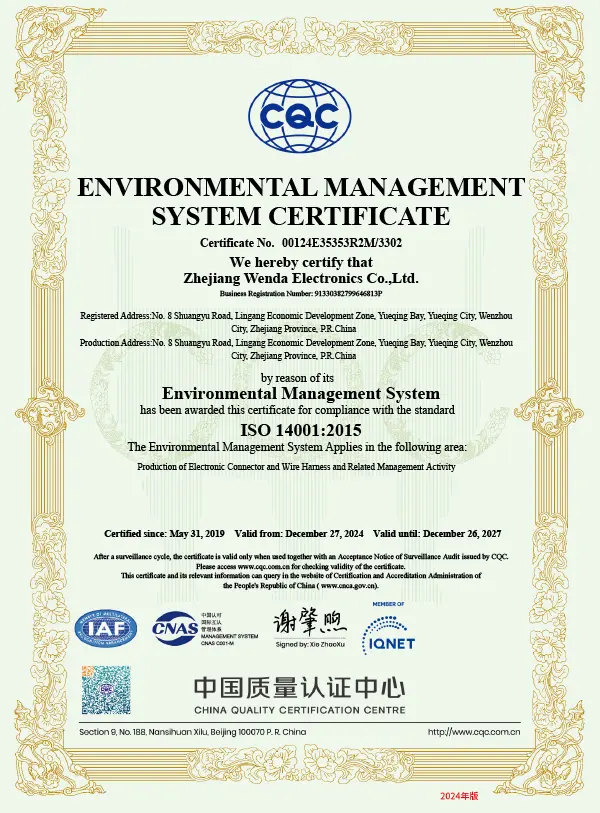
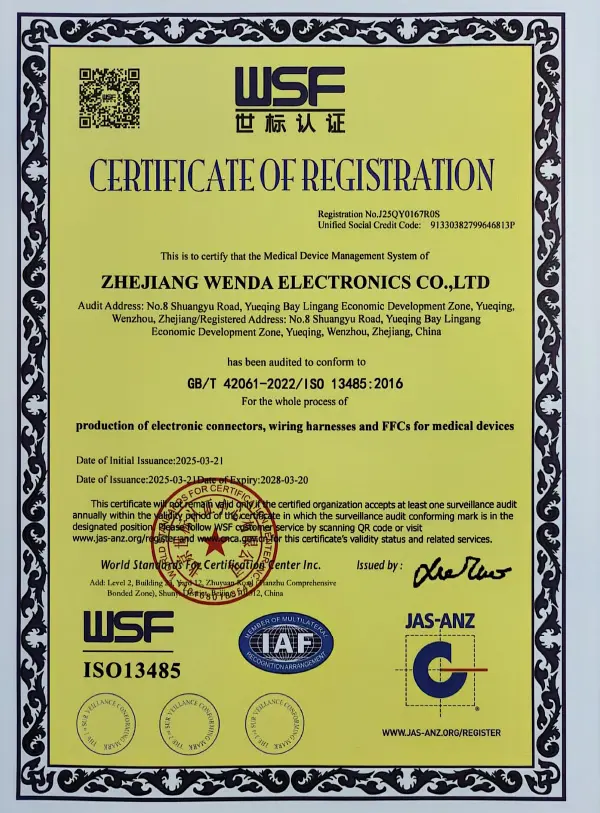
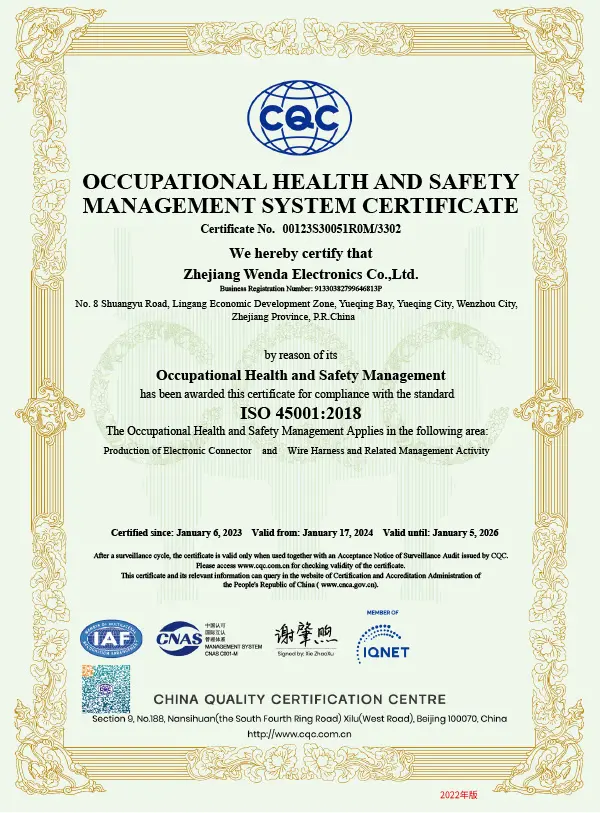
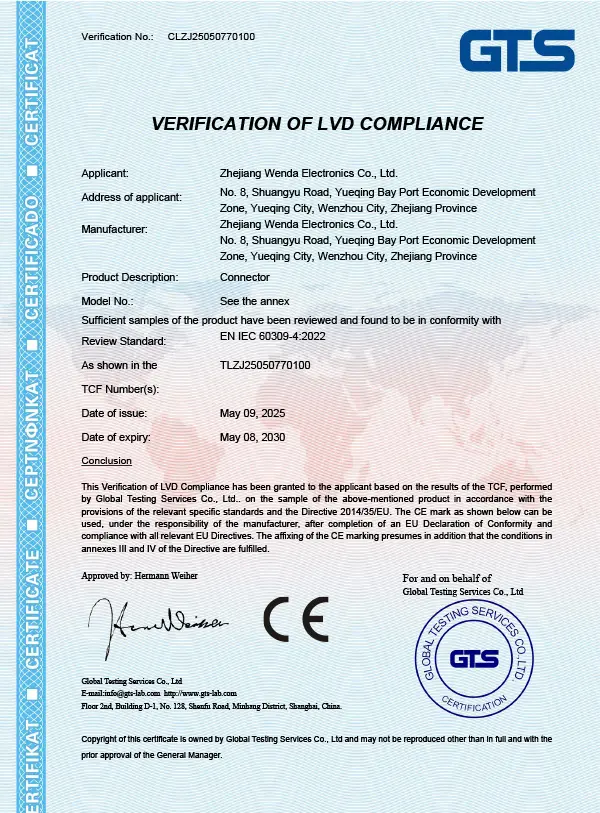
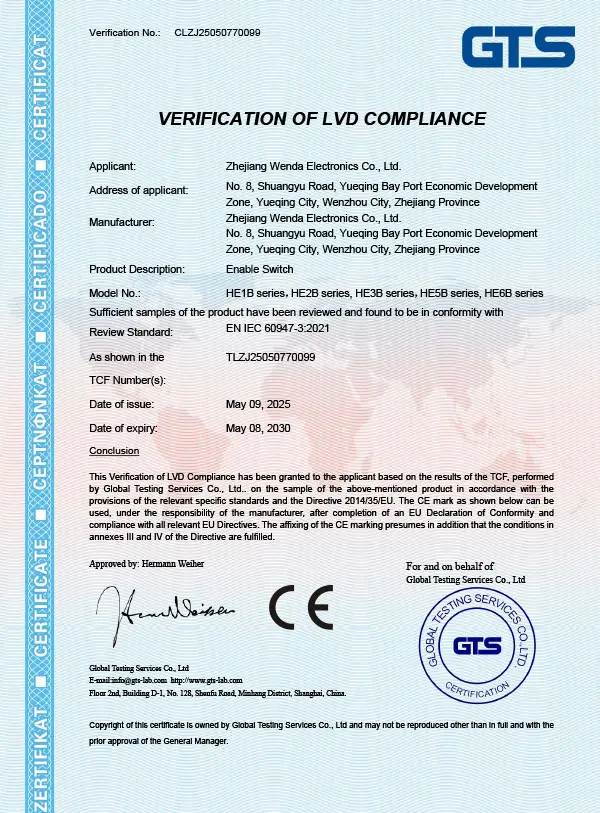
From internal battery modules in new energy vehicles to precision diagnostic medical equipment, our connectors ensure signal integrity under extreme operational conditions.

Connectors represent vital vectors for power transmission, safety protection, intelligent interaction, and mechanical adaptation in automotive power electronics and fast-charging architectures. As electric vehicles evolve toward high-voltage platforms (such as 800V architectures) and high-power fast-charging protocols, micro-SMT flip cover connectors are continually optimized for heat tolerance, high retention force, and space-efficiency, providing a robust interface for battery management systems (BMS) and internal signal matrices.
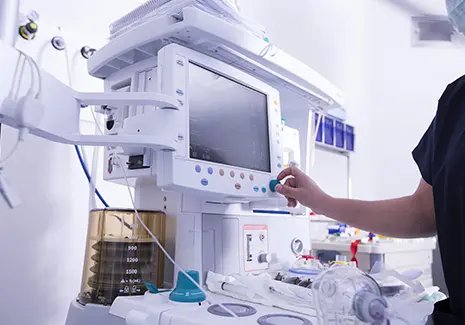
Medical interconnect configurations demand uncompromising precision and absolute signal stability. Flip-lock ZIF systems serve as critical hubs for diagnostic imaging, telemetry monitors, and clinical instrumentation. By achieving high integration and miniaturization, our connectors support the engineering of wearable health monitors and telemedicine systems, matching the high reliability levels demanded in life-critical patient monitoring fields.

With consumer hardware trending toward ultra-compact structures and multi-functional boards, internal footprint optimization is essential. Our 0.5mm pitch FFC/FPC flip cover connectors provide solid performance within compact, thin-profile devices. Offering high mechanical latching force and excellent resistance to structural stresses like drops or physical vibrations, these components secure micro-flex circuits inside modern smartphones and foldable mobile devices.
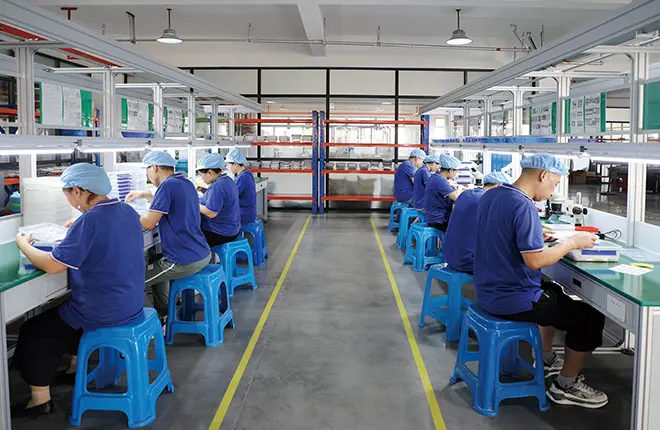
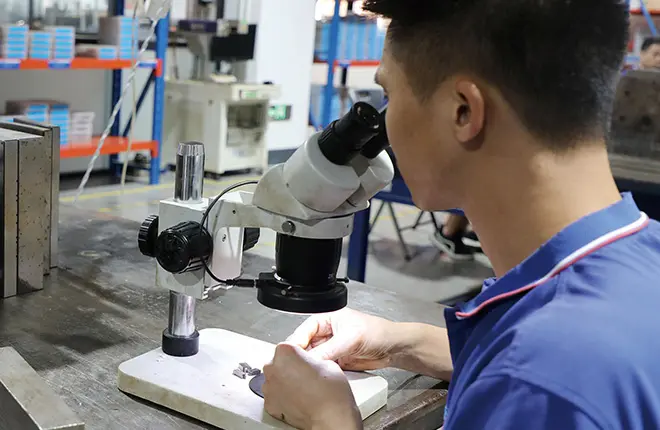
Visual tour of our production facilities, specialized cleanrooms, and testing infrastructure located in Zhejiang.
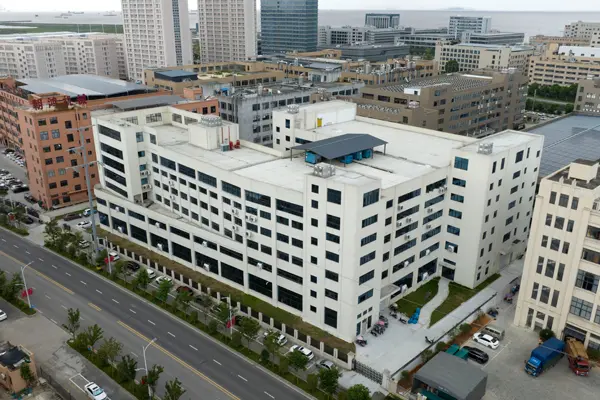
Strategically positioned within the Yueqing Bay Lingang Economic Development Zone to optimize international and domestic logistics.
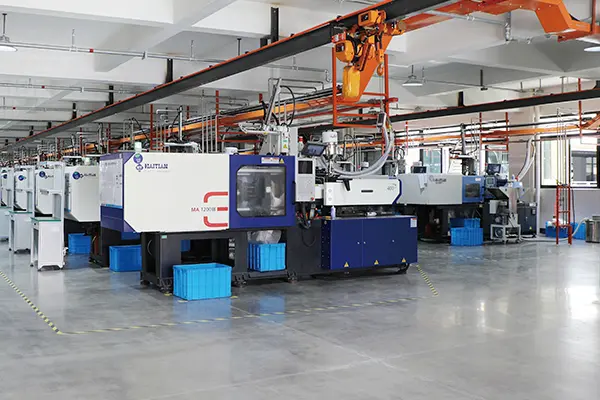
Equipped with high-performance electric injection molding machines ensuring ultra-tight housing tolerances for SMT connectors.
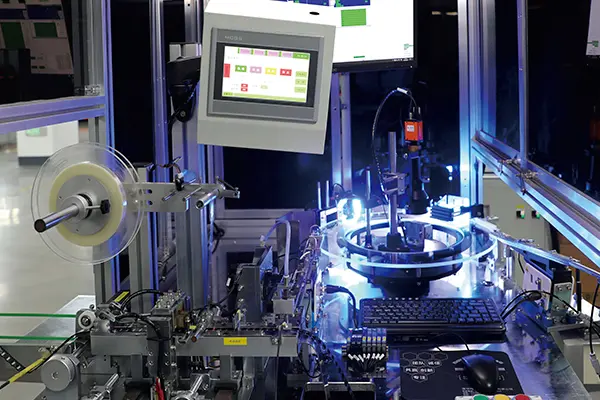
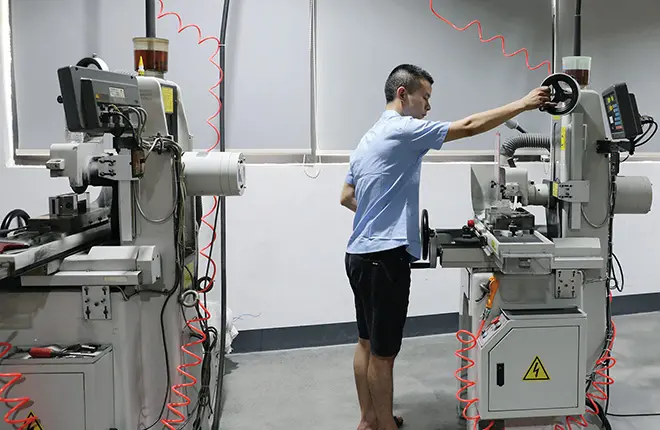
Propelled by precision progressive stamping tools that consistently maintain contact terminal geometric accuracy.
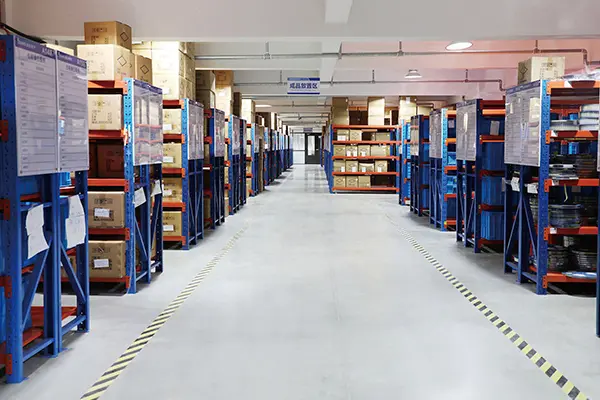
Our climate-controlled warehouse maintains trace status on all raw materials and packaged units awaiting shipment.
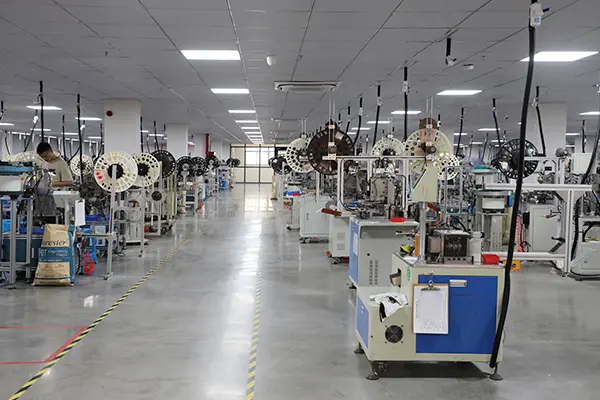
Comprehensive verification capabilities, including reflow simulators, mechanical endurance benches, and optical profiling units.
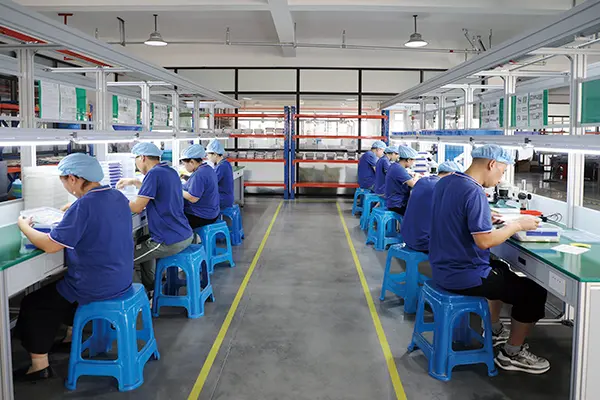
Highly skilled operators and quality auditors undergo monthly technical workshops to verify process fidelity.
Direct answers from our Senior Research and Development Directors regarding common structural challenges and design configurations.
We address coplanarity variations at three key points. First, we employ high-flow Liquid Crystal Polymer (LCP) to prevent any thermal shrinkage and mechanical warpage during housing molding. Second, our automatic insertion machines feature optical positioning sensors that calibrate contact seating dimensions before locking them into place. Finally, 100% of finished connector batches go through high-resolution 3D CCD scanner inspections to identify and discard any parts exceeding the 0.08mm deviation threshold.
Lockless drawer-type connectors depend entirely on friction to secure the flat flexible circuit, leading to contact displacement under mechanical vibration. In contrast, flip-cover (ZIF) systems lock down with a mechanical actuator that applies uniform vertical force across all terminals. This continuous physical contact keeps impedance mismatches to a minimum and provides excellent signal stability for fast interfaces, such as those in radar, video displays, and automotive sensors.
Yes. Using standard LCP resin reinforced with 30% glass fiber allows our connectors to handle typical lead-free reflow processes. These plastics have a heat deflection temperature of over 280°C, meaning they easily withstand peak reflow profiles of 260°C for 10 to 20 seconds without experiencing deformation or terminal looseness.
Gold plating provides essential corrosion resistance for copper contact terminals. Gold flash (approx. 1u") is cost-effective and perfectly suited for components that remain permanently connected after assembly. For demanding applications requiring repeated connections, we offer gold-plating thicknesses up to 3u" or 5u". This thicker layer increases the connector's mating life, ensuring they can undergo 30 to 50 insertions without experiencing contact wear or increased electrical resistance.
A butterfly latch distributes locking forces symmetrically, preventing the actuator from pivoting out of alignment when high-pin-count cables are connected. In bottom entry configurations, the contacts mate directly near the board surface, creating a shorter signal path. This design saves space and lowers the connector's physical profile, making it easier to integrate components in thin consumer electronics.
Engineered to secure robust PCB-to-wire connections in high-vibration systems and tight electrical enclosures.