Wenda Electronics Wenda Electronics

Wholesale SMD Button Switch Supplier & Factories

Industry-Leading Miniature Tactile Switches for Advanced Global Electronics & Engineering Applications

Featured Products Spotlight

Browse our premier selection of precision electronic connectors, automotive wiring harnesses, and premium PCB components.
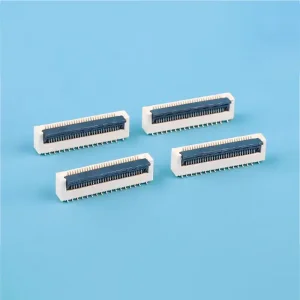
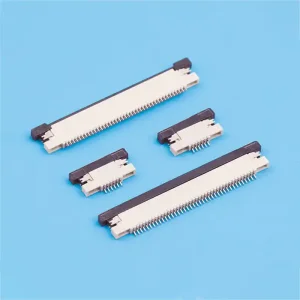
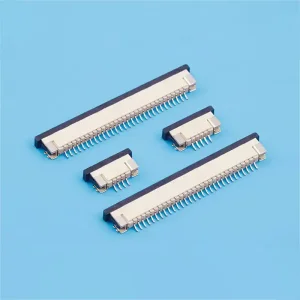
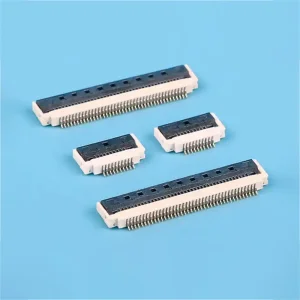
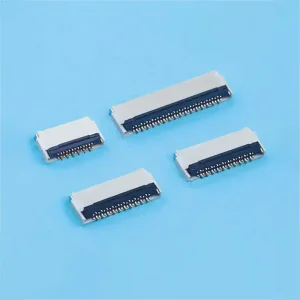
FPC FFC 0.5mm Pitch Vertical SMT Connector

Wholesale ‌FPC FFC 0.5mm Pitch Vertical SMT 5.2H 5.4H Flip-Cover Latch Connector

View Details →
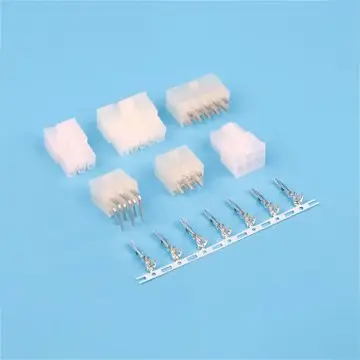
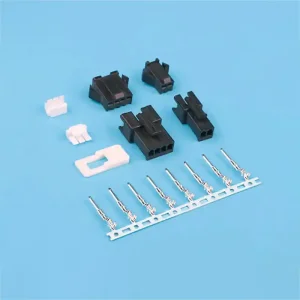
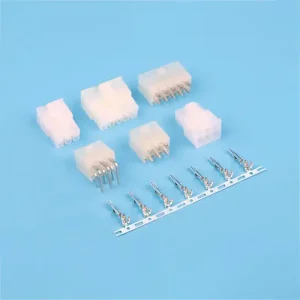
5557 Double Row Pin Header Connector

Wholesale 5557 4.2mm Pitch Double Row Pin Header Connector Wire to Board

View Details →
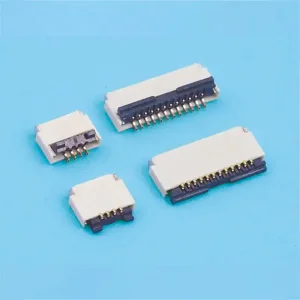
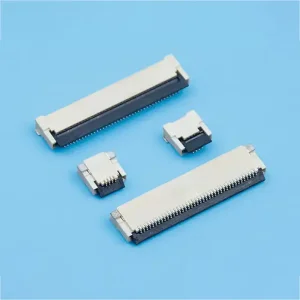
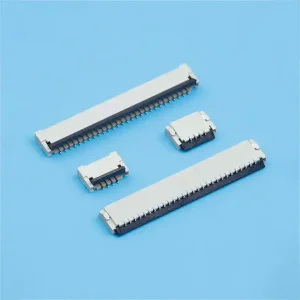
FPC/FFC Ribbon Cable Connector

Wholesale FPC/FFC 1.0mm Pitch Ribbon Cable Connector SMT Flip Cover

View Details →
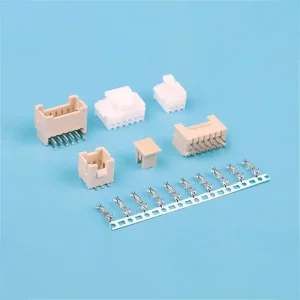
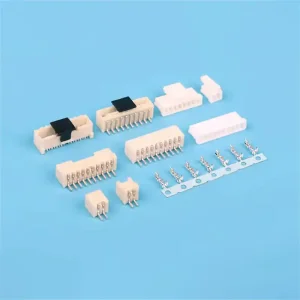
Double Row Locking Wire to Board Connector

Wholesale Double Row Locking Wire to Board Male Connector PHB 2.0mm

View Details →
Ultra Slim Flip Lock FPC FFC Connector

China 0.5mm Pitch Ultra Slim 1.0H/1.2H Flip-Lock Bottom-Entry FPC/FFC

View Details →
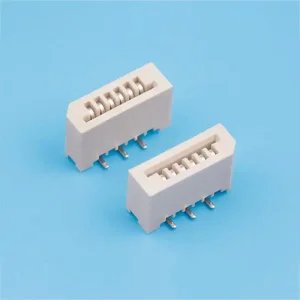
China FPC FFC Connector Flat Flex Cable Socket

China FPC FFC 1.0mm Pitch 5.5mm Height Top Entry Vertical SMT Connector

View Details →
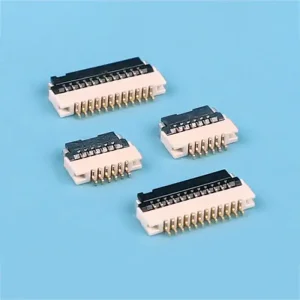
Gold Plated Ultra Slim FPC FFC Connector

Wholesale 0.5mm Pitch Gold Plated Ultra-Slim Push-Down Hinged FPC/FFC

View Details →
Ultra Low Profile FPC FFC Connector

Wholesale 0.5mm Pitch Ultra Low Profile 1.2H Horizontal Drawer FPC/FFC

View Details →

The Global Commercial and Industrial Landscape of SMD Button Switches

Surface Mount Device (SMD) button switches—frequently designated as tactile switches or miniature SMD pushbuttons—represent the fundamental electromechanical interfaces of the modern electronic era. Unlike traditional through-hole tactile switches that require structural pin insertion through the PCB, SMD variations sit directly on the solder pads of the board surface. This layout significantly minimizes structural volume, supports high-speed Automated Placement Equipment (pick-and-place), and eliminates the manual soldering phases common in classic assembly pipelines.

From a global market perspective, the demand for SMD tactile button switches has reached unprecedented heights. This surge is driven primarily by the transition toward high-density interconnect designs, IoT miniaturization, and multi-functional electronic devices. In modern consumer tech, industrial automation, and automotive electronics, space represents the most premium commodity. Designers globally rely on the low-profile attributes (frequently as shallow as 0.35 mm to 1.5 mm total height) of SMD switches to build sleek, robust user interfaces without compromising haptic feedback.

Key Market Insight: High-reliability SMD button switches are expected to see compound annual growth driven by automotive electrification (ADAS systems, steering controls), portable medical equipment (glucose monitors, digital stethoscopes), and wearable consumer devices where water resistance and micro-mechanical profiles are absolute design baselines.

Architectural & Engineering Dynamics of SMD Button Switches

Engineering a premium-grade SMD tactile button switch requires balancing complex mechanical tolerances, material compositions, and electrical characteristics. To design a switch that offers a consistent, tactile click over millions of cycles, manufacturers must optimize several key components:

  • The Contact Dome (Snap Dome): The heart of the switch. Utilizing specialized stainless steel or copper alloys, the dome is calibrated to deliver precise actuation force (typically ranging from 100gf to 350gf) and tactile click ratios. Gold or silver plating is standard to reduce contact resistance to minimal levels (frequently <50mΩ) and prevent oxidation.
  • The Cover Plate (Metal Shell): Typically stamped from nickel-plated brass or stainless steel, this plate protects the internal contacts from mechanical force and acts as an EMI shield.
  • The Actuator Stem: Composed of high-temperature thermoplastic resins (such as Liquid Crystal Polymer or Polyamide LCP/PA series) that withstand standard SMT reflow profiles exceeding 260°C.
  • Sealing and Gaskets: For IP67 or IP68 rated applications, integrated silicone rubber membranes protect the contact points from dust, high-humidity environments, and water ingress.
500k+
Standard Life Cycles
<50mΩ
Contact Resistance
IP67+
Waterproof Rating Available
<0.5mm
Ultra-Low Profiles

Local Application Scenarios & Case Studies

To fully grasp the critical role of SMD button switches, let's explore their real-world implementations across key industrial sectors:

1. New Energy Vehicles (NEVs) & Automotive HMI

Modern electric vehicles (EVs) have shifted from mechanical knobs to sleek, capacitive panels and miniature tactile micro-switches. Inside steering wheels, climate control systems, and infotainment units, arrays of SMD button switches provide critical haptic feedback to confirm inputs without diverting the driver's focus from the road. The safety profiles of these vehicles require components certified to rigorous automotive standards (such as IATF 16949), ensuring reliable operation under severe temperature fluctuations (-40°C to +105°C) and mechanical vibrations.

2. Precision Medical Diagnostic Devices & Smart Wearables

In medical fields, clinical tools like mobile vital monitors, infusion pumps, and surgical controllers depend on ultra-sealed SMD tactile switches. These interfaces must withstand routine chemical sterilization and alcohol wipes. In portable consumer medical tech (e.g., blood glucose testers), the switches must maintain tactile consistency over years of daily operation, ensuring patient safety through error-free user input.

3. Consumer Electronics & Mobile Interfaces

Smartphones, high-fidelity wireless earbuds, and slim tablets demand miniature components. The volume controls and power keys in these devices rely on side-actuated, right-angle SMD button switches. These components must offer high mechanical strength, a low profile, and a crisp haptic response to ensure a premium user experience.

Zhejiang Wenda Electronics Co., Ltd.

Establishing Global Benchmarks in High-Performance Connector Engineering and Advanced Electro-Mechanical Components Since 2007

Nestled at the southern foot of the majestic Yandang Mountain within the Yueqing Bay Lingang Economic Development Zone, Zhejiang Province, Zhejiang Wenda Electronics Co., Ltd. stands as a premier hub for precision electronic component manufacturing. Spanning a modern production area exceeding 10,000 square meters—complemented by a 25,000 square meter state-of-the-art facility—we host a dedicated team of over 500 electronics professionals.

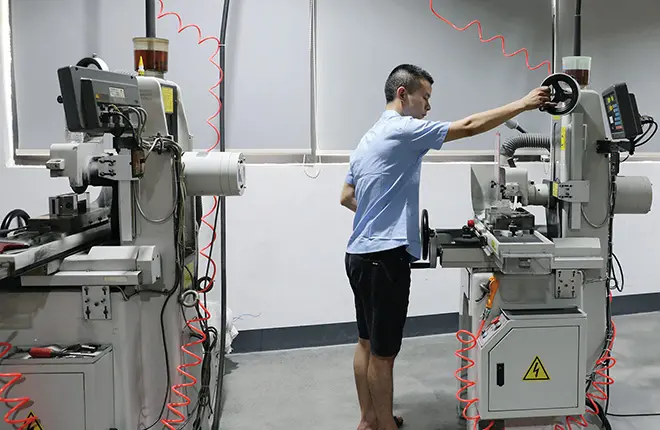
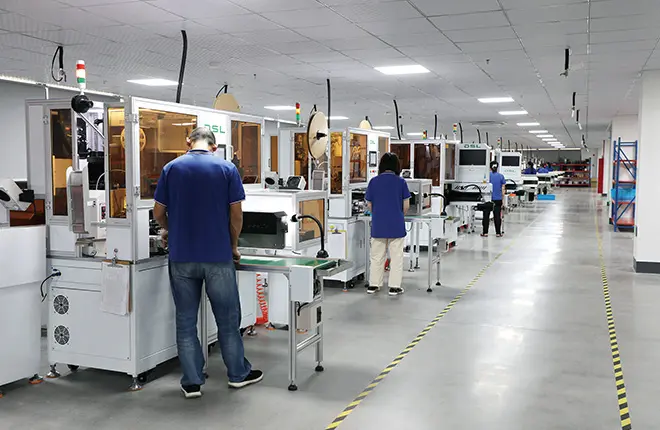
Our operations integrate in-house research, product development, high-precision manufacturing, and global sales channels. We design and mass-produce precision electronic connectors, automotive wiring harnesses, and premium PCB components. Our facility is equipped with over 500 sets of advanced machinery, including high-speed precision punching machines, computer-aided injection molding systems, and fully automated assembly lines.

Zhejiang Wenda Electronics Factory Overview

Quality Qualifications & Industry Standards

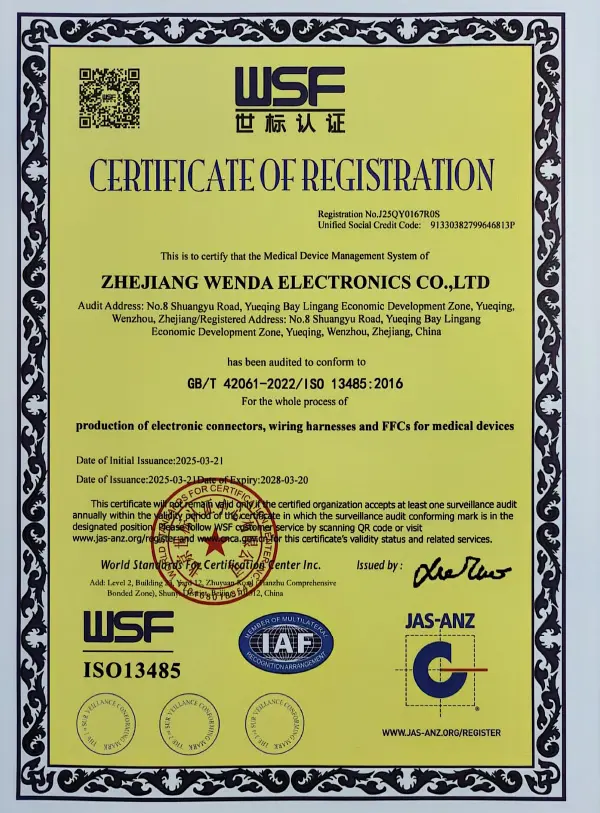
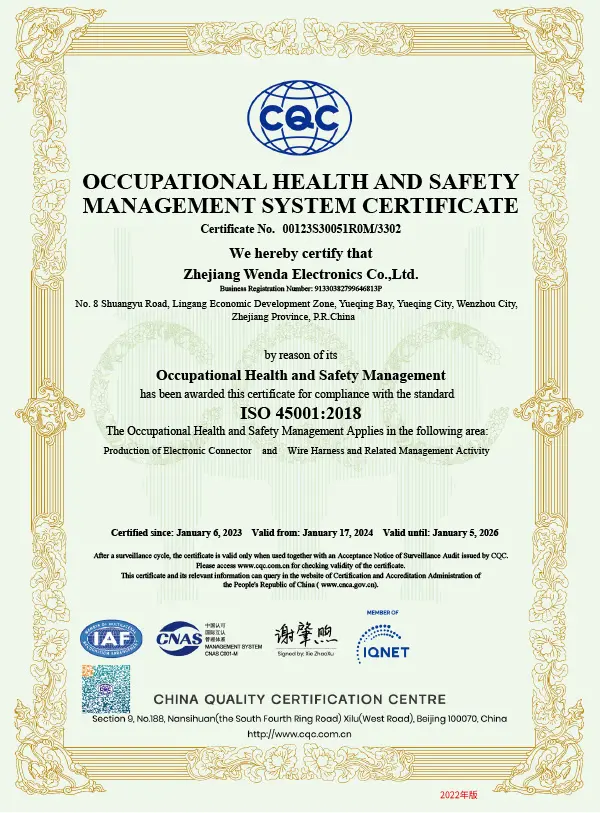
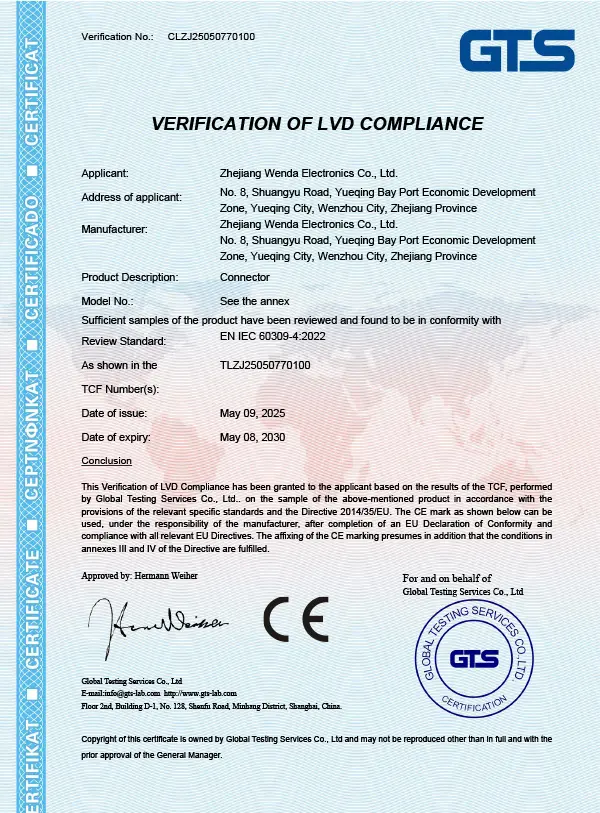
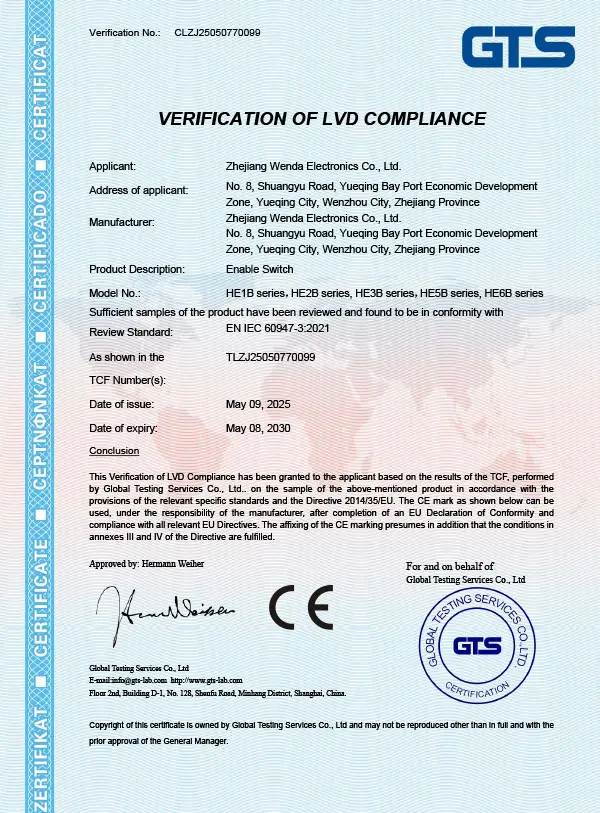
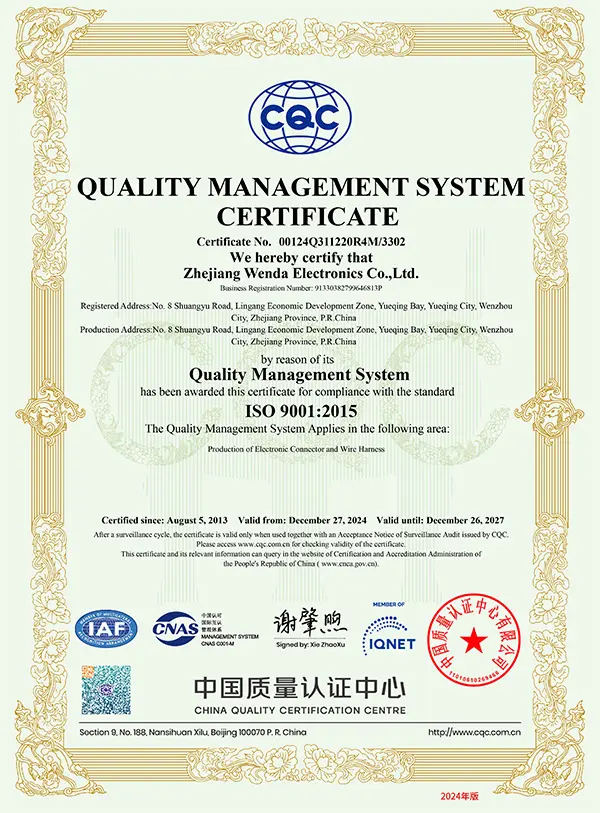
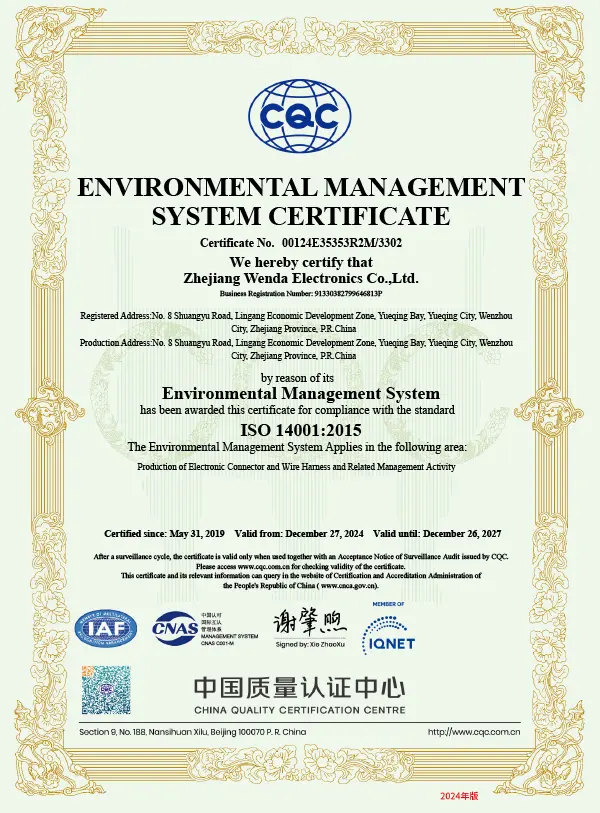
Wenda Electronics is committed to the highest quality control standards. We are fully certified to ISO9001:2015, ISO14001:2015, ISO45001:2018, and IATF16949:2016. Our products are UL, CQC, and CE certified, meeting global compliance standards.
Certification 1
Certification 2
Certification 3
Certification 4
Certification 5
Certification 6

The China Advantage: Manufacturing Efficiency & Supply Chain Resilience

For global procurement managers, component sourcing involves managing three primary risks: cost, lead-time volatility, and quality consistency. Sourcing from specialized Chinese hubs, particularly industrial clusters like Zhejiang, offers distinct advantages:

  • Integrated Material Ecosystems: From raw metal alloys for snap domes to high-performance plastics (LCP/PPS), the local raw material supply chain reduces shipping times and logistics costs.
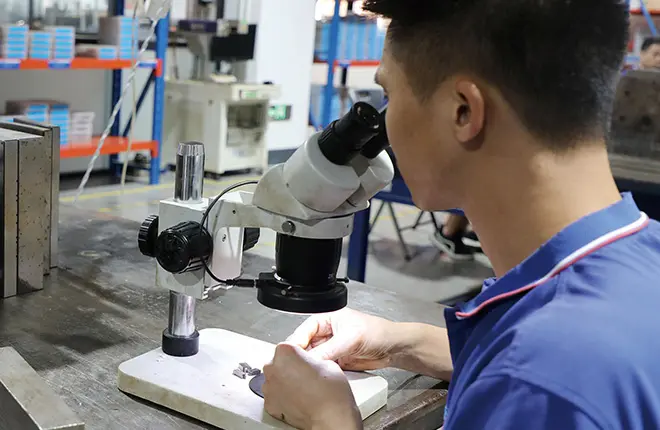
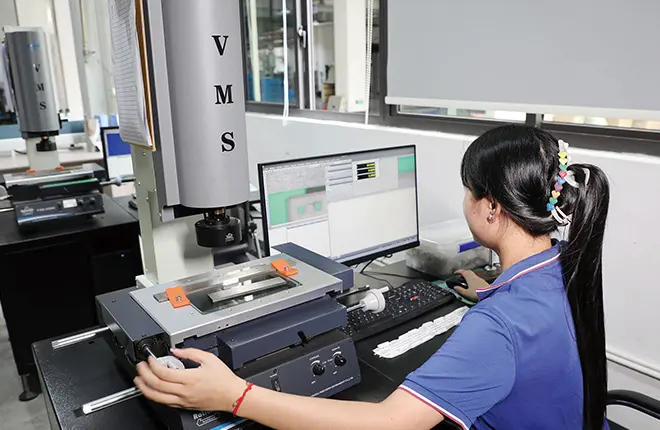
  • Automation & Quality Control: High-precision manufacturing utilizes automated systems that handle everything from stamping to inspection. Automatic optical inspectors (AOI) and CCD camera inspection systems check each switch in real time, ensuring high yield rates and component consistency.
  • Scalability and Customization: Chinese factories can scale production rapidly to meet sudden surges in market demand. Our facility handles both large-volume orders and customized specifications (such as adjusting haptic feedback profiles or contact geometry) efficiently.
Factory Operation 1
Factory Operation 2
Factory Operation 3
Factory Operation 4
Factory Operation 5
Factory Operation 6

Key Industrial Application Case Studies

Our components are integrated into diverse electronic sub-systems across various global markets:

New Energy Vehicle Applications

Automotive Systems

Providing high-voltage, temperature-resistant, and vibration-damped connection systems for EV power distribution units and steering interfaces.

Medical Device Applications

Medical Equipment

Delivering high-reliability, clean-room assembled sockets and terminal solutions for diagnostic imaging systems and wearable sensors.

Mobile Devices Applications

Consumer Electronics

Engineering low-profile, long-lifecycle board-to-board solutions and components for smartphones and high-density computing platforms.

Advanced Production & Testing Facilities

Reliable components require robust manufacturing processes and precise testing equipment.
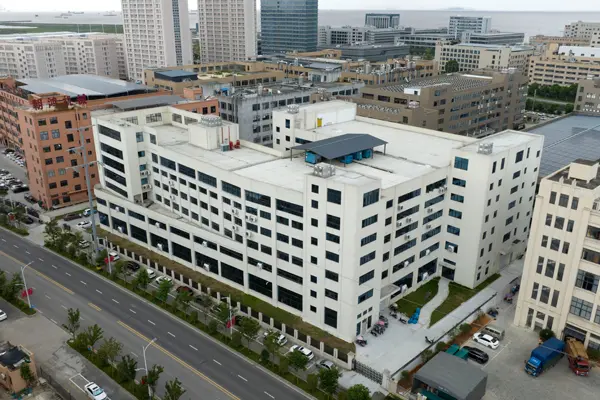
Wenda Electronics Main Campus Exterior

Company Campus

Designed to support high-efficiency, zero-defect logistics and advanced manufacturing operations.
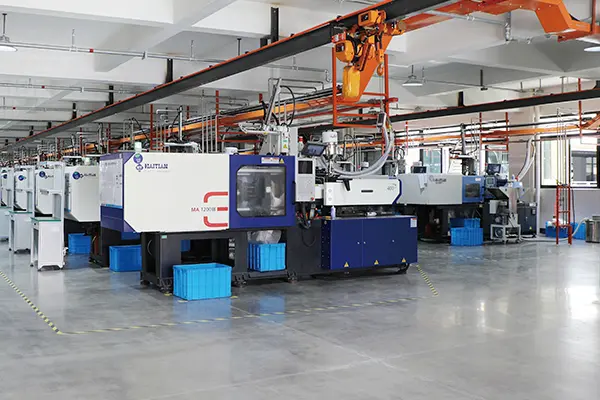
Precision Molding Facility

Precision Machinery

Equipped with high-speed automated production tools to maintain dimensional accuracy across large batches.
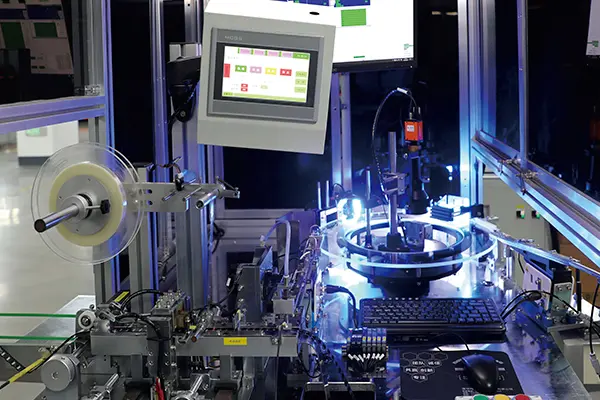
Testing and Quality Assurance Equipment

Quality Assurance

Comprehensive in-house testing lab featuring RoHS analyzers, cycle testers, and optical measurement tools.
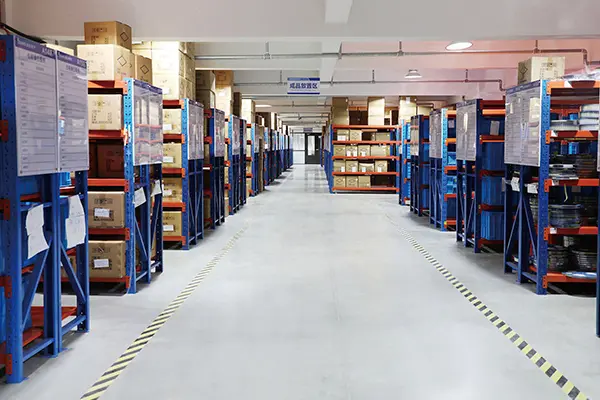
Assembly and Packaging Control

Final Product Area

Dust-controlled packaging and dispatch zones that protect components prior to international shipping.
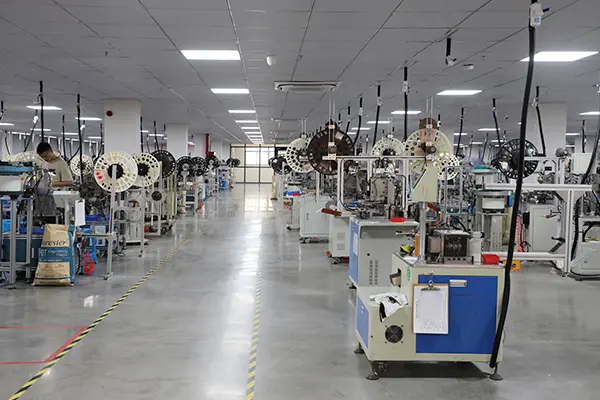
Research & Engineering Center

R&D Center

Dedicated engineering lab equipped with simulation software and prototyping equipment for custom client designs.
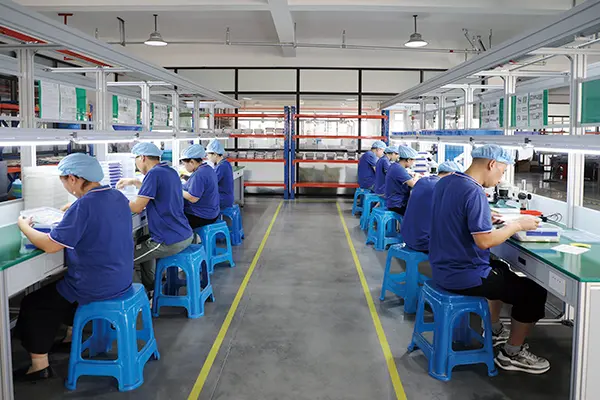
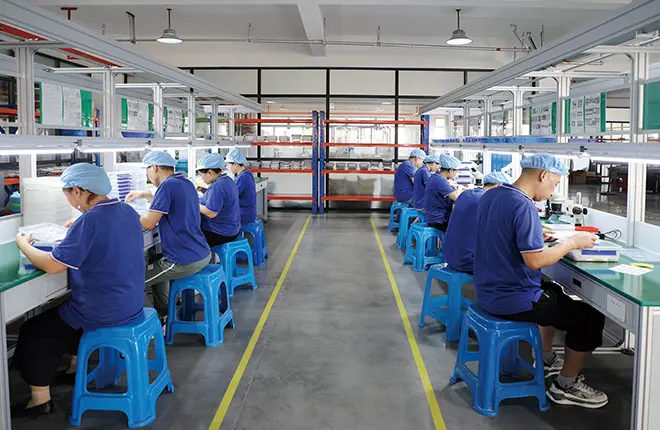
Quality Operations Staff

Dedicated Assembly

Skilled technicians working alongside automated lines to perform final quality checks.

Technological Evolution & Future Outlook

The electronic components industry continues to advance rapidly. Our engineering teams track several key product trends:

  • Micro-Tactility and Low Profiles: Device profiles are shrinking. The market is shifting from standard 3mm switches to ultra-thin versions (less than 1.5mm high) that fit easily onto high-density printed circuit boards.
  • Reliable Environmental Sealing: As outdoor wearables, smart home devices, and industrial sensors proliferate, IP67 and IP68 dust- and water-proofing are becoming standard requirements rather than optional features.
  • Reflow-Solderable Polymers: Newer lead-free soldering processes generate higher thermal profiles. Modern switches use polymers like LCP to ensure housings do not warp during reflow.
  • High Haptic Consistency: Actuation force variance must remain minimal. In multi-button panels, users notice if adjacent buttons require different tactile pressures.
Procurement Check: Always request reflow temperature graphs, material datasheets (MSDS), and cycle-life test reports from your switch manufacturer to verify the components will perform reliably in your specific operating environments.

Product Engineering Details

Explore technical configurations, pitch dimensions, and casing options across our product lines.
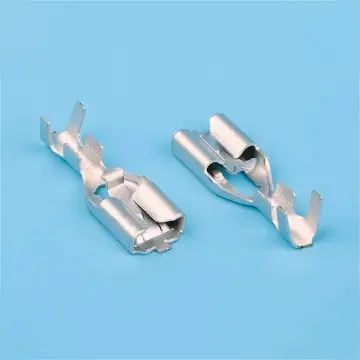
4.8mm 6.3mm Crimp Terminal

4.8mm 6.3mm Crimp Terminal Connector, Straight Barrel Spade Wire Terminal

Read Tech Data →
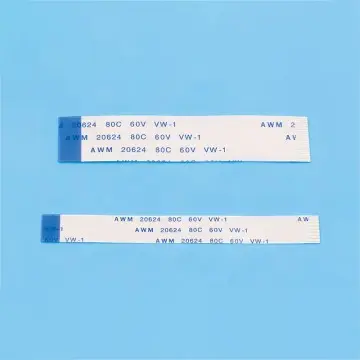
1.0mm Pitch Flat Flexible Cable

FFC Ribbon Cable Flat Flexible Cable 1.0mm Pitch 10-40 Pin for Printer LCD

Read Tech Data →
Flat Ribbon Flexible Cable

Flat Ribbon Cable for Printer LCD Monitor, FFC Flexible Cable 0.5mm 1.0mm Pitch

Read Tech Data →
5557 Pitch Double Row Pin Header

5557 4.2mm Pitch Double Row Pin Header Connector Wire to Board

Read Tech Data →

Frequently Asked Questions (FAQ)

Common technical and procurement queries regarding SMD button switches and electronic connectors answered by our engineering team.

What are the primary differences between SMD button switches and traditional through-hole tactile switches?

Through-hole tactile switches feature metal pins that insert through drilled holes in the PCB, providing strong mechanical retention but consuming routing space on multiple board layers. SMD switches sit directly on surface solder pads, saving layout space on the opposite side of the PCB, reducing weight, and enabling automated, high-speed reflow soldering.

How is the tactile response or haptic feedback of an SMD button switch measured?

Haptic feedback is defined by the click ratio, calculated as: (Actuation Force - Contact Force) / Actuation Force. Actuation force is the force required to depress the switch to its contact point (typically 100gf to 350gf). A well-designed click ratio provides a crisp tactile feel and a clear audible click without causing user fatigue.

What reflow soldering temperature profiles can your SMD components withstand?

Our SMD components utilize high-temperature thermoplastic resins like Liquid Crystal Polymer (LCP) and Polyamide 9T (PA9T). These materials are designed to withstand lead-free reflow profiles, with peak temperatures of 260°C for up to 10 seconds, meeting typical IPC/JEDEC J-STD-020 standards.

What certifications does Zhejiang Wenda Electronics maintain for global export?

Wenda Electronics operates under certified quality management systems including ISO9001:2015, ISO14001:2015, and ISO45001:2018. For automotive programs, we conform to IATF16949:2016. Our product lines hold international safety and compliance marks including UL, CE, CQC, and RoHS certifications.

Can you custom-engineer tactile force and travel distances for specific applications?

Yes. Our in-house engineering and R&D center can design, prototype, and manufacture custom internal contact dome profiles to meet specific actuation forces (e.g., 160gf, 250gf, 320gf) and key travel limits (e.g., 0.15mm to 0.5mm) based on your application needs.

Browse Our Complete Product Line

Additional electronic connectors, FPC sockets, and high-frequency ribbon cables for advanced PCB layouts.
Gold Plated FPC FFC Socket

Wholesale ‌Gold Plated 0.5mm Pitch Rear Press Down SMT FPC FFC Socket

View Details →
Crimp Terminal Connector

China 4.8mm 6.3mm Crimp Terminal Connector, Straight Barrel Spade Wire Terminal

View Details →
FPC Connector 1.0mm Pitch

Wholesale FPC Connector FFC 1.0mm Pitch 2.5mm Height Horizontal SMT Socket

View Details →
0.5mm Pitch Gold Plated FPC FFC Connector

China 0.5mm Pitch Gold Plated Bottom-Entry FPC/FFC Connector Butterfly Lock

View Details →
SM2.54 Connector Set

Wholesale SM2.54 Compatible Connector Set 2.54mm Pitch Male & Female Housing

View Details →
Gold Plated Hinged Flip Lock Connector

China 0.5mm Pitch Gold Plated Hinged Flip-Lock FPC/FFC Connector Horizontal SMT

View Details →
Automotive SMT Connector

China 213226 1.5mm Pitch Automotive Connector SMT Vertical Horizontal Mount

View Details →
0.3mm Pitch Ultra Slim LCD FPC Connector

Wholesale 0.3mm Pitch Ultra-Slim 1.0H LCD FPC Connector Double-Row

View Details →