 Wenda Electronics
Wenda Electronics
Wenda Electronics
Explore our top-tier inventory of high-density flat flexible cable (FFC) and flexible printed circuit (FPC) components engineered to eliminate signal attenuation and optimize PCB real estate.
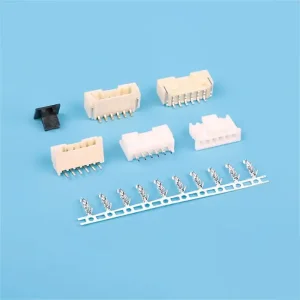
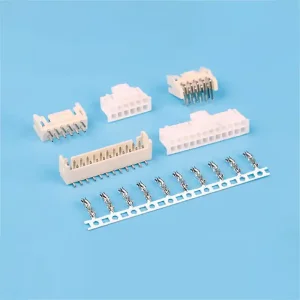
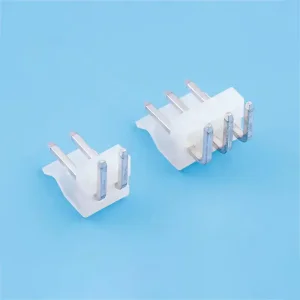
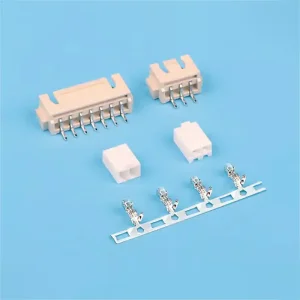
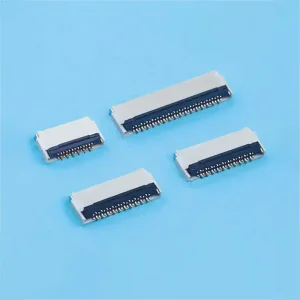
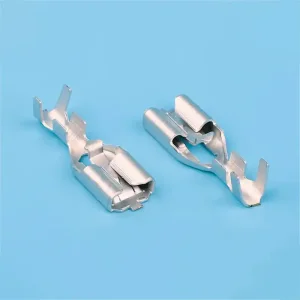
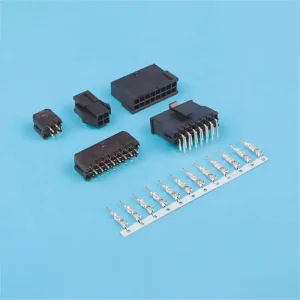
An academic and industrial deep-dive into physical constraints, electromagnetic performance, and reliable contact chemistry in sub-millimeter interconnect systems.
In modern electronic system architectures, the drive towards miniaturization while maintaining high-speed signal propagation has pushed standard ribbon and discrete wire solutions beyond their functional limits. The 0.5mm Pitch FFC FPC Adapter Board serves as the critical bridge, converting high-density micro-pitch signals to testable, route-friendly interfaces, or adapting rigid-flex structures to standardized system motherboards.
At a 0.5mm pitch, contact geometry must compensate for micro-vibrations and insertion misalignment. Employing phosphor bronze base substrates finished with high-purity gold plating (typically 1-3 micro-inches over nickel underplate) ensures a gas-tight contact zone with minimal contact resistance (<30mΩ) even after dozens of mating cycles.
As system clock speeds climb, standard single-ended coplanar strip-lines on flexible cables are susceptible to electromagnetic interference (EMI). Integrating Ground-Signal-Ground (G-S-G) pinning configurations on adapter boards mitigates crosstalk, ensuring controlled characteristic impedance of 50Ω single-ended or 100Ω differential pairs.
High-performance adapter substrates utilize high-Tg FR-4, Polyimide (PI), or Liquid Crystal Polymer (LCP) insulators capable of surviving standard Pb-free reflow profiles (up to 260°C peak). This prevents pad delamination and thermal shrinkage under prolonged thermal cycling in demanding automotive and industrial layouts.
Furthermore, the mechanical locking mechanisms (such as hinged flip-locks, drawer pull-tabs, and butterfly latch systems) play a vital role. By translating insertion force along a controlled vector, these locking mechanisms guarantee uniform normal force across all conductive contacts. This effectively reduces contact resistance drift and eliminates intermittent circuit failures typical of poor mechanical designs.
Empowering Global Electronics Supply Chains through Cutting-Edge Precision Tooling and IATF 16949-Certified Intelligent Manufacturing.
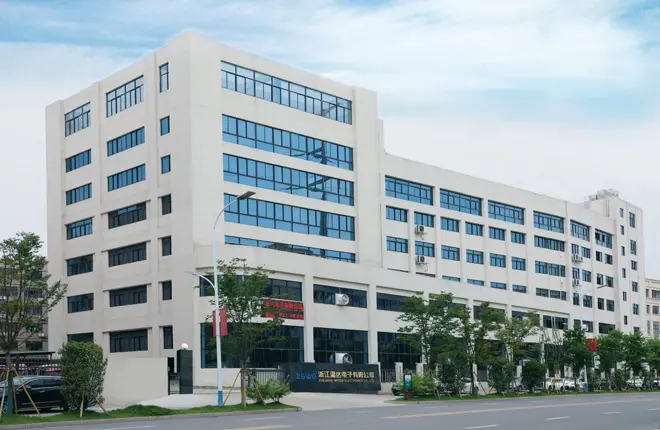
Founded in March 2007, Zhejiang Wenda Electronics Co., Ltd. has established itself as an elite player in the electronic and automotive interconnect field. Nestled in the Southern foot of the scenic Yandang Mountain within the Yueqing Bay Lingang Economic Development Zone, our strategic location positions us near the 104 National Highway, the Ningbo-Taiwan-Wenzhou Expressway, and 50 kilometers from Wenzhou Airport and Railway Station, right alongside the Wenzhou Light Rail Line S2. This ensures flawless regional logistics and rapid shipping access globally.
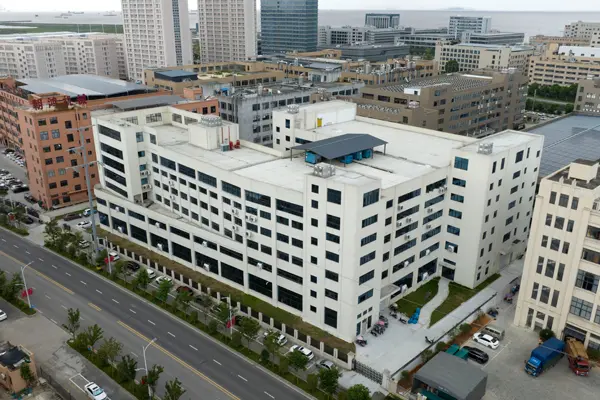
Spanning a robust physical footprint of over 10,000 square meters (with an expansive construction area exceeding 25,000 square meters), Wenda employs more than 500 seasoned professionals. We specialize in the integrated R&D, structural design, precision molding, and massive scaling of highly sophisticated electronic connectors, new energy automotive interfaces, and customized electronic wiring harnesses.

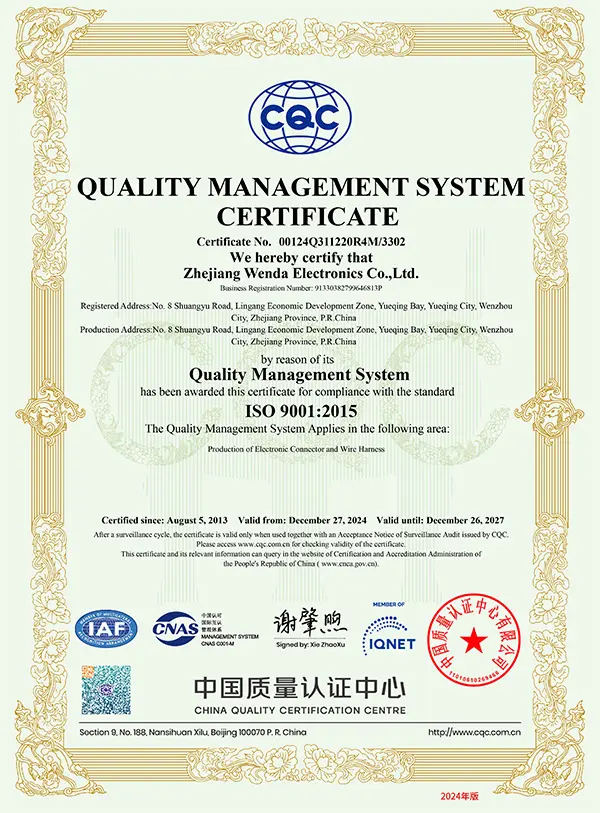
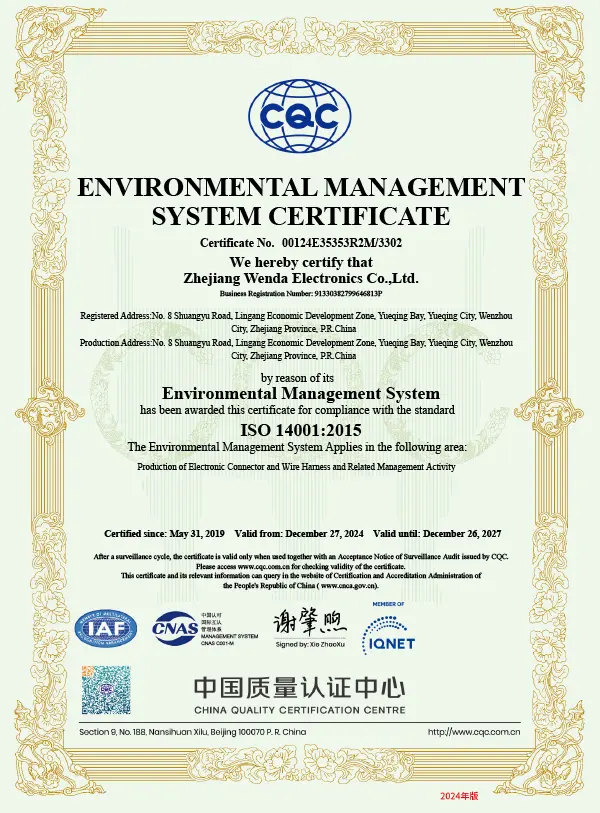
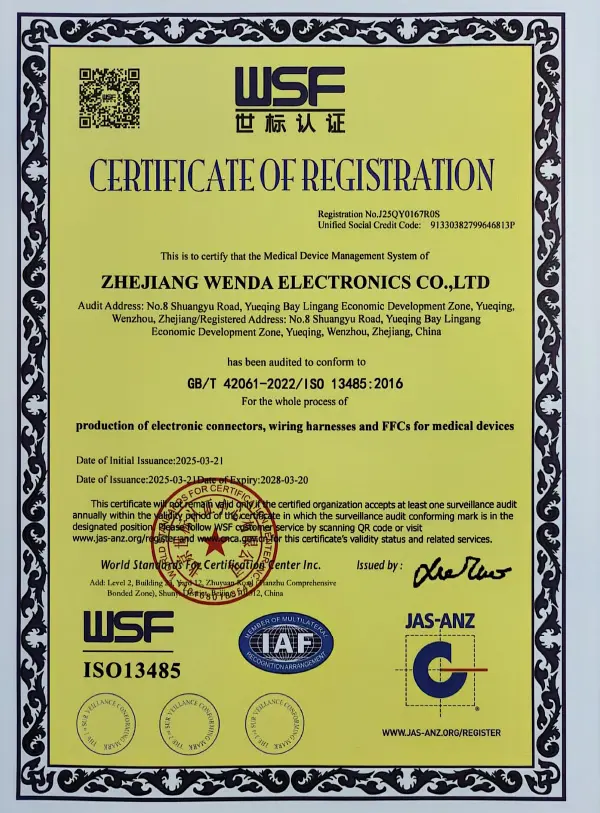
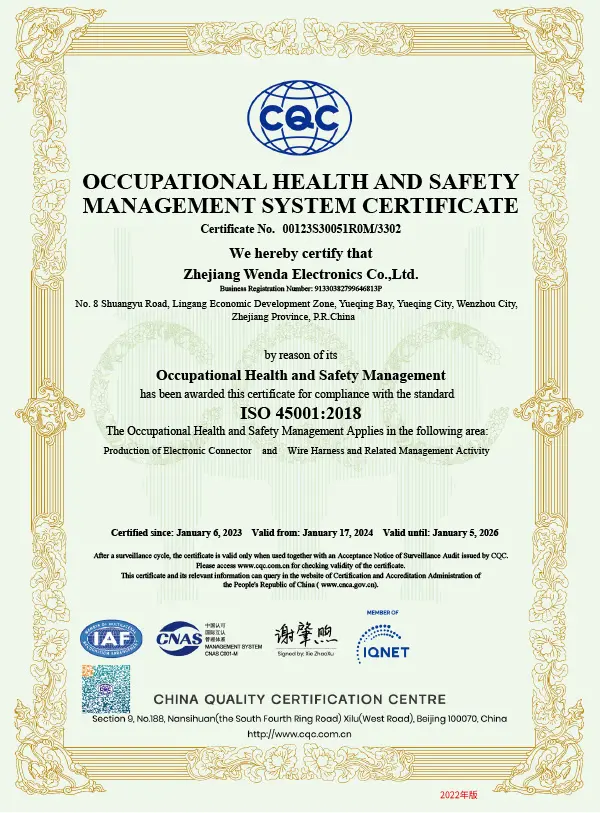
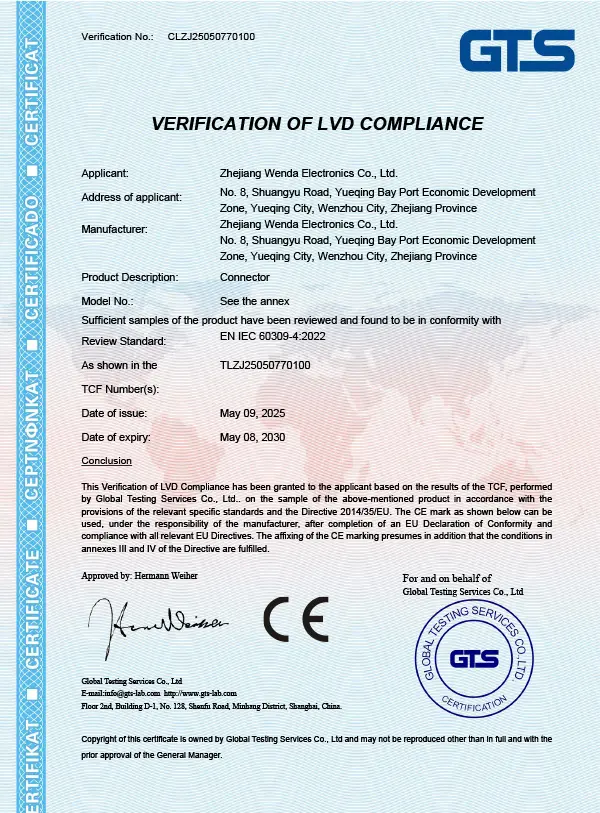
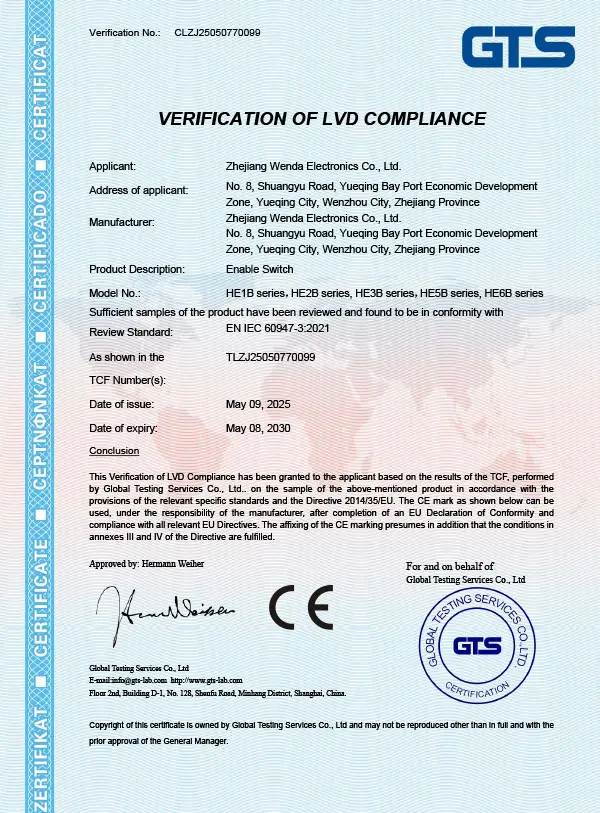
To address stringent quality mandates, our products strictly adhere to the highest standard protocols, backed by an elite set of certifications: ISO9001-2015, ISO14001-2015, ISO45001-2018, IATF16949-2016, QC080000-2017, alongside product marks from UL, CQC, and CE.
From electromagnetic environments of high-voltage electric vehicles to precision lifelines in medical hardware, our connectors provide uncompromising signal transfer.

Connectors act as crucial carriers for "power transmission + safety protection + intelligent interaction + mechanical adaptation" inside next-generation EV chargers. As automotive platforms migrate toward high-voltage 800V architectures and ultra-fast 480kW charging stations, FFC/FPC interconnects are rapidly upgrading to feature increased thermal ratings, compact space footprints, and high noise immunity, leading breakthroughs in modern vehicle BMS and infotainment hubs.
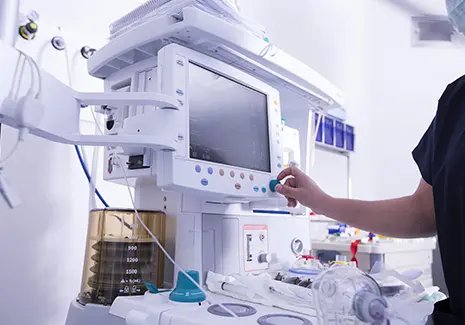
Medical-grade interconnect assemblies must act as high-precision carriers for biometric data and zero-failure power channels. With patient monitoring expanding to remote wearable tracking devices and minimally invasive digital cameras, 0.5mm FFC adapters are designed to withstand aggressive sterilization environments, integrated ESD protections, and unique mechanical latch lockings to secure constant diagnostic uptime.

Modern mobile handheld devices rely on internal FPC connectors to coordinate high-speed signal distribution. Our ultra-thin 0.5mm pitch FFC/FPC connectors support foldable panel mechanics, rapid data transmission lines, and severe space limitations. Built-in gold plating resists sweat corrosion, while ultra-low profile drawer systems optimize vertical space clearance without compromising signal integrity.
How Zhejiang Wenda Electronics integrates full-spectrum digital inspection, advanced high-speed punching, and local raw material ecosystems to guarantee cost-competitive, zero-defect delivery.
Wenda's production flow mandates that 100% of finished connector components undergo automated optical inspection (AOI) via advanced CCD visual systems. We isolate spatial deviations down to the micrometer level, eliminating bent terminals, plastic burrs, or coplanarity anomalies before dispatch.
Wenda’s industrial infrastructure hosts over 500 sets of specialized manufacturing and analytical instruments. This extensive fleet includes high-speed precision stamping lines, micro-injection molding machines, automatic high-temperature laminating platforms, reflow ovens, and precise substance analyzers such as 2D coordinate meters, RoHS testers, and X-ray coating thickness meters.
Having our own dedicated tooling workshop drastically slashes lead times for bespoke adapter revisions (ODM/OEM designs). We prototype custom 0.5mm FPC structures in as fast as 7 days, maintaining a local raw material safety reserve of copper alloys, high-performance engineering plastics (LCP, PPS, PA9T), and plating chemicals to shield buyers from global logistics fluctuations.
Strategically situated within China's premier electrical cluster in Wenzhou, Zhejiang, we leverage a consolidated industrial ecosystem. From high-grade brass mills to packaging specialists, every input material is sourced within a 50km radius. This maximizes cost savings which are directly passed along to global wholesale customers.
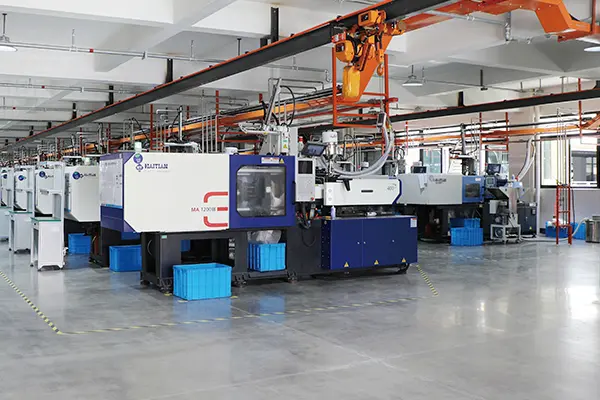
Processing high-performance LCP and nylon resins under tight thermal controls to avoid plastic warp.
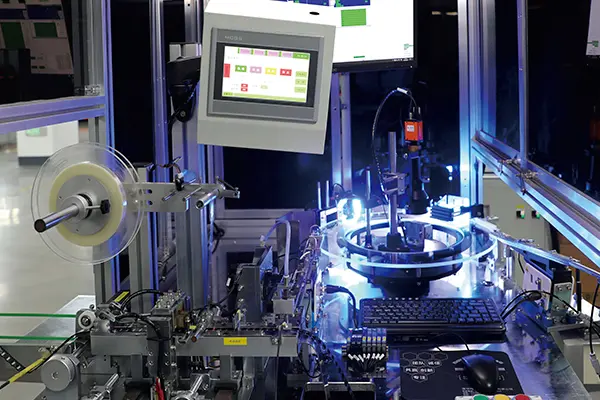
Producing thousands of terminal contacts per minute with extreme pitch uniformity and zero tolerance for distortion.
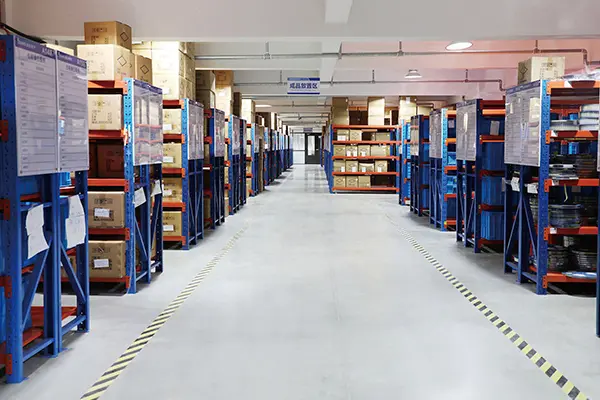
Climate-controlled inventory area preventing dust intrusion and micro-oxidation of gold contacts.
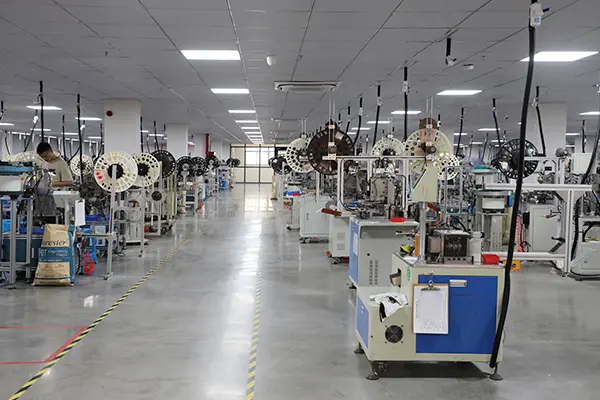
In-house engineering formulating custom pinning layouts, footprint modifications, and simulated thermal profiling.
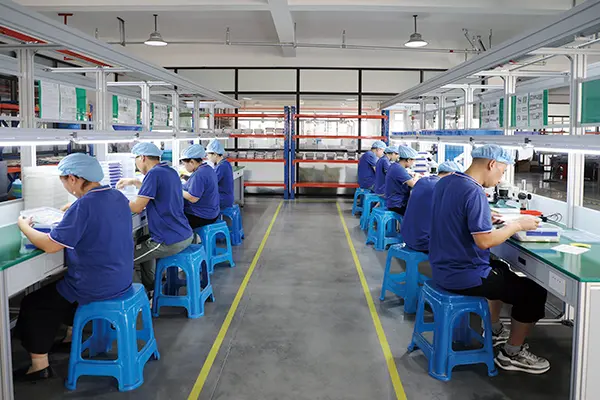
Comprehensive inspection standards ensuring every shipment meets ISO 9001 and IATF 16949 parameters.
Processing high-precision multi-functional computer wire stripping and termination for complex systems.
How Wenda Connector plans to scale material performance, micro-pitch geometry, and dynamic impedance stability for high-speed protocols.
As microprocessors push I/O density to unprecedented extremes and high-speed data buses (like PCIe 6.0 and USB4) gain universal adoption, standard flexible connections encounter strict signal degradation and mechanical strain barriers. To answer these obstacles, our engineering department outlines Wenda's strategic development vectors over the coming decade:
| Performance Domain | Current Benchmark (2025) | Advanced Roadmap (2027) | Future Benchmark (2030) |
|---|---|---|---|
| Pitch & Miniaturization | 0.5mm / 0.3mm ultra-slim (1.0H profile) | 0.2mm high-density hybrid configurations | 0.15mm pitch sub-micron coplanarity lines |
| Data Transmission Limits | Up to 10 Gbps (SATA, USB 3.2 Gen 2) | Up to 20 Gbps (USB4, customized LVDS) | Multi-channel PAM4 architecture support (>40 Gbps) |
| Base Plastic Formulation | Liquid Crystal Polymer (LCP) / PA9T | Halogen-Free high-Tg modified polymers | Ultra-low loss bio-based biodegradable matrices |
| Plating Techniques | Flash gold-over-nickel electrolytic plating | Hard gold alloy selective pulse-plating | Atomically layered barrier coatings for anti-tarnish |
Our design experts address highly specific questions, detailing mechanical selection, signal matching, and tooling customization parameters.
ZIF (Zero Insertion Force) uses a moving mechanical actuator (such as a flip-lock hinge or drawer-style slide) to secure the cable insert. During assembly, the flexible circuit suffers zero friction stress, extending plating life and securing high normal pressure. LIF (Low Insertion Force) does not use a moving lock; instead, high-tolerance plastic guide walls create a localized interference fit. LIF is typically chosen for low-cycle cost-constrained applications where the mating connection remains undisturbed throughout the product's lifespan.
Tin whiskers are crystalline growths that cause electrical shorts in high-density pitches. At Wenda Electronics, we prevent this by utilizing nickel underplatings (1.27 to 2.54 micrometers thickness) to create a mechanical barrier against copper-tin intermetallic diffusion. Additionally, we enforce matte tin or high-purity gold finishing steps combined with post-plate thermal annealing profiles, completely satisfying aerospace and automotive compliance standards.
Horizontal SMT FPC sockets possess internal contact cantilever beams located on either the top or bottom of the plug-in throat. If the flexible circuit's exposed pads face downward, a bottom contact version is required. Choosing the wrong configuration isolates the signal line completely. Wenda also designs dual-contact models to simplify BOM logistics, accommodating top and bottom inputs in a single part number.
The IATF 16949 certification mandates robust process failure mode and effects analysis (PFMEA), exhaustive traceability, and statistical process control (SPC) charts. Non-automotive customers (e.g., medical diagnostics, high-reliability IoT, and rugged drones) benefit directly from reduced manufacturing defect variance, complete trace records for individual production lots, and highly stable thermal cycling endurance.
Review our advanced portfolio of micro-crimps, drawer-type latches, and extreme temperature vertical connectors designed for absolute operational stability.
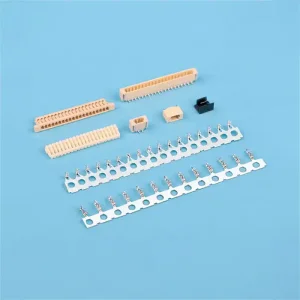
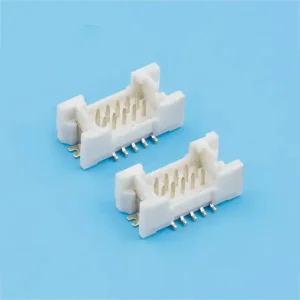
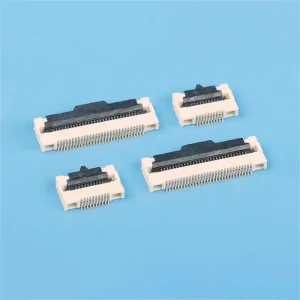
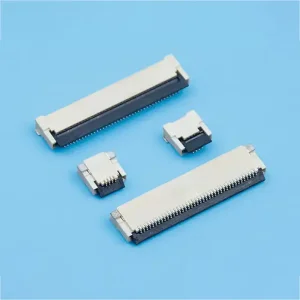
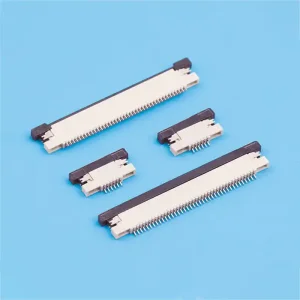
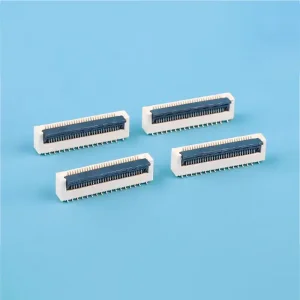
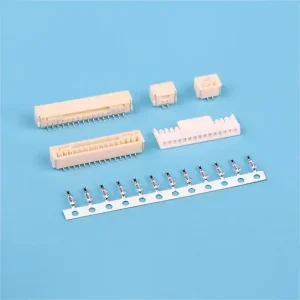
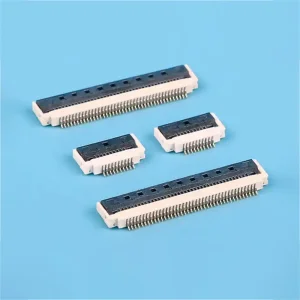
Integrating legacy cable designs, high-pitch jumpers, and robust termination accessories built for standard consumer applications.