 Wenda Electronics
Wenda Electronics
Wenda Electronics
Explore our top-performing electrical cable sizes, board-to-board links, and FFC/FPC ribbon solutions engineered to strict industry specifications.
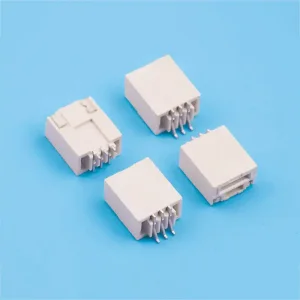
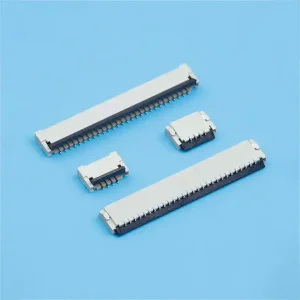
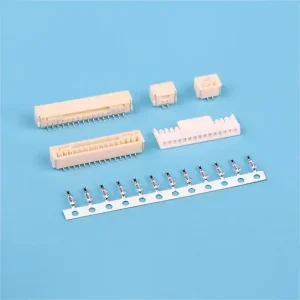
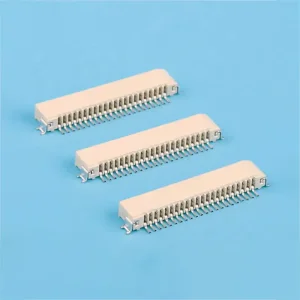
A complete guide to sizing selection, impedance matching, and manufacturing standards for global electronic supply chains.
In modern electronic architecture and electrical engineering, the select criteria for electrical cable sizes, pitch dimensions, and contact interfaces constitute the bedrock of system efficiency and safety. As devices trend towards aggressive miniaturization alongside escalating power density requirements, traditional cabling solutions face strict physical limits. Choosing the correct electrical cable size involves managing geometric limitations, current carrying capacity (ampacity), signal integrity, and environmental vulnerabilities.
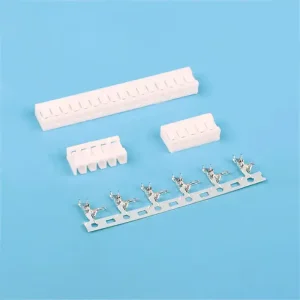
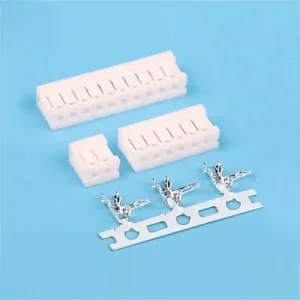
For standard electrical systems, wire size is traditionally expressed in AWG (American Wire Gauge) or mm² cross-sectional area. However, in the high-density electronics sector, cable size must be evaluated alongside the connector pitch. The connector pitch (e.g., 0.5mm, 1.0mm, 1.25mm, 1.5mm, 2.0mm, 2.5mm, and 4.2mm) determines the physical boundaries of the wiring configurations. A smaller pitch requires a thinner wire gauge (such as 28 AWG to 32 AWG) to ensure successful crimping and insertion into miniaturized housings.
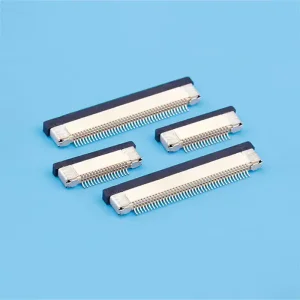
For example, a 0.5mm pitch FFC/FPC connector is typically designed for ultra-thin flat flexible ribbon cables with thickness tolerances measured in microns. Conversely, a 4.2mm pitch connector accommodates heavier AWG ratings (typically 16 AWG to 22 AWG), facilitating high-current delivery up to 9 Amps per circuit. Misaligning these physical cable sizes with corresponding pin pitches leads to terminal stress, higher contact resistance, and eventual electrical failure.
Advanced connector sets are tailored for specific application fields, each governed by its own mechanical and thermal constraints:
Reliability in cable assembly is determined by material purity and manufacturing tolerances. Phosphor bronze terminals with selective gold plating offer low contact resistance and high corrosion resistance. Standard tin-plated alternatives can experience fretting corrosion under thermal stress, causing intermittent failures. Our factory integrates premium liquid crystal polymer (LCP) and nylon (PA66, PA9T) housings with UL 94V-0 flammability ratings to protect systems under peak temperatures up to 260°C during reflow soldering.
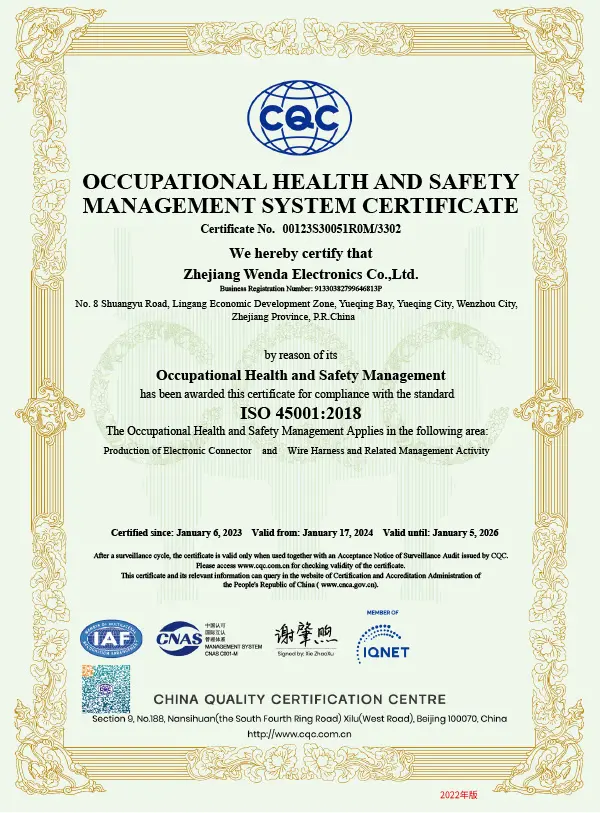
With certifications including ISO9001:2015, ISO14001:2015, ISO45001:2018, QC080000, CE, CQC, and UL, our supply chain ensures regulatory compliance for international markets. We employ automated CCD inspection systems alongside multi-functional continuity testers to verify electrical performance, guaranteeing every batch meets strict performance specifications.
Discover our comprehensive precision production facility, raw material controls, and automated manufacturing processes.
Located in the Lingang Economic Development Zone of Yueqing City, Zhejiang Province—the manufacturing hub of precision electronics. Our facility spans over 10,000 m² of land area with a 25,000 m² construction footprint, strategically positioned near the Wenzhou Airport, High-Speed Railway, and deep-water ports for efficient global shipping.
Equipped with over 500 sets of advanced machinery including high-speed precision punching machines, precision injection molding machines, fully-automated wire strippers, FFC laminators, and high-resolution CCD automated checking systems. This vertical integration allows us to design, stamp, mold, and test connectors in-house.
We enforce a comprehensive testing system utilizing 2D visual coordinate measuring tools, RoHS analyzers, plating thickness testers, reflow soldering test ovens, and multi-pin wire harness continuity analyzers to guarantee quality across all batches.

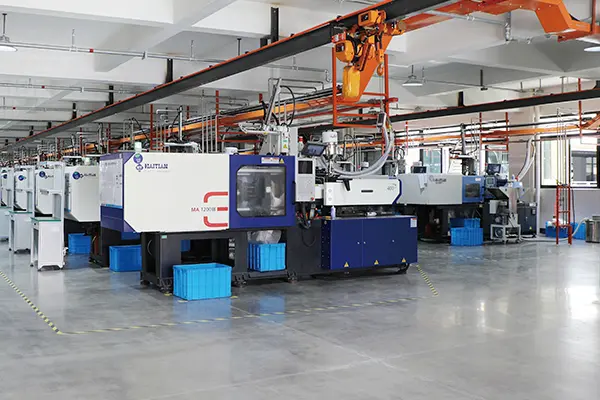
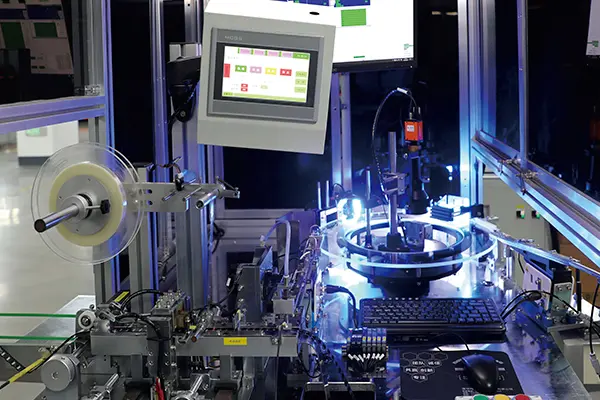

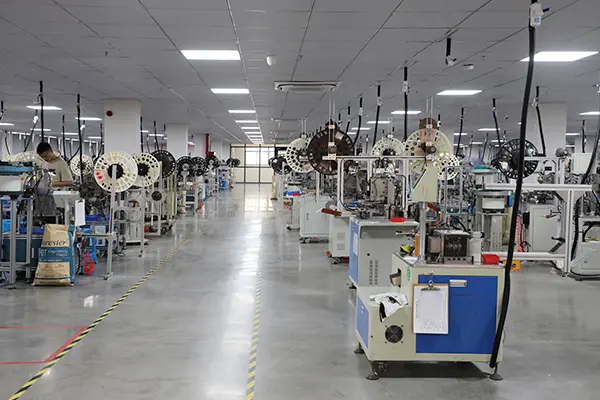


Our engineering, ecological, and manufacturing systems match the requirements of high-standard global supply networks.


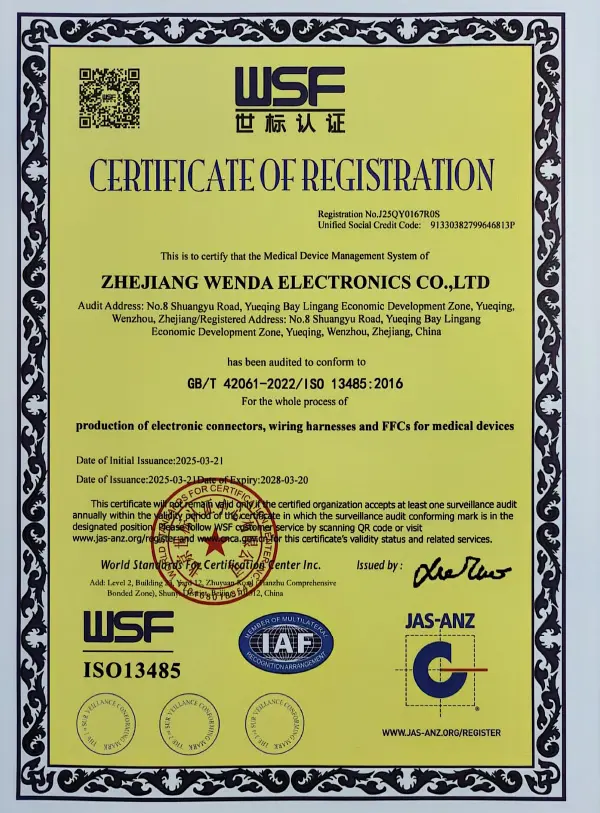


Bridging electrical and electronic systems with target-designed connectors engineered for high load, data integrity, and extreme environments.

High-voltage battery packs, charging ports, and internal wiring harnesses require vibration-proof connections. Operating systems use automotive-grade headers with secure locking clips to ensure uninterrupted connectivity under mechanical stress.

Medical devices demand low-loss signal transfers and biocompatible shielding. Gold-plated micro-connectors ensure transmission reliability in critical diagnostic monitors and ultrasound machinery.

Ultra-low profile FPC drawers (down to 1.2mm board-to-board profiles) maximize battery layouts and internal components, offering dependable contact integrity over repeated plug cycles.
Evaluating supplier capabilities, supply chain optimization, and total cost of ownership (TCO) in precision connector integration.
In the global connector landscape, sourcing from a vertically-integrated China factory like Zhejiang Wenda Electronics provides critical competitive advantages:
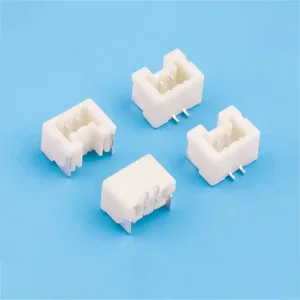
The connector industry is transitioning towards high-frequency transmission capabilities. With standard transmission protocols processing multi-gigabit payloads, cables and connectors must mitigate electromagnetic interference (EMI). The use of shielded FFC configurations and gold-plated vertical-mount housings minimizes impedance fluctuations, ensuring signal path stability in sensitive communication and imaging devices.
Quick answers to common engineering, procurement, and technical design questions.
Review our extensive range of high-temperature adapters, battery sockets, and ribbon cable options.
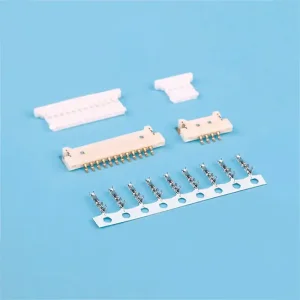
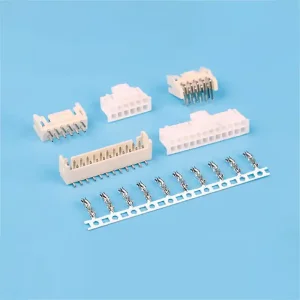
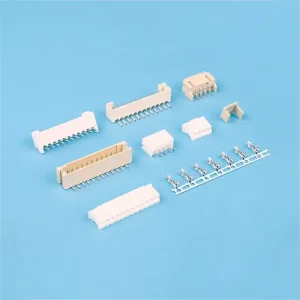
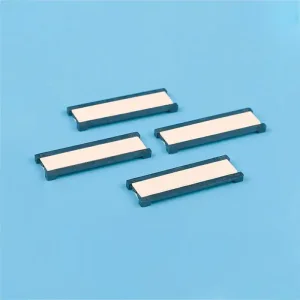
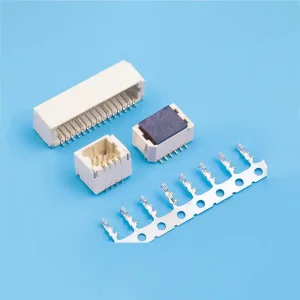
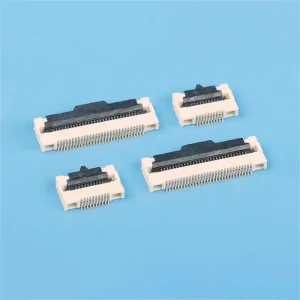
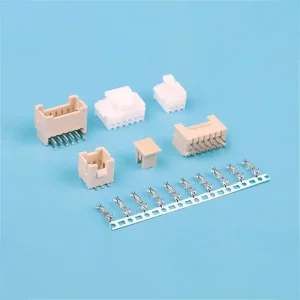
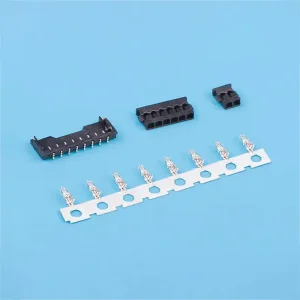
Review our specialized terminal pins and flexible ribbons designed for standard LCD interfaces, printers, and board connectors.
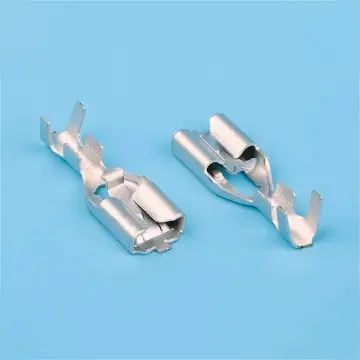
Straight barrel spade wire terminals designed for clean electrical termination inside high-load appliances and automotive relay boxes.

Flat flexible ribbon cables featuring 10-40 pins, customizable lengths from 10cm to 100cm, designed for high-density LCD monitors and laser printers.
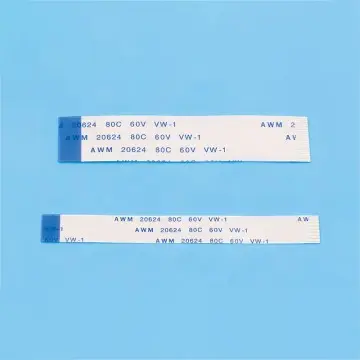
Flat ribbon jumper cables in 0.5mm and 1.0mm pitch profiles, customized for cross-board wiring layout configurations.
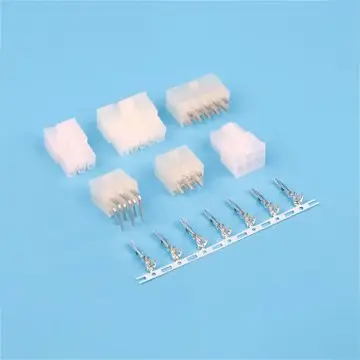
Double-row pin header strip connectors configured for robust power supply feeds in computer motherboards and industrial controls.