 Wenda Electronics
Wenda Electronics
Wenda Electronics
Explore our high-performance FFC/FPC sockets, board-to-board connectors, and custom wire harnesses designed for zero-defect manufacturing.
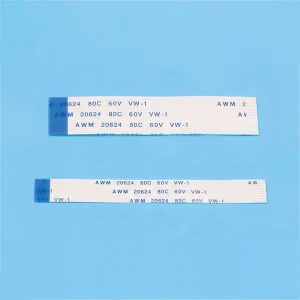
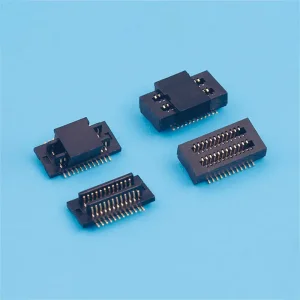
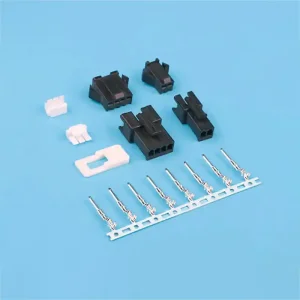
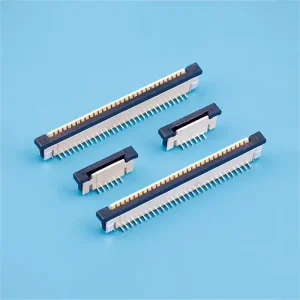
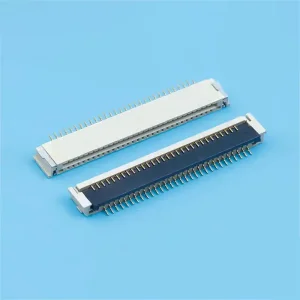
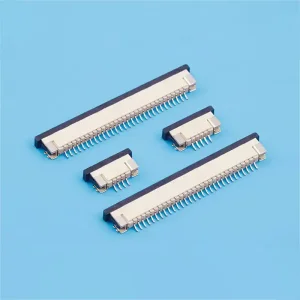
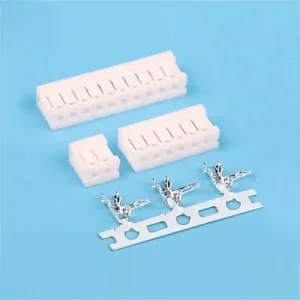
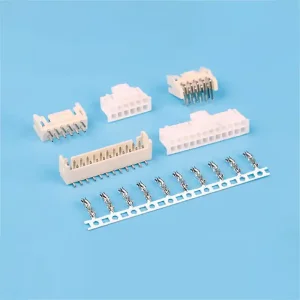
Analyzing the evolution of dual-contact FFC/FPC sockets in high-density, high-speed electronic systems.
In the rapidly advancing landscape of microelectronics, the demand for high-density, high-reliability interconnect systems has never been more critical. The Top-Bottom Contact FFC (Flexible Flat Cable) socket stands at the forefront of this evolution. Traditionally, hardware engineers had to choose between top-contact and bottom-contact configurations based on PCB trace routing constraints. This dual-inventory approach added complexity to procurement, increased warehousing costs, and limited design flexibility.
The modern top-bottom contact FFC socket solves this dilemma by integrating dual-contact points within a single connector housing. This design allows the flexible flat cable to be inserted with the exposed conductive traces facing either upward or downward, establishing a secure electrical connection in both orientations. As we look toward the future, the technical roadmap for these connectors is defined by three major vectors: miniaturization, high-speed signal integrity, and automated assembly optimization.
"By eliminating the physical constraints of single-sided contact interfaces, top-bottom contact FFC sockets reduce PCB design cycles by up to 15% and cut component SKU counts in half."
Transitioning from standard 1.0mm and 0.5mm pitches down to 0.3mm and 0.2mm configurations. This enables high-density routing in space-constrained applications like wearable medical devices and foldable smartphones without compromising mechanical retention force.
Optimizing contact geometry and utilizing advanced liquid crystal polymers (LCP) to support high-speed data transmission protocols such as HDMI 2.1, USB 3.2, and PCIe Gen 4. Impedance matching and crosstalk reduction are engineered directly into the dual-contact profile.
Developing next-generation flip-lock and back-flip actuators that provide tactile feedback to operators, ensuring complete insertion and locking. This minimizes assembly errors on high-speed SMT production lines.
How top-bottom contact FFC sockets drive innovation across critical industrial sectors.
Interconnect components are the nervous system of modern industrial machinery, automotive platforms, and consumer devices. A failure in a single contact point can lead to catastrophic system downtime or safety hazards. Below, we explore how our specialized FFC sockets are engineered to meet the rigorous demands of key global industries.
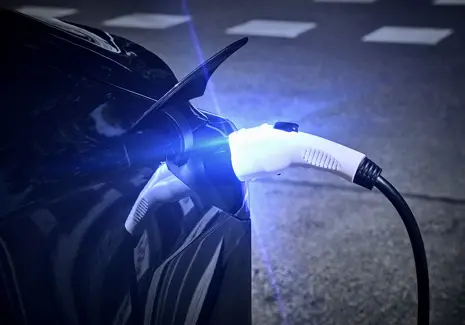
In the automotive sector, particularly within electric vehicles (EVs) and Advanced Driver Assistance Systems (ADAS), connectors must withstand extreme thermal cycling, continuous vibration, and electromagnetic interference (EMI). Our top-bottom contact FFC sockets are utilized in Battery Management Systems (BMS), infotainment displays, and radar/lidar sensor arrays. Compliant with IATF 16949 standards, these sockets feature high-temperature resistant housings (up to 180°C) and robust locking mechanisms to prevent accidental disconnection under mechanical stress.
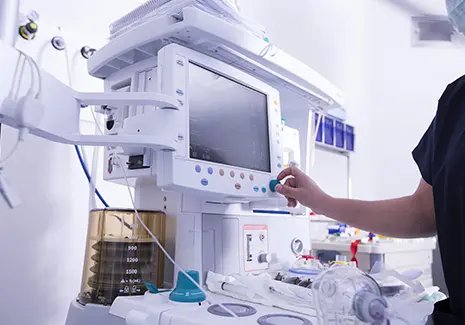
Medical electronics demand absolute precision and biocompatibility. From patient monitoring systems and ultrasound probes to portable diagnostic devices, our 0.5mm and 1.0mm pitch FFC sockets provide low contact resistance and high mating cycle durability. The gold-plated contact options prevent oxidation, ensuring clean analog and digital signal transmission over decades of operation.
For smartphones, tablet computers, printers, and smart home appliances, space optimization is the primary design driver. The low-profile design of our horizontal SMT FFC sockets (with heights as low as 2.5mm) allows engineers to maximize internal battery space. The dual-contact capability simplifies the routing of flexible jumpers from the main PCB to auxiliary boards, LCD panels, and camera modules, streamlining the assembly process and reducing manufacturing costs.
Robotic arms, automated guided vehicles (AGVs), and industrial control panels require flexible cabling that can endure millions of bending cycles. Our FFC jumper wires, paired with top-bottom contact sockets, offer a highly reliable alternative to bulky wire harnesses, facilitating smooth dynamic motion and reducing the overall weight of moving assemblies.
Inside Zhejiang Wenda Electronics Co., Ltd. – A state-of-the-art manufacturing powerhouse.

Founded in March 2007, Zhejiang Wenda Electronics Co., Ltd. has grown into a premier high-tech enterprise specializing in the R&D, manufacturing, and global marketing of precision electronic connectors, new energy connectors, and automotive wire harnesses. Located in the Yueqing Bay Lingang Economic Development Zone, Zhejiang Province, our facility spans over 10,000 square meters of land with a construction area exceeding 25,000 square meters.
With a dedicated workforce of over 500 skilled professionals, Wenda Electronics operates at the intersection of high capacity and extreme precision. Our strategic location offers unparalleled logistical advantages: we are situated close to the 104 National Highway, adjacent to the Ningbo-Taiwan-Wenzhou Expressway, and just 50 kilometers from Wenzhou Airport and Railway Station, with immediate access to the Wenzhou Light Rail Line S2. This ensures rapid transit of raw materials and swift global shipping of finished products.
Our commitment to "zero-defect" manufacturing is backed by an inventory of over 500 sets of advanced production and testing equipment. Our workshops are equipped with high-speed precision punching machines, precision injection molding machines, fully automatic integrated assembly lines, and FFC-automatic laminating and molding machines.
To guarantee the mechanical and electrical integrity of every connector, we employ a rigorous multi-stage quality control protocol. This includes CCD fully automatic optical detection and packaging systems, two-dimensional measuring instruments, RoHS testers, X-ray film thickness detectors (for plating thickness control), reflow soldering simulators (to verify SMT thermal resistance), multi-function wire testers, and wire harness continuity testers. Every batch of top-bottom contact FFC sockets undergoes strict coplanarity testing to ensure flawless soldering during our customers' SMT processes.
Meeting the world's most stringent environmental, safety, and automotive standards.
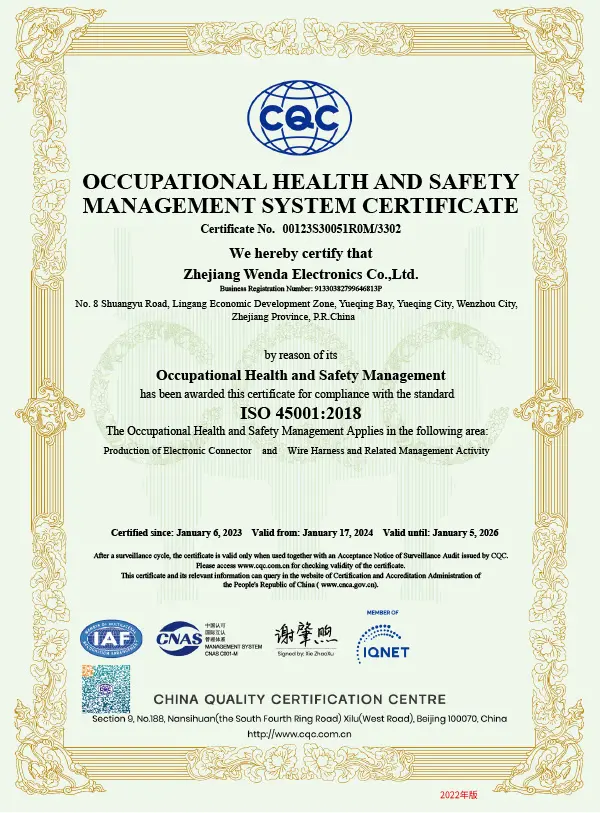
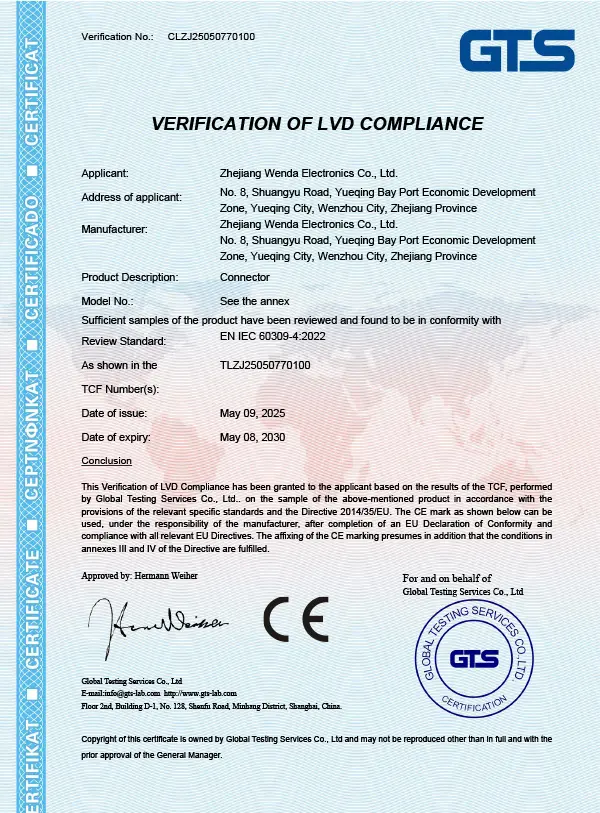
For global procurement managers, compliance is not optional—it is the foundation of trust and operational continuity. Zhejiang Wenda Electronics has systematically aligned its operations with international standards to mitigate risk and ensure seamless integration into global supply chains. We have achieved comprehensive certifications across quality, environmental management, and occupational health systems:
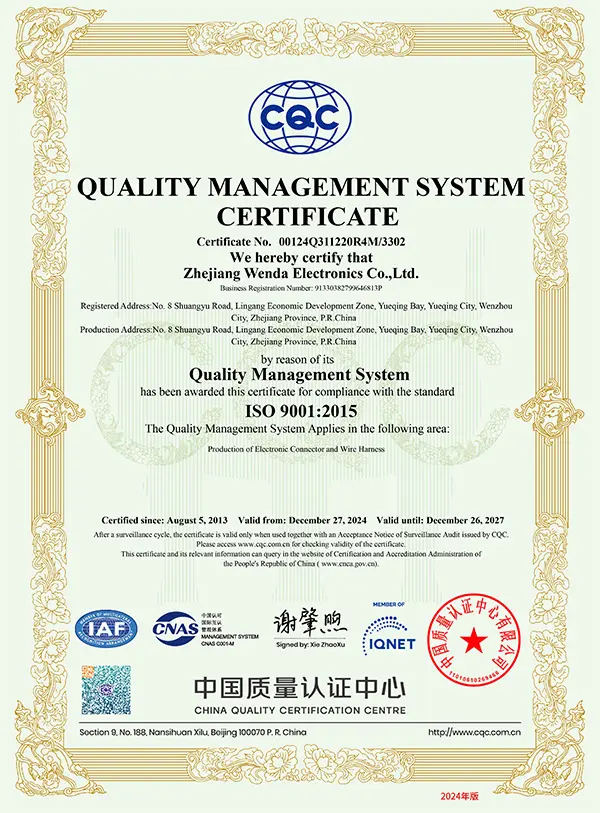
ISO 9001:2015
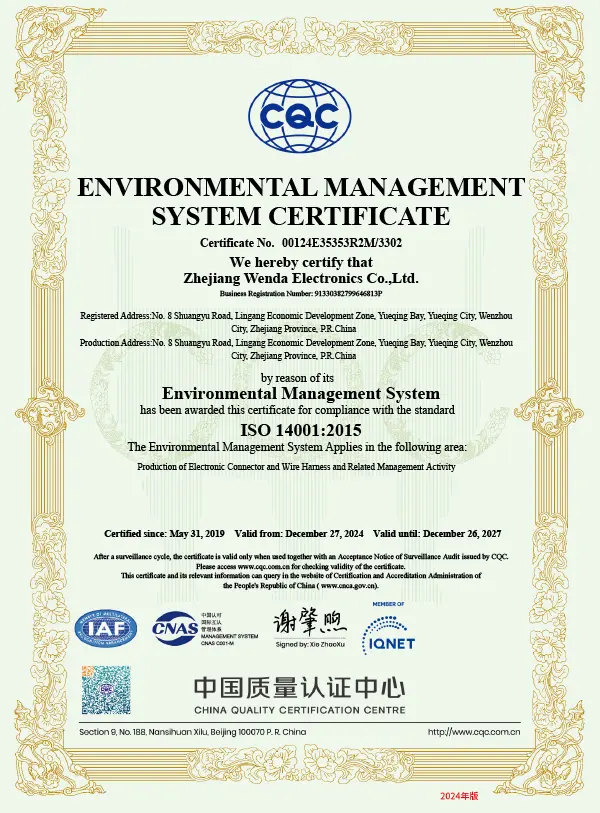
ISO 14001:2015
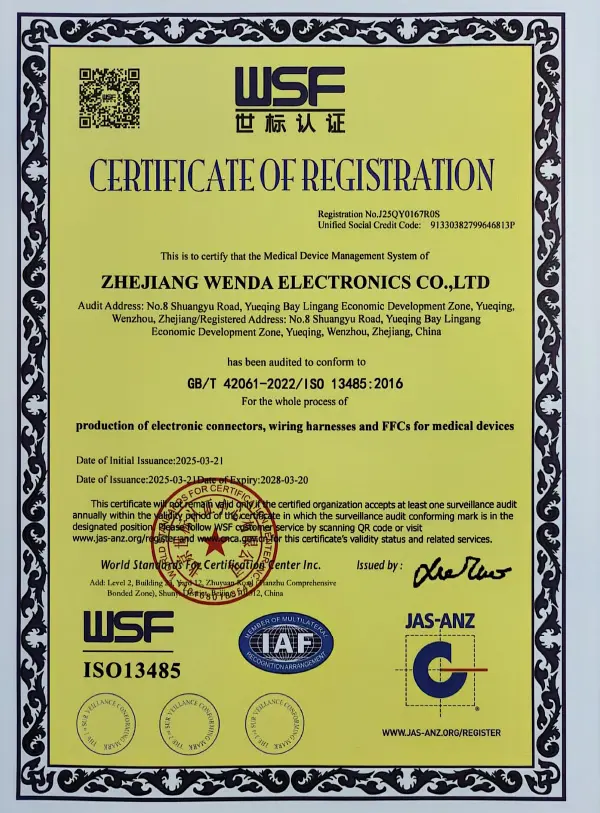
ISO 45001:2018
IATF 16949:2016
QC 080000:2017
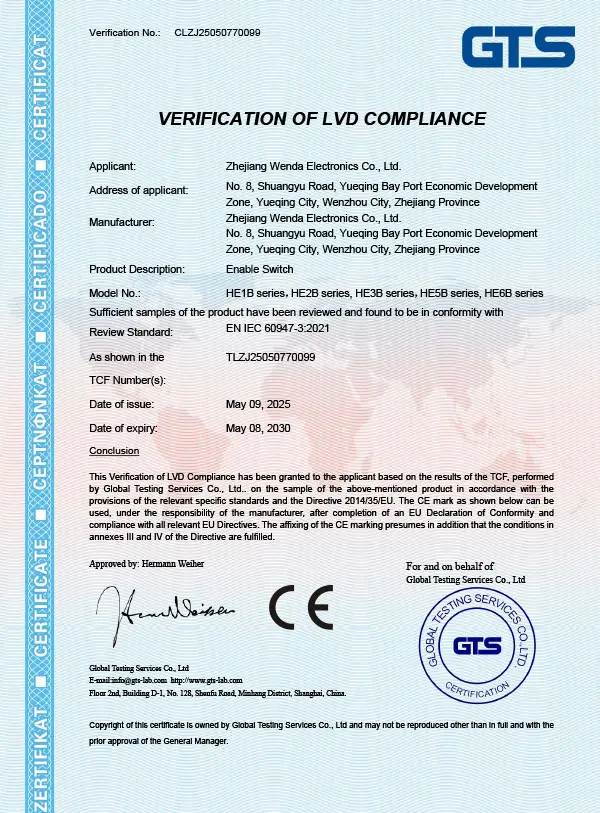
UL, CE & CQC
Our adherence to the IATF 16949:2016 automotive quality management system certification demonstrates our capability to manufacture components that meet the rigorous safety and durability requirements of the global automotive supply chain. Furthermore, our QC080000:2017 Hazardous Substances Process Management System certification guarantees that all products are fully compliant with RoHS and REACH directives, ensuring environmental safety and hazard-free disposal.
Optimizing Total Cost of Ownership (TCO) and securing supply chain continuity.
When sourcing top-bottom contact FFC sockets, international procurement teams must balance unit cost against long-term reliability and supply chain agility. Disruptions in connector supply can halt entire production lines, leading to massive financial losses. Here is how partnering with Wenda Electronics optimizes your procurement strategy:
By bypassing intermediaries, we offer direct factory pricing that significantly reduces your bill of materials (BOM) costs. Our in-house R&D team can independently design, prototype, and manufacture custom connectors tailored to your specific pitch, pin count, height, and plating requirements, reducing time-to-market for new product introductions (NPI).
Poor coplanarity in SMT connectors leads to soldering defects such as open joints or bridging, resulting in expensive manual rework. Wenda Electronics maintains a strict coplanarity tolerance of less than 0.1mm across all SMT FFC sockets. This is achieved through precision stamping, high-stability LCP molding, and 100% automated CCD inspection before packaging in carrier tapes.
Implementing our top-bottom contact FFC sockets allows your engineering team to standardize on a single connector part number for multiple designs. This consolidates your inventory, increases purchasing leverage through higher volumes per SKU, and simplifies warehouse management.
Get expert answers to common technical and procurement questions regarding FFC/FPC connectors.
Explore our broader range of SMT connectors, board-to-board headers, and heavy-duty wire harnesses.