 Wenda Electronics
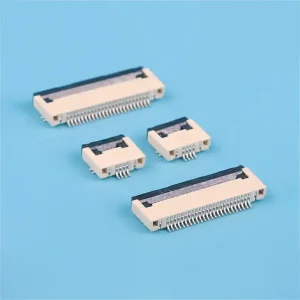
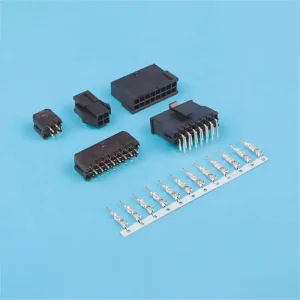
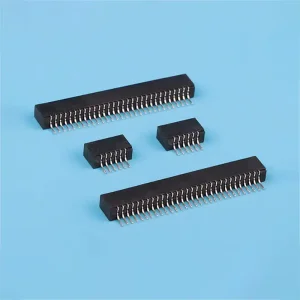
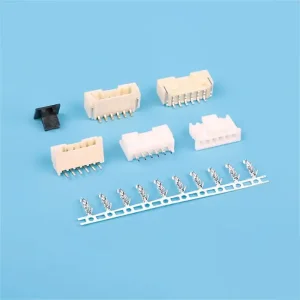
1. The Strategic Role of 3.96mm Pitch Connectors in Global Power & Signal Distribution
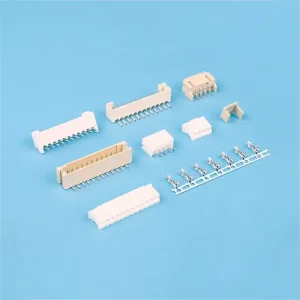
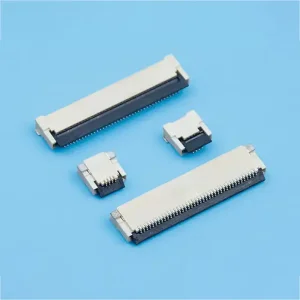
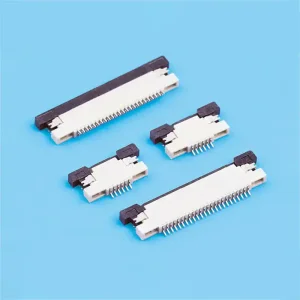
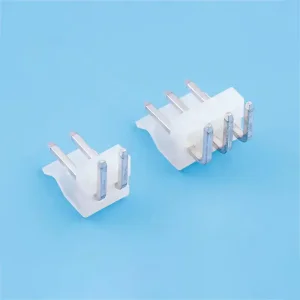
In the rapidly evolving landscape of electromechanical design, the 3.96mm pitch wire harness connector has emerged as a cornerstone component. Striking an optimal balance between spatial efficiency and robust current-carrying capacity, this specific pitch configuration is widely recognized under industry designations such as the VH series or CH3.96 series. As global industries transition toward high-density power distribution systems, the demand for reliable wire-to-board and wire-to-wire connections has intensified.
Historically, larger pitches like 5.08mm or 6.35mm were the defaults for high-power applications. However, modern engineering demands miniaturization without compromising electrical performance. The 3.96mm connector meets this challenge head-on, supporting nominal currents up to 7A to 10A AC/DC and operating voltages reaching 250V to 600V. This capability makes it indispensable in sectors ranging from industrial automation and white goods to automotive sub-systems and renewable energy interfaces.
Technical Specifications & Material Science
Achieving high-reliability connections at a 3.96mm pitch requires precise material engineering. The housings are typically molded from high-grade thermoplastic materials such as Polyamide 66 (PA66), often reinforced with glass fibers to enhance structural rigidity and thermal stability. These materials conform to strict flammability standards, such as UL 94V-0, ensuring self-extinguishing properties in critical failure scenarios.
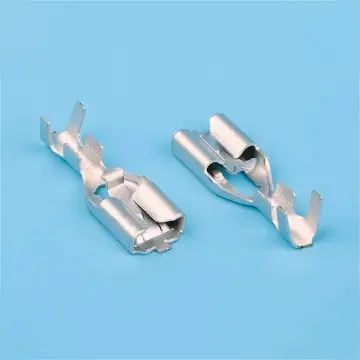
The contact terminals, the heart of the electrical interface, are fabricated from high-conductivity alloys such as phosphor bronze or brass. To mitigate contact resistance and prevent oxidation over extended lifecycles, these terminals undergo advanced plating processes. Options include selective gold plating for low-signal integrity or bright tin plating for high-current applications. This meticulous engineering ensures contact resistance remains below 10mΩ, even after hundreds of mating cycles.