 Wenda Electronics
Wenda Electronics
Wenda Electronics
Precision ZIF/LIF Connectors for High-Density PCB Applications
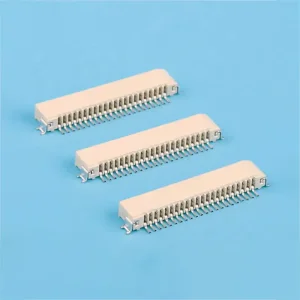
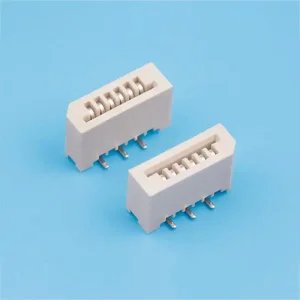
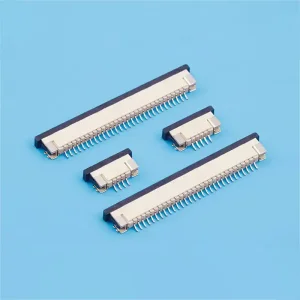
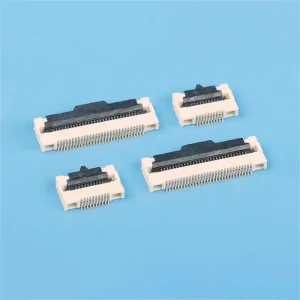
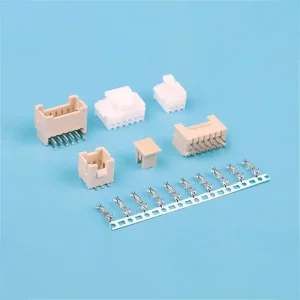
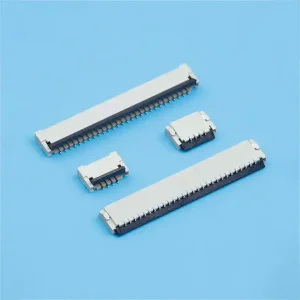
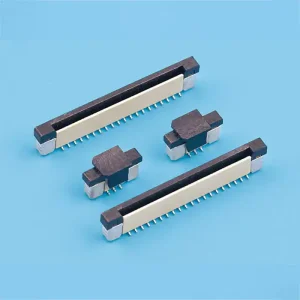
In the era of 5G, IoT, and ultra-slim electronics, the Flip-Cover FPC (Flexible Printed Circuit) Connector has emerged as a critical component in the miniaturization of hardware. Unlike traditional LIF (Low Insertion Force) connectors, the Flip-Lock (ZIF) mechanism provides a secure, vibration-resistant connection that is essential for mobile devices, automotive displays, and medical wearables.
As a leading China Flip-Cover FPC Connector Manufacturer, Zhejiang Wenda Electronics integrates decades of metallurgical expertise with advanced SMT (Surface Mount Technology) to deliver connectors that withstand extreme thermal cycles and mechanical stress. Our research indicates that the global demand for 0.3mm to 0.5mm pitch connectors is projected to grow by 8.5% CAGR, driven by the shift towards foldable screens and high-resolution imaging systems.

Strategic Manufacturing Efficiency & Quality Assurance
Located in the Yueqing Bay Lingang Economic Development Zone, we operate a vertically integrated facility. From high-speed precision punching to automated assembly, every step is controlled to ensure 0.3mm pitch precision.
Our proximity to the Wenzhou logistics hub and national highways allows for rapid prototyping and mass-scale exports. We provide "Information Gain" to procurement teams by offering real-time DFM (Design for Manufacturing) feedback.
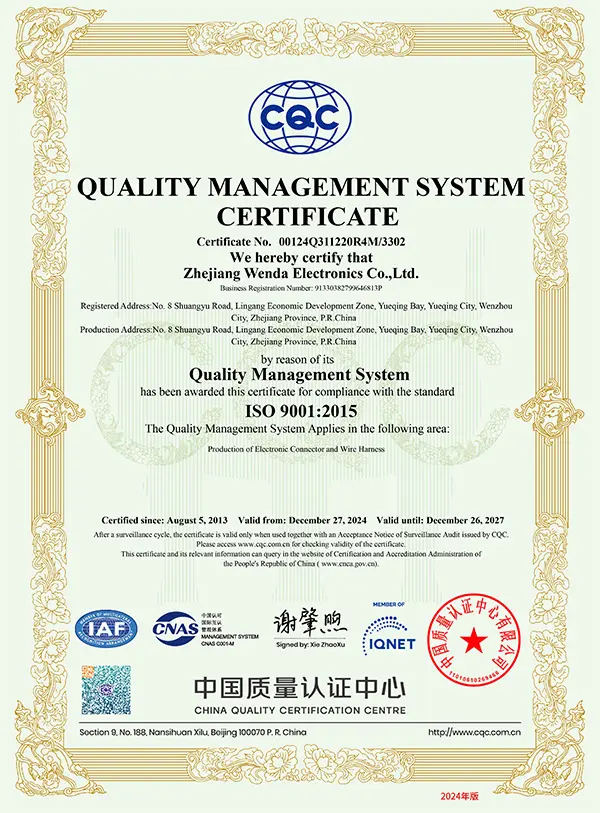
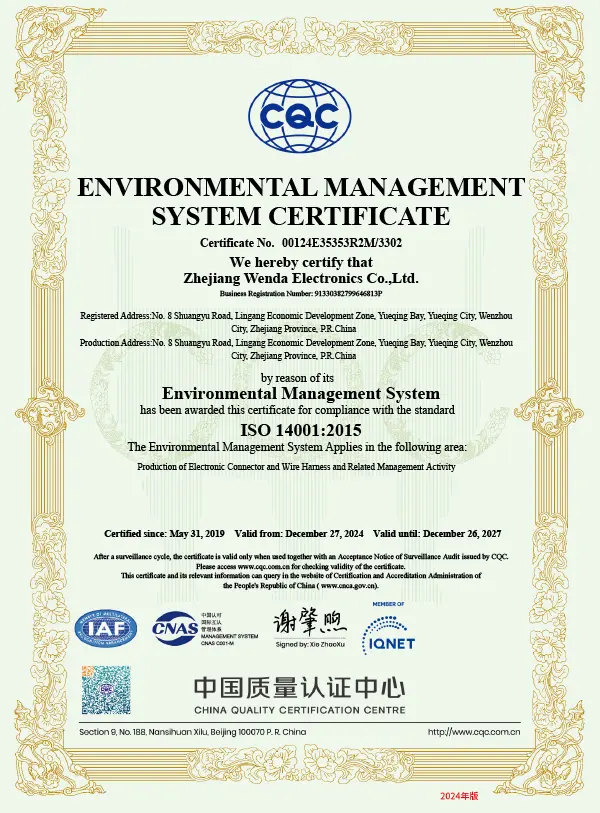
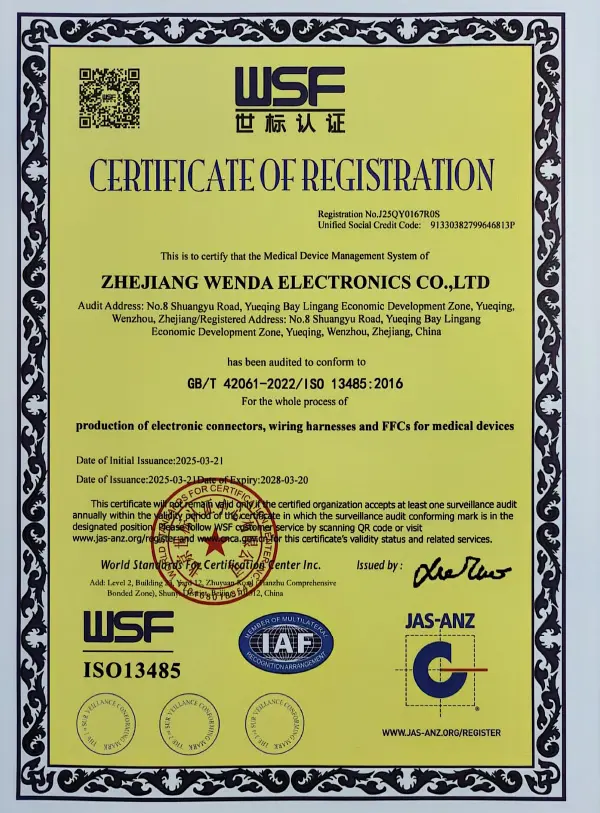
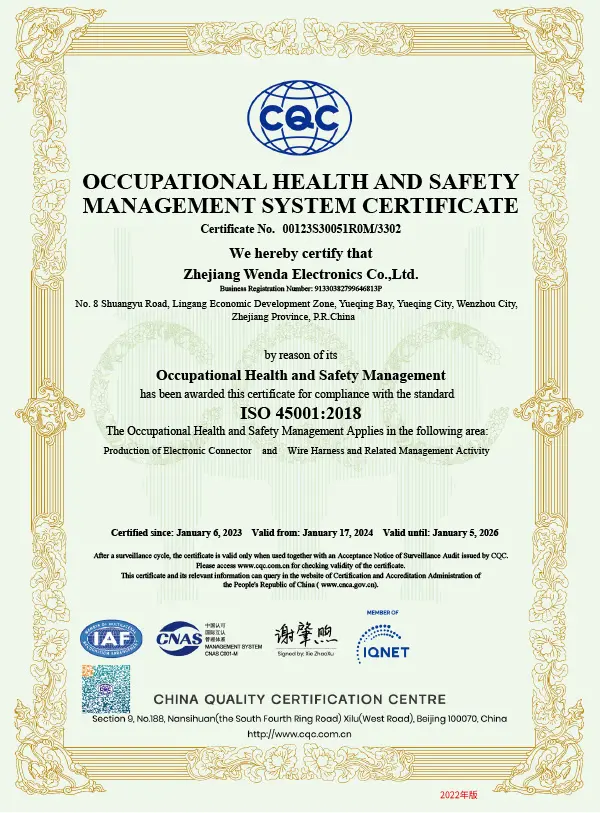
Holding IATF16949, ISO9001, and ISO14001 certifications, we meet the rigorous standards of the automotive and medical sectors. Our ROHS and UL-certified products are ready for global distribution.
Solving Complex Connectivity Challenges Across Diverse Sectors
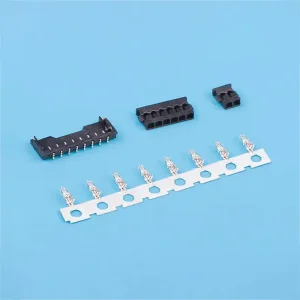
In the transition to 800V platforms, our connectors serve as reliable links in Battery Management Systems (BMS) and smart cockpits. High temperature resistance (up to 180°C for specific models) ensures safety in power-dense environments.
Connectors in ultrasound machines and wearable monitors require high signal integrity and miniaturization. Our ZIF connectors offer the low-profile design needed for next-gen portable medical devices.
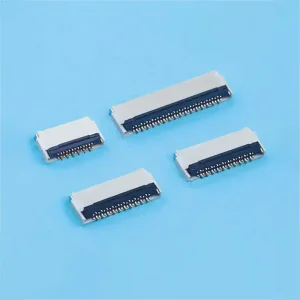
From foldable smartphones to 4K LCD displays, our 0.5mm and 1.0mm pitch FPC sockets provide the density required for internal board-to-flex transitions without compromising on mechanical durability.
With the rise of Industry 4.0, our connectors are utilized in PLC modules and sensor arrays, offering vibration-proof flip-locks that prevent signal loss in high-vibration factory floors.
Lightweight and high-reliability are the core requirements. Our ultra-slim horizontal SMT sockets reduce the overall weight of flight control boards while maintaining robust connections.
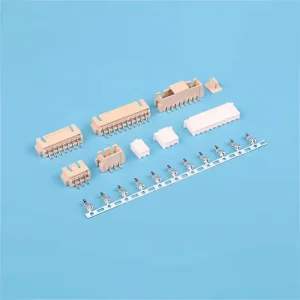
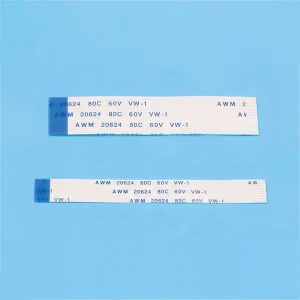
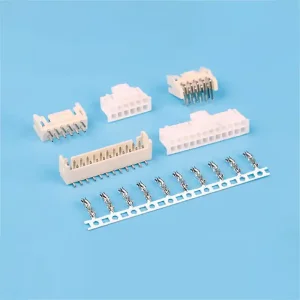
Our FFC/FPC jumper wires and sockets are standardized for printers and imaging systems, ensuring high-speed data transmission between scan heads and mainboards.
Advanced Equipment for High-Precision Interconnect Components

Exterior View of Wenda Electronics
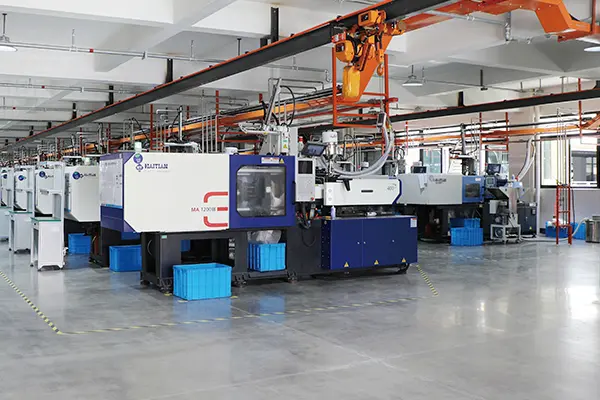
Precision Injection Molding
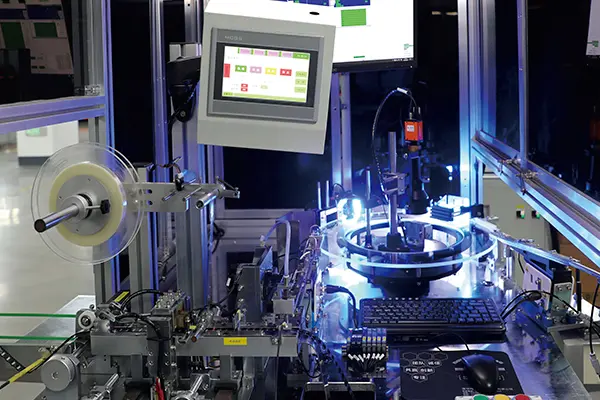
Automated SMT Assembly Line

Zero-Defect Warehouse Area
As we look toward 2030, the "Information Gain" in the connector industry lies in material science breakthroughs. At Wenda Electronics, we are pioneering the use of LCP (Liquid Crystal Polymer) plastics that offer superior dimensional stability during reflow soldering. This is crucial for maintaining the precise 0.3mm pitch geometry under temperatures exceeding 260°C.
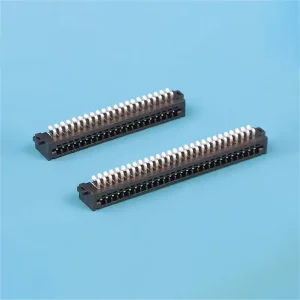
Furthermore, the shift from Standard Orientation to Reverse Staggered Contacts is a response to the need for EMI (Electromagnetic Interference) shielding in 5G modules. Our flip-cover designs are now integrating butterfly latches and metal reinforcement ears to provide increased PCB retention force, a direct response to the "ruggedization" trend in consumer electronics.
Strategic Sourcing Considerations: For global procurement managers, the total cost of ownership (TCO) is no longer just the unit price. It includes the cost of quality failure. Our reliance on CCD fully automatic detection ensures that every connector shipped has passed a visual inspection that no human eye could match, significantly reducing RMA rates for our international partners in Europe and North America.
Your Trusted Partner for IATF16949, UL, and CE Certified Connectors
Technical Insights for Engineers and Procurement Specialists
Expand Your Design Possibilities