 Wenda Electronics
Wenda Electronics
Wenda Electronics
Explore Wenda Electronics' advanced, precision-engineered wire-to-board, board-to-board, and FPC connector product line. Built for absolute signal integrity in harsh-environment industrial and automotive layouts.
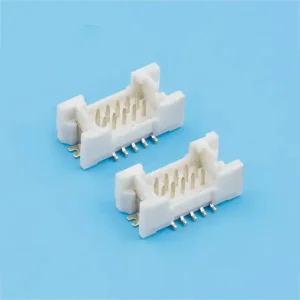
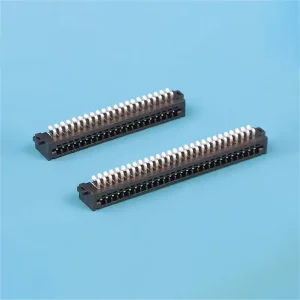
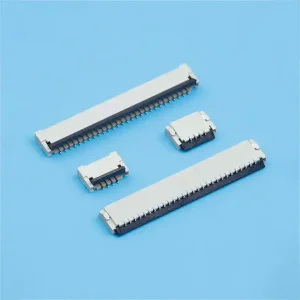
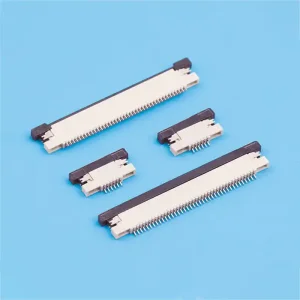
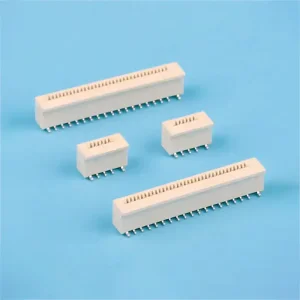
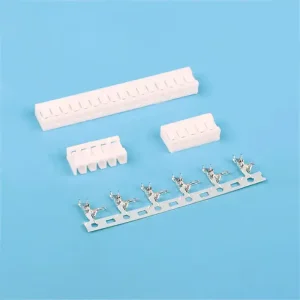
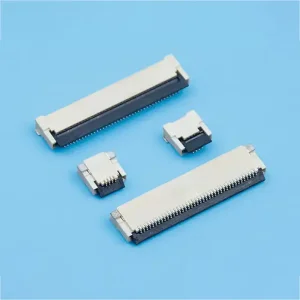
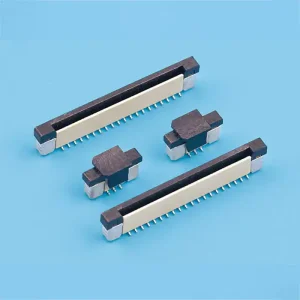
In modern electronic packaging, volumetric density optimization is the primary driver of board layout efficiency. The **China bottom entry FPC connector 0.5mm pitch** represents a specialized mechanical breakthrough, providing engineers with an elegant mechanism to feed Flat Flexible Circuits (FFC) or Flexible Printed Circuits (FPC) from the *underside* of the PCB. This structural routing choice fundamentally transforms electrical layout configurations, especially in high-density multi-board stacks, where component footprint constraints on the top side of the board are critical.
Historically, designers were limited to top-entry vertical connectors or right-angle horizontal connectors. Top-entry types force trace paths to occupy prime surface area, while right-angle profiles dictate board-edge localization. A **bottom entry FPC connector** breaks these boundaries by utilizing micro-vias or tailored PCB slot windows. The flexible circuit enters through the bottom face of the printed circuit board, establishing a gas-tight, high-reliability connection via a SMT flip-lock or slider actuator mounted on the top-side. This design allows components to be populated directly above the insertion path, drastically reducing PCB real estate overhead and enabling unprecedented Z-axis optimization.
As the industry moves toward wearables, ultra-thin medical displays, and compact automotive control modules, the mechanical tolerances of connector terminals shrink exponentially. Achieving a stable 0.5mm center-to-center pitch requires advanced material formulations and ultra-precise stamping dies. At this pitch level, coplanarity is of paramount importance; even a 0.08mm deviation in contact solder-tail flat alignment can result in cold solder joints or open circuit faults during the automated surface mount technology (SMT) reflow process.
To ensure perfect signal transmission, Wenda Electronics employs premium phosphor bronze base metals for terminals, finished with specialized nickel underplating and gold-plated contact interfaces. The gold flash layer prevents oxidation, controls contact resistance to under 30mΩ, and ensures longevity across hundreds of mating cycles. The outer housing is molded using Liquid Crystal Polymer (LCP) or High-Temperature Nylon, displaying zero outgassing, high flame retardancy (UL 94V-0), and extreme thermal structural stability at peak lead-free reflow temperatures reaching 260°C.
| Parameters | Standard Specifications (0.5mm Pitch Bottom Entry) | Performance Benefit / Engineering Advantage |
|---|---|---|
| Insulation Resistance | > 500 MΩ Min. at 500V DC | Prevents trace-to-trace crosstalk under high humidity environments. |
| Contact Resistance | 30 mΩ Max. (Initial) | Minimizes signal attenuation and voltage drop across trace lanes. |
| Dielectric Withstanding Voltage | 250V AC / 1 Minute | Prevents breakdown under voltage spikes in low-voltage power supply rails. |
| Base Material & Plating | Phosphor Bronze with Gold-Plated over Nickel | Guarantees low wear, prevents galvanic corrosion, and maintains low contact resistance. |
| SMT Coplanarity | 0.1mm Max. | Guarantees excellent solder joint yield during automated SMT pick-and-place. |
| Operating Temperature | -40°C to +105°C (Automotive Standard Option: +125°C) | Withstands extreme under-hood thermal cycles and industrial heat loads. |
Proven engineering standards, rapid prototyping, and world-class quality systems that guarantee reliable interconnect solutions for tier-1 global OEM/ODM corporations.
How our ultra-reliable 0.5mm FPC connectors support the core of mission-critical systems in global commercial, industrial, and automotive environments.
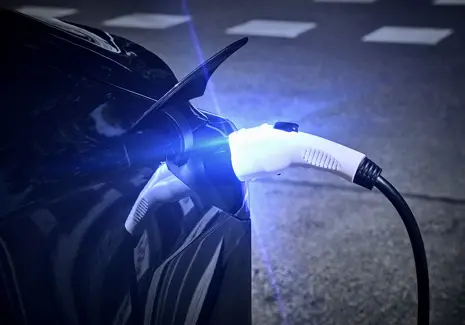
Connectors are comprehensive carriers of "power transmission + safety protection + intelligent interaction + mechanical adaptation" in new energy chargers and vehicle electronics. As NEVs transition toward high-voltage architectures (800V platforms) and ADAS sensor integration, bottom entry 0.5mm pitch FPC connectors enable high-density routing in restricted spaces like BMS, LiDAR units, and slim instrument clusters. Wenda's IATF16949 certification ensures compliance with rigid automotive vibration, thermal shock, and lifespan standards.
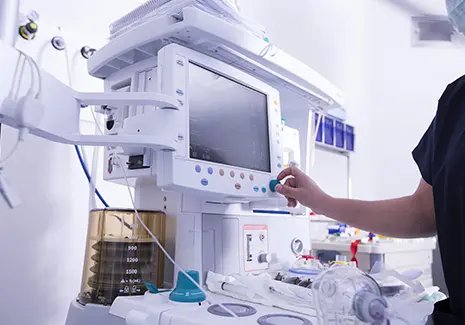
Connectors in medical equipment act as "precise carriers for signal transmission" and "safety valves for diagnostic control". The shift toward portable ventilators, remote patient monitoring wearables, and micro-endoscopes demands extreme miniaturization combined with sterile-grade resilience. The 0.5mm bottom entry FPC connector offers a highly secure flat-cable latching system, safeguarding diagnostic imaging accuracy from physical disconnection, even in highly vibrational mobile clinical carts.

Serving as the vital "collaborative link for internal components," modern mobile phone design relies on connectors to save volumetric space while handling massive high-frequency data rates. The bottom entry standard allows developers of foldable screens, high-refresh OLED panels, and multi-camera modules to pass flex cables directly through the main logic board's structural layers, reducing trace lengths, improving signal propagation velocities, and eliminating EMI crosstalk risks.
Partnering with global high-tech industries since 2007. Anchored in the Wenzhou electronics manufacturing cluster with absolute supply chain independence.
Founded in March 2007, Zhejiang Wenda Electronics Co., Ltd. is located at the southern foot of Yandang Mountain, within the Yueqing Bay Lingang Economic Development Zone, Yueqing City, Zhejiang Province. This geographical positioning provides direct access to 104 National Highway, the Ningbo-Taiwan-Wenzhou Expressway, and places Wenzhou Airport and Railway Station just 50 kilometers away. The proximity to Wenzhou Light Rail Line S2 ensures efficient regional logistics and streamlined global supply networks.
Spanning a modern production footprint exceeding 10,000 square meters with an aggregate construction space of over 25,000 square meters, Wenda Electronics operates as a leading private joint-stock enterprise employing over 500 dedicated personnel. We specialize in the independent research, advanced mechanical co-design, prototyping, precision tool-making, and high-volume automated manufacturing of high-density precision connectors, new energy vehicle connectors, and custom wiring harness assemblies.

Wenda Electronics holds a comprehensive array of international system and product safety certifications, making us a trusted direct vendor to global tier-1 supply networks.
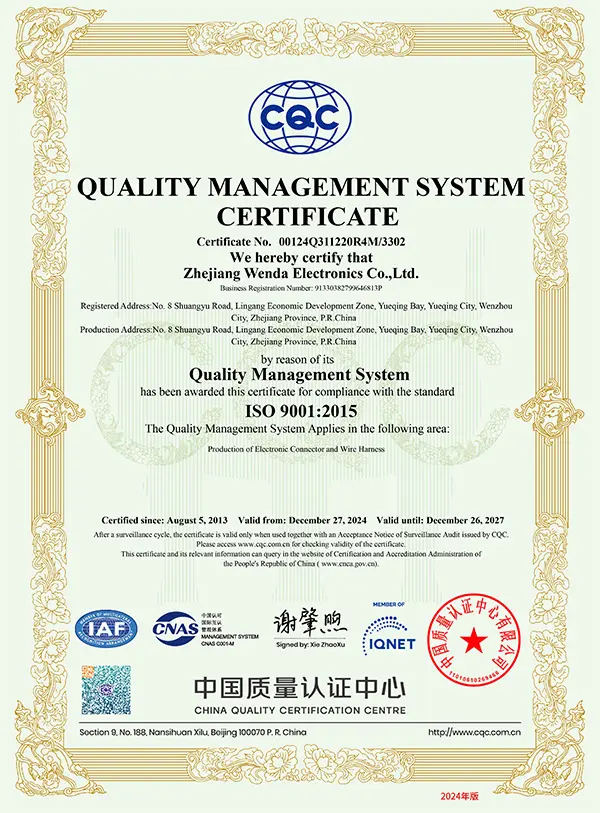
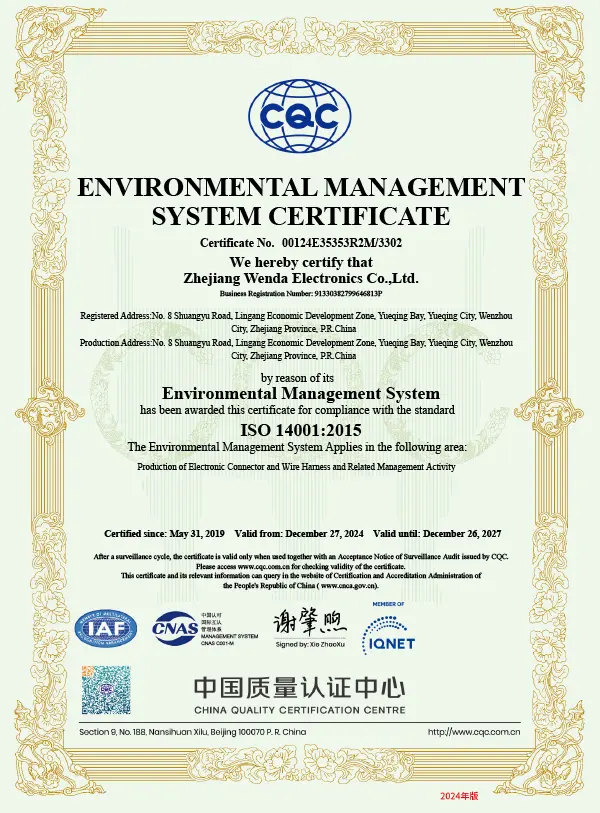
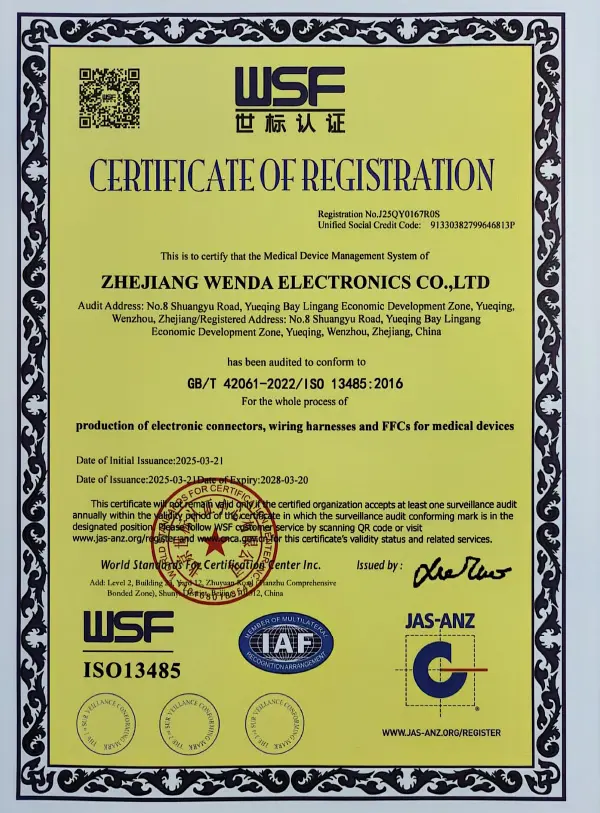
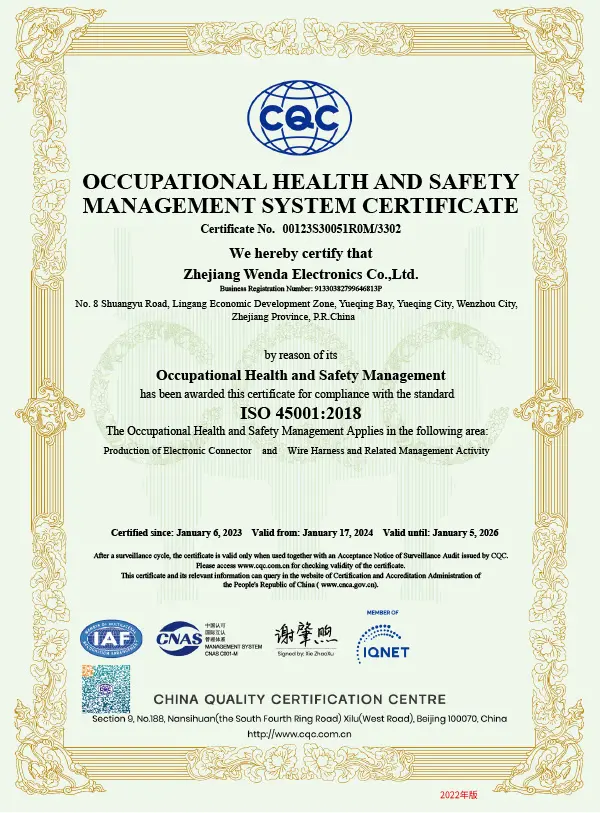
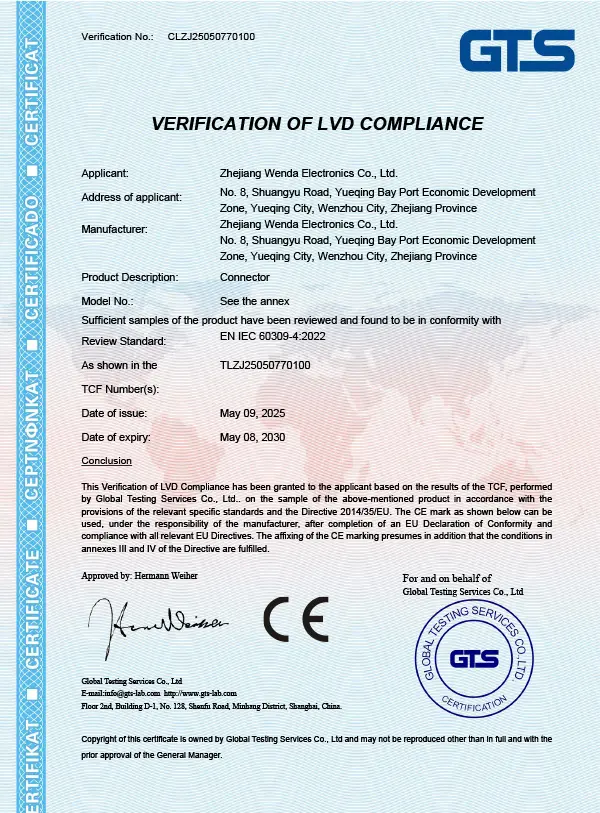
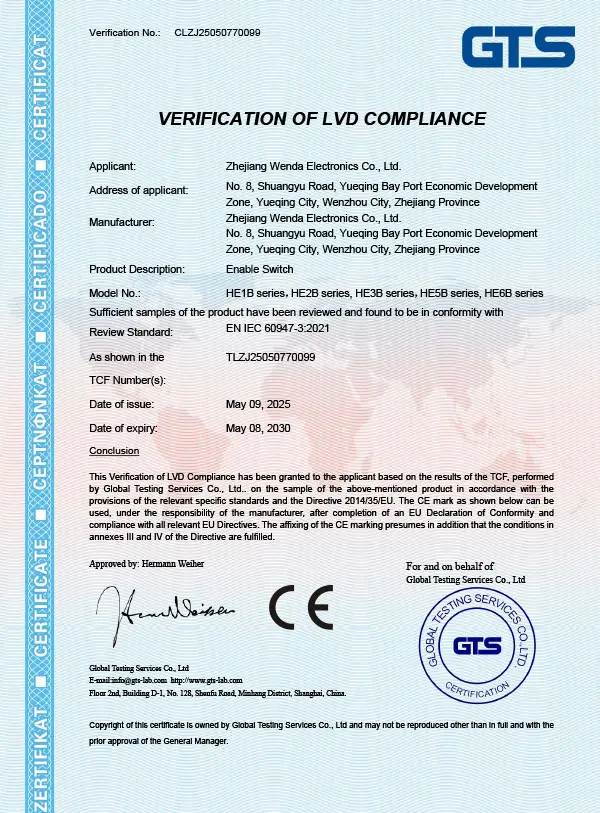
*Certified in compliance with ISO9001-2015, ISO14001-2015 (Environmental Management), ISO45001-2018 (Occupational Health and Safety), IATF16949-2016 (Automotive Quality Management), QC080000-2017 (Hazardous Substance Process Management System), with global product safety approvals including UL, CQC, and CE.
Deploying first-class automated assembly setups and micro-precision testing instruments to guarantee zero-defect shipments.

Integrated research, manufacturing, and logistical campus.
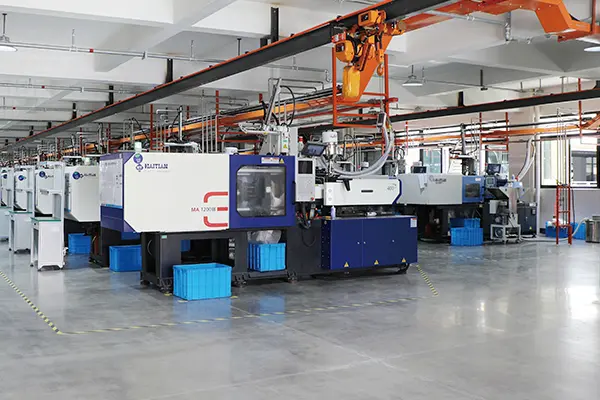
Advanced high-speed stamping for connector terminals.
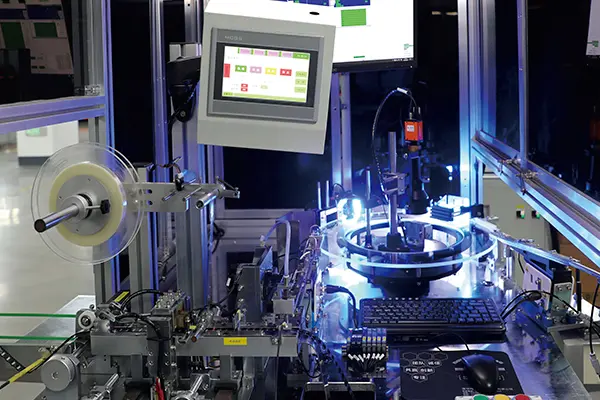
Full inline multi-functional micro-assembly modules.
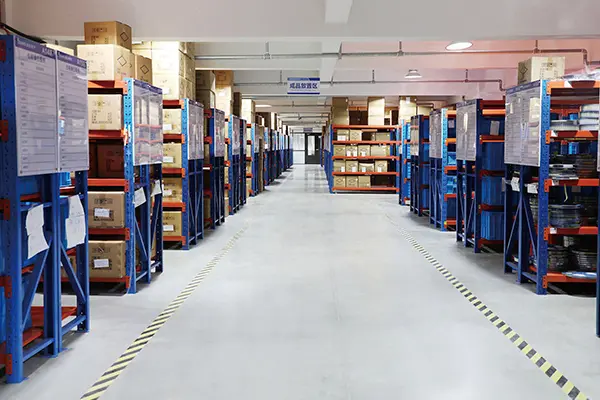
Climate-controlled terminal storage and dispatch terminal.
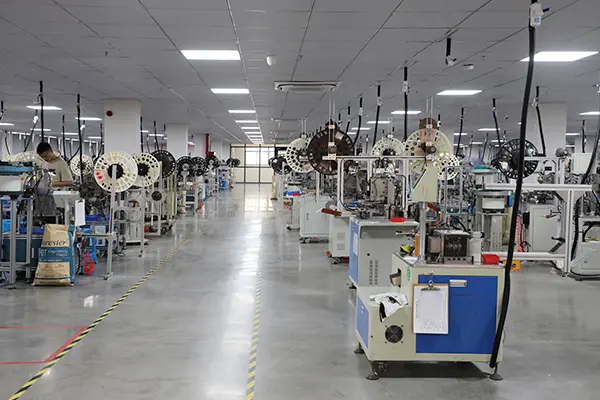
Engineers analyzing high-frequency connector signal integrity.
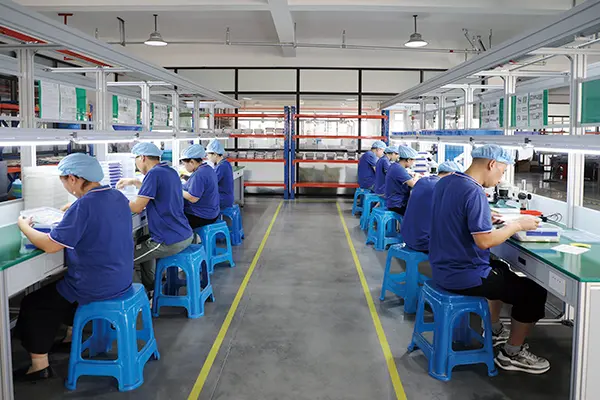
Strict IATF16949-trained team ensuring flawless assembly.

Operator inspecting pin straightness under magnification.
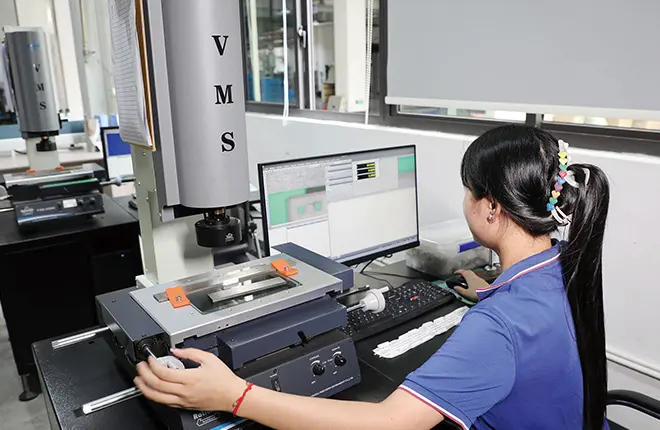
Master mold technician setting active sub-micron tolerances.
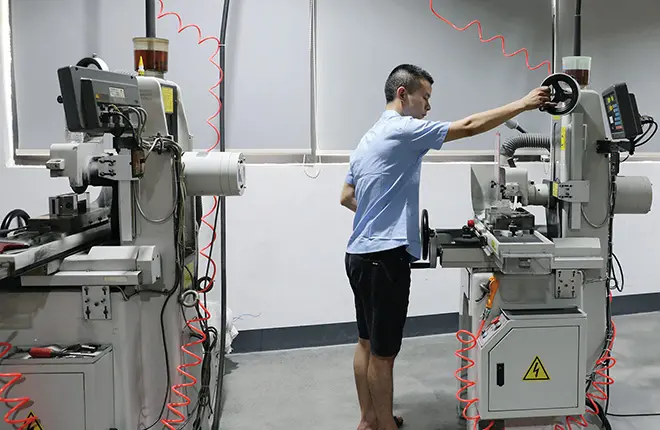
Regular equipment alignment ensuring manufacturing stability.
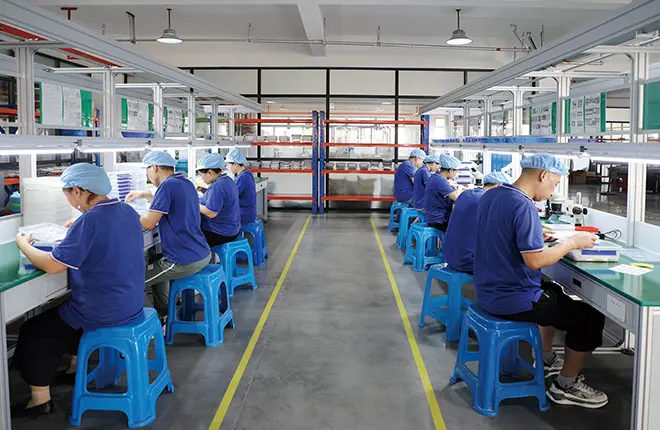
Continuous verification of process parameters at workstations.

Automated visual feedback system monitoring contact inserts.
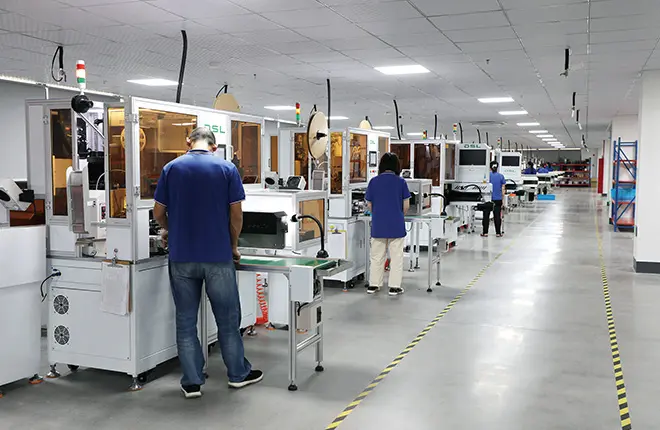
Component handling inside ESD-protected zones prior to shipping.
The trajectory of high-density interconnects extends beyond current 0.5mm thresholds. Electronics engineers are actively plotting paths down to 0.3mm and 0.2mm pitch configurations. However, as the pitch narrows, the physical strength of the LCP insulation wall drops dramatically, and trace-to-trace dielectric leakage becomes a critical engineering hazard. To circumvent these problems, Wenda Electronics' long-term technical roadmap targets several breakthroughs:
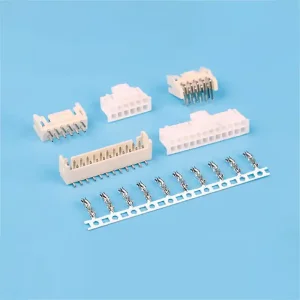
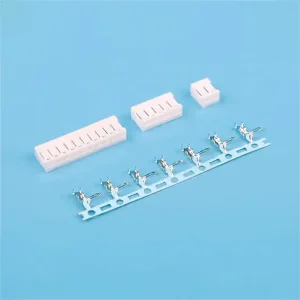
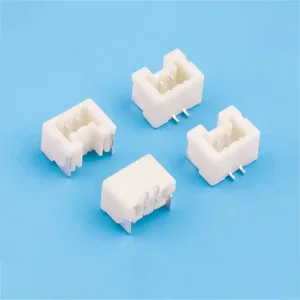
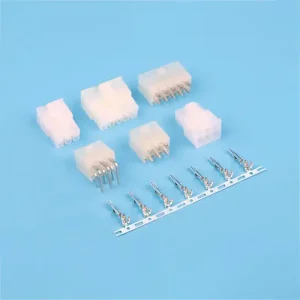
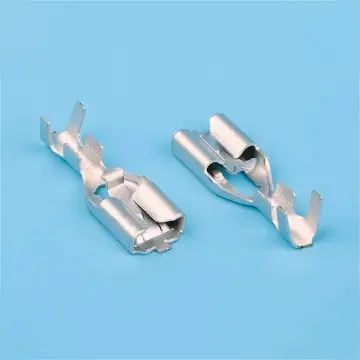
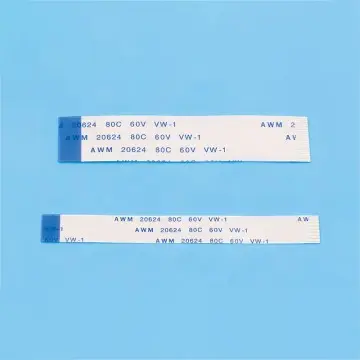
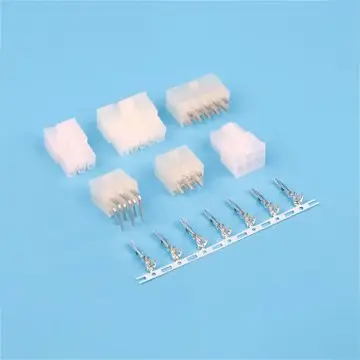
In addition to our core 0.5mm bottom entry FPC product family, Wenda Electronics develops a full spectrum of specialized components tailored for automated assembly:

Expert technical answers addressing the most common design challenges, manufacturing tolerances, and integration specifications faced by electronics designers.
A: Bottom entry FPC connectors are selected to maximize PCB surface utility. When real estate on the top side of the PCB is entirely occupied by high-profile active ICs, memory arrays, or passive matrices, the bottom entry design permits the FPC/FFC cable to penetrate through an opening in the PCB substrate to contact the connector terminals from underneath. This configuration is highly prevalent in sandwich-style board configurations, multi-layer rigid-flex architectures, and slim consumer electronics like laptops, smart wearables, and compact automotive clusters.
A: Our IATF16949-2016 implementation governs the entire workflow—from raw material selection to stamping, plating, SMT assembly, and optical validation. Wenda Electronics implements rigorous failure mode and effects analysis (FMEA), advanced product quality planning (APQP), and statistical process control (SPC). Each batch of bottom entry FPC connectors undergoes high-velocity micro-vibration testing, extreme thermal cycling, and contact force profiling to ensure they meet tough automotive under-hood and infotainment reliability indices.
A: The dominant failure modes include terminal deformation (solder tail coplanarity errors) and plastic housing warping due to reflow heat. To eliminate terminal deformation, Wenda Electronics controls coplanarity to within a strict 0.08mm-0.10mm range during precision automated stamping. To prevent plastic deformation, we employ high-grade Liquid Crystal Polymer (LCP) polymers that withstand lead-free reflow peak temperatures of 260°C while maintaining dimensional stability and preventing contact alignment shifts.
A: Yes, absolutely. Under our QC080000-2017 Hazardous Substances Process Management System certification, all incoming materials are verified via in-house XRF spectrometry. Every bottom entry FPC connector is completely lead-free, halogen-free, and fully compliant with the latest EU RoHS directives and REACH regulations, making them completely safe for global integration and environmentally safe consumer applications.
Discover additional high-quality board-to-board, wire-to-board, and SMT SCN/SAN connector lines manufactured in our certified Wenzhou industrial facilities.