 Wenda Electronics
Wenda Electronics
Wenda Electronics
Precision-engineered components for Tier 1 & Tier 2 automotive lighting suppliers.
The global automotive lighting market is undergoing a seismic shift, projected to reach $45.4 billion by 2028. This growth is driven by the rapid transition from traditional halogen bulbs to advanced LED, Matrix, and Laser lighting systems. As the "nervous system" of these optical arrays, connectors have evolved from simple power interfaces to high-speed data transmission hubs.
In China, the manufacturing landscape has matured from low-cost assembly to R&D-driven innovation. Manufacturers like Zhejiang Wenda Electronics are now competing globally by offering components that meet rigorous USCAR-2 and LV214 standards, providing a significant cost advantage without compromising on signal integrity or mechanical durability.
Supporting the power demands of ultra-bright LED headlamps while maintaining a compact footprint.
IP67 and IP69K rated connectors designed to withstand engine bay heat and high-pressure jet washes.
Shielded interconnects preventing EMI/EMC interference with vehicle radar and sensor systems.
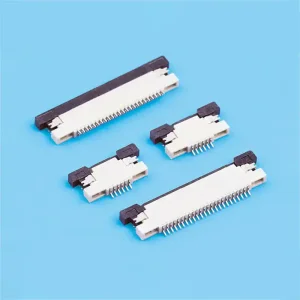
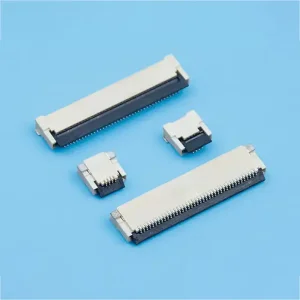
1. Miniaturization (0.5mm to 1.2mm Pitch): As headlamp assemblies become sleeker, internal PCB space is at a premium. The industry is moving toward fine-pitch FPC/FFC solutions to connect internal LED arrays.
2. Smart Lighting (ADB & Matrix): The rise of Adaptive Driving Beam technology requires connectors capable of high-speed communication to control individual pixel segments in real-time.
3. Sustainability: Shift towards halogen-free plastics and recyclable alloys in connector housings to meet EU ELV (End-of-Life Vehicles) directives.
4. High-Voltage Integration: With the 800V EV platform becoming standard, lighting connectors must offer enhanced creepage and clearance distances to prevent arcing.
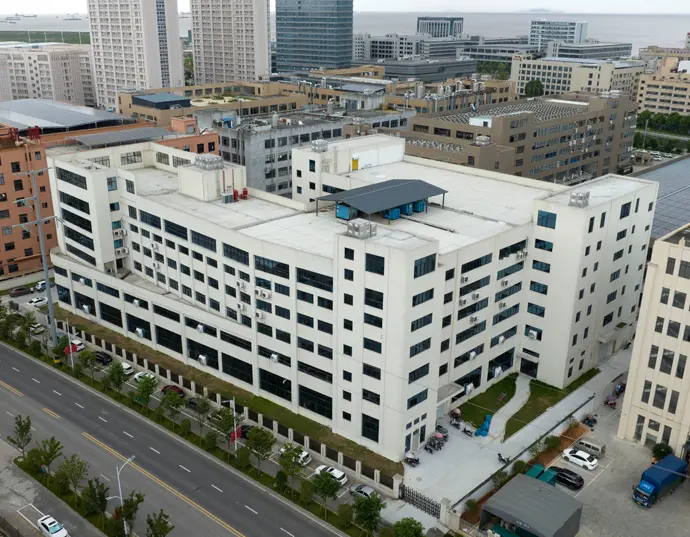
A look inside Zhejiang Wenda Electronics Co., Ltd.
Located at the southern foot of the beautiful Yandang Mountain - Yueqing Bay Lingang Economic Development Zone, Zhejiang Province. Founded in March 2007, we are a private joint-stock enterprise with over 500 employees and a 25,000 sqm construction area.
We integrate R&D, manufacturing, and marketing for precision electronic connectors, new energy connectors, and automotive wiring harnesses. Our facility houses 500+ sets of advanced equipment including high-speed precision punching, injection molding, and CCD automatic detection lines.
Compliance is the backbone of automotive reliability.
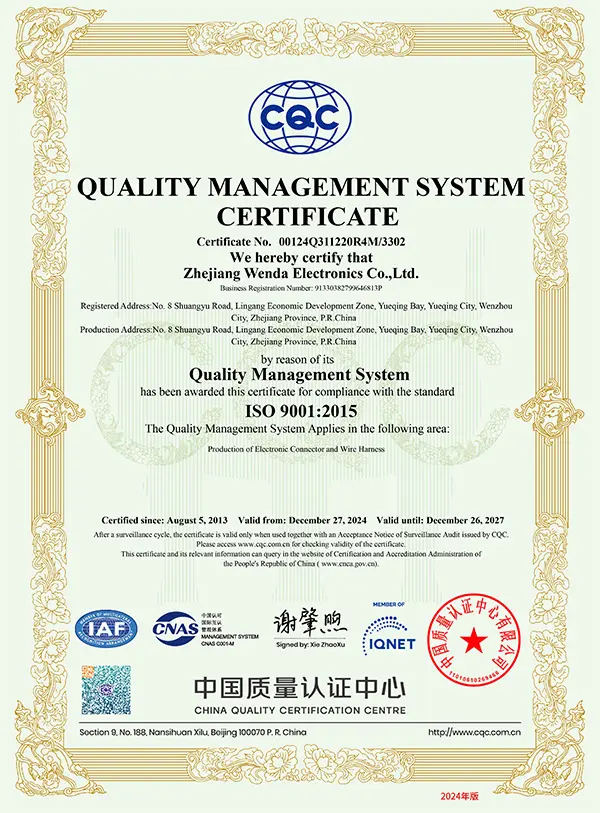
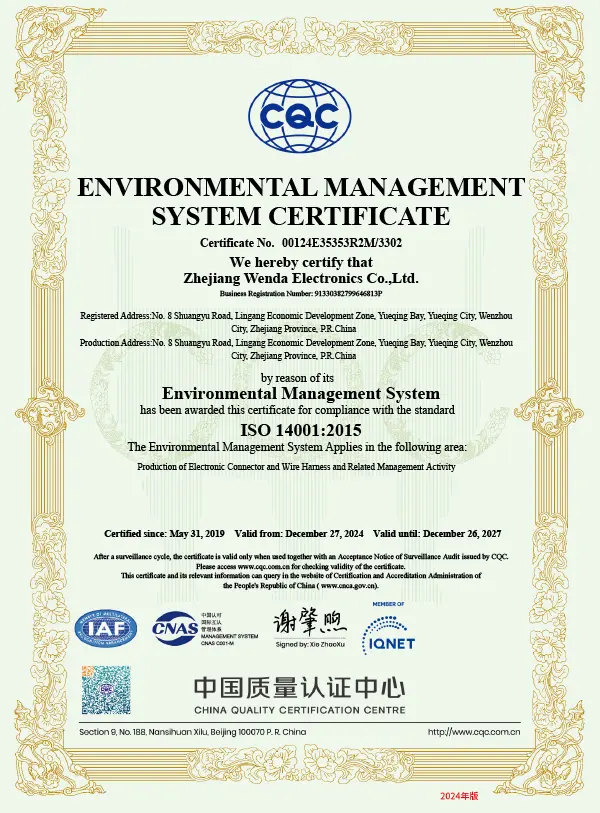
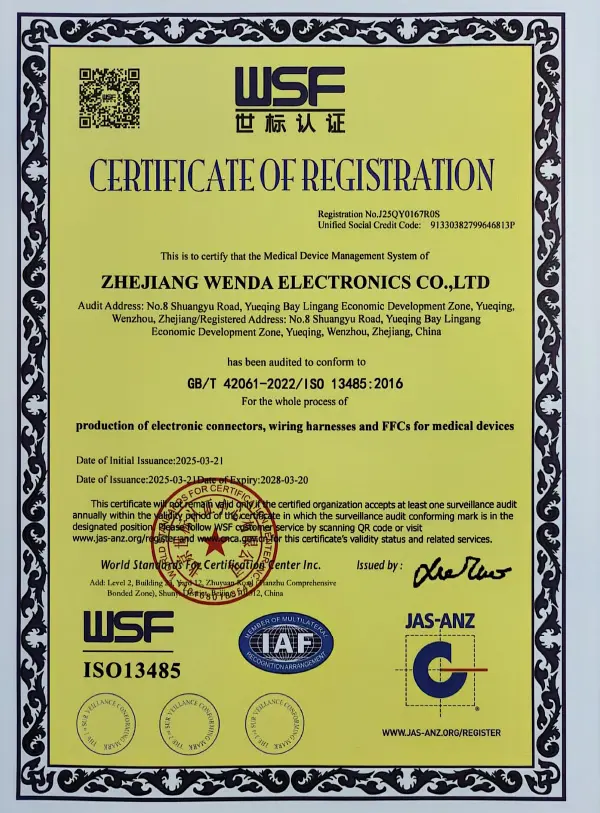
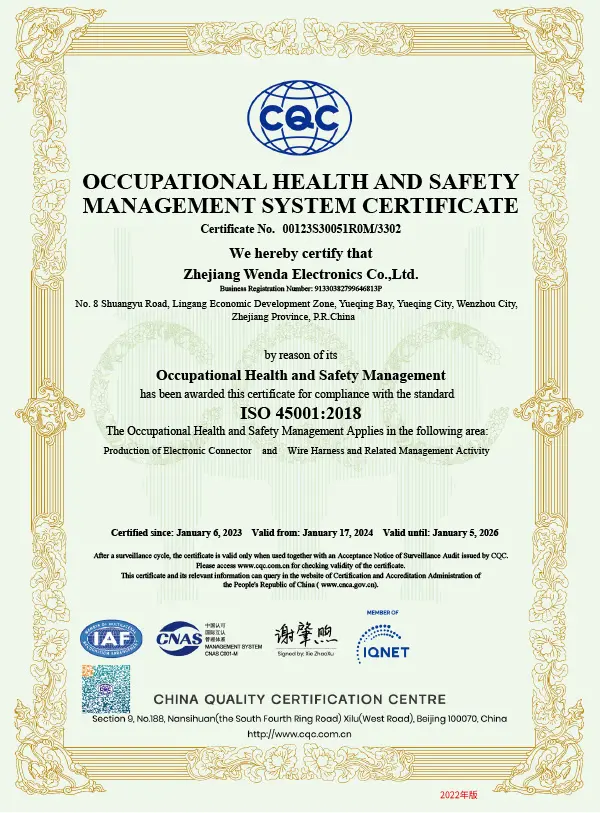
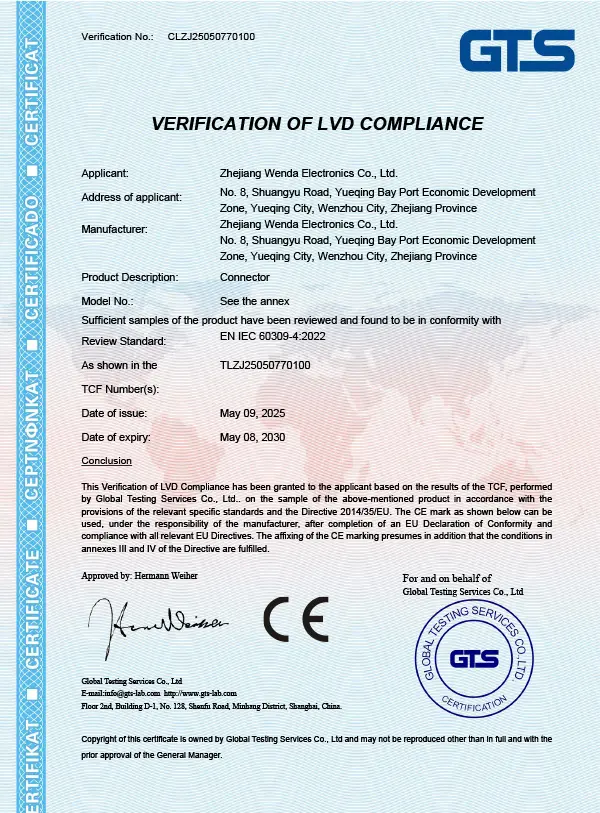
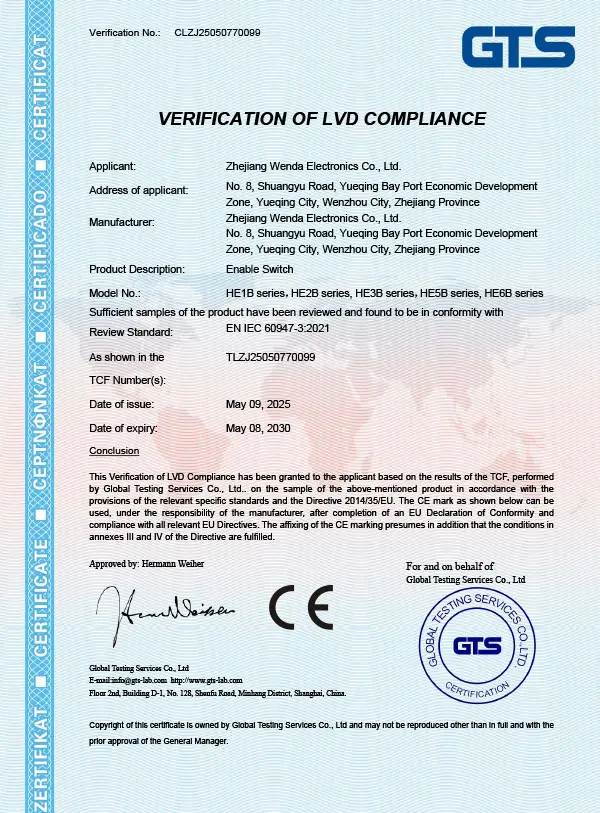
The company has passed ISO9001:2015, ISO14001:2015, ISO45001:2018, IATF16949:2016, and QC080000. Our products are UL, CQC, and CE certified, ensuring global market access.
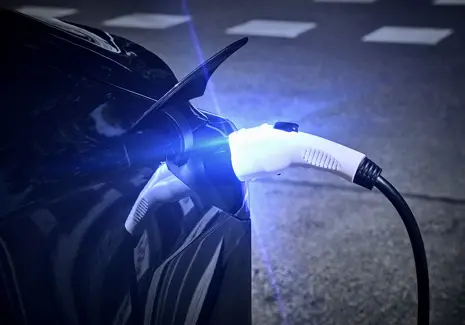
Connectors for charging indicators and battery thermal management sensor lighting.
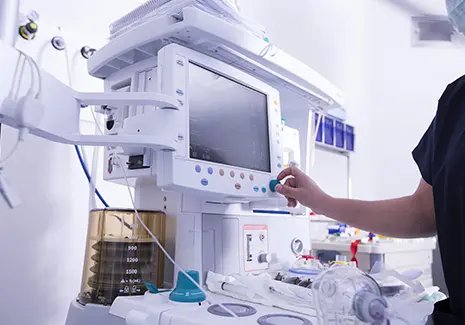
Ultra-thin FPC connectors for dynamic RGB LED strips inside the cabin.

High-reliability sockets for integrated camera-light modules in autonomous driving sets.
High-power LEDs generate significant heat within a sealed headlight housing. Our connectors utilize high-temperature resistant LCP (Liquid Crystal Polymer) or PA9T plastics that maintain dimensional stability at 260°C, crucial for reflow soldering processes.
Vehicles face constant vibration. Our Double-Row Locking mechanisms ensure that electrical contact is never broken, preventing "flicker" in safety-critical lighting systems. We utilize phosphor bronze terminals with gold plating to prevent fretting corrosion.
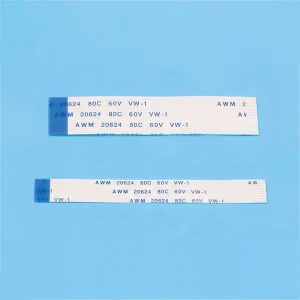
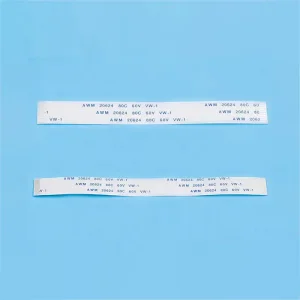
With the proliferation of wireless signals (5G, V2X) in modern cars, our shielded FFC cables prevent the lighting harness from acting as an antenna, ensuring total electromagnetic compatibility.
Answering common queries from global procurement managers.
A: Yes, Zhejiang Wenda Electronics is fully IATF 16949:2016 certified. Every step of our production—from raw material sourcing to final CCD inspection—follows automotive quality management protocols.
A: Absolutely. We have an in-house R&D team that can design custom molds and pin-out configurations for complex Matrix or ADB lighting arrays based on your CAD data.
A: For standard automotive connectors, lead times range from 2-4 weeks. For custom-designed components, the mold-to-sample phase usually takes 4-6 weeks.
A: We utilize silicon perimeter seals and individual wire seals. Each waterproof batch undergoes vacuum leak testing to ensure IP67/IP69K compliance.
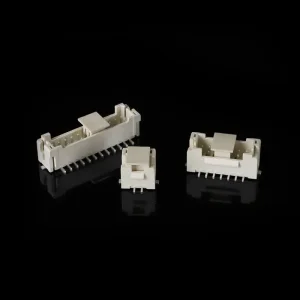
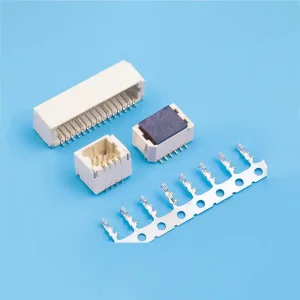
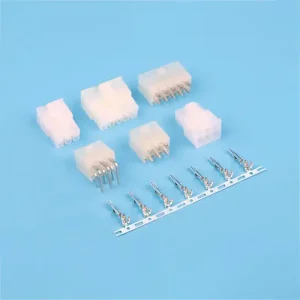
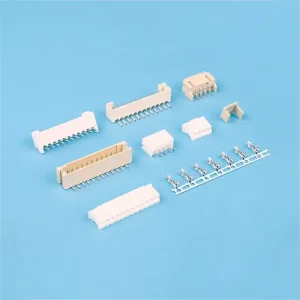
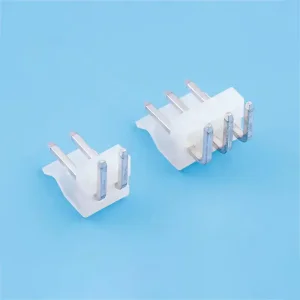
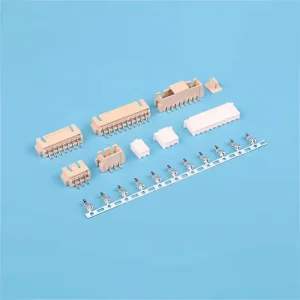
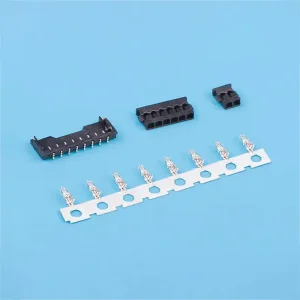
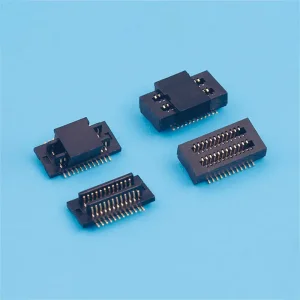
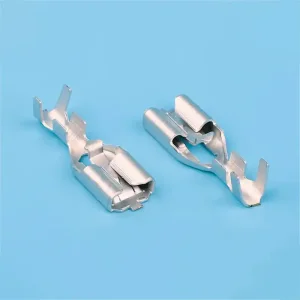
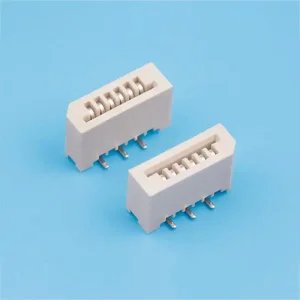
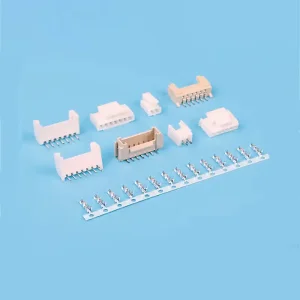
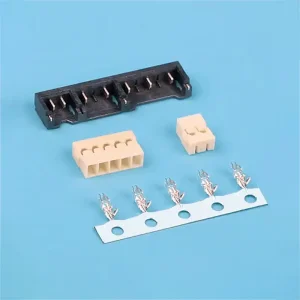
Explore our full range of SMT, Through-hole, and Crimp solutions.
Advanced production lines ensuring zero-defect delivery.
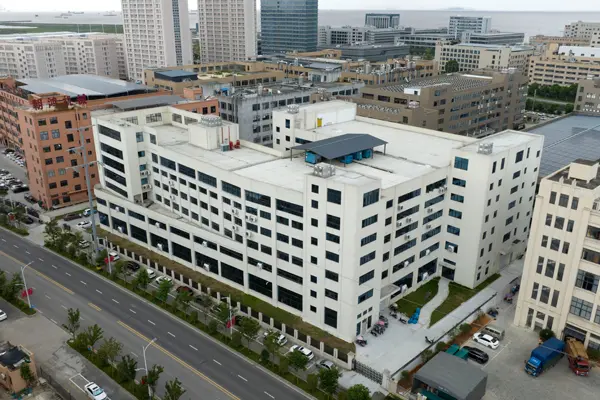
Exterior View
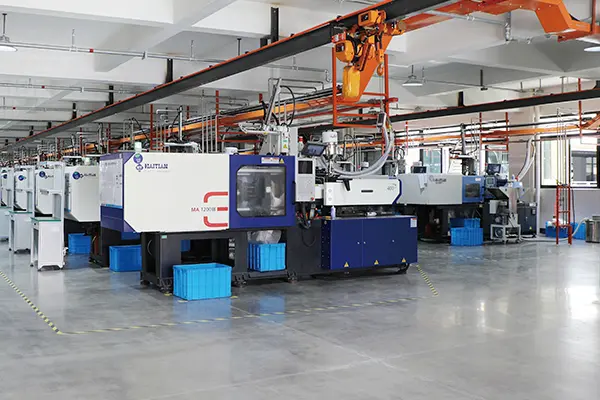
Precision Equipment
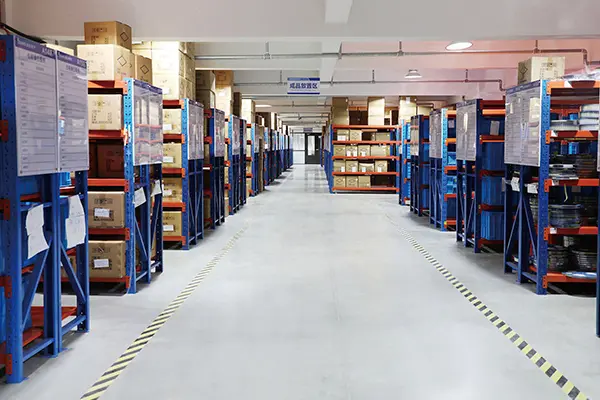
Finished Product Area
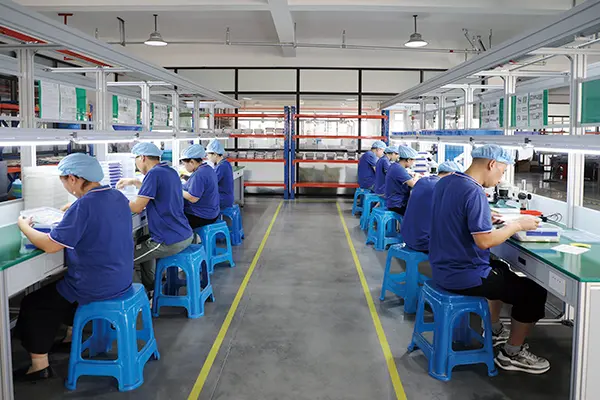
R&D Team