 Wenda Electronics
Wenda Electronics
Wenda Electronics
High-performance wire-to-board and board-to-board connectors engineered for demanding automotive power supply networks and signal transmission interfaces.
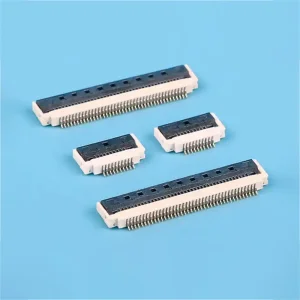
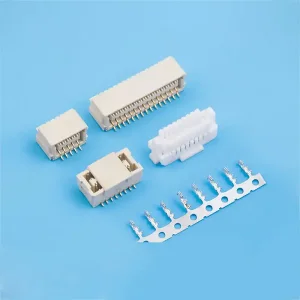
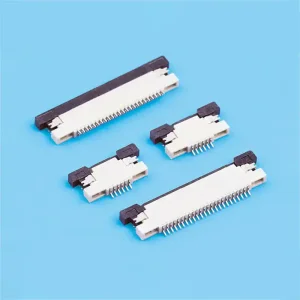
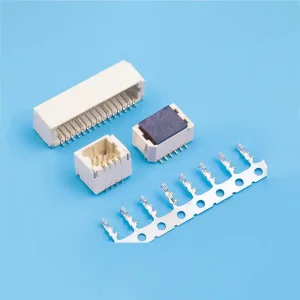
Exploring the technical evolution from simple point-to-point connections to unified, high-speed, zonal automotive distribution systems.
In modern automotive design, the Car Electrical Harness acts as the central nervous system of the vehicle. Historically, wire harnesses were designed as simple, decentralized copper circuits running from sensor to controller, and from switch to actuator. However, the rise of software-defined vehicles, high-voltage battery systems, and Level 2+ autonomous driving has caused the complexity of car electrical architectures to escalate exponentially. This escalation demands lighter, more intelligent, and electromagnetic-interference (EMI) shielded cabling systems to ensure safe and continuous high-voltage operation.
Modern automotive engineers are shifting from traditional domain controller architectures to advanced Zonal Control Architectures. Instead of routing dozens of individual cables from the engine bay or cabin sensors to a single central processor, zonal architectures group devices based on their physical location. A zonal gateway hub coordinates these local signals, combining power distribution and high-speed data transmission over a simplified backbone. This design reduces wire harness weight by up to 30%, which directly improves the driving range of electric vehicles (EVs).
Minimizing weight without compromising current capacity (ampacity) is the primary goal for OEM wiring designers. Transitioning from copper to aluminum alloys, combined with implementing thin-wall insulation technology (such as cross-linked polyethylene or XLPE), allows automotive wire harnesses to operate safely within extreme temperature ranges (-40°C to +125°C or higher) while achieving significant weight savings.
Furthermore, the high-voltage networks of battery electric vehicles (BEVs) running on 400V and 800V architectures require specialized safety measures. High-voltage harnesses must handle hundreds of amperes while remaining completely sealed against moisture, dust, and mechanical stress. Our research and manufacturing processes focus on designing and producing robust connector pairs and specialized shielding braids. These components prevent high-frequency noise from disrupting sensitive onboard communications, including Controller Area Network (CAN), Local Interconnect Network (LIN), and Automotive Ethernet systems.
Decoupling critical quality metrics required by global automotive tier-1 suppliers and OEMs.
Purchasing agents and supplier quality engineers (SQEs) evaluating a new Car Electrical Harness Factory must assess several critical factors beyond price. High-vibration environments, thermal cycles, and exposure to corrosive fluids require raw materials that meet strict USCAR, ISO, and DIN specifications. A single failure in a wire harness termination can cause a complete vehicle shutdown, making rigorous product verification essential.
A reliable supplier must enforce strict control measures throughout the manufacturing process, from incoming material inspections to final wire harness testing. The key areas of quality control include:
Custom interconnect engineering designed to meet the technical requirements of modern smart mobility platforms.
Reliable shielded twisted pair (STP) and coaxial harness solutions designed for high-resolution cameras, ultrasonic sensors, radar, and LiDAR modules. Our assemblies ensure low latency, zero packet loss, and high-frequency data transmission for Level 2 to Level 5 autonomous driving systems.
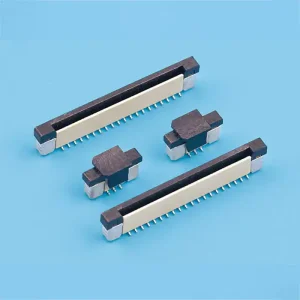
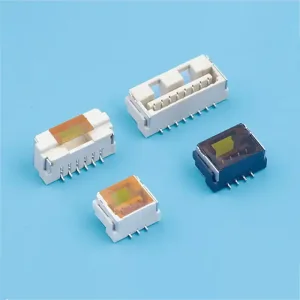
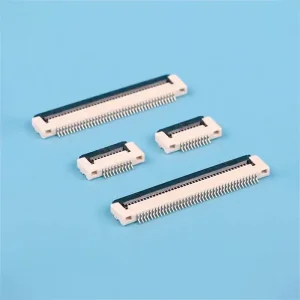
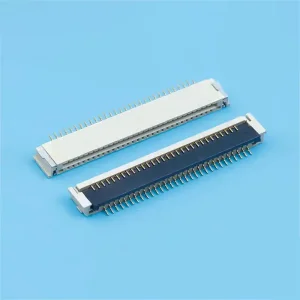
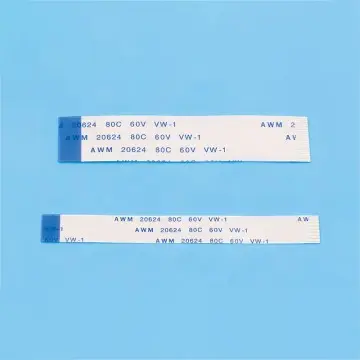
Highly flexible, temperature-resistant FPC/FFC flat ribbon cables and ultra-low profile SMT connectors. Designed to fit within tight battery cell configurations, these solutions continuously monitor cell voltage, temperature data, and state-of-charge (SoC) metrics.
Heavy-duty, shielded high-voltage wire harnesses engineered for traction inverters, on-board chargers (OBC), and auxiliary power systems. Features integrated interlock circuits, visual orange coloring, and finger-proof connector interfaces to ensure operator and technician safety.
Zhejiang Wenda Electronics Co., Ltd. — Your Trusted Automotive & Precision Interconnect Manufacturing Partner
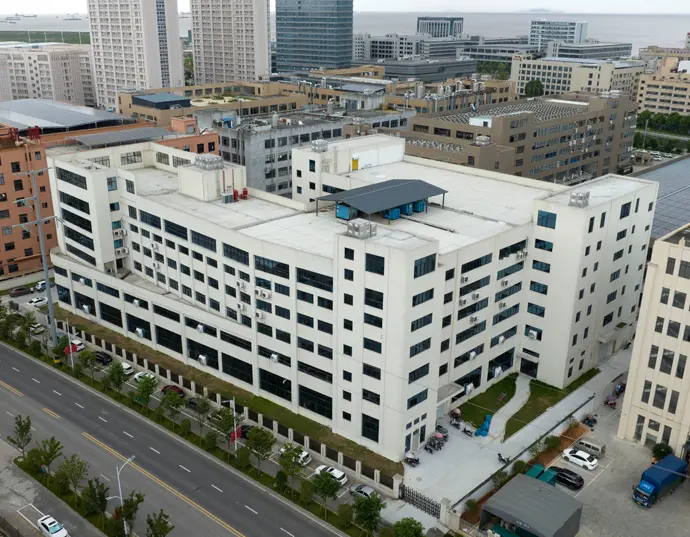
Zhejiang Wenda Electronics Co., Ltd. is located at the southern foot of the beautiful Yandang Mountain - Yueqing Bay Lingang Economic Development Zone, Yueqing City, Zhejiang Province. It is close to the 104 National Highway, next to the Ningbo-Taiwan-Wenzhou Expressway, and 50 kilometers away from Wenzhou Airport and Railway Station, close to the starting station of Wenzhou Light Rail Line S2, and the transportation is very convenient. The company was founded in March 2007. It is a private joint-stock enterprise with more than 500 employees. The factory covers an area of more than 10,000 square meters and a construction area of more than 25,000 square meters.
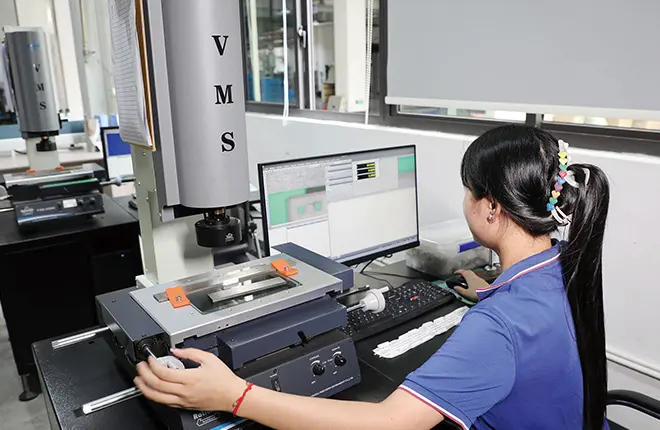
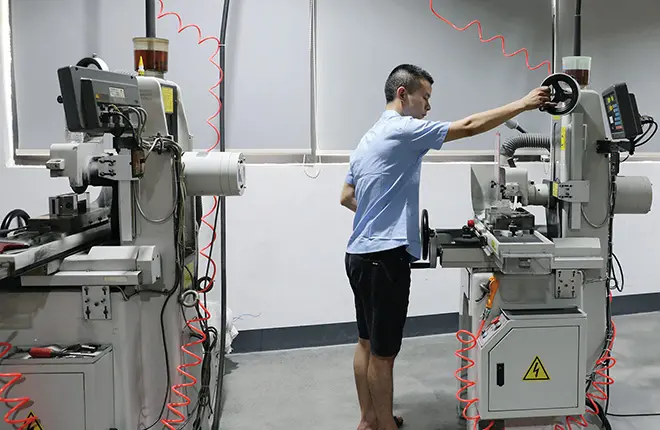
The company integrates product research and development, manufacturing, and marketing, and can independently design and develop various types of precision electronic connectors, new energy connectors, electronic and automotive wiring harnesses, and other products. The company currently has various types of high-speed precision punching machines, precision injection molding machines, fully automatic integrated assembly lines, fully automatic multi-functional computer wire stripping machines, wire harness terminal machines, FFC-automatic laminating and molding machines, CCD fully automatic detection and packaging machines, and two-dimensional, ROHS tester, film thickness detector, reflow soldering, multi-function wire tester, wire harness continuity tester, etc. - a complete set of advanced production/testing equipment totaling more than 500 sets.
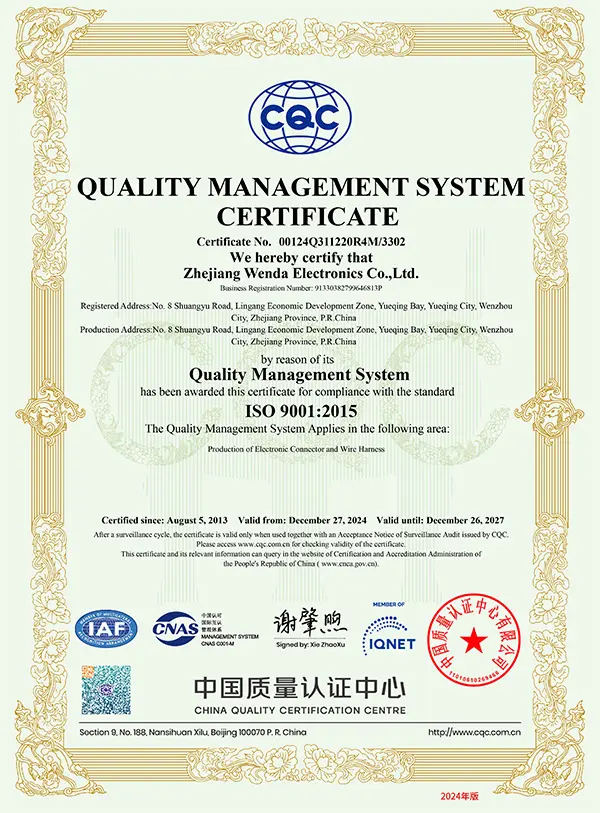
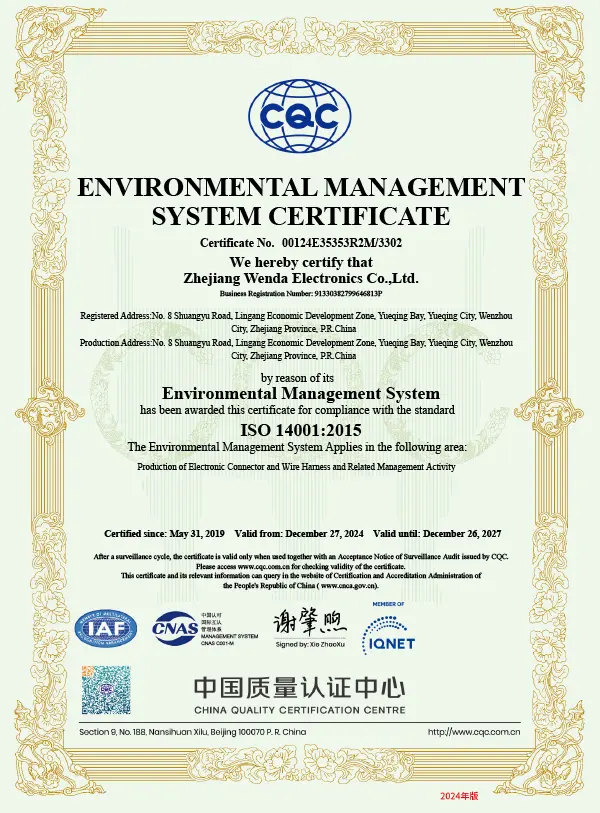
Products are widely used in LED, PDA, DIA, SCMAN, tablet computers, mobile phones, printers, audio, imaging, home appliances, medical, security, drones, automotive fields, new energy and other industries. To meet customer needs and company development needs, the company has successively passed ISO9001-2015 quality management system certification, ISO14001-2015 environmental management system certification, ISO45001-2018 occupational health and safety management system certification and IATF16949-2016 automotive quality management system certification, QC080000-2017 Hazardous Substances Process Management System Certification. Product certification has passed UL certification, CQC certification, CE certification, etc. Guided by the corporate spirit of "hard work, tolerance, efficiency, and character" and the corporate vision of developing into a high-quality connector company, it is our responsibility to provide customers with high-quality, low-price, and high-performance products. We are committed to building a high-efficiency, high-execution enterprise.
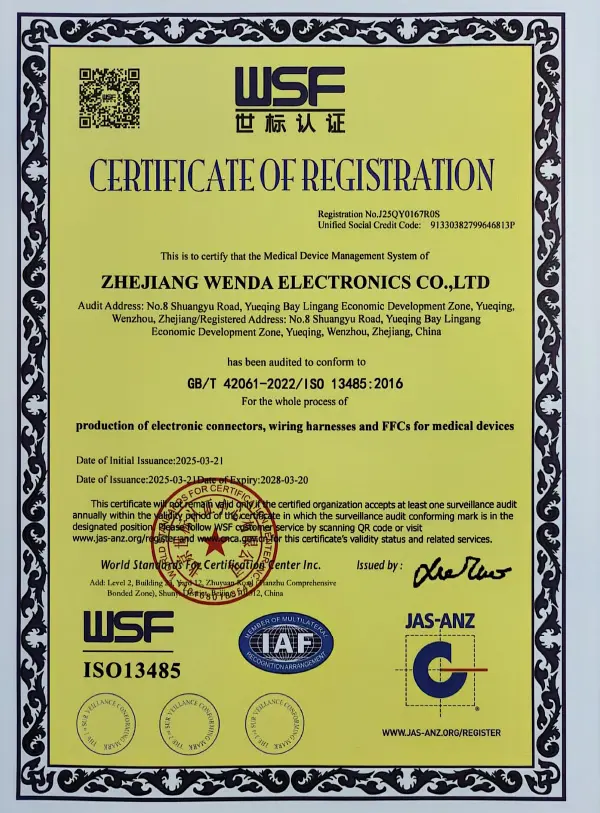
Our manufacturing compliance and international certifications guarantee product safety and regulatory adherence.
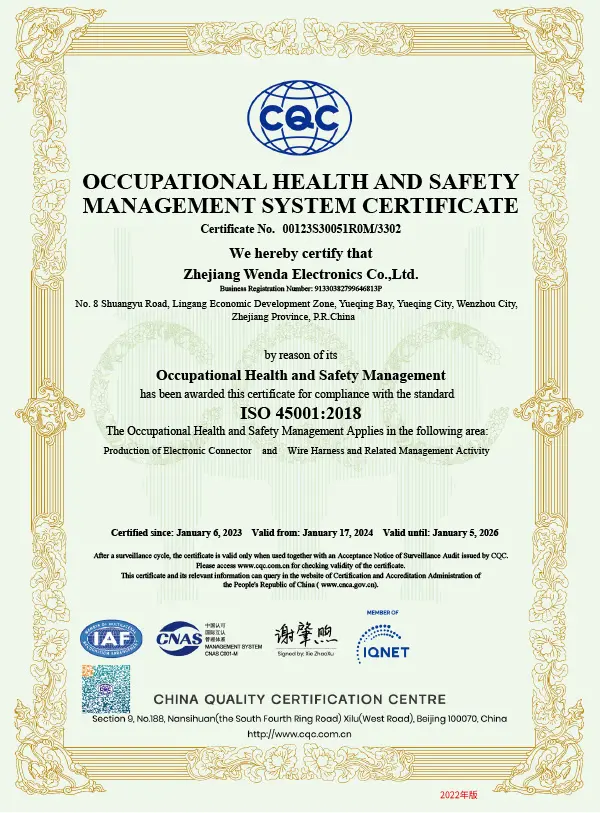
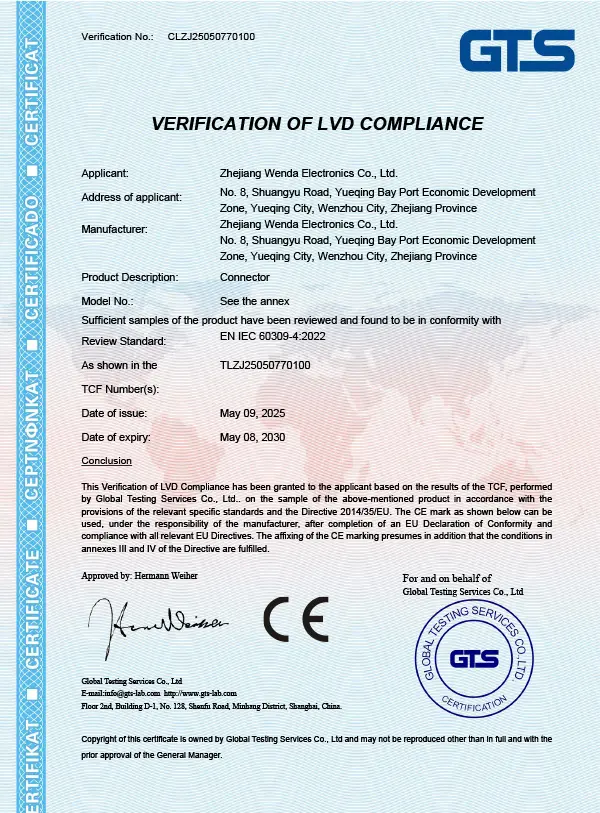
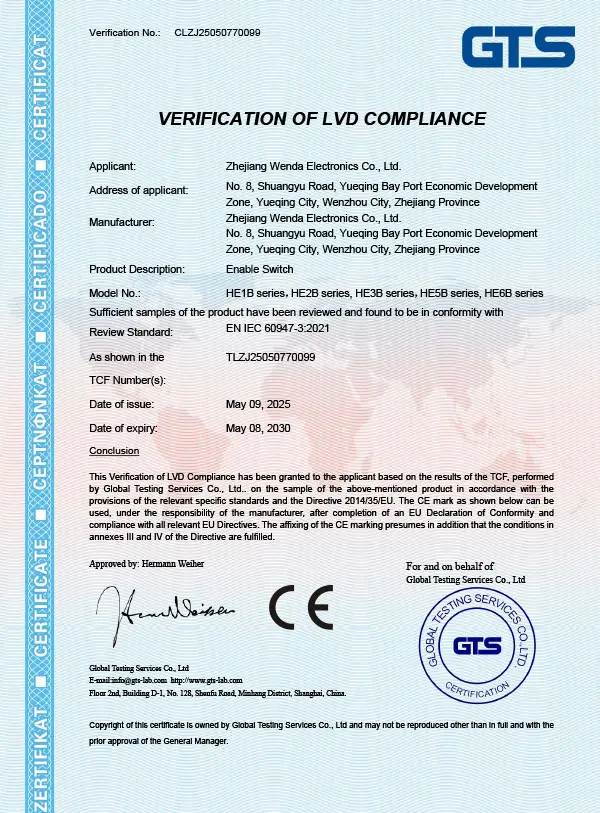
Delivering high-reliability interconnection components for critical applications worldwide.
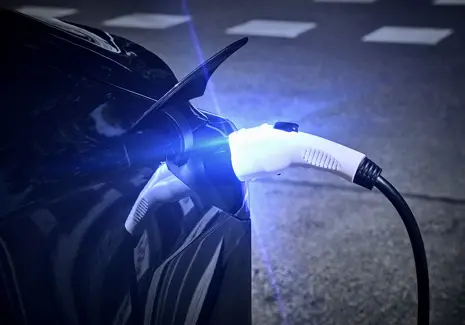
Connectors serve as core carriers for "power transmission, safety protection, intelligent interaction, and mechanical adaptation" in new energy chargers and vehicle powertrains. As systems upgrade to 800V platforms and ultra-fast charging, our components are optimized for high current carrying capacity, high temperature resistance, and space-saving integration.
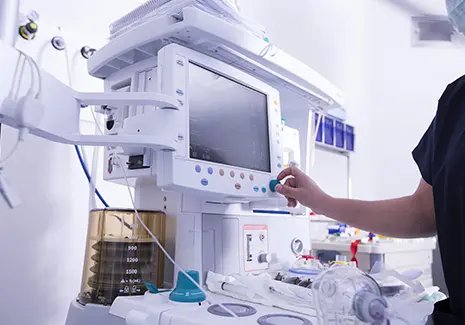
Serving as precise carriers for signal transmission, reliable interfaces for power distribution, and safety valves for fluid control in diagnostic and patient monitoring equipment. Modern medical applications rely on our miniature, cleanroom-manufactured connector options for high-density, reliable performance.

Supporting the high integration requirements of smart devices, where ultra-low profile FPC and FFC connectors link components in tight internal footprints. Engineered to withstand high-current fast charging and repeated mechanical folding cycles.
First-class technical equipment and production configurations are the foundation for high-yield manufacturing.
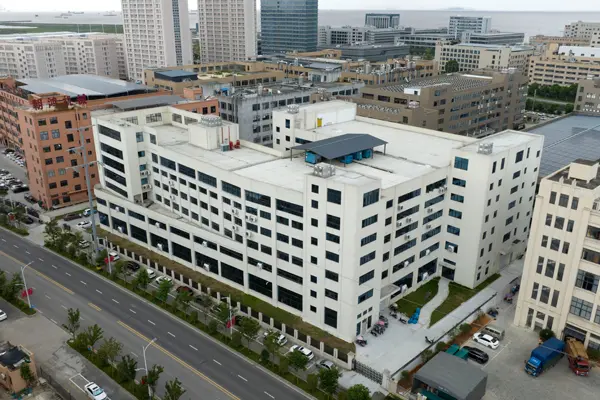
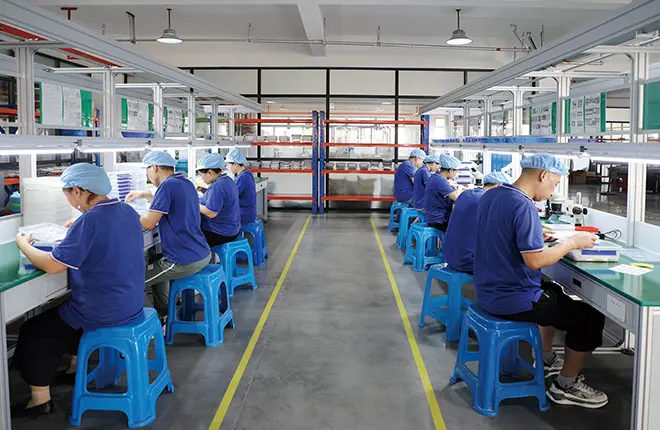
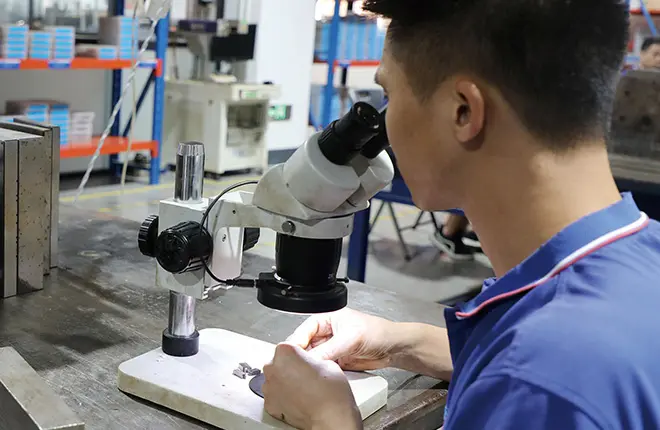
To ensure that every product is provided to users with peace of mind, the company requires that every product leaving the factory be free of defects.
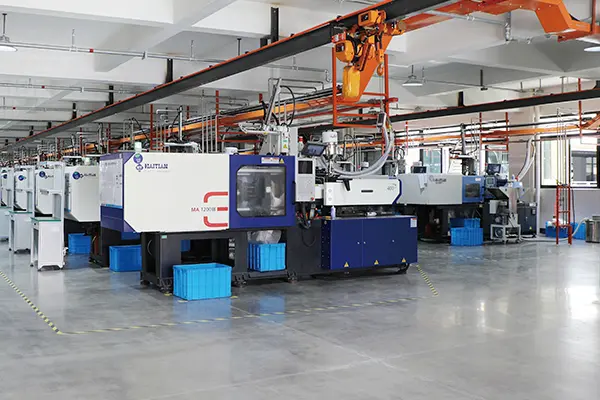
Our workshop houses high-speed precision stamping machines and automated inspection stations to secure zero-defect outputs.
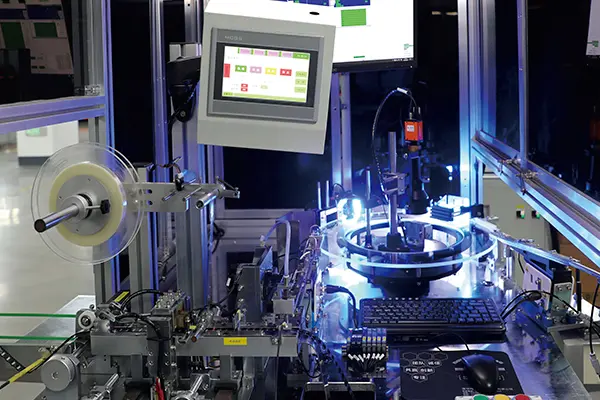
Featuring terminal crimping machines and high-speed multi-functional wire processors for high-volume automotive production.
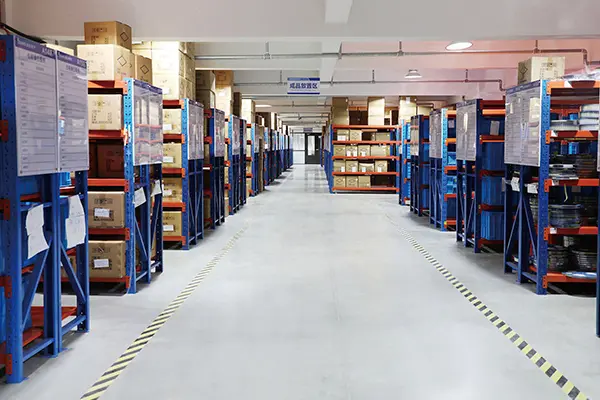
Optimized warehousing system ensures temperature and humidity-controlled storage for sensitive copper and plastic components.
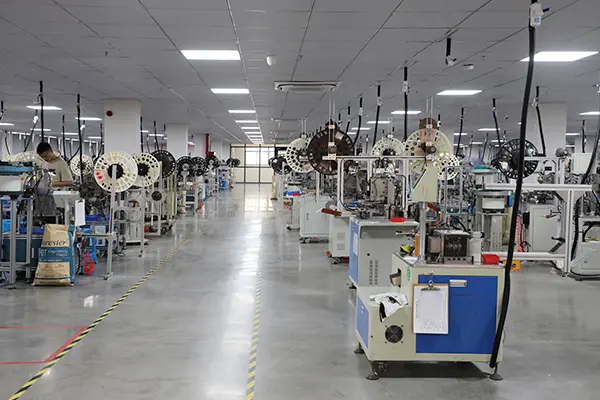
In-house R&D laboratory equipped with advanced cross-section and RoHS analyzers to maintain technological leadership.
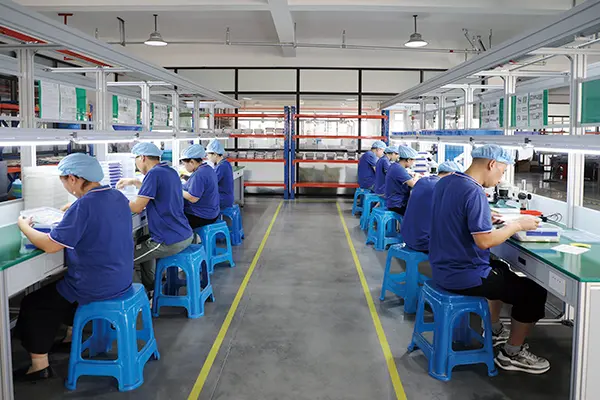
Skilled operators work with IATF16949-compliant standard operating procedures (SOPs) to ensure consistent assembly quality.
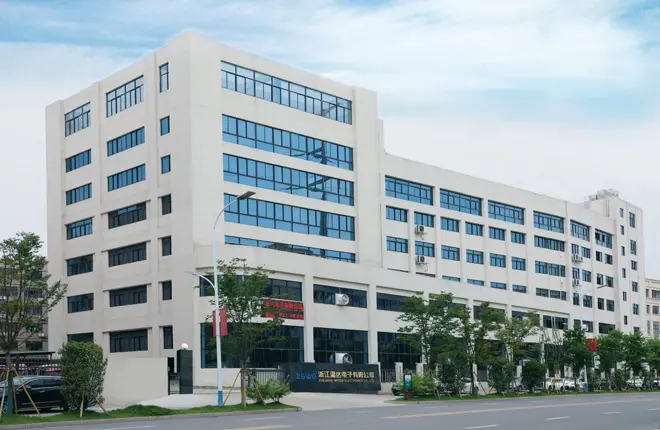
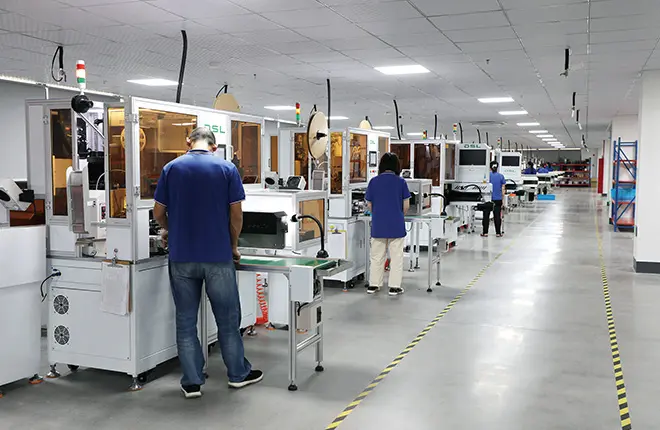
Precision electronic connectors, new energy components, and custom wire harness solutions.

Anticipating engineering challenges and technological solutions for autonomous driving platforms.
As standard architectures transition to zonal control, the physical design of the Car Electrical Harness is evolving. Key technical trends include:
Additionally, sustainability is becoming a key metric for automotive supply chains. OEMs are prioritizing suppliers that utilize recyclable plastic resins and clean manufacturing processes. By implementing halogen-free insulation compounds and optimizing metal recycling workflows, modern factories help global automotive brands minimize the lifecycle carbon footprint of their vehicles.
Detailed answers to critical technical questions asked by automotive engineers and purchasing managers.
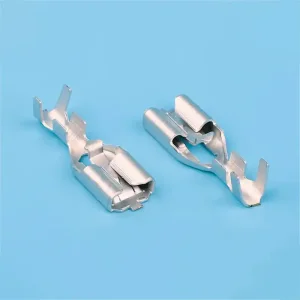
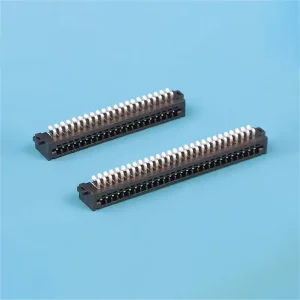
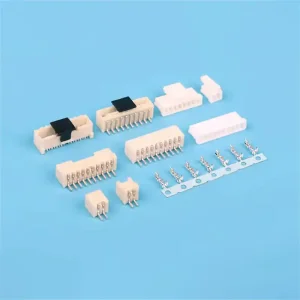
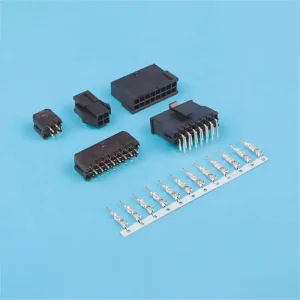
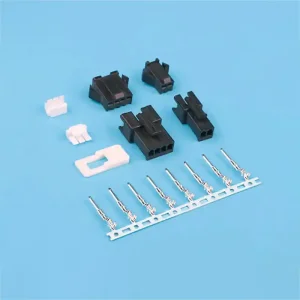
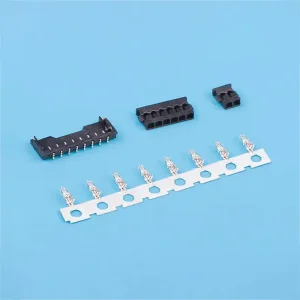
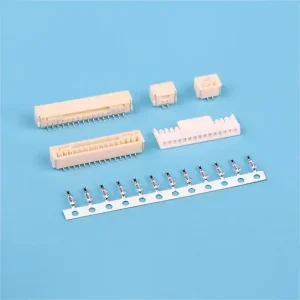
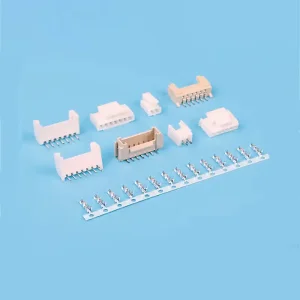
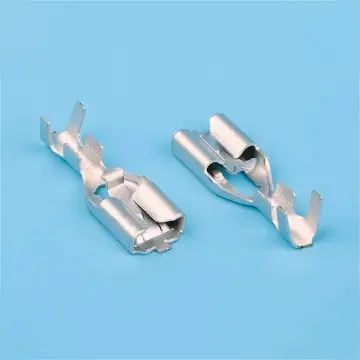
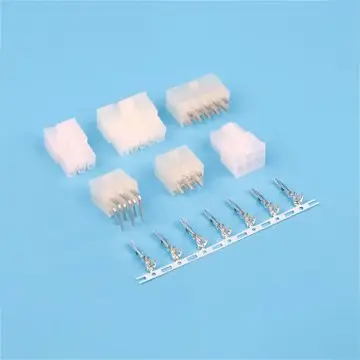
High-durability crimp terminals, board-to-wire socket headers, and heavy-duty connector housings engineered to secure reliable electrical connections.