 Wenda Electronics
Wenda Electronics
Wenda Electronics
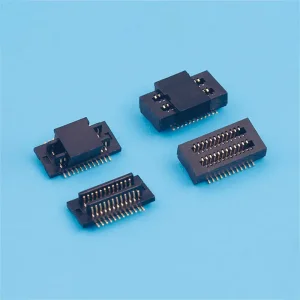
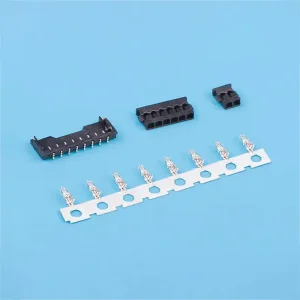
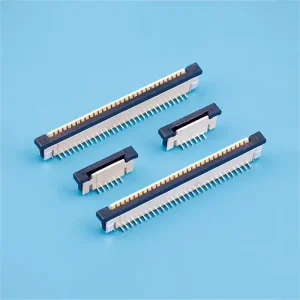
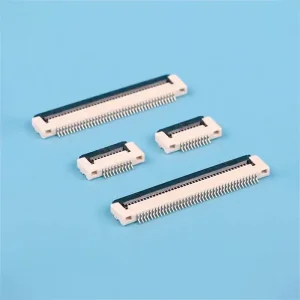
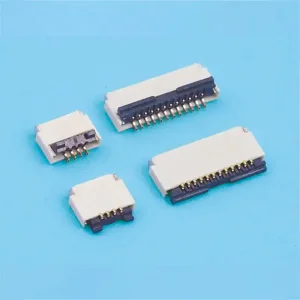
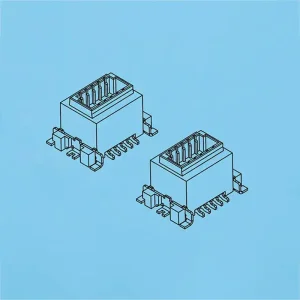
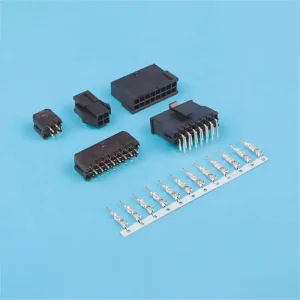
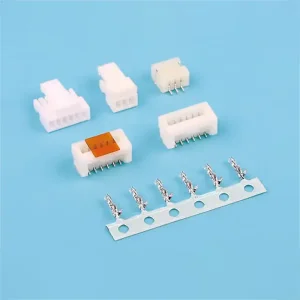
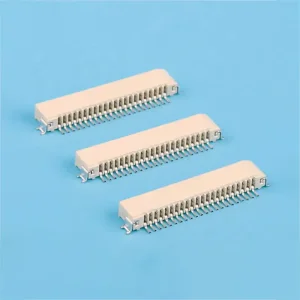
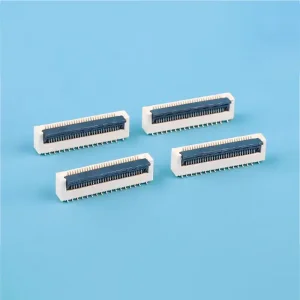
Explore our premium range of board-to-board, SMT, and FPC connectors designed for high-performance industrial and consumer electronics.
A comprehensive analysis of market dynamics, engineering innovations, and global supply chain shifts.
Modern electronic designs demand ultra-low profile tactile switches. SMT (Surface Mount Technology) variants with heights as low as 0.35mm are enabling the next generation of sleek wearables, medical patches, and high-density PCB layouts without compromising tactile feedback.
With applications expanding into harsh environments, IP67 and IP68 dust and waterproof ratings have become standard. Advanced silicone membrane integration ensures switches withstand up to 1,000,000 lifecycles under extreme thermal and mechanical stress.
User experience is heavily defined by the "click" feel. Leading manufacturers now offer precise actuation force customization (ranging from 100gf to 500gf) and acoustic tuning to match the specific branding and ergonomic requirements of automotive and premium consumer brands.
Global procurement managers face the continuous challenge of balancing cost efficiency, component reliability, and supply chain resilience. Tactile push buttons are critical failure points in any electronic system; a single malfunctioning switch can render an entire industrial machine or automotive console useless.
To mitigate these risks, modern sourcing strategies prioritize factories that offer vertical integration—from in-house dynamic mold design to automated high-speed stamping and 100% automated optical inspection (AOI). Zhejiang Wenda Electronics Co., Ltd. addresses these exact pain points by providing fully certified, high-yield manufacturing services that align with global automotive and industrial standards.
How Zhejiang Wenda Electronics Co., Ltd. leverages advanced automation to deliver zero-defect electronic components globally.
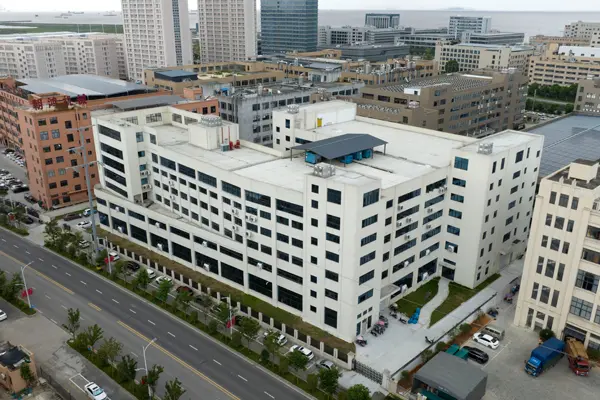
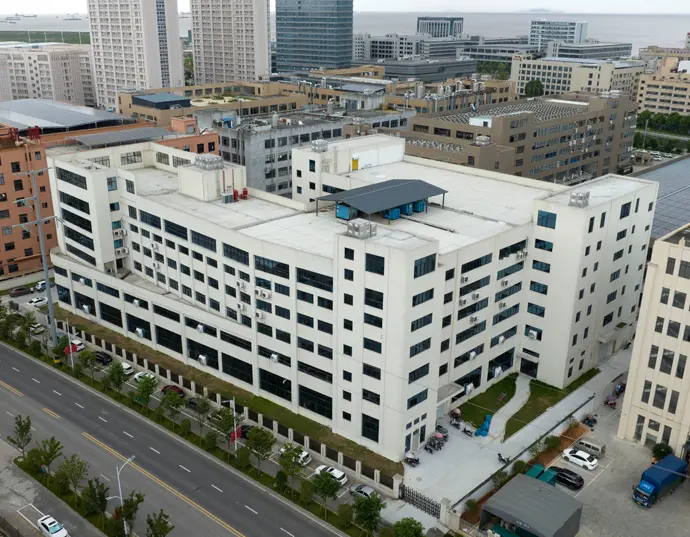
Strategically located in the Yueqing Bay Lingang Economic Development Zone, Zhejiang Province, Wenda Electronics has grown into a powerhouse of precision component manufacturing. Our state-of-the-art facility spans a construction area of over 25,000 square meters, housing advanced infrastructure for high-speed precision punching, precision injection molding, and fully integrated automated assembly lines.
Our comprehensive capabilities allow us to independently design, develop, and manufacture high-performance tactile switches, precision board-to-board connectors, and customized automotive wire harnesses. By maintaining complete control over the production lifecycle, we ensure that every component leaving our facility adheres to the highest benchmarks of quality and electrical endurance.
Equipped with ultra-precision CNC machinery, slow-feeding wire cut machines, and high-speed EDM equipment, our engineering team transforms complex designs into high-durability production molds with tolerances within micrometers.
We utilize fully automated integrated assembly lines coupled with high-resolution CCD optical inspection systems. This ensures 100% real-time checking of dimensions, contact alignment, and cosmetic defects, eliminating human error.
Our in-house testing laboratory features reflow soldering simulators, RoHS analyzers, film thickness detectors, mechanical life cycle testers, and contact resistance meters to guarantee absolute compliance with international standards.
How our precision switches and connectors act as the foundational hardware for advanced global industries.
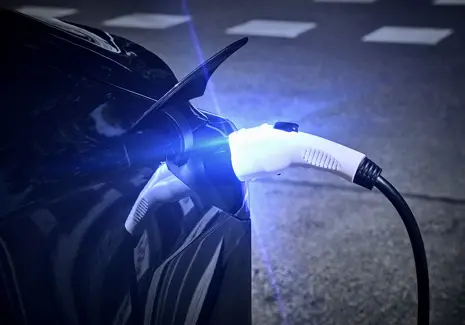
Connectors and tactile switches are comprehensive carriers of "power transmission + safety protection + intelligent interaction" in modern EV platforms. As vehicles transition to 800V architectures and high-power fast charging, our components deliver the high temperature resistance and vibration mitigation required for steering wheels, infotainment systems, and battery management units.
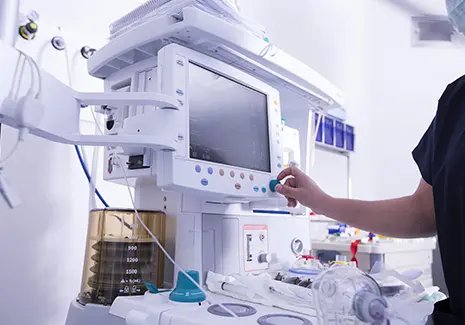
In medical environments, tactile interfaces serve as precise, reliable carriers for signal transmission and device control. Our IP67 sealed switches and high-density FPC connectors are widely integrated into patient monitors, portable ultrasound devices, and surgical control panels, offering sterile compatibility and fail-safe operation.

Miniaturized tactile switches and ultra-slim board-to-board connectors act as the collaborative links for internal components in modern mobile phones. They are engineered to withstand high-frequency mechanical stress, ensuring long-term durability for side keys, power buttons, and internal camera module interfaces.
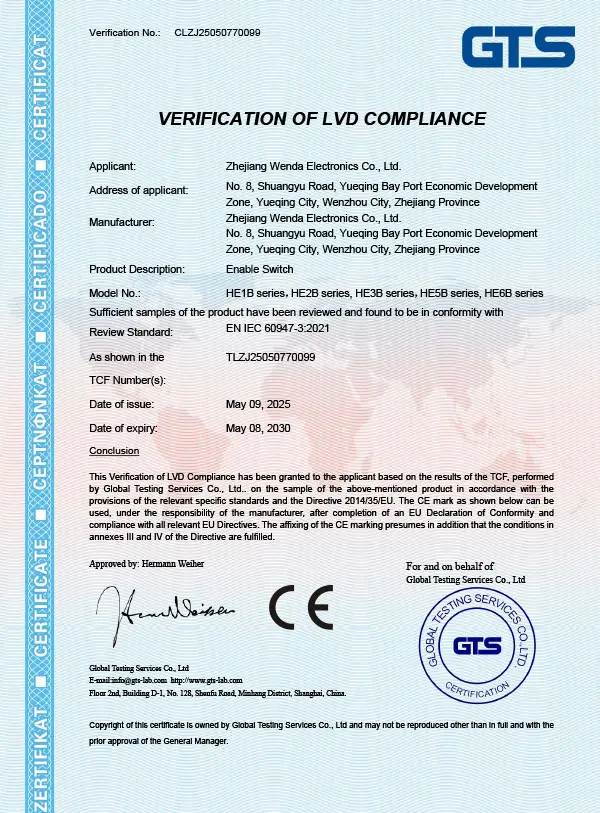
A closer look at our manufacturing floor and international standard certifications.
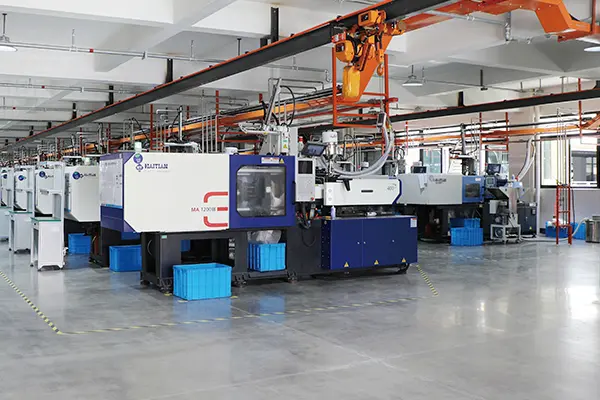
Equipped with high-speed Japanese injection machines to ensure ultra-precise plastic housings.
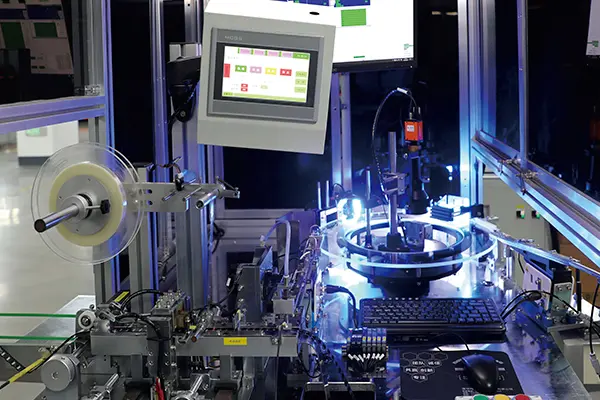
Advanced progressive die stamping presses operating at up to 800 strokes per minute.
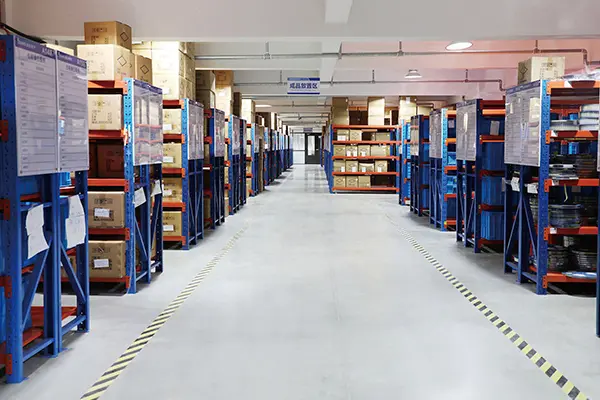
Strict FIFO inventory management with climate-controlled storage for optimal solderability.
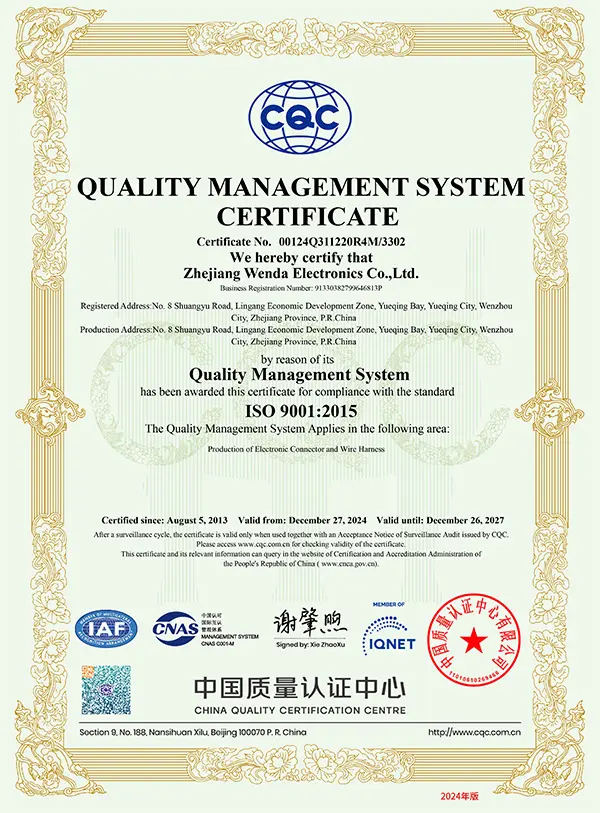
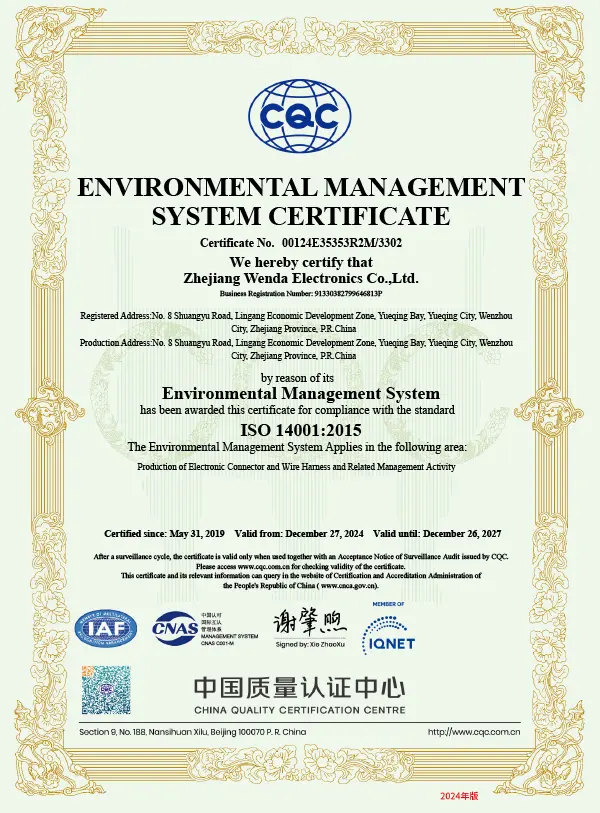
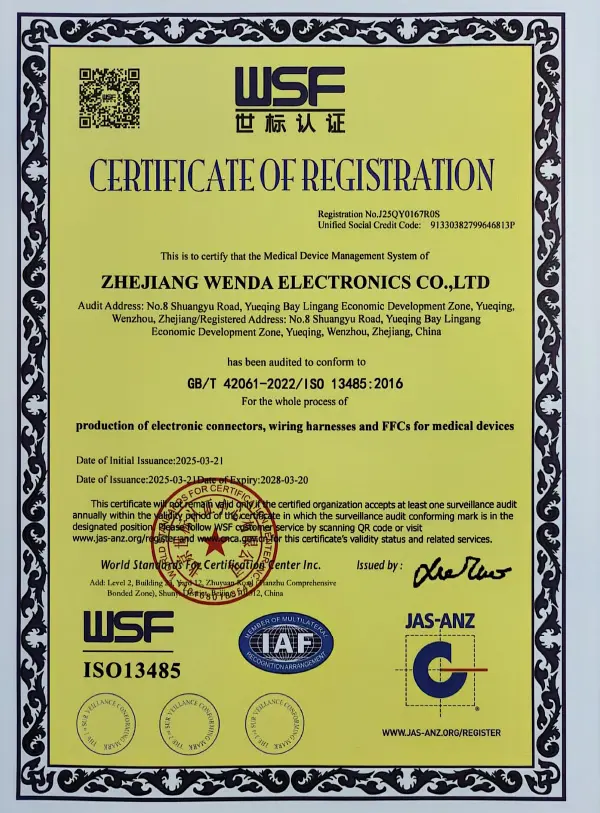
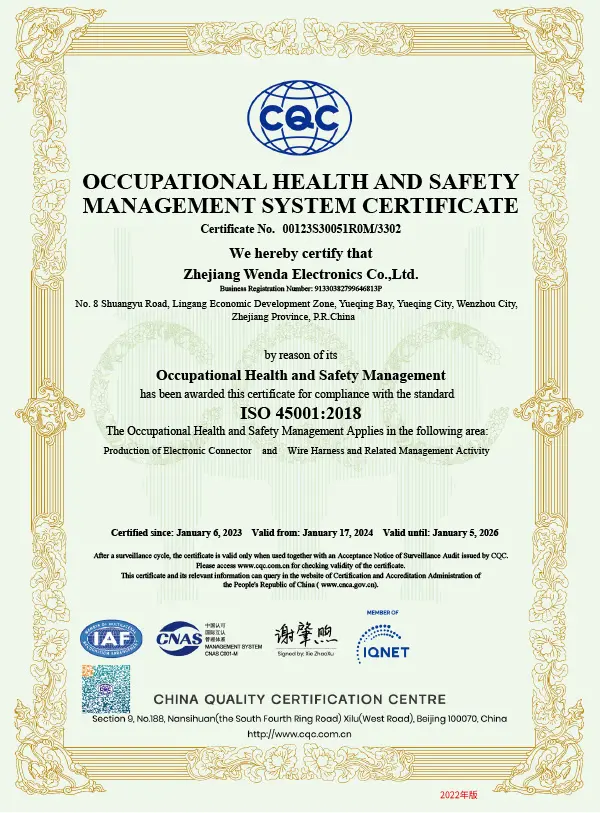
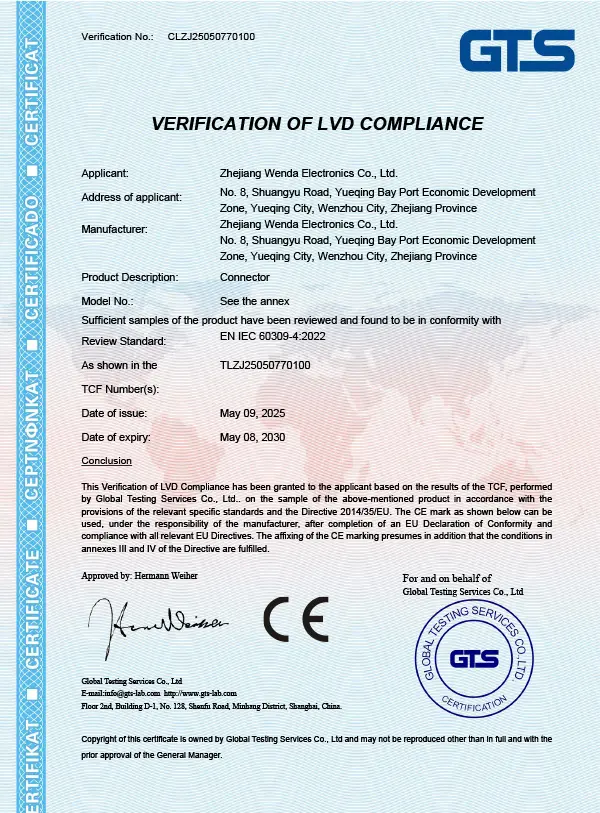
Essential engineering and sourcing guidelines for tactile push buttons and precision connectors.
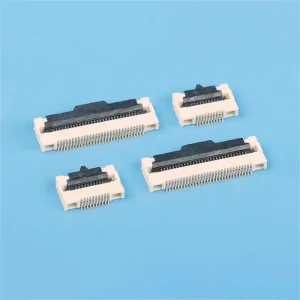
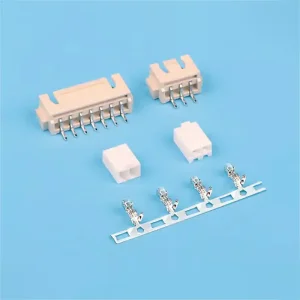
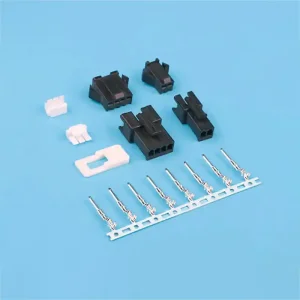
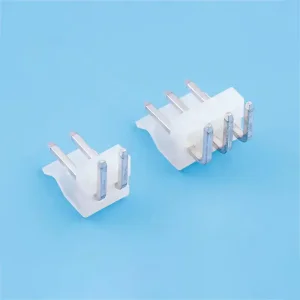
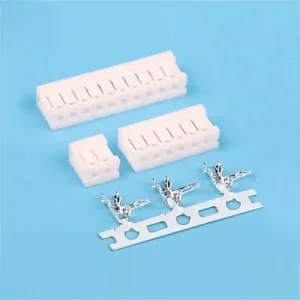
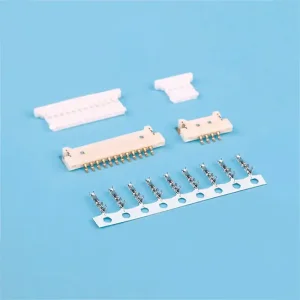
High-reliability FPC, wire-to-board, and battery connectors engineered for seamless integration.