
Wenda Electronics Wenda Electronics

Why Choose the Right Pin Connector?

Time:2026-10-29 Author:Henry
0%

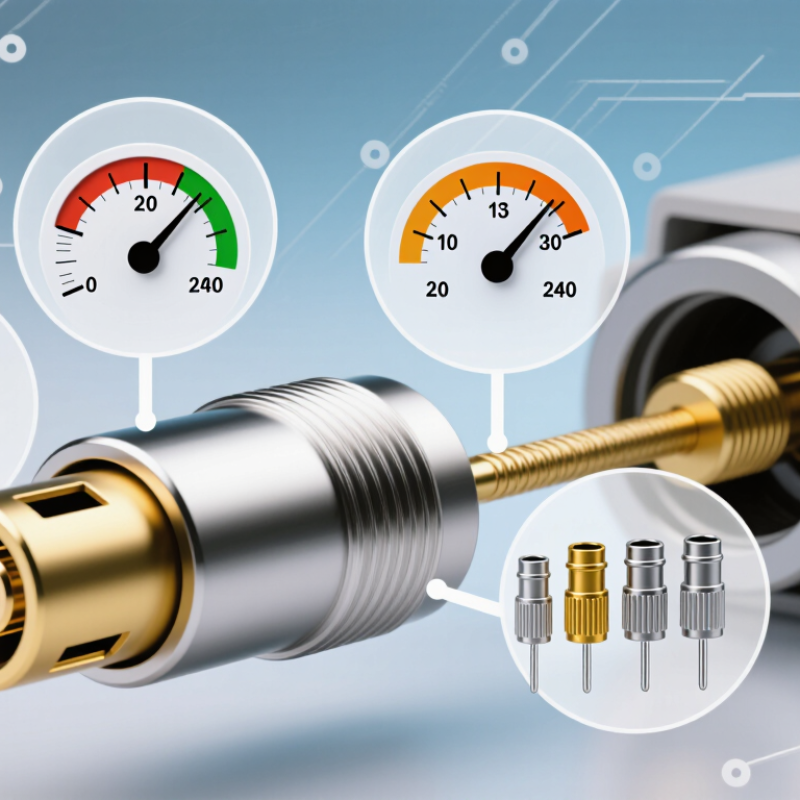
A Pin Connector may look like a small component, but it can influence how reliably an electrical assembly performs. A loose fit, unsuitable plating, or mismatched current rating may cause intermittent signals, excess heat, or difficult maintenance. The right choice starts with the actual job, not the appearance of the part.

Check the operating current, voltage, temperature range, and expected connection cycles. Then compare pin size, spacing, contact material, plating, and mounting style with the device and its environment. A connector exposed to vibration may need stronger retention than one inside a stationary control panel. In a compact enclosure, even a millimeter of clearance can matter. Review the manufacturer’s datasheet, including derating guidance and recommended wire sizes. These details help engineers avoid assumptions based on a similar-looking part.

Testing still matters. A datasheet cannot fully predict performance in every assembly, especially when cable routing, installation pressure, or nearby heat sources differ. Build a sample, inspect the mating fit, and measure electrical behavior under realistic conditions. Keep notes on failures, too; they often reveal a mismatch that specifications alone do not show. No checklist removes every uncertainty. That is worth remembering. Choosing carefully can reduce downtime, simplify servicing, and support more consistent performance, but the best Pin Connector is always the one validated for its specific application.
Why Choose the Right Pin Connector?

What Is a Pin Connector and How Does It Work?

A pin connector is an electrical interface that joins a wire, circuit board, or device to another part through one or more metal contacts. Each pin carries a signal or power, while the surrounding housing keeps contacts aligned and separated. Some connectors use a single pin; others group many pins in a compact row or grid. Small parts, but they do real work.

When two compatible halves meet, spring pressure or a firm contact fit creates a conductive path. Current flows through the metal contacts, not through the plastic housing. The housing helps prevent pins from bending, touching the wrong contact, or loosening under vibration. A pin connector may also include a latch or screw points to hold the connection in place. Fit matters. A pin that is too loose can cause intermittent power, while a pin forced into the wrong socket may bend or damage the contact.

Choosing one means checking more than its shape. Match the pin count, spacing, wire size, current rating, and operating environment. For example, a connector near a warm motor may need a higher temperature rating than one inside a desk sensor. Look closely at the datasheet, then inspect a sample in the actual assembly. This step is easy to skip. I would not assume two connectors are compatible just because they look alike; tolerances and contact plating can differ, and those details are not always obvious by sight.

Common Pin Connector Types and Their Differences

Why Choose the Right Pin Connector?

Common Pin Connector Types and Their Differences

Pin connectors differ in how they attach, move, and carry current. A pin header is soldered to a circuit board, often in a straight or right-angle row. It offers a simple, low-cost connection, but exposed pins can bend during handling. Crimp pins attach to wires and fit into a housing, making them useful for cable assemblies and serviceable connections. Pogo pins contain spring-loaded tips. They suit test fixtures and docking contacts where repeated mating is needed. Not interchangeable.

Board-to-board pin connectors join separate circuit boards at a set spacing. Their pitch, pin count, and stack height affect fit and signal performance. A design engineer should check current rating, contact resistance, mating cycles, vibration, and available space—not just pin diameter. IEC 60512 provides test methods for electrical connectors, including contact resistance and mechanical operation. Those checks help compare parts under defined conditions.

The scale of the market reflects how widely connectors are used, but does not make every type suitable for every job. Grand View Research estimated the global connector market at USD 84.4 billion in 2023 and projected 6.8% annual growth through 2030. That figure covers connectors broadly, not pin types alone. A practical choice may still involve compromise: a compact connector can save board space yet prove harder to inspect or replace. Small detail. Check the actual mating parts and operating conditions before finalizing the design.

Why Choose the Right Pin Connector? — Common Pin Connector Types and Their Differences

Connector Type Contact and Mating Style Common Applications Key Advantages Points to Consider
Pin Header Rows of exposed pins mate with a compatible socket, wire housing, or board connector. Printed circuit boards, development boards, and internal electronics connections. Simple, compact, and easy to inspect or connect during prototyping. Exposed pins can bend or short against nearby conductive objects; many versions are not designed for frequent mating or harsh environments.
Circular Pin Connector Round contacts sit inside a circular shell; coupling may use threads, a bayonet, or a push-pull mechanism. Industrial equipment, instrumentation, vehicles, and outdoor devices. Many designs provide secure coupling, contact protection, and options for sealing against dust or moisture. Size, contact layout, keying, and sealing performance vary. Check the specific connector’s environmental and electrical ratings.
D-Sub Connector Pin or socket contacts are arranged in one or more rows inside a D-shaped metal or plastic shell. Legacy serial and parallel interfaces, control equipment, and some industrial systems. The shaped shell helps prevent incorrect orientation, and screw locks can help secure the connection. Can be relatively bulky compared with newer board-level connectors; the shell alone does not guarantee environmental sealing.
Blade or Spade Connector A flat metal tab mates with a matching receptacle, commonly using a push-on connection. Appliances, automotive wiring, and other equipment where quick wiring connections are useful. Quick to connect and disconnect; common sizes and insulated versions are available. Retention depends on the matching terminal and installation. Select the correct tab size, wire size, and current rating.
Spring-Loaded Pogo Pin A spring-loaded plunger presses against a flat contact or pad; some versions mate with a matching socket. Test fixtures, charging contacts, docking interfaces, and removable modules. Supports repeated contact and can accommodate small alignment variations when designed appropriately. Contact force, stroke, alignment, wear, and contamination affect performance; it is not a substitute for a sealed connector where sealing is required.
Banana Plug and Jack A flexible metal plug, typically with a split spring contact, inserts into a matching jack. Test leads, laboratory equipment, and bench power connections. Easy to connect and disconnect, with a simple design suited to accessible test points. Usually intended for accessible, low-voltage test connections; confirm the ratings and use insulated, guarded designs where appropriate.
Pin Terminal Block A wire-end pin or ferrule is clamped inside a screw or spring terminal. Control panels, power distribution, and equipment wiring. Provides a practical way to terminate wires and can simplify installation or maintenance. Wire range, terminal style, tightening requirements, and ratings differ by model; use the specified wire preparation and installation method.

Key Factors in Selecting a Pin Connector

Choosing the right pin connector begins with the real operating conditions, not its appearance. Match the connector’s rated current and voltage to the circuit, then account for heat, wire size, and available space. A compact pin may fit the drawing but leave too little clearance for insulation or tool access. Small details matter.

Check contact plating, mating cycles, retention, and resistance to vibration or moisture. IEC 60512 provides test methods for evaluating connector performance, but a test result only helps when it matches your application. Grand View Research’s 2024 electrical-connectors market report estimated the global market at USD 84.5 billion in 2023, with a projected 5.3% annual growth rate through 2030. This broad-market figure is not a pin-connector specification; it does underline how many connector types and use cases exist. Review the datasheet’s derating curves and test conditions, and verify that the selected wire and crimp process are compatible. I would not assume a connector is suitable just because its nominal current rating looks generous. Recheck it under the enclosure’s actual temperature and load.

Why Choose the Right Pin Connector?

Conductor size is a key factor when selecting a pin connector. This chart shows how nominal copper-wire resistance decreases as AWG wire size increases.

Nominal DC resistance of copper conductors at 20°C, in ohms per 1,000 feet. Choose a connector that matches the conductor size and the application’s current, voltage, and environmental requirements.

How Connector Choice Affects Performance and Safety

Why Choose the Right Pin Connector?
How Connector Choice Affects Performance and Safety

A pin connector is a small interface with a large job: carrying current without overheating or losing contact. A loose fit, corrosion, or mismatched wire size can increase resistance and heat. At high current, even a small rise in resistance matters. Small parts matter. The NFPA’s Home Electrical Fires report estimated 46,700 U.S. home structure fires annually involving electrical failure or malfunction from 2015 to 2019. That figure does not isolate connector-related fires, but it shows why sound electrical connections deserve attention. The U.S. Bureau of Labor Statistics recorded 145 fatal work injuries involving exposure to electricity in 2022. That statistic is broader than connector incidents, too.

Choose pins for the actual current, voltage, wire gauge, temperature, vibration, and mating-cycle requirements. Check the datasheet for contact resistance, insulation rating, and retention force; then confirm the assembled connection suits its enclosure and environment. For example, a connector rated for a dry control cabinet may not withstand condensation or repeated movement. A secure latch helps, but it cannot compensate for a poorly crimped terminal. Catalog figures are useful, though real installations are rarely as tidy as test conditions. That gap deserves a second look during inspection.

Matching a Pin Connector to Its Application

A pin connector should match the job, not just the number of contacts. Start with the circuit’s voltage and current, then check wire gauge, pin pitch, and available space. A connector that fits the drawing may still run hot if its current rating is too low. Fit matters.

MarketsandMarkets’ Connectors Market report estimated a global market value of USD 84.1 billion in 2023 and forecast USD 116.5 billion by 2028. That broad growth reflects demand across many applications; it does not make every connector suitable for every device. For a vibrating assembly, check the locking method and retention force. For damp or dusty locations, verify the specified ingress protection rating rather than relying on a sealed-looking shell.

Also match the contact material and plating to the operating environment, mating frequency, and maintenance plan. A high-cycle test connector may need different contacts from a rarely serviced control panel. Check the manufacturer’s technical data against relevant IEC 60512 connector test methods, including temperature rise and mechanical endurance. A tidy specification can still hide a mismatch: cable flexibility, installation access, or repeated handling may change the real fit. Before release, inspect a sample in the actual housing and confirm that it mates without force.

FAQS

What is a pin connector?

It joins a wire, circuit board, or device through metal contacts. The housing keeps pins aligned and separated.

How does a pin connector carry power or signals?

Matching contacts meet under spring pressure or a firm fit. Current flows through the metal, not the plastic housing. Fit matters.

What should I check before choosing one?

Match the pin count, spacing, wire size, current rating, and voltage. Check the datasheet, then test a sample in the actual assembly.

Why can a loose connection cause problems?

A loose fit can interrupt power and increase resistance. Higher resistance may create heat, especially when current is high. Small parts matter.

Do two connectors work together if they look alike?

Not necessarily. Their spacing, contact plating, or tolerances may differ. I would double-check rather than trust appearance alone.

Which environmental details matter?

Check temperature, vibration, moisture, and dust. A connector near a warm motor may need a higher temperature rating than one in a desk sensor.

Is a latch enough to keep a connection reliable?

A latch can help prevent movement, but it cannot fix a poorly crimped terminal. Inspect the crimp and retention in the finished assembly.

What should I check during a sample inspection?

Confirm the connector mates without force and fits inside its housing. Also check cable flexibility and access; a neat drawing can miss an awkward bend.

Conclusion

A Pin Connector is an electrical component that joins conductors, allowing signals or power to pass between connected parts. Its pins make contact with matching sockets or terminals, while the connector’s design helps keep the connection stable. Pin connectors come in different shapes, sizes, pin arrangements, and mounting styles, each suited to particular electrical and mechanical requirements.

Choosing the right connector involves considering current and voltage needs, pin count, spacing, materials, operating conditions, and how often the connection will be made or removed. A well-matched Pin Connector can support reliable performance, reduce the chance of loose contacts or overheating, and improve overall safety. The best choice depends on the application, including available space, environmental exposure, installation method, and the level of durability required.

Henry

Henry

Henry is a dedicated marketing professional with a profound expertise in the company's offerings. With years of experience in the industry, he possesses an impressive understanding of the market dynamics and consumer behaviors that drive success. Henry is committed to sharing his insights through......