In the rapidly evolving electrical industry, terminal cables play a crucial role. These cables are essential in various applications, from automotive to renewable energy. According to the latest market research report, the global terminal cable market is projected to reach $10 billion by 2026, showcasing a robust growth rate. This emphasizes the importance of identifying reliable suppliers.
China stands as a prominent hub for terminal cables. The country is home to numerous suppliers, known for their production capabilities and technological advancements. However, the quality of terminal cables can vary significantly. Some suppliers focus on cost-cutting, which may lead to inferior products. Industry reports highlight that 30% of buyers prioritize quality over price, indicating a growing awareness of the implications of choosing the wrong supplier.
When sourcing terminal cables, it is crucial to consider certifications and manufacturing standards. Not all suppliers adhere to strict regulations. Engaging with established companies can mitigate risks and ensure reliability. In an industry where safety and efficiency are paramount, a thorough evaluation of suppliers in China is essential for making informed decisions.
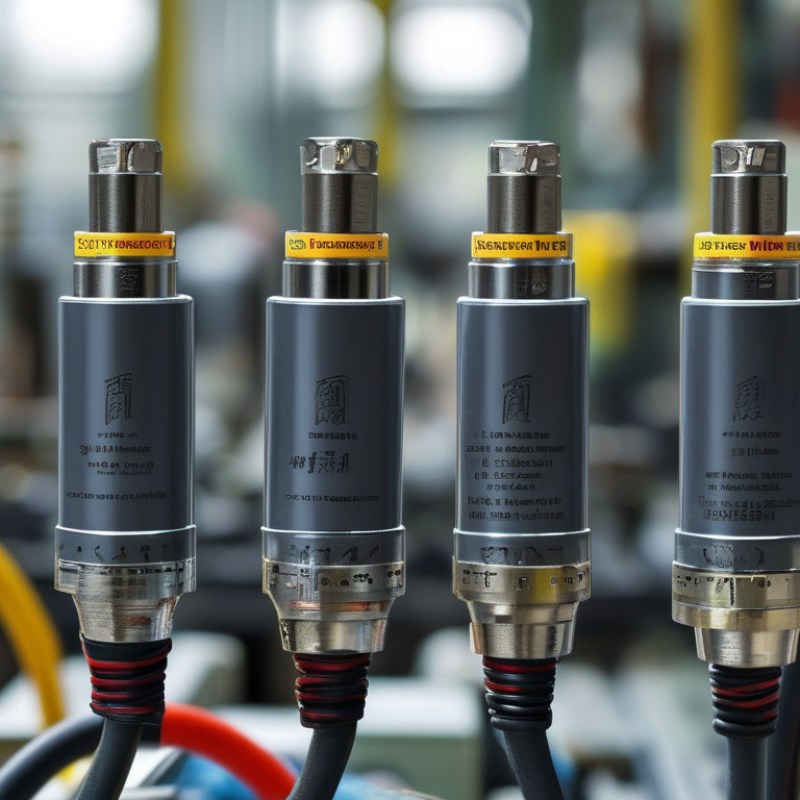
Top Terminal Cables Suppliers in China: An Overview of the Market Landscape
The terminal cables market in China demonstrates significant growth, driven by increasing industrial automation and the demand for reliable power sources. According to recent reports, the market is projected to reach $1 billion by 2025, reflecting an annual growth rate of approximately 8%. This expansion indicates a robust infrastructure supporting various sectors, including automotive, telecommunications, and renewable energy.
Several suppliers have emerged, contributing to a diverse landscape. The competition among these players is intensifying. Buyers often face challenges in sourcing high-quality materials. Reports suggest a growing reliance on certifications and testing standards to ensure product reliability. Quality assurance remains a pressing concern, as subpar products can lead to significant operational risks.
Moreover, market dynamics are shifting due to environmental regulations. Manufacturers are increasingly shifting towards sustainable practices. This transition can present challenges in production costs and process adaptation. Supplier transparency remains vital; it shapes buyer trust and influences purchasing decisions. The demand for innovation in terminal cable technology is evident, as companies strive for efficiency and safety in their products.
Key Players in the Chinese Terminal Cables Industry
The Chinese terminal cables industry is rapidly evolving, driven by increased demand for energy and infrastructure development. According to a report by ResearchAndMarkets, the market is expected to grow at a CAGR of over 6% from 2022 to 2027. This growth is largely due to advancements in technology and rising investments in renewable energy. Key players in this market are continuously innovating to enhance their product offerings, ensuring they meet the stringent quality standards required in different applications.
One of the challenges faced by companies in this sector is the need for high-level expertise in manufacturing processes. The complexity of terminal cable production demands a skilled workforce proficient in both engineering and quality assurance. As the industry becomes more competitive, companies are reflecting on their operational efficiencies and exploring automation to reduce costs.
Tip: Invest in employee training programs. A knowledgeable workforce can significantly improve product quality.
Many suppliers struggle to maintain consistency in their product lines. They often face issues like material sourcing and compliance with international standards. This inconsistency can lead to customer dissatisfaction and potential fallout in partnerships. It's crucial for manufacturers to prioritize quality control systems to ensure reliable outputs.
Tip: Regularly review quality control protocols. Continuous improvement can enhance product reliability.
Market Trends and Growth Projections for Terminal Cables in China
The terminal cables market in China is experiencing dynamic growth. Several factors are driving this trend. Increased industrialization and the push for renewable energy solutions are primary influences. Analysts predict a compound annual growth rate for terminal cables, indicating strong future demand.
Tips: When exploring suppliers, consider their production capabilities. Look for manufacturers with experience in various industries. This can ensure higher quality and reliability.
Emerging technologies are reshaping market needs. The rise of electric vehicles is one example. With more companies investing in electric infrastructure, the demand for specialized terminal cables is expected to surge.
Tips: Stay informed about the latest trends. Regularly review market reports to anticipate changes in demand. This helps businesses adapt their strategies effectively.
Market Trends and Growth Projections for Terminal Cables in China
Quality Standards and Certifications for Terminal Cables in China
Quality standards and certifications are crucial for terminal cables in China. Manufacturers strive to meet various international standards to ensure product reliability and safety. These standards include ISO 9001 for quality management and ISO 14001 for environmental management. Such certifications indicate a commitment to maintaining high-quality production processes.
Moreover, compliance with national standards, such as the GB (Guobiao) standards, is essential. These standards cover a wide range of electrical specifications, including insulation resistance and voltage ratings. Adherence to these guidelines helps companies build trust among clients, ensuring that their products are safe and efficient.
However, not all manufacturers uphold these standards consistently. The market can be competitive, leading to shortcuts in production. Some suppliers may rush to meet demands, potentially compromising quality. Companies must remain vigilant, conducting due diligence when sourcing cables. This reflection on quality assurance remains vital in selecting trusted suppliers in China's terminal cable industry.
Challenges Faced by Terminal Cable Suppliers in China and Solutions
The terminal cable industry in China is undergoing significant challenges, particularly in the realm of quality control and compliance with international standards. According to a report by the China Electronic Components Association, over 30% of suppliers face hurdles in meeting safety regulations. This often results in production delays and financial losses. Additionally, labor cost fluctuations complicate the sourcing of high-quality materials, leading to inconsistent product quality.
Environmental regulations are another concern. As the industry shifts towards sustainable practices, suppliers are struggling to adapt. A study published in the Journal of Electrical Engineering revealed that 25% of suppliers have not implemented eco-friendly processes. This can halt production and invite scrutiny from global partners.
To overcome these obstacles, terminal cable suppliers must invest in training and development. Collaborating with industry experts can enhance quality assurance protocols. Implementing robust supply chain management systems is essential. Data indicates that companies adopting these methods see a 15% improvement in compliance rates. Ultimately, addressing these challenges not only strengthens the suppliers but also benefits the entire industry.
Top Terminal Cables Suppliers in China What to Know? - Challenges Faced by Terminal Cable Suppliers in China and Solutions
| Category |
Challenge |
Impact |
Solution |
| Quality Control |
Inconsistent product quality |
Customer complaints and returns |
Implement strict quality management systems |
| Supply Chain |
Raw material shortages |
Production delays |
Diversify suppliers and stockpile critical materials |
| Regulations |
Compliance with international standards |
Increased costs and legal issues |
Invest in compliance training and audits |
| Technology |
Outdated manufacturing processes |
Reduced competitiveness |
Upgrade to automation and new technologies |
| Market Competition |
High level of local and international competition |
Decreased market share |
Differentiate products and enhance marketing strategies |
Conclusion
The article "Top Terminal Cables Suppliers in China: What to Know?" provides a comprehensive overview of the terminal cables market in China, exploring the competitive landscape and key players within the industry. It highlights significant market trends and growth projections, indicating a robust demand for terminal cables driven by advancements in technology and increasing industrial applications.
Furthermore, the article discusses the importance of adhering to quality standards and certifications that ensure reliable performance and safety of terminal cables. It also addresses the challenges faced by suppliers, such as supply chain disruptions and rising production costs, while offering insights into potential solutions to navigate these obstacles. Overall, this analysis underscores the dynamic nature of the terminal cables market in China and its potential for future growth.
 Wenda Electronics
