In the dynamic world of electronics, connectors play a pivotal role. According to Dr. Sarah Liu, an expert in Electronic Engineering, "High-quality electronics connectors are essential for reliable device performance." This emphasizes the importance of choosing the right connectors for various applications.
Global buyers face numerous options in the electronics connectors market. Factors such as size, durability, and material can significantly impact their performance in extreme conditions. For instance, connectors used in automotive applications require robust designs to withstand vibrations and temperature fluctuations. The right choice can ensure device efficiency and longevity.
However, navigating this landscape can be challenging. With so many products available, it’s easy to overlook essential specifications. Buyers must balance quality and cost without compromising reliability. This dilemma often leads to subpar choices that can haunt projects later. By understanding the key factors and expert insights, global buyers can make informed decisions in their electronics connectors selections.
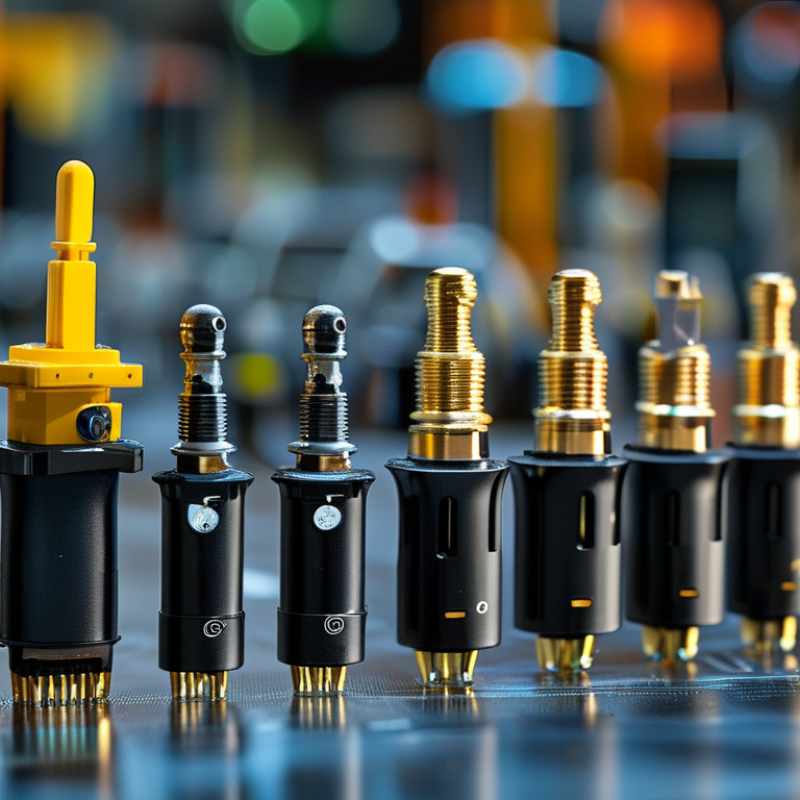
Overview of Electronics Connectors in the Global Market
Electronics connectors play a crucial role in the global market. They link various electronic components within devices, ensuring seamless communication and functionality. The diversity in design and application is vast. From simple plugs to complex connectors, each type serves a specific purpose. For instance, circular connectors are often used in harsh environments. Their robust design withstands extreme temperatures and vibrations.
In recent years, the demand for high-performance connectors has surged. Industries like automotive, aerospace, and telecommunication rely heavily on advanced connectors. As technology evolves, so do connector requirements. Buyers must consider factors like durability, data transfer rates, and environmental conditions. However, sourcing the right connectors can be challenging. Ensuring compatibility and reliability is essential, yet often overlooked.
Market trends indicate a growing focus on miniaturization and energy efficiency. Smaller connectors not only save space but also optimize power consumption. This shift presents new challenges for manufacturers and buyers alike. Striking the right balance between size and performance is crucial. As the market landscape shifts, ongoing research and development are vital for staying competitive. Understanding these trends can guide informed purchasing decisions.
Key Attributes of High-Quality Electronics Connectors
When selecting high-quality electronics connectors, several key attributes are pivotal. Durability is crucial. Connectors should withstand various environmental conditions such as temperature shifts, humidity, and mechanical stress. A reliable connector maintains performance over time, ensuring devices work efficiently.
Another essential quality is compatibility. The connector must fit a wide range of applications and standards. This ensures seamless integration into electronic systems. Review specifications carefully to avoid mismatched parts. Many connectors appear similar but differ in performance characteristics.
Consider the materials used in the connector’s construction. High-quality materials enhance conductivity and reduce signal loss. Also, pay attention to the design. Ergonomic shapes and user-friendly features can simplify installation and maintenance. Reflections on design often show the importance of usability in connectors.
In evaluating connectors, a few tips can improve decision-making. Always read user reviews; they provide insights into real-world experiences. Testing connectors before mass procurement can prevent future issues. Also, consider sourcing from reputable suppliers known for quality. Keeping a close eye on these details can significantly impact the performance and longevity of electronic devices.
Top Electronics Connectors: Key Attributes and Quality Ratings
Popular Types of Electronics Connectors for Various Applications
Electronics connectors play a crucial role in various applications across industries. These connectors facilitate the transfer of power and data, ensuring seamless communication between devices. According to a report by Research and Markets, the global connectors market is projected to reach $90 billion by 2026. This growth underscores the demand for efficient connectivity solutions.
Among the popular types, USB connectors are widely used in consumer electronics. They allow devices to connect for charging or data transfer. HDMI connectors are essential in audio-visual equipment, providing high-definition video and audio signals. Another type, RF connectors, is particularly important in telecommunications. They enable effective transmission of radio frequency signals, supporting wireless communication.
Despite their importance, choosing the right connector can be challenging. Factors such as compatibility, durability, and environmental resistance must be considered. For instance, industrial applications often require connectors that can withstand harsh conditions. However, many buyers overlook these specifications, leading to potential failures. Understanding these nuances is vital for engineers and designers alike. Clear awareness can prevent costly mistakes and ensure optimal performance.
Trends Influencing the Electronics Connector Industry
The electronics connector industry is experiencing notable shifts. As technology evolves, connectors must adapt to meet new requirements. Miniaturization is a key trend. Devices are getting smaller, pushing for compact connectors that offer reliability without sacrificing performance. This change impacts designs significantly. Manufacturers are challenged to produce solutions that combine size and functionality.
Sustainability is another influencing factor. Consumers and companies are increasingly conscious of their ecological footprint. This shift is driving demand for eco-friendly materials and production processes in connectors. However, creating sustainable options can prove complex. Finding materials that are both environmentally friendly and effective is an ongoing struggle for many engineers.
Moreover, the rise of IoT devices is changing connection needs. Increased connectivity requires connectors that can handle higher data speeds. The industry must be responsive and innovative, developing connectors that cater to these demands. This can lead to gaps in the market, as some sectors may lag in addressing these needs. Today's trends present both challenges and opportunities for the electronics connector industry, compelling stakeholders to rethink their approaches.
Considerations for Selecting Electronics Connectors for Projects
When selecting electronics connectors for projects, several factors come into play. Understanding the specifics of your application is crucial. Think about the environment where the connectors will be used. For instance, will they be exposed to moisture, dust, or extreme temperatures? These conditions can greatly affect the performance and longevity of the connectors.
Next, consider the mechanical requirements. The physical space available for the connector is key. Will it fit neatly within the design? Also, think about the number of connections needed. More pins typically mean more complexity. However, too many connections can lead to overcrowding and potential connectivity issues.
It’s also vital to assess the electrical specifications. Factors like current rating and voltage are critical. Incorrect choices can lead to malfunctions or failures. Testing with prototypes can help identify potential issues in real-world scenarios. Be prepared for adjustments and refinements in your design. This iterative process often leads to better results. As you select your connectors, reflect on these considerations to enhance the overall quality of your projects.
FAQS
: They link various electronic components, ensuring effective communication and functionality within devices.
Industries like automotive and telecommunications require advanced connectors to meet evolving technology needs.
Key factors include durability, data transfer rates, and environmental conditions to ensure compatibility and reliability.
There’s a growing focus on miniaturization and energy efficiency to save space and optimize power consumption.
USB connectors for consumer devices, HDMI for audio-visual equipment, and RF connectors for telecommunications are widely used.
Ensuring compatibility, durability, and environmental resistance often gets overlooked, leading to potential failures.
It can prevent costly mistakes and ensure optimal performance in various applications, especially in harsh environments.
The right balance between size and performance is crucial as market needs shift towards more compact solutions.
It helps companies stay competitive and adapt to changing trends and technologies in electronics connectivity.
Many overlook specific requirements needed for industrial applications, risking connector failure and subpar performance.
Conclusion
The article "Top Electronics Connectors for Global Buyers to Consider" provides a comprehensive overview of the vital role of electronics connectors in the global market. It highlights the key attributes that characterize high-quality connectors, including durability, reliability, and compatibility with various applications. Additionally, the article discusses popular types of electronics connectors, such as USB, HDMI, and RJ45, each serving distinct purposes in electronic devices.
Current trends influencing the electronics connector industry, such as miniaturization and increased demand for automation, are also explored. The article emphasizes the importance of considering factors like environmental conditions, project specifications, and future scalability when selecting electronics connectors. This guide serves as a valuable resource for global buyers looking to make informed decisions in the dynamic world of electronics connectivity.
 Wenda Electronics
