
Wenda Electronics Wenda Electronics

Top 10 Electrical Connectors You Need to Know About?

Time:2026-06-04 Author:Amelia
0%

Electrical connectors play a vital role in various industries. They link electrical circuits and ensure efficient power transmission. According to John Smith, an expert in electrical engineering, “The right electrical connectors can significantly impact performance and reliability.” Understanding the types of connectors available is essential for both professionals and enthusiasts.

Consider the various environments where electrical connectors are used. From automotive applications to consumer electronics, these components must endure different challenges. They vary in size, shape, and capacity, serving unique purposes. However, not all connectors perform equally well under stress or adverse conditions. This variability is something to reflect on in design choices.

Choosing the correct electrical connectors can be daunting. Factors such as material, voltage rating, and intended use must be assessed. A mismatch could lead to failures or inefficiencies. Industry insights reveal that comprehensive knowledge on this topic can prevent costly mistakes and enhance system performance. Exploring the top 10 electrical connectors will equip you with essential information for more informed decisions.
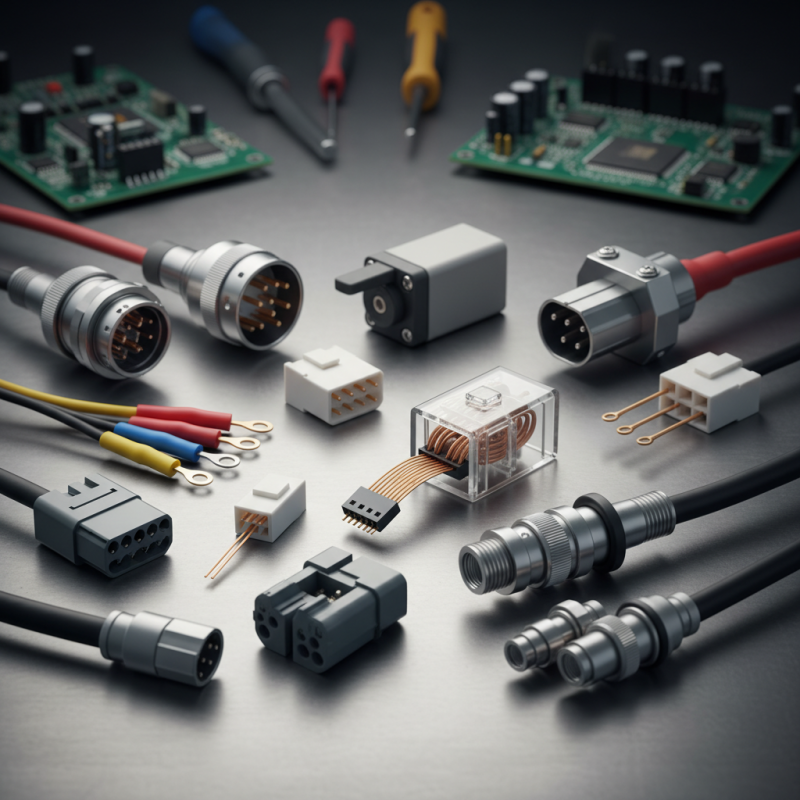
Top 10 Electrical Connectors You Need to Know About?

Types of Electrical Connectors: An Overview

Electrical connectors play a vital role in ensuring safe and efficient electrical connections. They come in various types, each serving specific purposes in different applications. Understanding these types is essential for anyone involved in electronics or electrical work.

The most common electrical connector types include terminal blocks, screw terminals, and wire-to-board connectors. Terminal blocks provide a reliable way to connect wires without soldering. Screw terminals are practical for securing connections, especially in high-vibration environments. Wire-to-board connectors are widely used in circuit boards, ensuring a stable interface between the components.

However, selecting the right connector can be challenging. Considerations include voltage ratings, current capacity, and environmental factors. Some connectors may not be suitable for high-temperature conditions or moisture-prone areas. It’s essential to evaluate these factors during the selection process. There’s no one-size-fits-all solution. Testing different options can lead to better performance in the long run.

Key Features to Consider When Choosing Electrical Connectors

When selecting electrical connectors, key features play a critical role in ensuring reliable performance. One must consider the material composition. Connectors made from high-quality metals, like copper or gold, ensure optimal conductivity. According to a recent IEEE report, connectors made from these materials can improve efficiency by as much as 30%.


Another aspect to examine is the connector's rated voltage and current capacity. A mismatched rating can lead to overheating or failure. The International Electrotechnical Commission emphasizes that connectors should be rated appropriately for their intended application. This guidance helps in preventing issues that could arise from overloading.


Moreover, environmental factors must not be overlooked. Connectors designed for outdoor use should have adequate weatherproofing and resistance to corrosion. A study from a leading electrical engineering journal indicates that connectors exposed to harsh conditions are more likely to fail within the first year. Selecting the right connector, therefore, is not just about meeting basic specifications; it's about ensuring long-term reliability in diverse environments.

Application Areas for Various Electrical Connectors

Electrical connectors play a vital role across various applications. These components ensure reliable connections in different sectors, from automotive to telecommunications and industrial machinery. A report by Allied Market Research states that the global market for electrical connectors is projected to reach over $100 billion by 2027, driven by increasing electronic device usage.

In the automotive sector, connectors link critical components such as batteries and sensors. They must endure harsh conditions, including temperature extremes and vibrations. In telecommunications, skilled engineers utilize connectors in data transmission applications. The demand for faster and more reliable communication systems amplifies the need for high-performance connectors.

Tip: Always consider environmental factors when selecting connectors. Proper sealing and insulation can prevent failure in challenging conditions.

The industrial sector also heavily relies on electrical connectors. They ensure smooth operations in automation systems, machinery, and robotics. As industries advance towards Industry 4.0, the role of connectors becomes even more crucial. A report by MarketsandMarkets estimates the industrial connectors market will grow at a CAGR of over 5% from 2022 to 2027, reflecting the ongoing need for innovation.

Tip: Regularly assess connector health in your applications. Visual inspections can identify wear and potential failures before they escalate.

Installation Tips for Ensuring Reliable Electrical Connections

Reliable electrical connections are vital for any project. Proper installation techniques can greatly enhance the longevity and effectiveness of electrical connectors. Begin by ensuring that all surfaces are clean and free from oxidation. Use a wire brush or a cleaner designed for electrical use. This step is often overlooked, yet it significantly affects the quality of the connection.

When connecting wires, it’s essential to choose the right stripping length. Too much exposed wire can lead to shorts, while too little can result in a weak connection. Aim for a balance that allows adequate contact without excess exposure. After making connections, consider using heat shrink tubing or electrical tape for additional insulation. These materials provide protection against moisture and mechanical stress, helping to maintain a reliable connection over time.

Testing your connections is a crucial step. Use a multimeter to check continuity and ensure that current flows as expected. Many overlook this phase, leading to malfunctioning systems. It’s also wise to periodically inspect connections, especially in high-vibration environments. This proactive approach can catch potential issues early, ensuring efficiency and safety.

Common Mistakes to Avoid with Electrical Connectors

When working with electrical connectors, avoiding common mistakes is crucial for ensuring safety and reliability. One frequent error is improper installation. Connectors must fit snugly. Loose connections can cause arcing and overheating. Take time to check each connection. A proper fit is essential for good conductivity.

Another mistake is using the wrong type of connector. Each connector serves a specific purpose. Using the wrong one can lead to equipment failure or even fire hazards. Understand the specifications of your project; this knowledge is vital.

Many users overlook the importance of environmental factors. Exposure to moisture or corrosive materials can damage connectors. Regular inspections help catch these issues early. Don't wait for failure to remind you of their importance. Connecting electrical components may seem straightforward, but these details can make a significant difference in outcomes.

Top 10 Electrical Connectors You Need to Know About

This bar chart represents the common types of electrical connectors and their application frequency in various industries, illustrating the importance of each type.

FAQS

: What materials should electrical connectors be made from?

: High-quality metals like copper or gold ensure optimal conductivity and efficiency.

Why is the rated voltage and current capacity important?

Mismatched ratings can lead to overheating or failure in electrical connectors.

How do environmental factors affect connector selection?

Connectors for outdoor use need weatherproofing and corrosion resistance to ensure reliability.

In which sectors are electrical connectors commonly used?

Connectors are vital in automotive, telecommunications, and industrial applications for reliable connections.

What should be done before making electrical connections?

Ensure all surfaces are clean and free from oxidation to improve connection quality.

How should wires be stripped when making connections?

The stripping length should balance adequate contact and avoid excess exposure to prevent shorts.

What should be used after making connections for added protection?

Heat shrink tubing or electrical tape can provide insulation against moisture and stress.

Why is testing connections important?

Testing with a multimeter helps ensure the current flows correctly and prevents malfunctioning systems.

How often should connections be inspected?

Regular inspections are crucial, especially in high-vibration environments to catch potential issues early.

Conclusion

Electrical connectors are crucial components in the world of electronics, enabling the transmission of power and signals between devices. This article outlines various types of electrical connectors, exploring their key features such as compatibility, durability, and ease of installation. It emphasizes the importance of selecting the right connector for specific application areas, which can range from household devices to industrial machinery.

Additionally, the article provides practical installation tips to ensure reliable connections, highlighting common mistakes to avoid during the process. Understanding these aspects can significantly enhance the performance and longevity of electrical systems, making knowledge of electrical connectors essential for both hobbyists and professionals in the field.

Amelia

Amelia

Amelia is a seasoned marketing professional with a wealth of expertise in our company’s core offerings. With an unwavering passion for driving growth and innovation, she plays a pivotal role in shaping our marketing strategies and enhancing brand visibility. A key aspect of her responsibilities......