
Wenda Electronics
In the world of automotive engineering, understanding "Auto Electrical Connectors" is crucial. These components play a vital role in ensuring reliable connections between various electrical systems in vehicles. John Carter, a renowned expert in automotive electrical systems, once said, “Quality connections are the backbone of automotive reliability.” His words resonate deeply in today’s evolving automotive landscape.
Auto Electrical Connectors come in various types, each designed for specific applications. They serve functions ranging from power delivery to data transfer. A faulty connector can lead to significant issues, making it essential for automotive professionals to grasp their importance. Selecting the right connector can be challenging, as features and specifications vary widely.
Reflecting on the evolving technology, one must note that not all connectors are created equal. The rapid changes in vehicle design and electronic needs demand a deeper understanding of these components. With a mix of traditional and modern connectors available, discerning quality is vital. Industry experts encourage continuous learning about innovations in this field to ensure optimal performance.
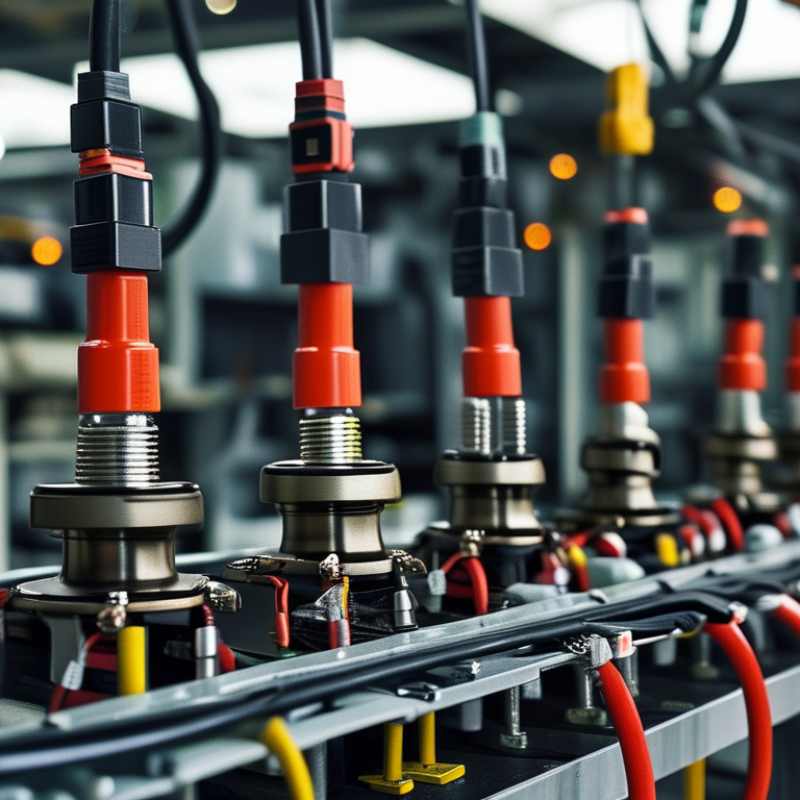
When it comes to auto electrical systems, understanding connectors is essential. These components ensure proper functioning of electrical circuits. A variety of connectors are used in today's vehicles. Some have specific applications, while others are more versatile.
The most common types include pin-and-socket connectors, which offer reliable connections for power and data transmission. Blade connectors are widely used due to their ease of installation. They fit snugly into slots. Sealed connectors are crucial for protecting sensitive components from moisture and dirt. However, installation errors can lead to issues, highlighting the need for careful handling.
Despite their importance, many overlook the quality of these connectors. Poor connections can cause malfunctions. Regular maintenance and inspection can prevent unexpected failures. It's always wise to choose quality connectors that withstand various environments. Familiarizing yourself with these types can enhance your vehicle's performance and reliability. Understanding their characteristics makes a difference in any automotive project.
Auto electrical connectors play a crucial role in vehicle performance. They ensure that various electrical systems work seamlessly together. Reliability is key when it comes to these connectors. If they fail, it can lead to significant issues, affecting everything from engine management to safety features.
Tips for choosing reliable connectors include checking their material quality. High-quality connectors resist corrosion and wear. Also, consider the connector's design. Proper fit reduces the risk of loose connections, which can lead to failures. It’s essential to verify the connector specifications. This can save time and costly repairs down the line.
Keep in mind that even the best connectors can fail if improperly installed. Misalignment or excessive force can compromise their integrity. Regular inspections can help catch wear before it becomes a major issue. Ensuring that connections are clean and free from debris is another step that shouldn’t be overlooked. Maintaining reliability demands attention to detail and understanding what each component needs.
Auto electrical connectors play a crucial role in the functionality of modern vehicles. These components are integral in linking various electrical systems, ranging from power distribution to data communication. According to a report by MarketsandMarkets, the global automotive connectors market is projected to reach $24.2 billion by 2025, driven by the increasing complexity of automotive electronics.
Common applications of auto electrical connectors include their use in infotainment systems, powertrains, and advanced driver-assistance systems (ADAS). In infotainment, connectors ensure seamless integration of technology features. These systems rely on connectors to deliver audio-visual experiences and connectivity. Approximately 30% of vehicle electronics are found in ADAS, highlighting the critical nature of reliable connectors in safety-related functions.
However, not all connectors are created equal. Poor quality connectors may lead to failures or increased resistance, affecting overall performance. Recent studies have cited that nearly 20% of electrical faults in vehicles can be traced back to connector issues. These statistics underscore the need for industry professionals to prioritize high-quality connections to minimize vehicle downtime and improve reliability.
When it comes to auto electrical connectors, industry standards play a pivotal role in ensuring safety and performance. Certifications like ISO 9001 and SAE (Society of Automotive Engineers) standards are crucial benchmarks. These standards help manufacturers develop reliable connectors that withstand harsh environments. According to a recent industry report, over 75% of automotive failures are related to electrical issues, emphasizing the need for high-quality connectors.
Connectors must meet specific criteria for durability, temperature resistance, and moisture protection. For instance, the IP (Ingress Protection) rating indicates how well a connector can resist dust and water. Connectors with an IP67 rating can withstand immersion for short periods. This makes them suitable for various applications in vehicles. Yet, not all connectors meet these standards, leading to potential safety hazards.
Industry experts estimate that non-compliance with standards can result in up to a 30% increase in warranty claims. This statistic highlights the direct correlation between connector quality and vehicle reliability. Proper training and knowledge sharing among technicians can improve awareness of these standards. Ultimately, a deeper understanding of auto electrical connectors and their certifications can foster a culture of safety and reliability in the automotive sector.
| Connector Type | Wire Gauge Range | Temperature Rating | Sealant Type | Unmated Contact Resistance |
|---|---|---|---|---|
| Metri-Pack | 16-20 AWG | -40°C to 125°C | Gel-filled | 10 mΩ max |
| Weather Pack | 12-20 AWG | -40°C to 125°C | Silicone | 15 mΩ max |
| Mini-Fit Jr. | 12-16 AWG | -40°C to 105°C | Heat-shrinkable | 8 mΩ max |
| AMP Sealed | 16-22 AWG | -40°C to 125°C | Molded | 20 mΩ max |
| Deutsch DT | 16-12 AWG | -55°C to 125°C | Silicone | 5 mΩ max |
| JST XH | 20-28 AWG | -25°C to 85°C | None | 15 mΩ max |
| Molex Modular | 22-30 AWG | -40°C to 105°C | None | 20 mΩ max |
| BNC Connector | 50Ω | -55°C to 85°C | None | 7 mΩ max |
| RCA Connector | 18-22 AWG | -30°C to 85°C | None | 10 mΩ max |
The future of auto electrical connector technology is evolving rapidly. One significant trend is the shift toward lightweight materials. Manufacturers are exploring options like thermoplastics and aluminum. These materials reduce overall vehicle weight, enhancing fuel efficiency. Lightweight connectors can also improve performance in electric vehicles, where every gram counts.
Another exciting trend is the integration of smart features. Connectors equipped with sensors can monitor their own performance. These innovations allow for real-time diagnostics and maintenance alerts. However, challenges remain in ensuring reliability and durability in diverse conditions. It is crucial for designers to balance innovation with time-tested durability.
Additionally, the trend of miniaturization is prominent. As vehicles become more compact, space for connectors shrinks. Engineers must design smaller connectors without compromising performance. This presents a unique challenge, pushing the boundaries of traditional design. Collaboration among experts in materials science, engineering, and design is vital. It’s an area where constant learning and adaptation are necessary.
: They link various electrical systems, ensuring functionality like power distribution and data communication.
They provide seamless technology integration, delivering audio-visual experiences and enabling connectivity features.
About 30% of vehicle electronics are part of ADAS, highlighting the importance of reliable connectors.
They can lead to failures or increased resistance, negatively affecting vehicle performance and reliability.
Nearly 20% of electrical faults can be traced back to connector problems, emphasizing their importance.
Manufacturers are looking at thermoplastics and aluminum to create lightweight connectors that boost fuel efficiency.
Connectors may include sensors for self-monitoring, allowing for real-time diagnostics and maintenance notifications.
Designers must create smaller connectors due to space constraints in compact vehicles, without sacrificing performance.
Balancing innovation with reliability and durability is critical, particularly in diverse environmental conditions.
Experts from various fields must work together to push design boundaries and ensure ongoing adaptation and learning.
Auto Electrical Connectors play a crucial role in the functionality and reliability of modern vehicles. This article presents an overview of the top ten types of auto electrical connectors, emphasizing their importance in ensuring safe and efficient electrical connections. Reliability is paramount, as these connectors must withstand various environmental conditions and mechanical stresses to prevent failures that could compromise vehicle safety.
Furthermore, the article explores the common applications of auto electrical connectors in today's vehicles, from powering essential systems to integrating advanced technologies. It also discusses the industry standards and certifications that govern the design and manufacture of these connectors to ensure quality and performance. Lastly, the article looks ahead to future trends in auto electrical connector technology, highlighting innovations that promise to enhance performance, reduce weight, and improve ease of installation in the rapidly evolving automotive landscape.
