Wenda Electronics Wenda Electronics

China Top 10 Wire Connector Manufacturers You Can Trust?

Time:2026-09-19 Author:Aria
0%

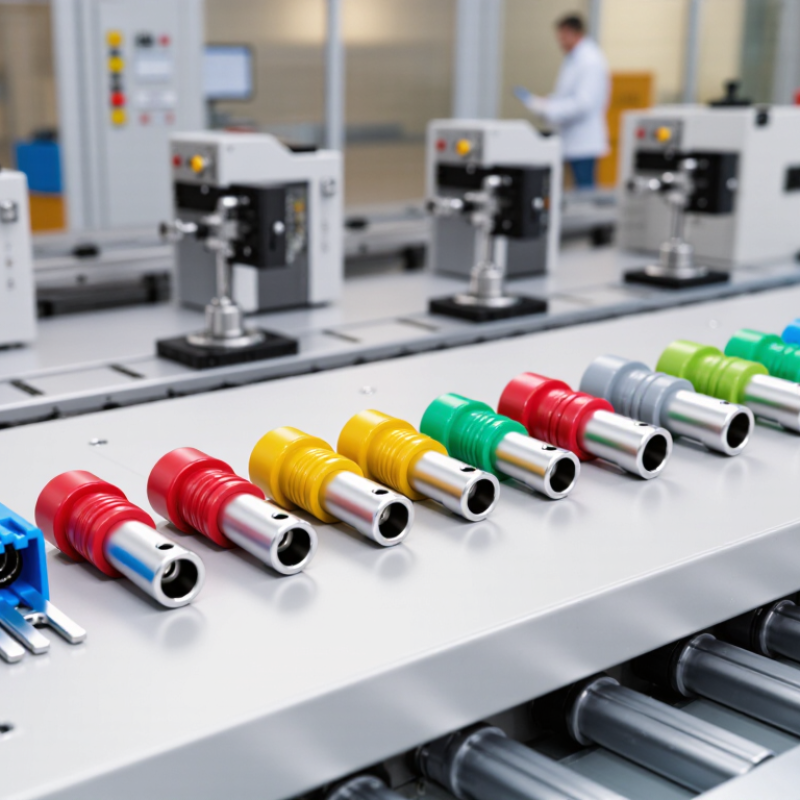
Choosing reliable Wire Connecters manufacturers in China requires more than comparing prices or polished product photos. Buyers must examine production experience, material quality, testing procedures, and communication standards. A dependable supplier should explain conductor compatibility, temperature ratings, insulation performance, and application limits clearly.

This guide introduces ten China-based wire connector manufacturers worth closer attention. Their product ranges may include terminal blocks, crimp connectors, waterproof connectors, automotive terminals, and custom wiring components. We consider manufacturing capability, quality systems, export experience, technical support, and available certifications, such as UL, CE, or RoHS, where applicable. Certification alone is not enough. Documents should match the actual product and production site.

Real purchasing experience often reveals details that brochures hide. Does the supplier provide stable samples? Are contact surfaces clean and consistent? Can the factory control crimp height across large batches? Even small defects can cause loose connections, heat buildup, or costly field returns. These questions matter.

No ranking can replace your own verification. A well-known manufacturer may still miss a delivery target or misunderstand a custom specification. That is an uncomfortable reality. Request samples, inspect packaging, review inspection reports, and confirm lead times before placing a large order. We also recognize that public information can be incomplete or outdated. Therefore, this selection should support your research, not replace technical audits or direct supplier discussions.

China Top 10 Wire Connector Manufacturers You Can Trust?

Wire Connector Market Scope: China’s Role in Global Supply Chains and CAGR Data

China Top 10 Wire Connector Manufacturers You Can Trust?

China’s wire connector sector supports automotive, appliance, industrial, and renewable energy supply chains. Its strength comes from dense supplier networks and scalable molding capacity. Copper terminals, insulating housings, and testing equipment can often be sourced within one production region. This shortens development cycles and reduces transport delays.

The global wire connector market is expanding with vehicle electrification, factory automation, and wider solar deployment. Depending on product coverage and research methods, published forecasts commonly estimate a compound annual growth rate of about 5% to 7% through the next several years. These figures should be checked carefully. Different reports may include cable accessories, terminals, or complete harness systems.

China remains important because manufacturers can support both high-volume orders and customized connector designs. Experienced buyers usually inspect crimp strength, contact resistance, temperature performance, and salt-spray results. Factory audits also matter. A polished sample proves little without stable batch control. Supply chains can still face metal price changes, port congestion, and uneven quality between suppliers. That picture is not perfect. Technical drawings, traceability records, and independent testing help reduce uncertainty. They also reveal problems before thousands of connectors enter assembly lines. Dialogue with engineers is often more useful than choosing by price alone.

Selection Criteria: UL 486A-486B, IEC 60512, ISO 9001, and IP Ratings

When screening a top-ten wire connector manufacturer, certification claims need evidence, not polished brochures. Grand View Research valued the global electrical connectors market at approximately USD 84.9 billion in 2023. It also expects steady growth through 2030. This scale attracts capable suppliers and careless documentation. Ask for current certificates, scope statements, factory addresses, and traceable lot records. A certificate without the exact connector family proves little.

UL 486A-486B is a practical gate for wire connectors. It covers conductor range, tightening, temperature, and pullout performance. Check whether testing includes the intended wire material and size. IEC 60512 adds repeatable tests for contact resistance, vibration, insulation, and mechanical endurance. The standard is not a magic shield. Request test reports, sample identities, calibration dates, and failure limits. In field audits, tiny label differences have exposed major specification gaps.

ISO 9001 should demonstrate controlled changes, nonconformance handling, supplier evaluation, and complaint closure. It is a management framework, not automatic product approval. For damp, dusty, or washdown locations, verify IP ratings under IEC 60529. IP54 and IP67 are not interchangeable. Cable entry, gasket compression, and installation torque matter. A 2024 MarketsandMarkets outlook projects roughly 6% annual growth for the connector market, increasing pressure on scalable quality systems. Rankings remain imperfect. Recheck certificates yearly and test production samples, not showroom pieces.

China’s Top 10 Wire Connector Manufacturers by Capacity, Certifications, and Reach

China’s top ten wire connector manufacturers should be judged by capacity, certifications, and market reach.

Capacity

Capacity means more than a large factory. Buyers should check monthly output, automated crimping lines, mold availability, and quality-control staffing. A dependable supplier can support trial orders and stable mass production. It should also explain its real lead times clearly.

Certifications

Certifications provide stronger evidence. Look for ISO 9001 systems, product approvals such as UL or CE where applicable, and compliance with RoHS requirements. For automotive connectors, IATF 16949 experience may matter.

Testing should cover pull force, contact resistance, heat aging, vibration, and insulation performance. Ask for recent reports, not only certificate scans. Certification alone can mislead.

Market reach

Reach shows whether a manufacturer can serve international customers consistently. Review export experience, packaging standards, technical support, spare tooling, and communication speed.

A supplier with regional warehouses may reduce delays. Still, capacity figures can be difficult to verify, and factory size does not guarantee better workmanship.

Tips:

Request samples from several manufacturers. Compare crimp quality, housing fit, traceability labels, and delivery promises. Visit the facility when possible. A video tour helps, but it is not equal to an audit. Keep a scoring sheet for capacity, approvals, defect rates, and response time. The cheapest quote may become expensive after redesigns or rejected batches.

Product Comparison: Current Ratings, Wire Ranges, Materials, and Contact Resistance

Comparing ten leading wire connector manufacturers requires more than reading a current rating. A connector marked 32 A may reach that value only with a specific wire size, ambient temperature, and test method. I compare ratings at the same conditions. Otherwise, the numbers can mislead.

Wire range is equally important. Some terminals accept 0.5–2.5 mm² conductors, while heavier models support 4–16 mm². A loose fit can create heat. A forced fit can damage strands. Copper contacts usually provide strong conductivity, while brass offers useful strength and stable forming. Tin plating helps resist oxidation. Nylon and polycarbonate housings differ in heat resistance and impact performance.

Contact resistance deserves close attention. Quality connectors often specify resistance in milliohms, but the measurement method matters. A low value at factory inspection may rise after vibration, repeated insertion, or surface contamination. I look for crimp consistency, spring pressure, insulation support, and clear test conditions. Small details matter.

The comparison is not flawless. Some datasheets omit resistance after aging, and current ratings may use different wire lengths. That gap deserves caution. Field checks with a calibrated meter and thermal camera can reveal hot spots that a catalog cannot show. A connector should remain cool under its intended load, not merely pass a headline specification.

How to Verify Supplier Quality Through Testing, Traceability, and Audit Metrics

A reliable wire connector manufacturer should prove quality with measurable evidence, not polished claims. During supplier reviews, I look for test records covering contact resistance, crimp pull force, insulation strength, and thermal cycling. Each result should show the test method, equipment number, operator, and date. A sample that passes once proves little.

Traceability must reach beyond the finished box. Ask for the production lot, material batch, mold cavity, and inspection record. A clear code on the connector should lead back to these details within minutes. Incoming copper, plating, and polymer materials also need documented certificates. Records should be searchable, not buried in spreadsheets.

Audit metrics reveal how a factory responds when reality becomes messy. Review defect rates, repeat findings, corrective-action closure time, and overdue actions. Walk the line when possible. Check calibration labels, torque settings, crimp-height gauges, and rejected parts near the workstation. Small details matter.

A clean audit report can still hide weak daily control. I have learned to compare documents with floor conditions. Sometimes the paperwork is perfect, but operators use an outdated inspection sheet. That gap deserves attention. Supplier quality should be judged through repeated testing, honest traceability, and evidence that corrective actions actually work. No score is perfect. The response to failure matters more.

FAQS

Why can a connector’s current rating be misleading?

The rating depends on wire size, ambient temperature, test method, and wire length. A 32 A label is not universal. Compare ratings under matching conditions.

How should I choose the correct wire range?

Check the conductor size against the specified range. A loose wire may heat up. A forced wire can damage strands. Fit matters.

Which housing and contact materials matter most?

Copper contacts usually conduct well. Brass offers strength and stable forming. Tin plating helps resist oxidation. Nylon and polycarbonate differ in heat and impact resistance.

Why is contact resistance important?

Low resistance reduces heat at the connection point. Measurements should include the method and conditions. Resistance may rise after vibration, repeated insertion, or contamination.

What tests should a supplier provide?

Request contact resistance, crimp pull force, insulation strength, and thermal cycling records. Each record should show equipment, operator, date, and test method. One passing sample proves little.

How can production traceability be checked?

A connector code should identify its production lot and material batch. It should also link to the mold cavity and inspection record. The trail should take minutes, not hours.

Which audit details reveal daily quality control?

Review defect rates, repeated findings, corrective-action closure times, and overdue actions. Inspect calibration labels and crimp-height gauges. Look for rejected parts beside the workstation.

Can a clean audit report guarantee reliable quality?

No. Documents may look complete while operators use outdated inspection sheets. Compare records with actual floor conditions. The response to failure matters more than a perfect score.

How can field performance be verified?

Use a calibrated meter and thermal camera under the intended load. Check for hot spots during operation. A connector should remain reasonably cool. Catalog data cannot show everything.

Conclusion

China has become a major hub in the global wire connector supply chain, supported by large-scale production capacity, competitive manufacturing costs, and steady market growth. This guide reviews the China Top 10 Wire Connector Manufacturers You Can Trust by examining production capabilities, international reach, technical expertise, and quality certifications. It also explains how standards such as UL 486A-486B, IEC 60512, ISO 9001, and relevant IP ratings help buyers assess safety, durability, and consistency.

The comparison covers current ratings, compatible wire ranges, conductor and housing materials, and contact resistance, helping users select Wire Connecters for different industrial and commercial applications. In addition, the article presents practical methods for verifying supplier quality, including product testing, batch traceability, factory audits, inspection records, and performance metrics. By combining market insight with objective evaluation criteria, buyers can reduce sourcing risks and build more reliable long-term supply relationships.

Aria

Aria

Aria is a dedicated marketing professional with a deep passion for innovative strategies and a keen understanding of our company's product offerings. With a wealth of experience in the industry, Aria excels at crafting engaging content that highlights the unique features and benefits of our......