
Wenda Electronics
Choosing the right wire connectors is crucial for effective electrical projects. Wire connectors ensure secure and reliable connections in various applications. A well-chosen connector can enhance safety and performance. However, with many options available, it can be challenging to make the best decision.
It's essential to consider factors such as the type of wire, the environment, and the electrical load. For instance, not all connectors are suitable for outdoor use. Some may not handle high temperatures well. You should also think about the ease of installation. A connector that is hard to install can lead to improper usage and potential hazards.
Experience plays a significant role in selecting the right wire connectors. Many users overlook this aspect, leading to mistakes. The goal is to find a connector that not only fits but also serves your specific needs. Take your time, research the options, and consult experts if necessary. A thoughtful choice can prevent future issues and ensure long-lasting reliability.
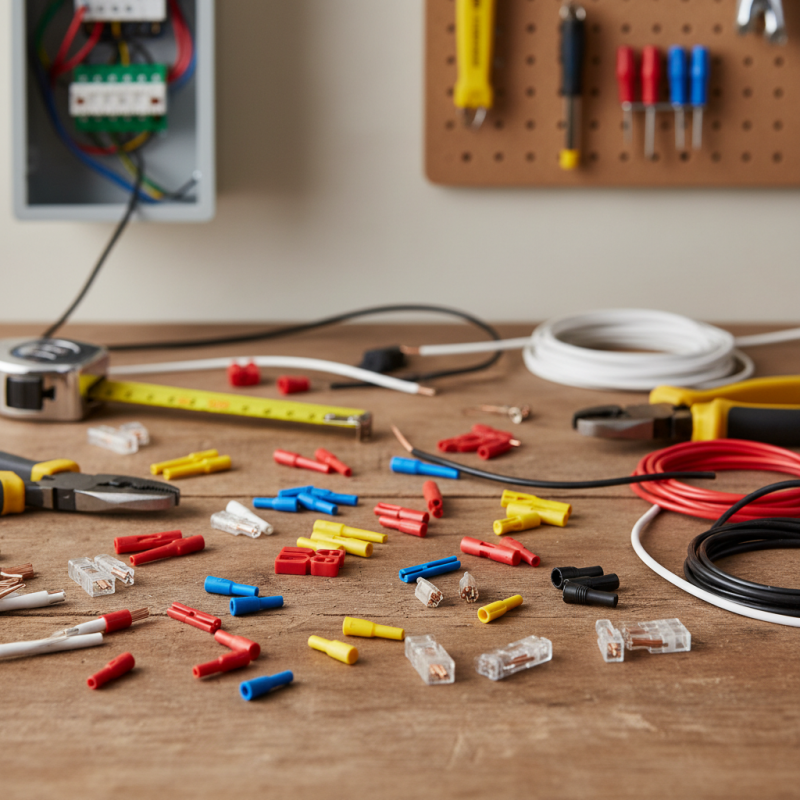
When choosing wire connectors, understanding their various types is crucial. Many professionals overlook this step, leading to poor performance and safety risks. According to industry data, connector failure contributes to over 30% of electrical system malfunctions. This statistic highlights the importance of selecting the right type for your needs.
Wire connectors come in several varieties, including crimp, twist-on, and solder connectors. Crimp connectors are ideal for providing a secure connection while minimizing resistance. Twist-on connectors are popular for quick and easy installations but often risk loosening over time. Solder connectors provide the best conductivity, but their use requires more skill and time. Misjudging the right connector can lead to overheating or circuit failures.
In addition to types, consider the wire gauge and applications. For example, using a connector rated for a higher gauge wire with lower gauge wires may lead to failures. It's essential to refer to guidelines provided by the National Electrical Code (NEC) for the best practices. Conducting thorough research and analysis can improve overall reliability. A mismatch in connectors can lead to significant issues in electrical systems, prompting a need for better education and training across the industry.
Selecting the right wire connectors is crucial for ensuring safe and efficient electrical connections. One key factor to consider is the wire gauge. According to the National Electrical Code (NEC), using connectors that match the wire gauge is essential to prevent overheating. Thicker wires handle more current, so inadequate connectors can lead to failure.
Another vital aspect is the environment in which the connectors will be used. The material of the connector plays a big role. Connectors made from high-quality materials, such as copper or gold plating, resist corrosion better, especially in humid or outdoor conditions. Poor-quality connectors can lead to increased resistance, overheating, and ultimately, failure. A study by the Electrical Safety Foundation International (ESFI) indicates that improper connections account for a significant percentage of electrical fires.
Lastly, consider the connector type. Options include crimp, solder, and twist-on connectors. Each type has its strengths and weaknesses. Crimp connectors are quick and reliable, while soldering creates a permanent bond. However, soldering requires skill and can be time-consuming. Evaluating the specific needs of your project can help identify the best choice, but each method has potential pitfalls that must be weighed carefully.
When evaluating wire connectors, material quality is crucial. The durability of connectors greatly depends on the materials used in their construction. Common materials include copper, aluminum, and plastic. Each has its own strengths and weaknesses. Copper connectors provide excellent conductivity but can corrode over time if not properly coated. Aluminum is lightweight and resistant to corrosion but has lower conductivity.
The insulation material is equally important. PVC and silicone are popular choices. PVC is cost-effective and provides decent insulation. However, it may degrade under high temperatures. Silicone offers superior resistance to temperature and chemicals but usually comes at a higher price. Ensuring that the materials can withstand the conditions they will face helps avoid future issues.
Make sure to consider the specific application of the connectors. For outdoor use, connectors should resist moisture and UV exposure. If used in high-temperature environments, choose materials rated for such conditions. Sometimes, even connectors labeled as durable fail to meet expectations. Always verify the specifications and performance claims with careful research. Balancing cost and quality is often challenging. Trusting your instincts and seeking expert advice can lead to better choices.
Choosing the right wire connectors is crucial for electrical projects. Proper installation ensures safety and reliability. It reduces the risk of short circuits and potential hazards. Here are some best practices to consider when installing wire connectors.
Before installation, always prepare the wires. Strip the insulation carefully, leaving enough exposed wire for a secure connection. Keep the stripped lengths uniform. This will prevent uneven connections. When connecting wires, twist them together tightly before using a connector. Loose connections can lead to failure over time.
Selecting the right connector type is essential. There are various options, such as twist-on and crimp connectors. Each serves a different purpose. Always match the connector size to the wire gauge. Mismatched sizes can create weak points. Regularly check connections during maintenance. Over time, movement can loosen them, so stay vigilant to ensure safety.
| Connector Type | Wire Gauge Compatibility | Best Usage | Installation Tips |
|---|---|---|---|
| Twist-On Wire Connectors | 18 - 10 AWG | Low to moderate voltage applications | Ensure wires are stripped correctly; twist securely. |
| Crimp Connectors | 22 - 10 AWG | Automotive and electronic applications | Use the correct crimping tool; test connection strength. |
| Solder Connectors | 22 - 12 AWG | High-density wires in circuit boards | Ensure proper heating; avoid cold solder joints. |
| Push-in Connectors | 14 - 18 AWG | Quick connect/disconnect applications | Insert wire until secure; avoid excessive bending. |
| Terminal Blocks | 12 - 6 AWG | Industrial and heavy-duty applications | Tighten screws firmly; check for loose connections. |
Choosing the right wire connectors can be a daunting task. Many people overlook crucial factors, leading to costly mistakes. A common error is selecting connectors without considering ampacity ratings. According to a study by the Institute of Electrical and Electronics Engineers (IEEE), mismatched ampacity can cause overheating and potential fire hazards. It's crucial to match connectors with the actual current they will carry.
Another frequent mistake is assuming that all wire connectors are suitable for every environment. Factors like moisture and temperature fluctuations play a significant role. The National Electrical Manufacturers Association (NEMA) suggests using connectors designed for specific environmental conditions. For instance, waterproof connectors are essential in outdoor applications to ensure longevity and reliability.
People often ignore the importance of proper installation techniques. In fact, a recent survey indicated that improper installation contributes to over 30% of connector failures. Stripping wires too short or using untested crimping tools can lead to unreliable connections. Failing to follow basic installation guidelines can negate even the most robust connector's advantages. These common oversights can compromise safety and performance.
This bar chart displays the most common mistakes made when selecting wire connectors, showcasing the frequency of each mistake based on user surveys.
: The main types are crimp, twist-on, and solder connectors. Each type serves different purposes and has its own strengths.
Matching connector size with wire gauge prevents overheating and reduces failure risk. Inadequate connectors can lead to malfunctions.
Environmental conditions like humidity can cause corrosion in poor-quality connectors. This may lead to increased resistance and potential failures.
You should prepare the wires by stripping insulation carefully and ensuring lengths are uniform. This helps create strong connections.
Connections can become loose over time due to movement. Regular checks help maintain safety and reliability in electrical systems.
Poor-quality connectors increase resistance and are more prone to overheating. This can lead to significant safety hazards, including fires.
Soldering provides a permanent bond but requires skill and time. It also has potential pitfalls that should be carefully considered.
Yes, studies show that improper connections contribute significantly to electrical fires. Investing in quality connectors can help mitigate this risk.
Conduct thorough research on connectors, match sizes to wire gauges, and choose high-quality materials. This will enhance overall reliability.
Mismatched connectors create weak points in systems, leading to overheating and potential circuit failures. It is crucial to choose wisely.
Choosing the right wire connectors is crucial for ensuring a reliable and safe electrical connection in any project. Understanding the different types of wire connectors and their specific uses can help in selecting the most appropriate option. Factors such as the environment, wire gauge, and electrical load must be taken into account when making your choice. Additionally, evaluating the material quality of wire connectors is essential for long-term durability and performance.
To ensure proper installation, it's important to follow best practices, such as stripping wires correctly and ensuring secure connections. Common mistakes such as using incorrect connector types or overlooking environmental factors can lead to failures. By paying attention to these guidelines, you can successfully choose the right wire connectors that meet your project’s requirements while avoiding potential pitfalls.
