In the world of electrical connections, the Terminal Block Connector stands out as a crucial component. Renowned expert Dr. Emily Carter, who specializes in electrical engineering, once said, "A reliable terminal block connector is key to system integrity." This statement underlines the importance of these connectors in ensuring safe and efficient electrical connections.
Terminal Block Connectors facilitate the joining of multiple wires in various applications. They allow for easy installation and maintenance, making them indispensable in industrial settings. Each terminal block ensures a secure connection, reducing the risk of electrical faults. However, the quality of these connectors can vary, leading to potential issues if not chosen wisely.
In the quest for efficiency, some may overlook the finer details. It's essential to consider the specifications and compatibility with existing systems. Poor choices can lead to failures, creating a ripple effect. A thoughtful approach to selecting Terminal Block Connectors is vital for optimizing performance and reliability. It's a reminder that even small components can significantly impact overall system functionality.
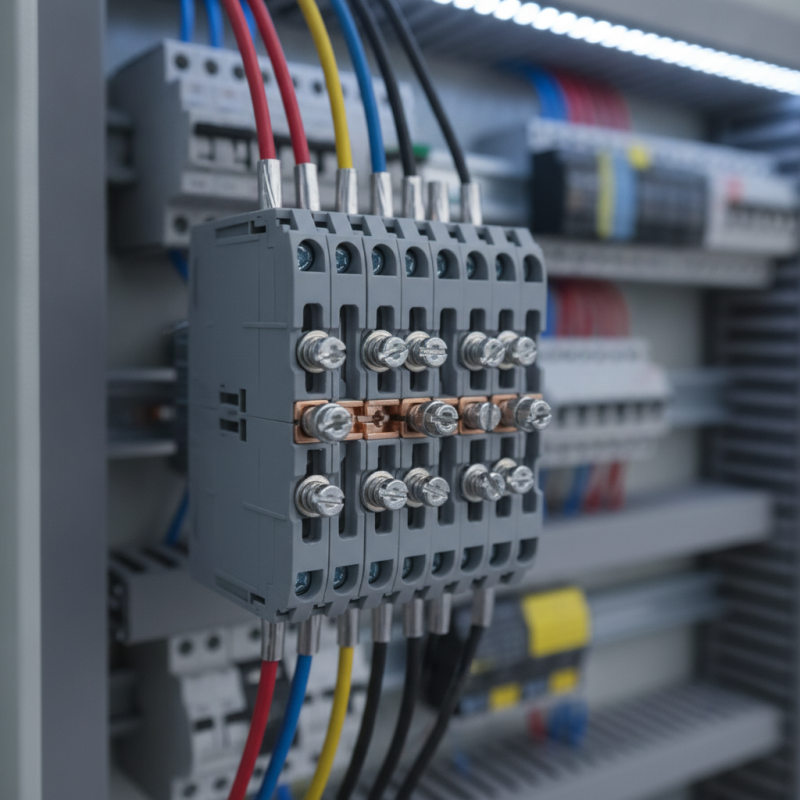
What is a Terminal Block Connector?
A terminal block connector is a crucial component in electrical wiring systems. It provides a secure connection point for multiple wires. Typically found in control panels and junction boxes, these connectors allow for easy assembly and disassembly. Each block has metal conductors, which securely grip the wire ends, ensuring a stable connection. This makes it essential for both permanent and temporary electrical installations.
These connectors are available in different shapes and sizes. They accommodate various wire gauges and types. The connections they support are often color-coded for quick identification. Despite their utility, improper wiring can lead to malfunctions. It’s critical to match the wire sizes with the correct terminal block specifications. Mistakes here can cause short circuits or equipment damage.
In practice, organizations frequently overlook the importance of ensuring tight connections. Loose connections may lead to increased resistance and generate heat. Over time, this can compromise safety. Regular inspection of terminal blocks helps in identifying wear and tear. This proactive approach can save time and resources in the long run.
What is a Terminal Block Connector and How Does it Work?
| Dimension |
Description |
| Type |
Screw Terminal Block |
| Material |
Plastic housing with copper terminals |
| Current Rating |
15A to 100A |
| Voltage Rating |
300V to 600V |
| Wire Size |
24 AWG to 10 AWG |
| Mounting Style |
DIN Rail Mounting |
| Features |
Modular design, easily serviceable |
| Applications |
Industrial automation, control panels, electrical distribution |
Types of Terminal Block Connectors
Terminal block connectors play a crucial role in electrical wiring. They come in various types, each designed for specific applications. Understanding these types can optimize safety and efficiency in your projects.
One common type is the screw terminal block. It provides a secure connection for wires, ensuring reduced risk of accidental disconnection. Research shows that around 60% of electrical failures stem from loose connections. Spring clamp terminal blocks are another option, known for their easy installation. They offer a reliable hold without needing additional tools, making them ideal for rapid assembly processes.
Tips: Always verify the maximum current rating of your terminal blocks. This prevents overheating, which can lead to failure. Consider using terminal blocks with clear labeling for easier identification during maintenance.
Another type is pluggable terminal blocks. These are versatile, allowing for quick replacements or service without disrupting the entire system. Their design helps streamline complex wiring setups, which is increasingly important as systems grow more intricate. The right choice of terminal block can enhance both the reliability of your connections and the longevity of your equipment.
Tips: Regularly inspect terminal blocks for signs of wear or corrosion. This proactive approach can save time and prevent potential equipment failure.
Components and Design of Terminal Block Connectors
Terminal block connectors are vital components in electrical systems. They offer reliable connections for wires, ensuring safety and efficiency. These connectors feature several key elements. The insulating body, typically made of durable plastic, protects against electrical hazards. It has multiple channels or terminals where wires can be securely attached.
The design of terminal block connectors is often modular. This modularity allows easy expansion and rearrangement. Each terminal usually has a screw or clamp that secures the wire in place.
In practice, users might struggle with wire gauge compatibility. It’s essential to choose the right size to avoid potential overheating. Poor connections can lead to system failure.
Additionally, many connectors feature color-coded terminals to simplify identification. However, this can sometimes create confusion if users mix colors. It’s a common mistake in complex setups. Overall, understanding the components and design of terminal block connectors is crucial for effective electrical work.
How Terminal Block Connectors Function in Electrical Circuits
Terminal block connectors are essential components in electrical circuits. They provide a secure, organized way to connect wires. By using these connectors, technicians can ensure reliable connections while allowing for easy modifications. The design usually features several connection points, making it possible to link multiple circuits efficiently.
One of the key functions of terminal block connectors is to facilitate the flow of electricity. They serve as junction points for wires carrying electric currents. This functionality is vital in preventing short circuits and ensuring that power transfers safely between different system components. An effective design helps minimize resistance, which can impact the device's performance.
Tips: Maintain clear labeling on each terminal. This practice simplifies troubleshooting. Ensure you choose the right gauge wire for your connectors. Using incorrect wire sizes can lead to overheating or failure, which can be dangerous. Regularly inspect your connections for wear or corrosion. These small steps can greatly enhance safety and efficiency.
Applications of Terminal Block Connectors in Industry
Terminal block connectors play a vital role in numerous industrial applications. They are versatile components, primarily designed for safe and secure electrical connections. These connectors facilitate wiring in control panels, machinery, and power distribution systems.
According to a recent industry report, the terminal block connector market is projected to grow at a compound annual growth rate (CAGR) of 5.3% from 2021 through 2026, underscoring their importance in modern manufacturing.
In the automotive industry, terminal blocks ensure reliable communication between various components. For instance, they are used extensively in vehicle wiring harnesses. Failure in these connections can lead to disastrous outcomes, such as malfunctioning safety systems.
Additionally, in the renewable energy sector, terminal block connectors are crucial for solar panel systems, where they interlink multiple panels effectively. This sector is expected to see a surge, with a projected growth rate of 20% through 2025.
However, the reliability of terminal blocks can vary significantly depending on design and manufacturing processes. Misalignment during assembly can lead to poor electrical performance. Furthermore, environmental factors such as temperature fluctuations can affect their longevity.
Regular maintenance and testing are essential, yet often overlooked. Thus, industries must rigorously evaluate these connectors to uphold safety and efficiency.
FAQS
: They connect wires securely, ensuring safety and efficiency in electrical wiring systems.
It securely fastens wires using screws, reducing accidental disconnections and electrical failures.
They are easy to install without tools, ideal for quick assembly in electrical projects.
Always verify the maximum current rating to prevent overheating and failures in your system.
They allow quick replacements without disrupting the entire system, useful for complex setups.
They usually have a durable insulating body, channels for wires, and terminals for secure connections.
Mixing up colors can lead to confusion, especially in complicated wiring setups.
Using the wrong size can cause overheating and system failures, which are dangerous.
Regular inspections for wear or corrosion can prevent potential equipment failures.
Maintain clear labels to make troubleshooting easier and more efficient.
Conclusion
A Terminal Block Connector is a crucial component used in electrical systems to connect multiple wires securely. These connectors come in various types, each designed to accommodate specific applications and voltages. Typically, they consist of a base, clamping mechanism, and terminal pins, which together facilitate a stable electrical connection while allowing for easy modifications or upgrades.
In terms of functionality, Terminal Block Connectors play a significant role in organizing and simplifying wiring in electrical circuits. They provide a reliable means for secure connections, which is essential for maintaining circuit integrity. As a key element in various industries, such as telecommunications and automation, Terminal Block Connectors are vital for efficient and safe electrical installations. Their versatility and ease of use make them indispensable in modern electrical design and engineering.
 Wenda Electronics
