
Wenda Electronics
Choosing the right Circuit Board Connectors is crucial for any electronic design. According to Dr. Jane Lee, a leading expert in electronic components, "The longevity and reliability of your circuit depend significantly on the connectors you choose." This statement emphasizes the importance of selecting the right connectors to avoid potential failures.
In today's fast-paced technology landscape, engineers face countless options when it comes to Circuit Board Connectors. Each connector type comes with unique specifications and suitable applications. It can be overwhelming. Factors, like size, durability, and ease of installation, demand attention.
Many designs fail because of misjudged connector selections. A poorly chosen connector can lead to signal loss and component damage. Reflecting on choices made in past projects can help refine future decisions. Understanding the implications of these choices makes a significant difference in project outcomes. Thus, careful consideration is necessary when navigating the world of Circuit Board Connectors.
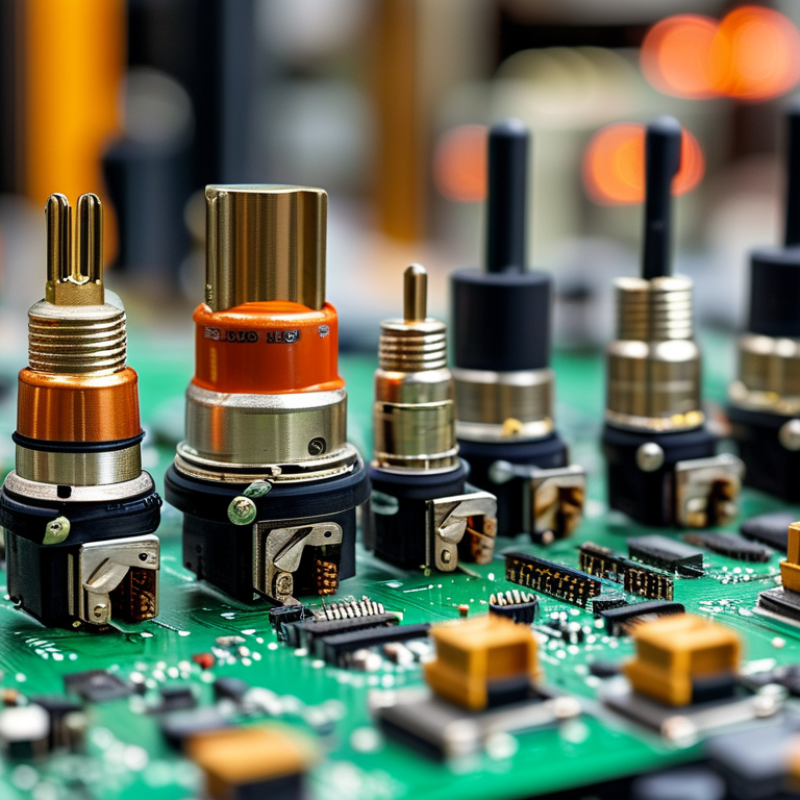
When selecting circuit board connectors, understanding their types and applications is crucial. Connectors come in various forms including pin headers, sockets, and board-to-board connectors. Each type serves a distinct purpose. For example, pin headers are common in prototyping due to their ease of use. On the other hand, board-to-board connectors facilitate communication between two different circuit boards.
Tips: Consider the space you have. Some connectors consume more room than others. If saving space is a priority, opt for smaller connectors, like micro connectors. They are less intrusive but ensure functionality.
Applications vary widely. In consumer electronics, compact connectors support sleek designs. In industrial settings, rugged connectors withstand harsh conditions. Be mindful of the environment in which the connectors will be used. Overlooking this could lead to premature failures.
Tips: Assess connection types needed for your project. Do you need a secure connection or just a temporary one? Rethinking these aspects influences connector selection greatly. Reflect on your prior experiences; not all connections work perfectly as intended.
When selecting circuit board connectors, mechanical durability and reliability are paramount. Statistics show that roughly 20% of electronic failures are due to connector issues. This highlights the necessity for rigorous evaluation of materials used in connectors. For instance, connectors made from high-grade polymers or metals often show better performance under stress.
Mechanical testing can reveal much about a connector’s reliability. A study indicated that connectors subjected to thermal cycling and mechanical strain exhibited a failure rate of nearly 15% after 500 cycles. Conducting such tests helps manufacturers understand long-term reliability. Connectors must perform in varying environments. Those tested in high humidity showed reduced life expectancy compared to dry conditions.
Another crucial factor is insertion and extraction forces. A well-designed connector offers a smooth experience. Too much resistance can lead to damage over time. Connectors that are too loose might lead to intermittent connections, affecting system performance. The balance between secure attachment and ease of use is delicate but vital. Proper testing can help strike this balance, ensuring longevity and functionality in various applications.
When selecting circuit board connectors, assessing electrical conductivity and signal integrity is crucial. A reliable connection minimizes signal loss and degradation. Conductivity relies on the materials used; copper and gold are common choices. Each material boasts distinct advantages and disadvantages. For example, while gold offers excellent corrosion resistance, its cost could be prohibitive for some applications.
Consider these tips: always check the connector's voltage and current ratings. Match these with your circuit’s requirements. Inadequate ratings might lead to failures. Pay attention to temperature ratings as well. High temperatures can compromise connectors, leading to conductivity issues.
Signal integrity is equally important. Poor connector design can introduce noise or reflections. Seek connectors that adhere to recognized standards for signal quality. Testing under real-world conditions can uncover potential problems. Even slight misalignments could affect performance. Accepting imperfections in designs can lead to better decisions in future projects. Aim for a balance between cost and quality for optimal results.
When selecting circuit board connectors, environmental resilience is crucial. Temperature and humidity significantly affect their performance. Research shows that connectors must endure extreme temperature ranges, from -40°C to +125°C. Many connectors fail outside these limits, leading to circuit board malfunctions.
Humidity is another critical factor. Connectors exposed to high humidity experience corrosion. A study by the IPC reveals that connectors in humid environments are 60% more likely to fail after five years. Moisture can seep into connections, leading to short circuits. It’s vital to choose connectors with moisture-resistant features for long-lasting durability.
Testing connectors under different conditions can reveal weaknesses. Many manufacturers overlook these aspects. Reliability cannot be assumed; it must be verified. Regular testing can uncover hidden vulnerabilities, ensuring optimal performance in challenging environments. Proper evaluation guarantees that the chosen connectors can withstand real-life applications and avoid costly issues.
Choosing the right circuit board connectors is crucial for ensuring the reliability and efficiency of your electronics. When it comes to specifications, size plays a significant role. Connectors come in various sizes. A smaller connector might save space but can be harder to handle during assembly. It's essential to strike a balance between compactness and usability.
Pin count is another critical specification. Increasing the number of pins can enhance functionality but may complicate your design. Consider what your project requires. Are you maximizing data transfer or simply powering a device? This choice can have significant implications for performance.
Mounting options are often overlooked but are equally vital. Surface mount connectors save space and can allow for automated assembly. However, through-hole connectors offer better stability. Choose based on your production process and how the final product will be used. Balance ease of assembly with long-term durability. Each decision shapes the final success of your circuit board project.
: Common types include pin headers, sockets, and board-to-board connectors. Each serves distinct functions.
Consider the space available. Smaller connectors save room but may impact handling during assembly.
Connectors must endure temperature extremes. High humidity can cause corrosion, impacting their performance.
Ideal connectors should operate from -40°C to +125°C. Exceeding this can lead to failures.
High humidity increases the likelihood of connector failure. Moisture can cause corrosion and short circuits.
Determine if you need a temporary or permanent connection. This choice affects connector selection.
More pins enhance functionality but can complicate designs. Consider your project needs carefully.
Yes, different mounting options impact stability and assembly ease. Balance functionality with assembly requirements.
Absolutely. Testing reveals weaknesses. Regular evaluations ensure connectors perform reliably in real-life situations.
Reliability shouldn't be assumed. It must be verified through proper testing and evaluation processes.
When selecting the best Circuit Board Connectors, it is essential to understand the various types and their applications. By evaluating factors such as mechanical durability and reliability, one can ensure that the connectors can withstand physical stresses over time. Additionally, assessing electrical conductivity and signal integrity standards is crucial to maintain optimal performance in electronic circuits.
Environmental resilience also plays a significant role, as connectors must be able to operate effectively under varying temperature and humidity conditions. Finally, choosing the right specifications, including size, pin count, and mounting options, will further enhance the suitability of the Circuit Board Connectors for specific applications, ensuring longevity and functionality in diverse environments.
