
Wenda Electronics
Choosing among China’s top FFC connector manufacturers requires more than comparing catalog prices. A reliable decision begins with application details: cable pitch, contact count, current rating, voltage, insertion cycles, operating temperature, and available board space. These factors affect performance inside laptops, automotive displays, medical devices, industrial controls, and compact consumer electronics.
FFC connector specialist David Chen offers a practical reminder: “A connector is reliable only when its cable, contacts, housing, and process work together.” This principle deserves attention. A low-cost Ffc Connector may look suitable during sampling, yet fail after repeated bending, vibration, or thermal cycling. Check the terminal plating, housing material, locking structure, and cable retention force. Ask whether the supplier performs dimensional inspection, contact resistance testing, and life-cycle tests. Request actual inspection records, not only attractive photographs.
Manufacturer experience also matters. Review tooling capability, production consistency, material traceability, and engineering support. A qualified factory should explain tolerances clearly and provide samples matching mass-production conditions. Certifications can support trust, but they do not replace technical verification. That part is often overlooked.
Compare lead times carefully. Confirm mold ownership, minimum order quantities, packaging methods, and replacement procedures before approval. A factory may promise fast delivery, but capacity changes during peak seasons. My own preference is cautious: test two suppliers when the project is critical. It costs more initially. It may prevent expensive redesigns later. The best Ffc Connector manufacturer is not simply the cheapest option. It is the partner that proves stable quality, communicates limitations honestly, and supports your product after launch.
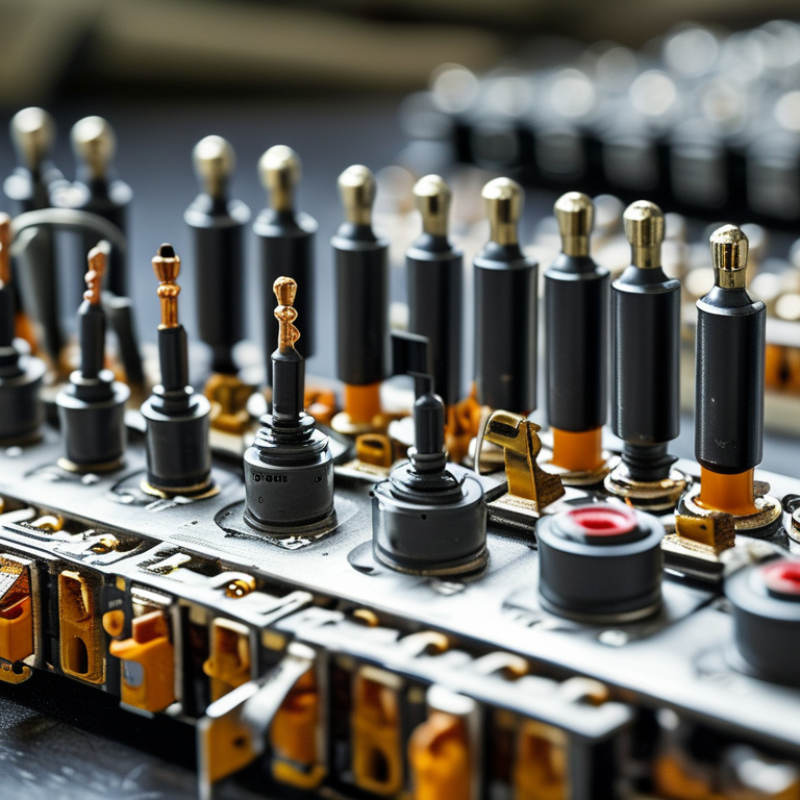
An FFC connector joins a flexible flat cable to a circuit board. It uses exposed, parallel contacts instead of round wires. The cable bends through narrow spaces, making it useful in compact electronic products.
You can find FFC connectors in laptops, printers, cameras, medical monitors, and vehicle displays. Inside a laptop, one cable may link the keyboard to the main board. In a printer, it can carry signals to a moving ink carriage. Contact pitch, cable thickness, contact direction, and locking style must match exactly. A small mismatch can cause intermittent signals or physical damage.
When choosing a Chinese manufacturer, request samples before approving mass production. Check insertion cycles, contact resistance, temperature performance, and retention force. Ask for inspection records, material details, and traceable batch numbers. Experienced suppliers should explain tooling limits and tolerance risks clearly. They should also support controlled samples and corrective actions when defects appear. A perfect specification sheet proves little without testing. This is often overlooked. Compare the connector under vibration, repeated bending, and dust exposure when the application demands it. No supplier is perfect, and low pricing may hide weak plating or unstable tooling. Clear communication, documented quality procedures, and realistic delivery data provide stronger evidence than advertising claims.
A reliable Chinese FFC connector manufacturer begins with consistent engineering, not attractive catalog photos. Ask how the team controls pitch, contact plating, locking force, and cable retention. These details affect signal stability inside compact devices. Experienced factories should provide clear drawings, tolerance data, and sample records before mass production. They should also explain material choices, including insulating film, copper alloy, and plating thickness. Vague answers are warning signs.
Factory experience matters in practical ways. A capable supplier can show controlled assembly areas, inspection equipment, and traceability from incoming materials to finished lots. Request evidence of crimp-force checks, insertion-cycle testing, temperature testing, and visual inspection standards. Independent or in-house laboratory records can reveal more than a polished presentation. Check whether test methods match your operating environment. A connector for a vehicle display needs different validation from one used in a small consumer device.
Communication is another measure of reliability. Engineers should review your drawings, flag tight tolerances, and suggest realistic changes without hiding production risks. Ask for a pilot run and compare samples from different batches. Some manufacturers respond quickly but document poorly. That weakness may become expensive later. I have found that the best evaluation includes an uncomfortable question: what happens when a lot fails inspection? A dependable manufacturer should describe quarantine, root-cause analysis, corrective action, and replacement procedures clearly. Perfection is unlikely. Honest records and repeatable improvement matter more.
When evaluating China’s top FFC connector manufacturers, compare production evidence rather than polished catalogs. Ask for factory photos, process flow charts, and recent audit records. A reliable supplier should explain stamping, plating, molding, and final inspection clearly. Check whether tooling, assembly, and testing are handled in-house. This affects lead time and consistency. Capacity needs proof. Request monthly output, equipment lists, and a sample production schedule. A large number alone proves little.
Product specifications deserve the same scrutiny. Confirm pitch, contact positions, mating direction, conductor thickness, plating material, and rated current. Ask for dimensional drawings with tolerances, not only nominal values. A 0.5 mm pitch connector can fail when housing width varies slightly. Review insertion force, retention force, temperature range, and flex-life test methods. Test conditions matter. Compare samples with identical specifications. Otherwise, quality differences may hide inside different test setups. Check compatibility with cable thickness and insulation type. An experienced engineer should explain these limits without vague promises.
For custom designs, examine engineering change control and first-article approval. Ask how defects are traced by lot number, operator, and machine. Verify inspection equipment calibration dates. It is a small detail. Request samples from normal production, not specially selected pieces. I would also compare response times during technical disputes. Fast replies help, but accurate drawings matter more. Some suppliers may report impressive capabilities yet overlook a tolerance conflict. That deserves challenge before tooling begins. A short pilot order can reveal packaging damage, contact alignment, and actual delivery discipline.
Choosing a top FFC connector manufacturer requires evidence, not attractive samples. The ISO Survey 2023 recorded 1,265,216 valid ISO 9001 certificates worldwide. Certification alone proves little. Ask for the certificate scope, issuing body, expiry date, and covered factory address. Then inspect incoming inspection records, automated optical inspection images, crimp-force checks, and batch traceability. Each reel should link to material certificates, operator records, and final test results. Small details matter.
Production capacity must be verified on the factory floor. Request monthly output, current utilization, equipment lists, maintenance logs, and the last three months of on-time delivery data. Compare claimed capacity with actual line speed, shift patterns, and available tooling. For electrical and mechanical reliability, require test plans aligned with IEC 60512, including contact resistance, insertion cycles, vibration, and temperature testing. A supplier should explain acceptance limits clearly. Avoid vague promises.
A polished audit can still mislead. I would sample production records without advance notice. Ask operators to demonstrate a real inspection step. Check whether rejected parts are physically segregated. Capacity figures are often optimistic, especially during peak demand. That deserves skepticism. A strong supplier welcomes controlled verification and provides corrective-action reports when failures occur. Some documents may look perfect, yet process discipline can remain uneven. Review evidence across several batches before approving the source.
This chart shows the number of objective evidence items buyers should verify in each area. Quality control includes incoming, in-process, final, traceability, reliability, and corrective-action records. Certification checks include ISO 9001, IATF 16949 where automotive requirements apply, UL documentation where applicable, and RoHS/REACH compliance evidence. Production-capacity checks include monthly output, available lines, lead time, and contingency capacity. These are verification checkpoints, not company rankings.
Selecting the best FFC connector manufacturer starts with your application, not the lowest quotation. A 2024 Mordor Intelligence report estimates the FFC and FPC connector market will grow at about 6% annually through 2029. That growth increases supplier choices, but it also increases quality differences.
Ask each manufacturer for drawings, material specifications, and test records. The connector should match cable pitch, contact direction, current rating, mating cycles, and operating temperature. Request samples from the same production line, not laboratory prototypes. Check whether terminals remain stable after repeated insertion, vibration, and humidity exposure.
Look closely at process control. IATF 16949 certification can indicate stronger automotive quality systems, while ISO 9001 supports documented manufacturing control. However, certification alone is not enough. IPC-2221 and IPC-6013 references can help assess flexible circuit compatibility. A reliable supplier should explain plating thickness, contact retention force, dimensional tolerances, and change-control procedures.
Test it physically.
For volume projects, compare tooling ownership, lead times, traceability, and capacity evidence. The 2023 Reshoring Institute supply-chain survey found that delivery reliability remains a major sourcing concern for manufacturers. A supplier promising seven-day delivery may still fail during material shortages. Ask for realistic capacity data and approved backup materials.
A low price can hide rework costs. I have seen teams overvalue samples and undervalue long-term consistency. That is an imperfect decision worth challenging. Pilot production, incoming inspection, and periodic audits provide stronger evidence than polished sales documents.
| Evaluation Dimension | Relevant Industry Reference | Recommended Requirement | Verification Method | Project Importance |
|---|---|---|---|---|
| FFC/FPC Pitch | Common pitches include 0.30 mm, 0.50 mm, 1.00 mm and 1.25 mm. | Select a manufacturer with tooling and inspection capability for the exact pitch required by the PCB and cable. | Review dimensional drawings, sample inspection reports and pitch measurement records. | Critical |
| Number of Contacts | FFC connectors are available in multiple contact counts, commonly from fewer than 10 contacts to more than 60 contacts. | Confirm the required contact count, unused terminal positions and cable alignment tolerance. | Compare the connector drawing with the cable layout and perform first-article dimensional checks. | Critical |
| Cable Contact Orientation | Bottom-contact, top-contact and dual-contact configurations are commonly used. | The supplier must support the required contact direction and clearly identify the insertion side. | Validate the mating drawing, keying features and physical samples. | Critical |
| Termination Style | Common options include ZIF and non-ZIF structures; ZIF designs reduce insertion force during assembly. | Choose the locking structure according to assembly frequency, available space and service requirements. | Check insertion force, extraction force, lock retention and repeated mating performance. | Critical |
| Operating Temperature | Commercial connector designs often use ranges such as approximately −25°C to +85°C; industrial designs may require wider ranges. | Specify the minimum and maximum temperature, including storage and reflow exposure where applicable. | Request material specifications and temperature-cycle test results for the selected part. | Critical |
| Rated Current | Typical FFC connector ratings are often around 0.2 A to 1.0 A per contact, depending on pitch, terminal design and temperature rise. | Use the supplier’s derating curve rather than relying only on the nominal catalog value. | Review current-rise data and verify performance under the actual number of energized contacts. | Critical |
| Rated Voltage | Many low-voltage FFC connector designs are rated around 30 V to 50 V DC, but the exact value depends on spacing and insulation design. | Confirm the voltage rating, creepage, clearance and applicable safety requirements for the end product. | Review electrical specifications and request dielectric withstand and insulation resistance data. | Critical |
| Contact Resistance | Low contact resistance is essential for stable signal and power transmission; the specified limit varies by design and test condition. | Set a maximum initial resistance and an allowable change after environmental and durability testing. | Request test conditions based on IEC 60512 or an equivalent recognized connector test method. | Critical |
| Insulation Material | High-temperature thermoplastics such as LCP or PA are commonly used in compact connector housings. | Match the housing material to temperature, flame-retardancy, moisture and reflow requirements. | Request material grade, safety documentation and moisture-sensitivity information where relevant. | High |
| Terminal Plating | Tin, nickel and gold plating systems are commonly selected according to cost, corrosion resistance and mating durability. | Specify base material, nickel underplate, contact plating and plating thickness or performance requirement. | Review plating specifications, cross-section reports and corrosion or durability test results. | High |
| Flammability Compliance | UL 94 V-0 is a commonly requested flammability classification for electronic connector housings. | Require a documented flammability rating suitable for the target product and market. | Check material certificates and confirm that the certificate applies to the actual housing material. | High |
| Environmental Compliance | RoHS and REACH declarations are commonly required for electronics supplied to international markets. | Obtain current declarations covering plastics, metals, plating and packaging materials. | Request signed compliance documents and review their issue date and product scope. | High |
| Quality Management System | ISO 9001 is a widely used quality-management standard; automotive projects may require additional sector-specific systems. | Prioritize a certified quality system with controlled process documentation and corrective-action procedures. | Verify certificate validity, scope, issuing body and manufacturing-site address. | High |
| Inspection and Testing | Important controls include dimensional inspection, continuity, contact resistance, insertion force and retention testing. | Require an incoming, in-process and final inspection plan linked to measurable acceptance criteria. | Review control plans, capability data, inspection equipment calibration and sample test reports. | Critical |
| Tooling and Customization | Custom options may include cable length, contact count, locking features, mounting geometry and keying. | Choose a supplier able to manage tooling design, engineering changes and sample approval. | Evaluate tooling ownership terms, modification costs, drawing control and engineering response time. | High |
| Lead Time and Supply Capacity | Lead time depends on tooling status, material availability, order quantity and production scheduling. | Obtain separate quotations for prototype, pilot and mass-production stages, including capacity commitments. | Request a written schedule, minimum order quantity, safety-stock options and escalation process. | High |
| Traceability | Lot-level traceability can connect finished connectors to raw materials, plating batches, tooling and inspection records. | Require lot identification and retention of quality records for the expected product life. | Audit sample labels, certificates of conformity and recall or corrective-action procedures. | High |
| Total Cost of Ownership | The lowest unit price may not provide the lowest total cost after tooling, inspection, rejects, logistics and redesign risks. | Compare unit price, tooling, samples, testing, packaging, freight, payment terms and warranty support. | Use a weighted quotation sheet and calculate cost at prototype, pilot and annual-volume levels. | High |
An FFC connector joins a flexible flat cable to a circuit board. It uses parallel contacts. The cable bends through narrow spaces. Small alignment errors can interrupt signals or damage contacts.
They appear in laptops, printers, cameras, medical monitors, and vehicle displays. A laptop cable may connect the keyboard to the main board. A printer cable may serve a moving ink carriage.
Check contact pitch, cable thickness, contact direction, and locking style. The connector must fit the cable precisely. A tiny mismatch can cause intermittent operation. Measure twice.
Request samples before approving mass production. Review drawings, tolerance data, material details, and inspection records. Ask how the factory controls plating, locking force, and cable retention. Vague answers deserve caution.
Request contact-resistance, insertion-cycle, temperature, vibration, and retention-force results. Test repeated bending when the cable moves often. Add dust exposure for harsh environments. A perfect specification sheet proves little without testing.
Ask for monthly output, equipment lists, shift patterns, and current utilization. Review recent delivery records. Compare claimed capacity with actual line speed and available tooling. Capacity figures can be optimistic.
Each production batch should connect to material certificates, operator records, and final test results. Ask for batch numbers and inspection dates. Rejected parts should remain physically separated. Records may still contain gaps.
A dependable supplier should quarantine the lot and investigate the root cause. They should document corrective actions and replacement procedures. Ask for examples from previous failures. No process is perfect.
Choosing a reliable China Ffc Connector manufacturer requires more than comparing prices. FFC connectors are compact components used to link flexible flat cables in devices such as consumer electronics, industrial controls, automotive systems, medical equipment, and communication products. A dependable supplier should offer suitable connector types, pitches, contact configurations, locking structures, and materials according to the project’s electrical, mechanical, and environmental requirements.
When evaluating manufacturers, review their engineering capabilities, tooling resources, customization experience, and ability to maintain stable product specifications. Quality management systems, inspection procedures, traceability, and relevant certifications can help confirm consistent production standards. It is also important to verify production capacity, lead times, sample support, packaging, and communication efficiency. By comparing technical documentation, testing results, manufacturing processes, and total supply reliability, buyers can select a manufacturer that provides dependable Ffc Connector solutions, supports long-term production, and meets the project’s performance, quality, and delivery expectations.
