In today's fast-paced electrical industry, the demand for reliable solutions is ever-increasing. Flexible Wire stands out as a compelling choice for various applications. John Smith, an industry expert with over 20 years of experience, emphasizes, "Flexible Wire adapts to your needs while ensuring safety and efficiency."
This adaptability makes Flexible Wire essential in diverse installations. It boasts excellent conductivity while maintaining durability. Its ability to bend and twist means it easily fits in tight spaces. Contractors often appreciate its flexibility when navigating complex layouts.
However, it’s important to remember that not all Flexible Wire is created equal. Factors such as insulation type and wire gauge can greatly impact performance. Users should assess their specific needs carefully. This choice may involve trade-offs between flexibility, cost, and safety. Therefore, understanding the nuances of Flexible Wire can lead to better decision-making.
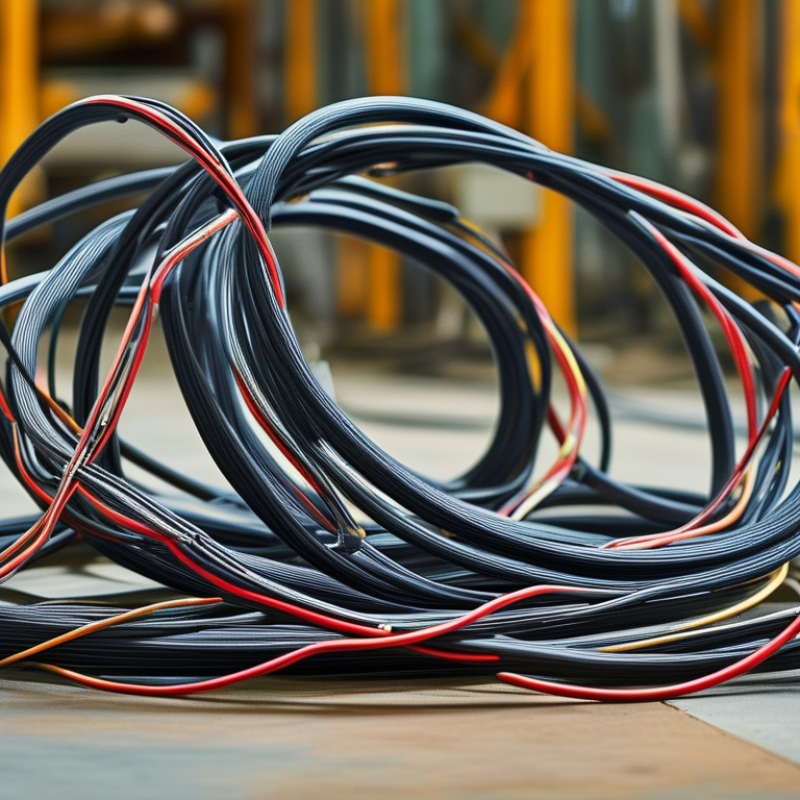
Advantages of Flexible Wire in Electrical Applications
Flexible wire plays a vital role in modern electrical systems. Its adaptability makes it suitable for various applications. This benefit is crucial, especially in tight spaces where rigidity can be a hindrance. Electricians appreciate the ease of installation that comes with flexible wire. It bends smoothly, wrapping around corners and fitting into compact areas.
Another significant advantage of flexible wire lies in its durability. Unlike rigid wire, it withstands vibrations and movements better. This resilience is essential in environments like industrial settings, where machinery generates constant motion. Additionally, flexible wire is less prone to breaking, reducing maintenance costs. In situations where safety is paramount, the reliability of flexible wire can’t be overstated.
However, using flexible wire isn't without its challenges. The insulation on flexible wire may degrade faster than that on rigid alternatives. Regular inspections are necessary to ensure safety. While it offers many benefits, careful consideration of appropriate contexts is essential. Balancing its advantages against potential drawbacks will lead to safer and more efficient electrical systems.
Comparison of Flexible Wire vs. Rigid Wire
When considering electrical wiring, flexible wire and rigid wire present distinct advantages and challenges.
Flexible wire is known for its adaptability. It can bend easily, making it suitable for complex applications. It is often preferred in installations where movement occurs, such as machinery or automotive systems.
Industry reports indicate that up to 70% of electrical installations within dynamic environments utilize flexible wires to prevent damage and maintain reliability.
Rigid wire, on the other hand, offers structural stability. It is favored for fixed installations, such as in buildings.
Reports show that rigid wire can handle higher current loads effectively. It is also less prone to overheating. However, rigidity can limit installation options. In tight spaces or intricate designs, rigid wire may fail to fit properly. Moreover, some users find it challenging to work with, leading to an increased risk of installation errors.
The choice between flexible and rigid wire should consider the specific application. Flexible wire excels in versatility but may require more careful handling. Rigid wire provides reliability in stable environments but can restrict design flexibility. Understanding these dynamics is critical for making informed electrical decisions.
Common Applications for Flexible Wire
When it comes to flexible wire, its versatility makes it a top choice for many electrical applications. Many industries utilize flexible wire for machinery and automated equipment. This type of wiring allows for easy movement and bending without breaking. For instance, robotics often rely on flexible wires to permit dynamic movements while maintaining stable connections.
Home appliances also benefit from flexible wire. It enables better performance in devices that require frequent repositioning, like vacuum cleaners. The flexibility helps maintain safety and durability. Flexible wire is also popular in installations like LED strip lighting, where bending around corners is essential.
There are challenges to consider. The flexibility can sometimes compromise insulation or resistance to wear and tear. Over time, these wires may fray or become less effective. Regular inspection is crucial to ensure they remain safe and efficient. Users should be aware of how frequent movement can impact performance. Overall, choosing flexible wire involves assessing both its benefits and its potential drawbacks in your specific application.
Why Choose Flexible Wire for Your Electrical Needs? - Common Applications for Flexible Wire
| Application |
Description |
Benefits |
Common Wire Types |
| Automotive |
Used for wiring harnesses, lights, and sensors in vehicles. |
Flexibility, durability, and heat resistance. |
Stranded copper wire, silicone insulated wire. |
| Electronics |
Used in circuit boards, connectors, and internal wiring for devices. |
Ease of installation and resistance to bending fatigue. |
Tin-plated copper wire, PVC insulated wire. |
| Home Appliances |
Used for internal wiring in appliances like refrigerators and microwaves. |
Safety, flexibility in installation, and lower risk of damage. |
Flexible rubber wire, silicone insulated wire. |
| Marine |
Used in boats for lighting, navigation systems, and power connections. |
Corrosion resistance and ability to handle vibrations. |
Tinned copper wire, high-temperature insulation wire. |
| Industrial Machinery |
Used in equipment such as motors and conveyors. |
Durability and ability to withstand harsh environments. |
Multi-stranded wire, high-flex wire. |
Factors to Consider When Choosing Flexible Wire
When considering flexible wire for electrical projects, specific factors play a crucial role. The first is the wire’s material. Copper and aluminum are the most popular choices. Copper is known for its high conductivity, making it ideal for sensitive applications. Conversely, aluminum is lighter and often cheaper but has a lower conductivity. According to a report from the International Electrotechnical Commission, materials can affect performance variably by 15% or more depending on the application.
Another important factor is the wire gauge. The American Wire Gauge (AWG) system indicates the wire's diameter, which impacts its current-carrying capacity. Thicker wires allow for more current, reducing heat build-up. The National Electrical Code states that using an inadequate wire gauge can lead to overheating, potentially causing system failures or hazards. A careful selection process based on the load requirements is necessary.
Flexibility is also vital, especially for applications requiring bending or twisting. Some wires are designed specifically for high flexibility. These are often preferred in environments with frequent movement. According to industry standards, flexibility can enhance durability, especially in tight spaces. However, flexible wires may not always provide the same level of insulation as standard options, requiring additional considerations for safety and efficiency.
Tips for Proper Installation and Maintenance of Flexible Wire
When installing flexible wire, the first step is ensuring a secure connection. Use proper tools to strip the wire carefully, exposing just enough copper. Over-stripping can lead to shorts. Make sure to follow local electrical codes for safety. This reduces risks and promotes reliability.
Proper installation also requires selecting the right gauge for your project. Too thick and it becomes cumbersome; too thin, and it can overheat. Always calculate the load your wire will carry. Checking voltage drop is crucial. Even a small error can lead to significant issues down the line.
Maintenance is equally important. Regularly inspect connections for wear and corrosion. A simple visual check can prevent major hazards. If the wire is exposed to harsh environments, consider protective sheathing. Regular checks will enhance the lifespan of your installation. Avoid overlooking small details; they can have big consequences.
Electrical Wire Flexibility Comparison
This bar chart illustrates the flexibility ratings of various types of electrical wires. The flexibility rating is measured on a scale from 1 to 10, with higher values indicating greater flexibility. As seen, silicone rubber wire offers the highest flexibility, making it ideal for applications requiring superior bending and movement capability.
FAQS
: Flexible wire is adaptable and bends easily, while rigid wire offers structural stability for fixed installations.
It is commonly used in dynamic environments, like machinery where movement occurs, to prevent damage.
Rigid wire handles higher current loads and is less prone to overheating, making it reliable for stable installations.
Rigid wire can limit options in tight spaces, which may lead to installation difficulties and errors.
Copper and aluminum are popular. Copper has high conductivity, while aluminum is lighter and more cost-effective.
The gauge impacts current capacity. Thicker wires reduce heat but using an inadequate gauge can cause hazards.
Flexibility allows for bending and twisting, enhancing durability in areas with frequent movement.
Not always. Flexible wires may require additional safety considerations for insulation and efficiency.
An inadequate gauge can lead to overheating and potential system failures, posing safety risks.
They may be more susceptible to damage if not handled properly, leading to reliability issues.
Conclusion
Flexible wire offers numerous advantages in electrical applications, making it a preferred choice over rigid wire in many scenarios. Its versatility allows for easy maneuverability in tight spaces and complex installations, while its durability ensures reliable performance under varied conditions. When comparing flexible wire to rigid wire, it is clear that flexible wire provides enhanced adaptability and resilience, making it suitable for a wide range of settings from residential to commercial usage.
When selecting flexible wire, it is essential to consider factors such as gauge size, current capacity, and environmental conditions. Proper installation and maintenance practices are also crucial for maximizing the lifespan and performance of flexible wire. From powering intricate electronic devices to serving in industrial machinery, the applications of flexible wire are extensive, highlighting its significance in modern electrical systems.
 Wenda Electronics
