Choosing the right Electrical Pin connector is rarely a simple price comparison. A connector may look compact and polished, yet fail under vibration, heat, moisture, or repeated mating cycles. This guide introduces seven strong options for global buyers, focusing on current capacity, contact resistance, pin geometry, plating, insulation, and installation method.
The selection reflects practical engineering experience, not catalog claims alone. Dr. Michael Pecht, a recognized electronics reliability expert, has said, “Reliability must be designed in, not tested in.” That principle matters when a pin connector sits inside a control cabinet, battery pack, vehicle harness, or industrial machine. A reliable Electrical Pin should maintain stable contact after handling, crimping, and thermal cycling. Gold plating can support low resistance, while tin plating may suit more cost-sensitive applications. Neither choice is automatically best.
Real conditions change the answer.
Global buyers should compare rated voltage, current, temperature range, ingress protection, material traceability, and available test reports. Compatibility with regional manufacturing processes also matters. Some connectors perform well in laboratories but disappoint on dusty production floors. I have seen specifications that looked impressive but lacked clear mating-cycle data. That is a warning sign. Buyers should also verify terminal size, wire gauge, locking strength, and supplier consistency before approving samples.
This article reviews seven Electrical Pin connector types for different operating demands. It also highlights trade-offs, because the “best” connector depends on the application. Cost, durability, availability, and certification requirements rarely align perfectly. A careful choice may feel slower at the beginning, but it can prevent loose contacts, overheating, and expensive field repairs later.
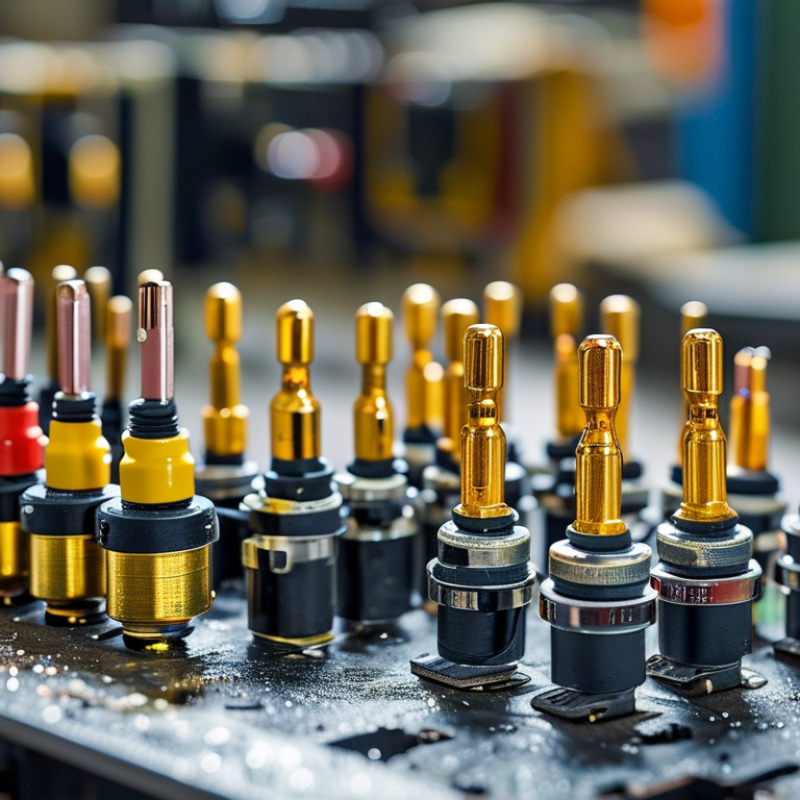
Electrical Pin Connector Basics and Global Buyer Requirements
Electrical pin connectors link wires, circuit boards, and equipment through metal contacts arranged in a defined pattern. Common options include pin headers, wire-to-board connectors, board-to-board connectors, terminal blocks, circular connectors, waterproof connectors, and high-current connectors. Each type serves a different installation need.
A global buyer should check pin count, pitch, rated current, voltage, contact resistance, and mating cycles. A 2.54 mm pitch may suit control boards, while larger spacing improves handling in industrial cabinets. Copper alloy contacts with suitable plating can reduce oxidation and signal loss. Housing materials should match heat, vibration, and chemical exposure. Sealed versions need a verified IP rating, not just attractive packaging.
Crimp quality matters. Poorly crimped terminals may pass an early inspection, then heat under load. Request samples, cross-section reports, dimensional drawings, and batch traceability before placing volume orders. Confirm compliance documents for applicable electrical, chemical, and environmental requirements in the destination market. Requirements can differ between regions, even for similar equipment. Check them carefully.
I would also test insertion force, pull strength, temperature cycling, and salt-spray resistance when conditions demand it. A perfect connector rarely exists. Lower cost can mean weaker locking arms or inconsistent plating. That trade-off is easy to miss. Buyers should compare total installed cost, replacement access, packaging quality, and supplier response time, rather than unit price alone.
7 Best Electrical Pin Connector Formats for Global Buyers
Contact pitch is a key selection factor for electrical pin connectors. Smaller pitches support higher connection density, while larger pitches generally provide more spacing for insulation, wiring, and mechanical handling. The values below represent common nominal pitches used in PCB headers, terminal blocks, board-to-board connectors, and industrial pin connector systems. Always verify current rating, voltage rating, wire size, locking method, temperature range, and applicable standards in the product datasheet.
Seven Top Electrical Pin Connector Types and Their Key Applications
Electrical pin connectors look small, yet their contact design controls signal quality, heat, and service life. In field inspections, I check contact pressure before appearance. Pin headers suit compact circuit boards and low-cost internal wiring. Socket connectors protect exposed pins during repeated board connections. Crimp pin connectors provide secure wire terminations in control panels and harnesses. Solder-cup connectors fit repairable assemblies, especially where technicians need visible joints.
Spring-loaded pogo pins handle temporary contact in test fixtures, charging docks, and battery interfaces. They tolerate slight movement, but dirt can reduce their reliability. Wire-to-board pin connectors support sensors, displays, and compact automation modules. Their locking features matter when vibration is present. Circular multi-pin connectors serve industrial equipment, measurement systems, and outdoor control units. Sealing and cable strain relief deserve close inspection.
A buyer should compare rated current, voltage, pitch, plating, mating cycles, and temperature limits. Check the actual wire size, not only the connector drawing. Datasheets can look complete while missing vibration or humidity results. I have seen a connector pass bench testing but loosen after repeated machine movement. That mistake was avoidable. Ask for sample testing, dimensional reports, and traceable quality records before approving volume orders. Availability also matters, because an excellent connector is useless during an unplanned production delay.
Comparing Connector Materials, Ratings, Designs, and Performance
7 Best Electrical Pin Connectors for Global Buyers?
Choosing the best electrical pin connector starts with material, not appearance. Copper-alloy contacts offer strong conductivity and spring retention. Tin plating suits cost-sensitive, low-friction assemblies. Gold plating performs better in low-voltage signal circuits and humid environments. Nickel plating tolerates heat, abrasion, and repeated mating. The choice remains application-specific.
The seven practical designs include crimp pin, solder pin, PCB pin, screw-lock, push-pull, circular sealed, and high-current pin connectors. Crimp pins usually provide consistent production quality when tooling is controlled. Solder pins remain useful for prototypes, but poor wetting can create hidden resistance. Push-pull designs save installation time. Circular sealed connectors are stronger choices near dust or water. Look for IP67 or higher under IEC 60529 when temporary immersion is possible. Do not confuse an IP rating with chemical resistance.
Ratings require careful comparison. Voltage and current depend on contact spacing, conductor size, temperature, and derating. UL 1977 and IEC 61984 provide useful safety and performance references. Grand View Research reported that the global electrical connectors market reached roughly USD 84 billion in 2023, with continued growth expected through 2030. That scale reflects broad demand, not universal connector quality. Field experience matters. I have seen oversized contacts fail because their seals were poorly fitted. Check mating cycles, contact resistance, flammability, vibration data, and operating temperature. Cheap can become expensive. 马会
International Standards, Compatibility, and Supplier Quality Checks
7 Best Electrical Pin Connectors for Global Buyers
International buying requires more than matching pin size and current rating. The seven practical choices include crimp pins, screw-terminal pins, spring-clamp pins, PCB pin headers, circular pins, sealed automotive pins, and high-current pins. Each suits a different environment. A crimp pin needs controlled tooling and correct wire-strip length. A spring-clamp pin helps reduce maintenance in vibrating equipment. A sealed circular pin protects outdoor wiring. Check mating force, contact resistance, temperature range, and cable gauge before ordering.
The market is large. Grand View Research’s Electrical Connectors Market report estimated global revenue above USD 80 billion in 2023, with continued growth projected through 2030. That scale creates quality differences. Verify IEC 61984 and IEC 60512 test evidence, not only a printed compliance logo. For assemblies, IPC/WHMA-A-620 workmanship requirements can clarify crimp height, pull force, and insulation support. Regional approvals still require separate confirmation.
Supplier checks should include batch traceability, material certificates, salt-spray results, and inspection records. Ask for samples from the actual production line. Then inspect plating thickness under magnification. A cheap pin with uneven plating may pass a quick continuity test, yet fail after humidity exposure. ISO 9001 certification is useful, but it does not prove every connector is reliable. Audit the process, review failure data, and compare three production batches. Datasheets can be incomplete. That deserves reflection.
How to Choose the Best Electrical Pin Connector for Your Project
Choosing the best electrical pin connector starts with the environment, not the catalogue photo. Seven practical choices include solid-pin, spring-loaded, crimp, screw-lock, board-to-wire, high-current, and sealed designs. Each addresses a different failure risk. A sealed connector suits washdown areas. A spring pin suits repeated mating. A crimp pin suits vibration when termination quality is controlled. The wrong choice may pass bench testing and fail after months of heat cycling.
Check current, voltage, wire size, mating cycles, temperature, vibration, and available space. Use IEC 60529 IP ratings for dust and water protection. IP67 means temporary immersion under defined test conditions, not permanent submersion. IPC/WHMA-A-620 provides workmanship criteria for cable and wire harness assemblies. Request contact resistance, retention force, salt-spray, and temperature-rise data. Rated current alone is incomplete. Derating matters when pins sit tightly together.
Industry demand also raises performance expectations. The IEA’s Global EV Outlook 2024 reported more than 14 million electric cars sold in 2023. This growth increases demand for compact, high-current interconnects. Compare seven candidates using the same wire, load, and cycling test. Inspect crimp height and pull force, not appearance alone. A connector that feels tight may still have a poor crimp. No universal pin is perfect. Replacement labor can cost more than the connector. Document test results and recheck them after installation.
7 Best Electrical Pin Connectors for Global Buyers? - How to Choose the Best Electrical Pin Connector for Your Project
| No. |
Connector Type |
Typical Pin Count |
Common Pitch / Contact Size |
Typical Current Capacity |
Typical Voltage Rating |
Environmental Protection |
Best Application |
Main Selection Advantage |
| 1 |
Pluggable PCB Pin Header |
2–40 pins |
2.00–5.08 mm pitch |
Typically 2–16 A per contact |
Typically 50–300 V AC/DC |
Usually IP00; protected versions available |
Control boards, signal wiring, removable PCB connections |
Compact layout and easy field disconnection |
| 2 |
Wire-to-Board Crimp Pin Connector |
2–20 pins |
1.00–4.20 mm pitch |
Typically 1–10 A per contact |
Typically 50–250 V AC/DC |
Usually IP20 or lower unless sealed |
Internal equipment wiring, sensors, appliances |
Reliable termination with flexible wire routing |
| 3 |
Circular Pin Connector |
2–37 pins |
Approximately 8–25 mm shell diameter |
Typically 2–20 A per contact |
Typically 100–500 V AC/DC |
IP44–IP68 depending on sealing design |
Industrial machinery, instrumentation, outdoor equipment |
Strong mechanical retention and high sealing potential |
| 4 |
Sealed Automotive Pin Connector |
2–64 pins |
1.50–6.35 mm pitch |
Typically 3–40 A per contact |
Typically 12–48 V DC |
Commonly IP54–IP69K when correctly assembled |
Vehicles, agricultural machinery, mobile equipment |
Resists moisture, vibration, dust, and temperature variation |
| 5 |
High-Current Power Pin Connector |
1–12 pins |
Contact diameter typically 3–10 mm |
Typically 20–150 A per contact |
Typically 50–600 V DC |
IP20–IP67 depending on housing |
Battery systems, power distribution, charging equipment |
Low contact resistance and high continuous-current capability |
| 6 |
Panel-Mount Pin Connector |
2–24 pins |
Approximately 2.54–7.62 mm pitch |
Typically 5–30 A per contact |
Typically 100–600 V AC/DC |
IP44–IP67 with suitable gasket and cover |
Control cabinets, instrumentation panels, service interfaces |
Supports secure chassis mounting and convenient maintenance |
| 7 |
Board-to-Board Pin Connector |
10–200+ contacts |
0.40–2.54 mm pitch |
Typically 0.5–3 A per contact |
Typically 30–250 V AC/DC |
Generally IP00; used inside protected enclosures |
Computers, controllers, modular electronics, compact devices |
High contact density and efficient use of PCB space |
Note: Current, voltage, temperature, mating-cycle, and IP ratings vary by contact material, wire size, housing design, spacing, and applicable safety standard. Always verify the manufacturer’s datasheet and the requirements of the destination market before purchase.
Conclusion
Choosing the right Electrical Pin connector is essential for reliable power and signal transmission in industrial, automotive, automation, renewable energy, and electronic equipment. This guide introduces the basic structure, contact functions, and global buyer requirements of electrical pin connectors, then reviews seven common types and their key applications. It explains how pin materials, housing construction, insulation, current capacity, voltage rating, sealing, locking methods, and contact density affect durability and performance in different environments.
For international purchasing, connector selection should also consider compatibility, dimensional accuracy, operating temperature, vibration resistance, corrosion protection, and ease of installation. Buyers should verify compliance with relevant international standards, inspect technical drawings and test reports, and evaluate supplier quality controls, traceability, production consistency, and sample performance. By comparing connector designs and project requirements carefully, buyers can select a safe, efficient, and long-lasting solution that supports reliable operation and reduces maintenance or replacement costs.
 Wenda Electronics
