 Wenda Electronics
Wenda Electronics
Wenda Electronics
In today’s rapidly evolving market, sourcing the best Electrical Harness solutions can be challenging for global buyers. These components are essential for various industries, including automotive, aerospace, and electronics. An effective Electrical Harness ensures reliable connectivity and enhances the overall performance of devices. However, many buyers often overlook critical factors when choosing suppliers.
Quality and customization are paramount. Not all Electrical Harness products meet industry standards. Buyers must assess the experience and expertise of manufacturers. Reliable suppliers should offer tailored solutions that fit specific operational needs. Yet, buyers frequently encounter issues with communication and support. This can lead to delays and increased costs.
Price is another crucial aspect. While some may prioritize low costs, this can compromise quality. Global buyers must strike a balance between affordability and reliability. Engaging with various vendors can reveal insights, yet it may also create confusion. Understanding the landscape of Electrical Harness solutions requires a blend of research and practical experience. Ultimately, the pursuit of the best Electrical Harness solutions hinges on informed decision-making and a willingness to adapt.
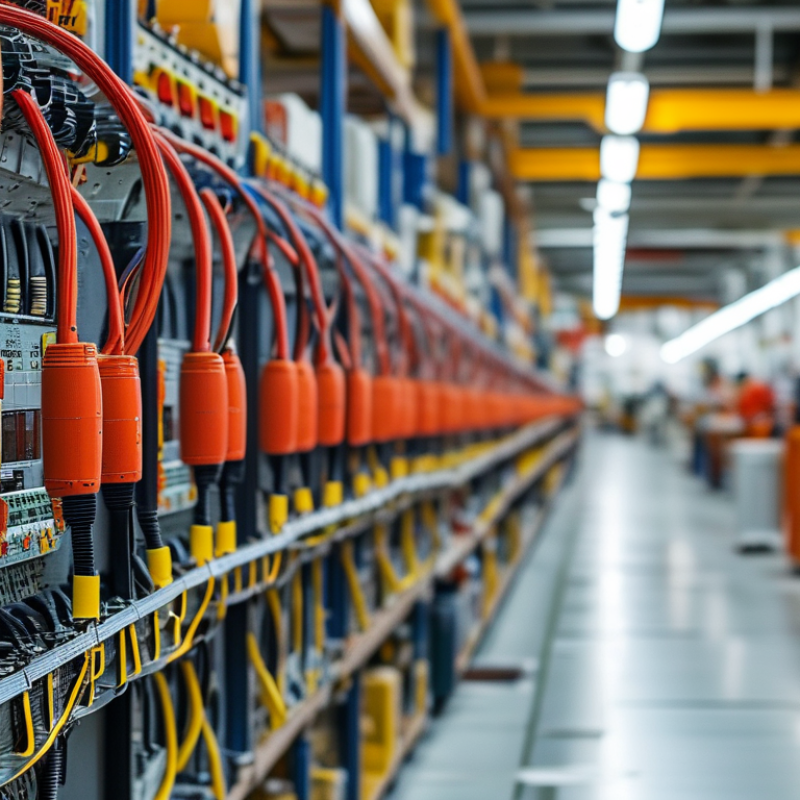
Electrical harnesses serve as the backbone of many industries, providing essential connectivity and functionality. They are widely used in automotive, aerospace, and industrial machinery. According to market research, the global wiring harness market is projected to reach approximately $70 billion by 2027, reflecting the growing demand for efficient electrical solutions. This surge is largely due to advancements in technology and the shift towards electric vehicles.
In the automotive sector, electrical harnesses play a critical role in ensuring reliable communication between various electrical components. With the increase in electronic systems in vehicles, the complexity of harnesses has also risen. A study by Research and Markets noted that the automotive segment accounts for over 40% of the total harness market. Each harness must be designed to withstand diverse environmental conditions while promoting safety and efficiency.
However, challenges persist in the manufacturing and design processes. Many harnesses face issues like heat resistance and material fatigue, which can lead to failures. Addressing these problems requires innovation and a deep understanding of engineering principles. As technologies evolve, the quality and reliability of electrical harnesses must continuously improve. The industry must reflect on past failures to create more resilient and efficient solutions moving forward.
: Electrical harnesses provide essential connectivity in sectors like automotive, aerospace, and machinery.
Customization ensures harnesses meet specific needs, improving performance and operational efficiency.
Common issues include heat resistance and material fatigue, which can compromise performance.
Choose high-quality materials and assess environmental factors that affect temperature and moisture.
Regular inspections, documentation, and color-coding wires can enhance system management.
Trained technicians can identify issues early, potentially reducing failures by up to 25%.
Testing ensures harness functionality, as small design errors can lead to serious safety hazards.
Regular inspections should occur to check for wear, corrosion, and proper installation, preventing downtime.
Nearly 30% of electrical failures arise from inadequate harness management efforts.
Focus on optimizing space and ensuring easy installation while adhering to quality control standards.
Electrical harnesses play a crucial role in various industries by ensuring the efficient and safe transmission of electrical power and signals. Understanding their importance is essential for global buyers seeking reliable solutions. When selecting electrical harness solutions, key features such as material quality, compatibility, and design specifications must be considered to meet industry standards. Additionally, exploring customization options enables companies to tailor electrical harnesses to their specific operational needs.
Major global suppliers offer a wide range of electrical harnesses, highlighting the diverse applications across sectors. Implementing best practices for the maintenance and management of electrical harness systems can enhance longevity and performance, ultimately leading to increased productivity. By focusing on these aspects, buyers can make informed decisions about their electrical harness needs, ensuring optimal functionality in their operations.
