 Wenda Electronics
Wenda Electronics
Wenda Electronics
In the fast-evolving world of electronic components, "Pin Connectors" play a pivotal role in ensuring reliable connections. According to a recent report from MarketsandMarkets, the global pin connector market is projected to reach over $30 billion by 2026, reflecting a compound annual growth rate (CAGR) of 5.8%. This growth is attributed to the increasing demand for connectivity in various sectors, including automotive, telecommunications, and consumer electronics.
Pin connectors are essential in facilitating communication between devices. Their designs must address various challenges, such as miniaturization and durability. Industry experts emphasize the importance of selecting the right materials and manufacturing processes. For instance, high-quality connectors can significantly reduce failure rates in critical applications. Nonetheless, there is a tendency to overlook these factors in the pursuit of cost-saving measures.
Buyers must navigate numerous options in the market, often influenced by trends and brand reputations. It is crucial to conduct thorough research and seek expert recommendations when selecting pin connectors. A well-informed choice can lead to improved performance and longevity. However, it is essential to remain aware of ever-changing industry standards and innovations that may impact future requirements.
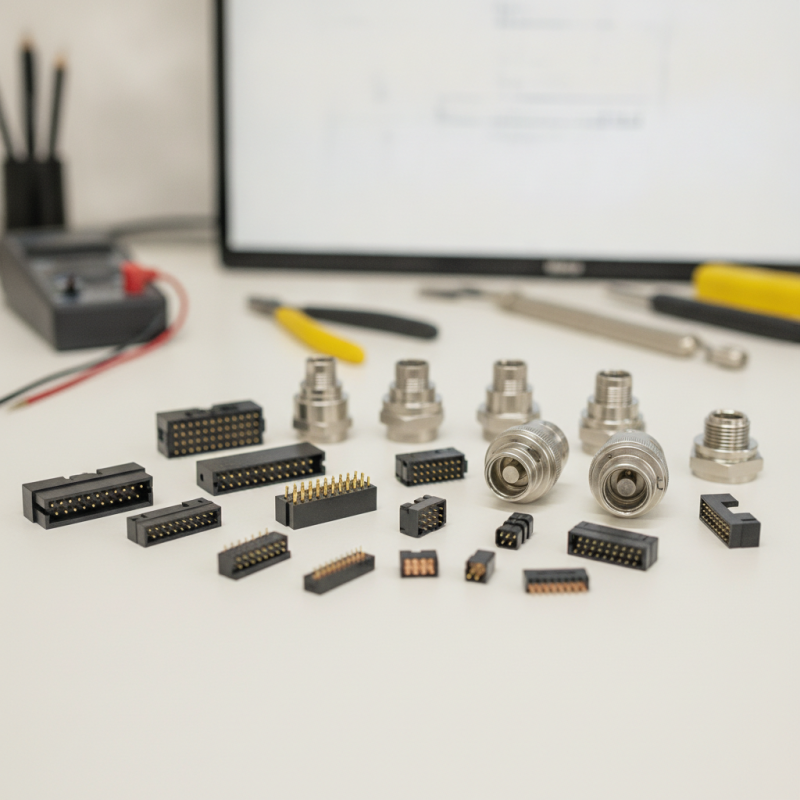
Pin connectors play a pivotal role in various industries. They facilitate secure electrical connections in devices, machinery, and systems. These connectors come in different shapes, sizes, and configurations, tailored to specific applications. For example, automotive sectors utilize pin connectors for safety features and power supply systems. In consumer electronics, they enhance device portability and functionality.
The versatility of pin connectors is evident in their extensive applications. They are essential in manufacturing environments, linking machinery for seamless operation. In telecommunications, they aid in data transfer between devices. However, the quality of these connectors is crucial. Poor-quality connectors can lead to frequent failures, affecting productivity. Industry professionals must choose reliable options with a proven track record. Often, extensive testing is necessary to ensure durability and performance.
It's important to reflect on the design of pin connectors. They must balance strength and size, catering to compact spaces. This makes them challenging to innovate. Many manufacturers face difficulties in creating connectors that provide both robustness and ease of use. Continuous advancements in materials and technology are necessary to overcome these challenges. The evolution of pin connectors remains an ongoing journey worth examining.
: Pin connectors are used for secure electrical connections in devices, machinery, and systems across various industries.
Poor-quality connectors can lead to frequent failures, impacting productivity and device reliability.
Consider compatibility with devices, durability of materials, pin count, and physical size for the best performance.
Materials like copper or gold-plated options provide better conductivity but may increase costs.
Yes, more pins allow for more connections, but they can also add complexity and installation challenges.
Testing ensures durability and performance, helping to avoid costly failures in critical applications.
Yes, balancing strength and size for compact spaces presents challenges in innovation for pin connectors.
Mismatched connectors can lead to inefficient connections and potential damage to devices.
The market is projected to grow over 5% annually, driven by demand in automotive and electronics sectors.
Buyers should seek manufacturers that meet quality standards and provide thorough performance data.
The "2026 Best Pin Connectors for Global Buyers Guide" provides a comprehensive overview of pin connectors, highlighting their diverse applications across various industries. It explores the different types of pin connectors available, detailing their specific uses, from electrical connections to data transmission.
When selecting pin connectors, several critical factors must be considered, including compatibility, durability, and performance under specific environmental conditions. The guide also examines leading manufacturers and brands in the pin connector market, providing insight into their offerings. Lastly, it discusses future trends in pin connector technology and design, emphasizing the innovations expected to shape the industry in the coming years. Overall, this guide serves as an essential resource for buyers looking to make informed decisions in the evolving landscape of pin connectors.
