
Wenda Electronics Wenda Electronics

2026 Best Auto Electrical Connectors for Global Buyers

Time:2026-11-19 Author:Sophia
0%

Choosing Auto Electrical Connectors for global use is not just a matter of matching plug shapes. A connector must suit the vehicle circuit, installation environment, and service requirements. For buyers comparing products in 2026, details such as terminal material, wire range, locking design, and sealing deserve close attention. Small details matter.

This guide introduces the main connector types and the features that distinguish them. It considers common applications, from engine-bay wiring exposed to heat and vibration to cabin connections where compact size can simplify assembly. Buyers should compare manufacturer specifications, including operating temperature, current rating, and ingress protection where stated. A sealed housing alone does not confirm that a complete connection will resist moisture; the terminals, seals, wire, and assembly process all play a part. Not always obvious.

Global sourcing adds another layer. Product descriptions and test documents can vary, so confirm dimensions, compatible terminals, and packaging before placing a large order. Ask suppliers for current datasheets and sample parts, then check fit and retention using the intended wire and tooling. Regional requirements may differ, so verify applicable vehicle and market specifications with qualified engineering or compliance teams. A low unit price may look attractive, but replacement effort and inconsistent quality can change the real cost. There is room for judgment here: no single connector is best for every project. The following sections offer a practical framework for comparing options, asking better supplier questions, and choosing Auto Electrical Connectors with evidence rather than assumptions.
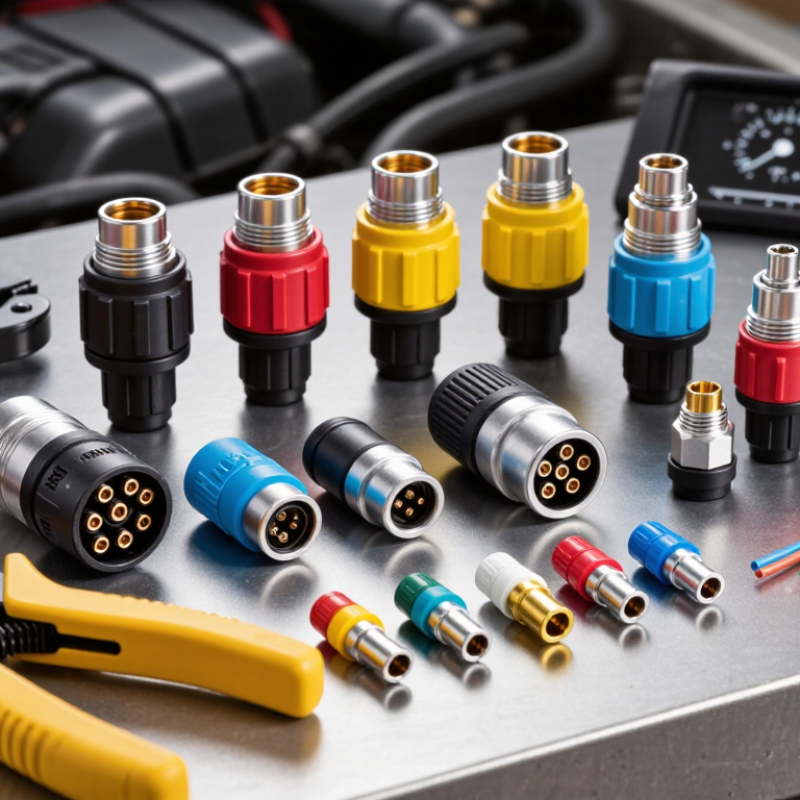
2026 Best Auto Electrical Connectors for Global Buyers

What Automotive Electrical Connectors Are and How They Work

An automotive electrical connector joins a wire harness to a sensor, control unit, lamp, or power component. Inside its insulating housing, metal terminals touch to complete a circuit. A latch holds the two halves together, while seals help block water, dust, and road salt. Small parts. Big consequences.

The connection depends on more than contact. Terminal shape, crimp quality, and contact pressure affect resistance and heat. A poorly seated terminal can loosen under vibration; a damaged seal may let moisture reach the contacts. Not every connector is waterproof, even when its housing looks robust. That detail is easy to overlook. In practice, technicians check the locking tab, wire entry, and seal condition before blaming an electrical component.

The International Energy Agency’s Global EV Outlook 2025 projected more than 20 million electric car sales worldwide in 2025, or over one-quarter of new car sales. More electrified vehicles increase demand for connectors that handle different power and signal needs. A sensor circuit and a high-voltage power connection are not interchangeable. Buyers should compare rated voltage, current, temperature range, vibration resistance, and sealing requirements with the vehicle’s actual application. A datasheet helps, but installation conditions still matter.

Major Connector Types Used in Modern Vehicles

Modern vehicles use several connector families because sensors, lighting, power, and data links face different loads. Wire-to-wire plugs join harness sections, while wire-to-board connectors link wiring to control modules. Sealed connectors use gaskets and cavity seals to resist water and road grit. Unsealed types often suit protected cabin locations. Coaxial connectors carry high-frequency signals, while high-voltage connectors serve electrified power systems. These types are not interchangeable.

Selection depends on current, voltage, wire gauge, temperature, vibration, and available installation space. Check terminal retention and locking features; a loose fit can cause intermittent faults that are difficult to trace. For exposed areas, inspect seal design and drainage around the connector. High-voltage systems require designated service procedures and qualified handling. A connector may look robust, yet its terminals can still be poorly matched to the application. That detail is easy to overlook.

Tips: Confirm the connector’s pin count and keying before assembly. Check that each terminal is fully seated with a gentle pull. Keep seals clean, and avoid forcing a mismatched plug. Small inspection steps help, though they do not replace the vehicle’s service information.

Materials, Ratings, and Features That Determine Connector Quality

Automotive connector quality starts with the materials behind the housing and terminals. Nylon or other engineering plastics must tolerate under-hood heat, vibration, and exposure to oil or moisture. Check the supplier’s temperature range and material data, not just the product photo. A terminal’s copper alloy and plating affect conductivity and corrosion resistance. A bright finish alone proves little.

Ratings need context. An IP rating describes protection under specified test conditions; it does not guarantee performance after poor installation or seal damage. Confirm rated voltage, current, wire size, and operating temperature against the actual circuit. For example, a connector carrying steady current in a warm engine bay may need more margin than a brief-load application. Fit is not enough. In practical inspections, loose terminal retention and pinched seals can undo otherwise sound specifications. I have seen teams overlook this during rushed sample checks; it is an easy mistake to repeat.

Tips: Inspect the latch, seal, and terminal fit with the intended wire. Ask for test conditions and traceable datasheets. Compare samples with production parts, too. A little uncertainty is normal, so record what still needs verification.

How to Choose Automotive Connectors for Different Markets

2026 Best Auto Electrical Connectors for Global Buyers

How to Choose Automotive Connectors for Different Markets

Choosing automotive connectors for different markets starts with the vehicle’s actual operating conditions. A compact city car and a work truck may face very different heat, vibration, moisture, and service demands. Check the circuit’s voltage and current, then confirm that terminals and wire sizes match. A connector should fit securely without forcing the harness into a sharp bend. Small details matter.

Climate changes the selection. In humid or coastal areas, sealed housings and corrosion-resistant terminals can help protect electrical contacts. In hot engine compartments, review the connector’s rated temperature range and material performance. Dust exposure, road salt, and frequent pressure washing may also affect sealing needs. An ingress-protection rating is useful, but it does not replace testing in the intended installation. Real conditions can be messier.

Market requirements and repair practices deserve equal attention. Confirm applicable regional standards, documentation, and vehicle-maker specifications before ordering. Consider whether local technicians can inspect, disconnect, and replace the connector using available tools. For high-volume programs, sample testing under heat, vibration, and moisture can reveal weak latches or poor terminal retention. A single checklist will not fit every platform. That is easy to overlook. Keep traceable test records, and review connector performance after field use; early assumptions sometimes need changing.

Global Standards, Supplier Checks, and 2026 Buying Considerations

For global buyers, connector selection starts with the vehicle’s real operating conditions, not a catalogue photo. The IEA’s Global EV Outlook 2025 reports that electric car sales exceeded 17 million in 2024, more than 20% of worldwide car sales. That growth raises demand for dependable high-voltage and low-voltage connections, but EV volume alone does not define a suitable part. Check rated current, voltage, temperature range, vibration resistance, sealing, and mating-cycle performance against the intended location.

Standards help make comparisons practical. Review relevant ISO 8092 requirements for onboard wiring-harness connections and IEC 60512 test methods, then ask suppliers for test conditions and results, not just a compliance statement. Request material and plating specifications, lot traceability, change-control records, and validation samples. A connector may pass a bench test yet behave differently after exposure to heat, moisture, or repeated service. Details matter. For 2026 sourcing, compare lead times and second-source plans alongside unit price; a cheaper part is less attractive if its tooling or production capacity is unclear. I would also inspect crimp samples and pull-test records. Paperwork can look complete, and still leave questions.

2026 Best Auto Electrical Connectors for Global Buyers

Ingress-protection code examples for comparing automotive connector requirements under ISO 20653.

How to use this: IP6K7 identifies a dust-protection digit of 6K and a water-protection digit of 7; IP6K9K identifies 6K and 9K. The plotted digits are code components, not linear performance scores. Before buying, match the required protection to the installation environment and request applicable test reports, material and temperature specifications, mating-cycle data, and lot traceability from suppliers. Confirm the exact test conditions against the current standard and project requirements.

FAQS

What does an automotive electrical connector do?

It joins a wire harness to a sensor, control unit, lamp, or power component. Metal terminals meet inside an insulating housing to complete a circuit.

What keeps the connector halves together?

A latch holds them in place. Seals can help block water, dust, and road salt. Not every connector is waterproof.

Why can a loose terminal cause problems?

Poor contact pressure or a weak crimp can raise resistance and heat. Vibration may loosen a terminal that is not fully seated.

What should technicians inspect before replacing a component?

Check the locking tab, wire entry, and seal condition. Look for damaged seals or terminals that sit unevenly. Easy to miss.

How do buyers choose a suitable connector?

Match rated voltage, current, temperature range, vibration resistance, and sealing needs to the vehicle’s actual application. A catalogue photo is not enough.

Can one connector serve both sensor and power circuits?

Not necessarily. Sensor signals and high-voltage power connections have different needs. Check the part’s ratings before choosing.

Which supplier records are useful?

Ask for material and plating details, lot traceability, change-control records, and validation samples. Crimp samples and pull-test records can also help.

What should buyers consider beyond unit price?

Compare lead times and second-source plans. Confirm that tooling and production capacity are clear. Paperwork can look complete, yet leave questions.

Do test results guarantee performance in a vehicle?

No single bench test covers every condition. Ask how samples were tested for heat, moisture, and repeated service. I would still check the installation details.

Conclusion

Auto Electrical Connectors are essential components that link sensors, control units, lighting, and power systems throughout modern vehicles. This overview explains how connectors form secure electrical paths and examines common types used in automotive applications, including sealed, high-current, signal, and data connectors. It also describes how contact materials, housing construction, current and voltage ratings, temperature tolerance, vibration resistance, and sealing features affect reliability and service life.

For global buyers, selecting a connector means matching its design to the vehicle’s environment, electrical demands, and regional market requirements. The article outlines practical ways to compare specifications, confirm compatibility, and evaluate suppliers through documentation, sample testing, quality controls, and production capabilities. It also highlights the importance of reviewing applicable regional standards and planning for 2026 purchasing needs, such as supply continuity and consistent performance. Together, these considerations help buyers make informed choices for dependable vehicle electrical systems.

Sophia

Sophia

Sophia is a dedicated marketing professional with an exceptional depth of knowledge about her company's products and services. With a keen understanding of market trends and customer needs, she crafts insightful blog posts that not only inform but also engage readers, enriching the company’s online......